


Holland and Sons Furniture
Holland and sons furniture brings master cabinet-making into the home through pieces that span the nineteenth century.
Holland and Sons Furniture
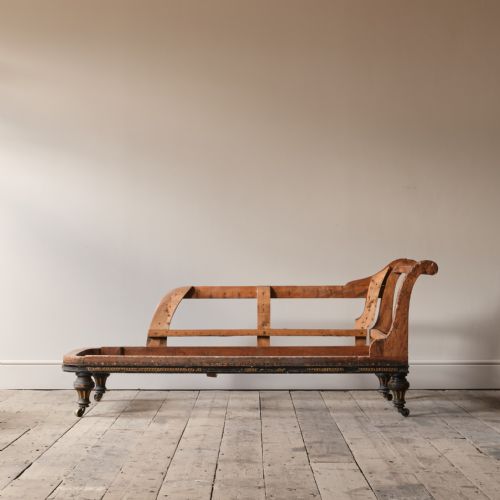
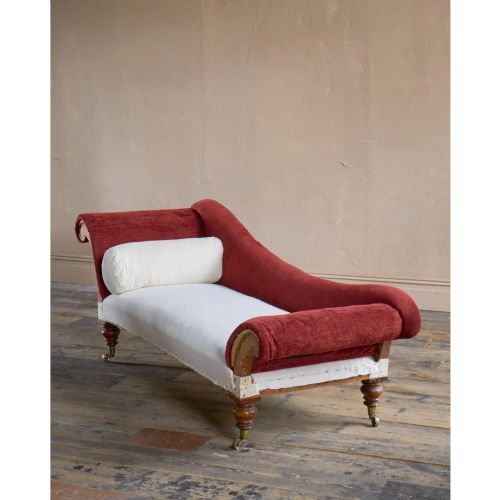
Holland and sons furniture comprises nineteenth century seating, storage and display pieces originating from a notable London firm. Buyers searching for holland and sons furniture frequently encounter seating such as chaise longues and dining chairs alongside tables and cabinets.
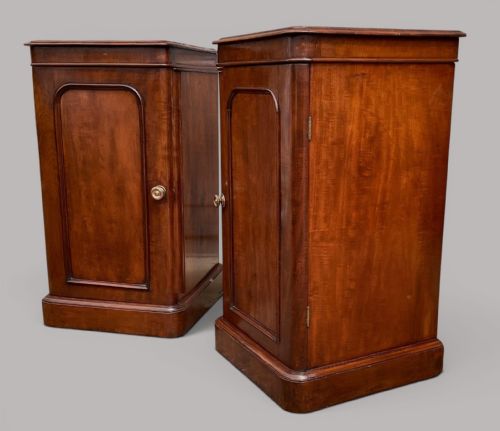
The material record on this page shows pieces spanning the Georgian, Regency and Victorian periods. Forms range from pedestal bedside cupboards and chiffoniers to Wellington style chests and large bookcases.
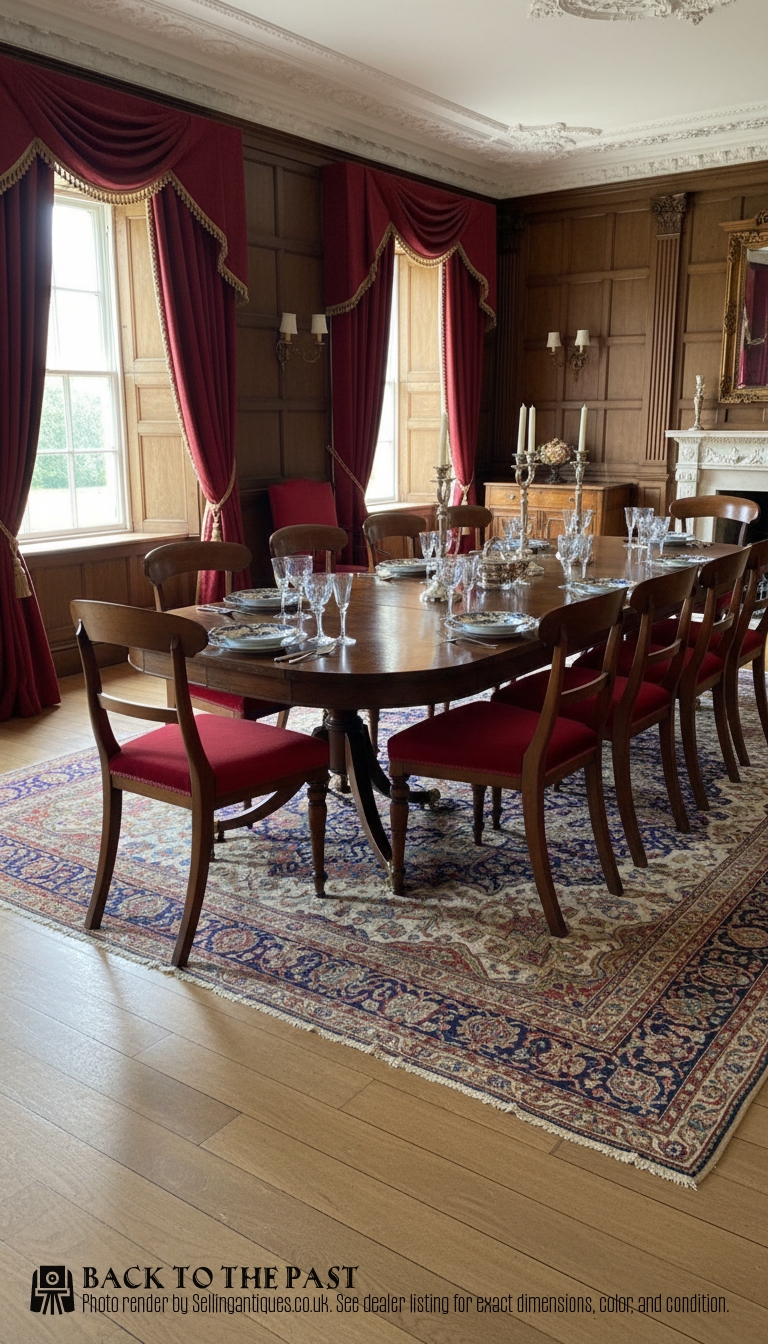
How they were made
Makers utilised dense timbers such as mahogany, walnut and burr walnut, often pairing figured veneers with solid framing. Details frequently incorporate brass mounts and ebonised wood to accentuate the structural lines.
Upholstered items employ traditional fabrics including velvet, while display pieces integrate glass panels. Construction methods reflect nineteenth century workshop practices designed for durability and refined finish.
Holland and Sons Furniture Retail Price Guide 2026
Typical asking prices for holland and sons furniture among the pieces listed under this phrase on Sellingantiques today, from the lower quarter to the upper quarter. They describe what is for sale here now, not the wider market.
Listings feature eighteenth and nineteenth century periods alongside mahogany, walnut, burr walnut, brass and ebonised wood materials.
What varies in quality
The grade of timber selection and the precision of veneer matching distinguish individual pieces. Figured walnut and choice mahogany specimens exhibit superior grain patterning across large surfaces.
Carving depth and the crispness of applied mouldings separate standard production from exceptional workshop output. Stamped signatures and attributed attribution marks further influence the standing of surviving items.
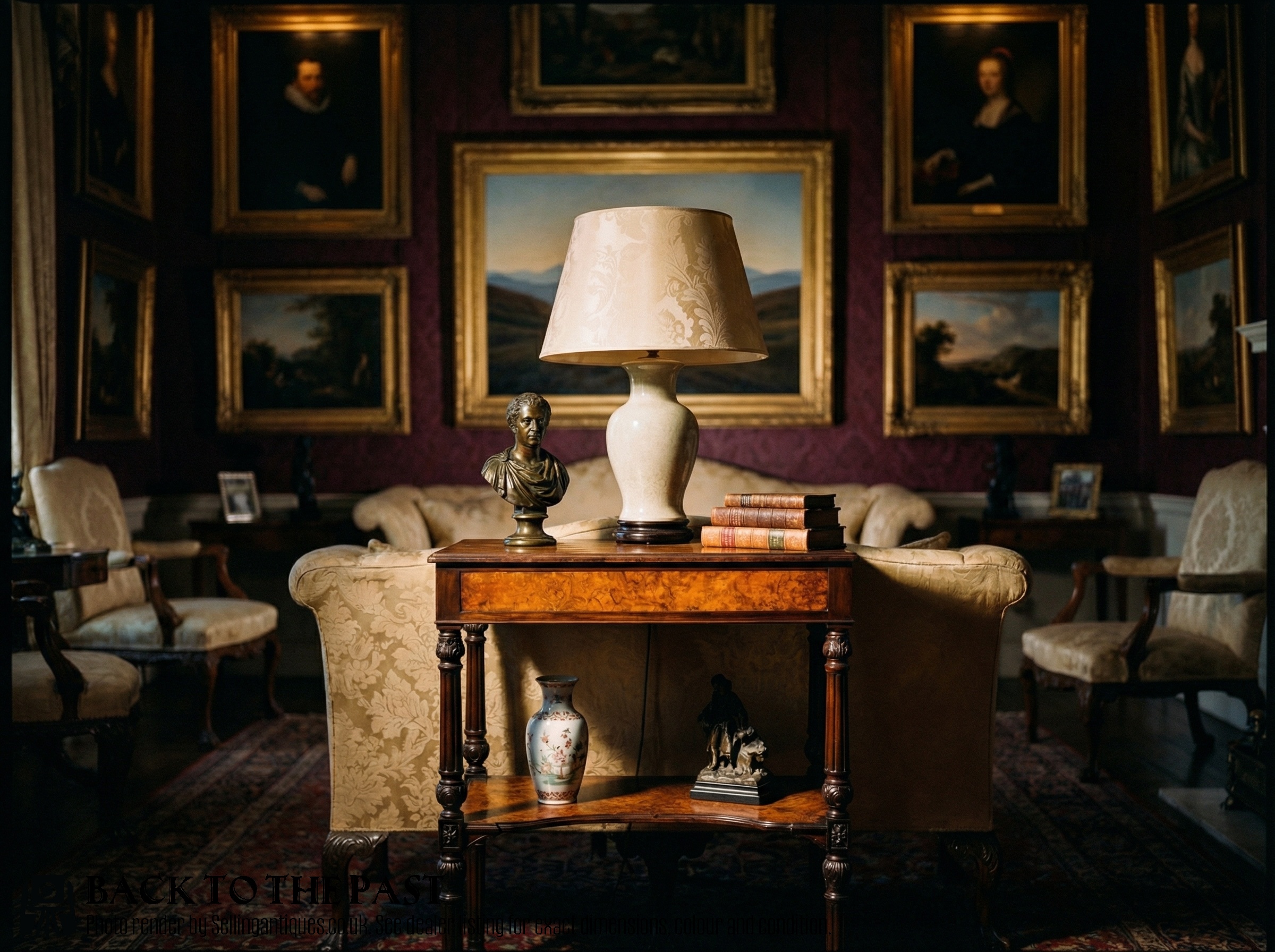
Holland and Sons
The Holland and Sons Furniture Glossary
- Chaise Longue
- An upholstered long chair designed for reclining. This form appears frequently in nineteenth century seating.
- Chiffonier
- A low sideboard or cabinet featuring shelves and enclosed storage. These items became popular during the Victorian period.
- Ebonised Wood
- Timber treated to imitate ebony through dark staining and polishing. This finish highlights contrasting brass elements.
- Pedestal Bedside Cupboard
- A small bedside storage unit resting on a single column or pedestal base. These are constructed in mahogany and walnut.
Holland and Sons Furniture: Frequently Asked Questions
Who were Holland and Sons?
Holland and Sons operated as a prominent London cabinet-making firm during the nineteenth century. They supplied fine furniture to domestic residences and public institutions.
Their workshops produced a wide variety of domestic furnishings, ranging from dining chairs to grand bookcases.
How do I identify Holland and Sons furniture?
Pieces often feature maker marks, stamps or paper labels applied directly to the timber or drawers. Attributed items share construction characteristics and stylistic details with documented examples.
Examining the secondary woods and joinery helps confirm the origin of unmarked pieces.
What woods were commonly used?
Mahogany and walnut form the primary structural and decorative materials across these listings. Burr walnut veneers and ebonised wood appear on more decorative items.
Secondary timbers such as oak support the internal framing of drawers and carcases.
How should I care for these pieces?
Maintain stable indoor humidity levels to protect nineteenth century veneers from cracking or lifting. Regular dusting with a soft cloth preserves the polished wooden surfaces.
Avoid placing antique furniture in direct sunlight or near heat sources.