




Holland and Sons Table
When you search for a holland and sons table, you look for cabinet-maker pieces spanning Victorian and Georgian periods in mahogany and walnut.
Holland and Sons Table
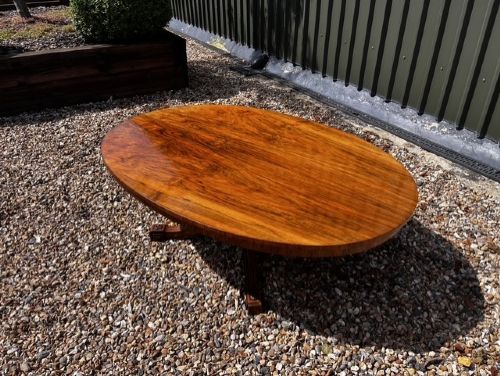
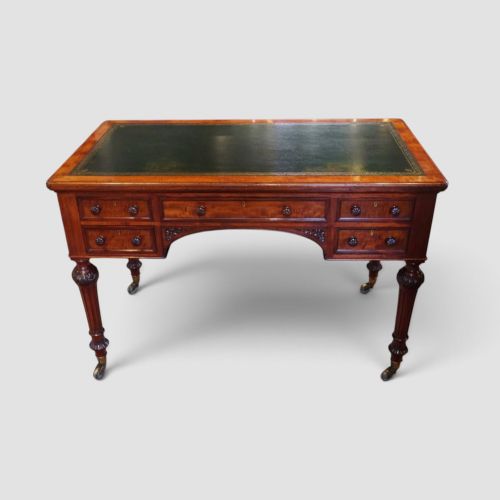
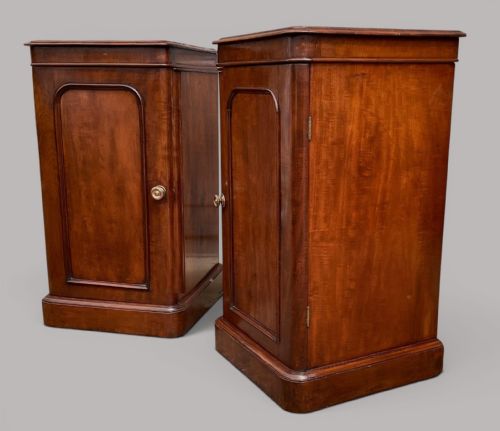
A holland and sons table covers a broad domestic range from writing desks and centre tables to smaller bedside cabinets and occasional pieces. The maker operated extensively through the nineteenth century, producing formal furniture for London residences and country houses.
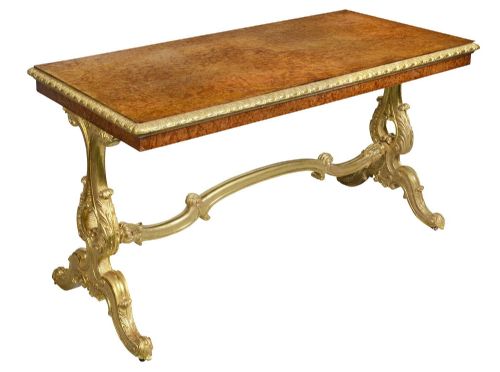
Most examples found on this page date to the Victorian era and the mid-nineteenth century, constructed in traditional timber forms. Buyers frequently encounter writing tables, centre tables, and side tables bearing the firm stamp or attribution.
The firm also produced larger dining tables, library tables, and smaller occasional pieces in walnut, mahogany, and oak. These utilitarian and decorative forms reflect the changing interior fashions of the nineteenth century.
How they were made
Makers utilised solid timbers alongside figured veneers, selecting mahogany, walnut, and burr walnut for their rich grain patterns. Secondary woods like oak appear in drawer linings and internal framing.
Surface decoration relies on natural timber figuring, occasional marquetry inlay, brass mounts, and fitted leather writing inserts. Construction methods involve traditional joinery suited to heavy daily use in nineteenth-century households.
Holland and Sons Table Retail Price Guide 2026
Typical asking prices for holland and sons table among the pieces listed under this phrase on Sellingantiques today, from the lower quarter to the upper quarter. They describe what is for sale here now, not the wider market.
Listings feature walnut, mahogany, oak, burr walnut, rosewood, and amboyna across Victorian and Georgian periods.
What varies in quality
Quality rests in the choice of timber veneer and the crispness of secondary carving rather than surface embellishment alone. Finer examples display carefully matched burr walnut figures and precise brass hardware.
Structural integrity and original drawer linings separate standard utility pieces from grander salon tables. Pieces bearing a clear stamp or paper label command greater attention from collectors.
Holland and Sons
The Holland and Sons Table Glossary
- Burr walnut
- A decorative wood veneer taken from the warted growths of walnut trees. It yields a swirling, highly figured pattern prized in nineteenth-century cabinet work.
- Centre table
- A freestanding table designed to be viewed from all sides rather than pushed against a wall. These pieces often feature finished backs and detailed pedestals.
- Writing table
- A domestic desk with one or more drawers and a dedicated writing surface. Many surviving examples retain original leather inserts tooled with gold.
- Pedestal table
- A table supported by a central pillar resting on a platform or footed base. This form provides stable weight distribution for heavy timber tops.
Holland and Sons Table: Frequently Asked Questions
How do I spot a genuine Holland and Sons table?
Look for maker stamps on drawer edges, timber framing, or paper labels pasted inside carcasses.
Compare the timber selection and joinery quality against documented pieces from the nineteenth century.
Were these tables used in formal rooms?
Centre tables and library tables stood in principal reception rooms to display objects or host guests.
Smaller writing desks and side tables served private studies, bedrooms, and drawing rooms.
What woods did the firm use most?
Mahogany and walnut form the majority of surviving pieces, often enhanced with burr walnut veneers.
Oak, satin-birch, and rosewood appear less frequently in specific occasional and dressing tables.
How do I care for a nineteenth century wood table?
Keep wooden surfaces away from direct sunlight and excessive heat sources to prevent timber splitting.
Apply traditional beeswax occasionally to nourish the grain without building up heavy chemical layers.