

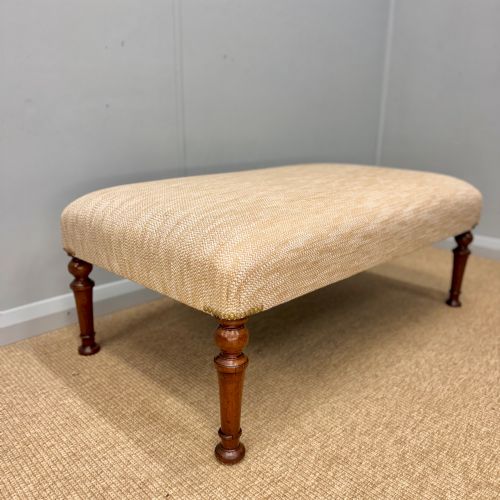

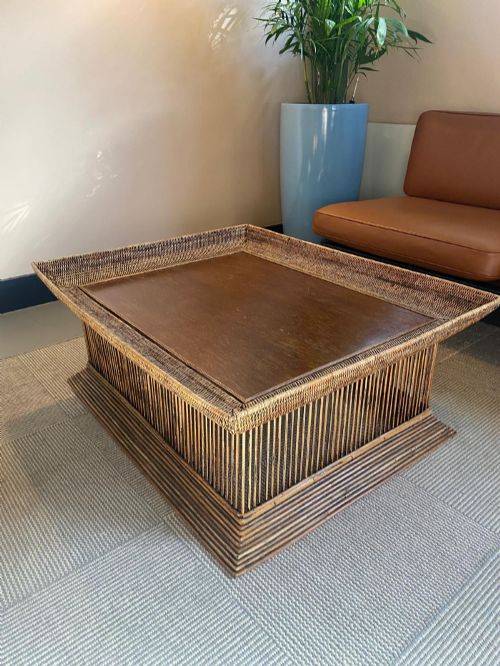
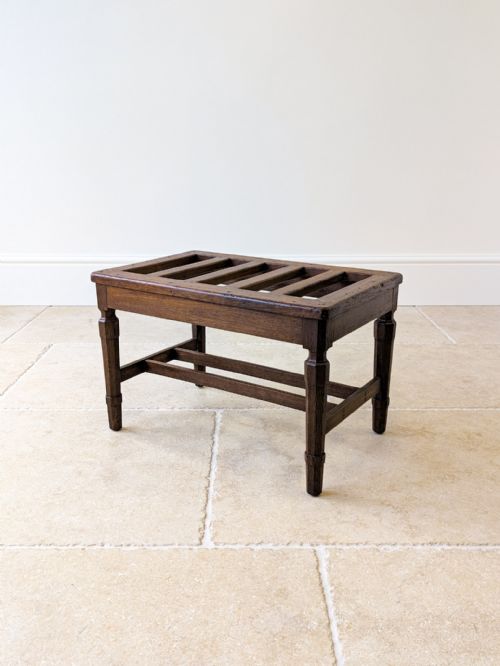
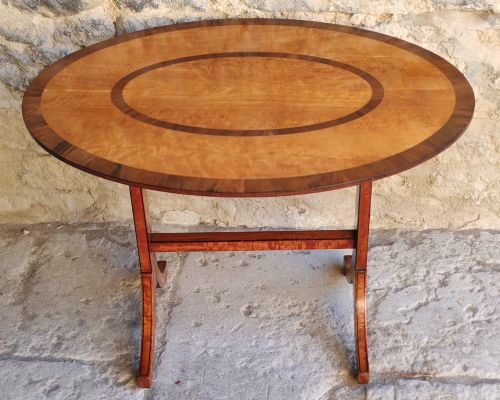
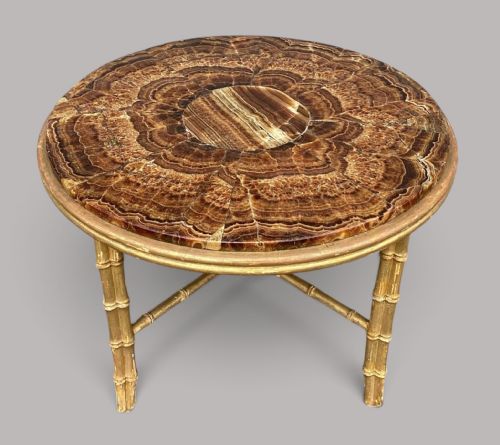
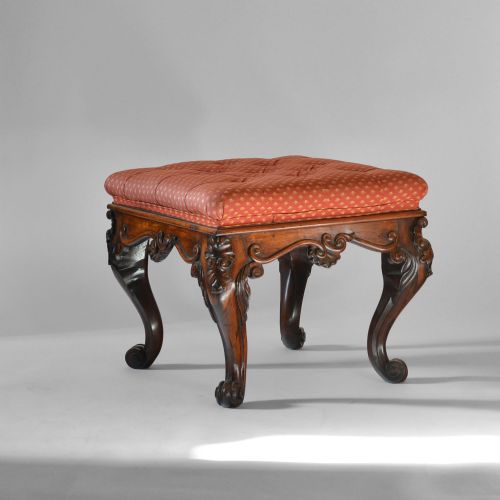
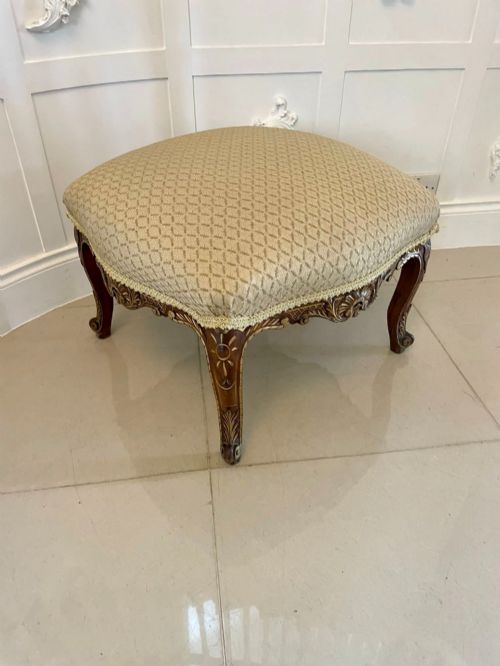
Victorian Low Table
A victorian low table brings warmth and low-slung proportion to a modern room, anchored in nineteenth-century timber.
Victorian Low Table
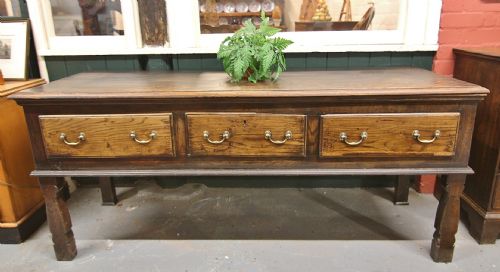
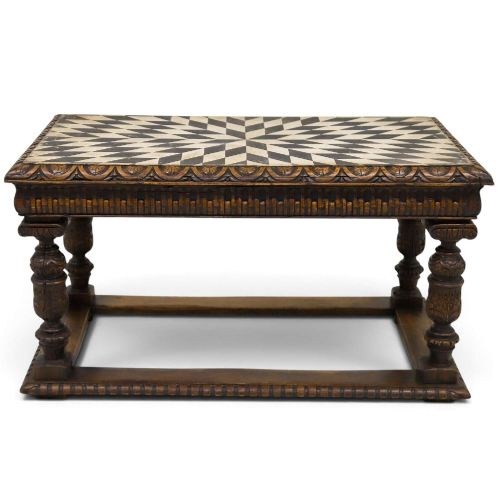
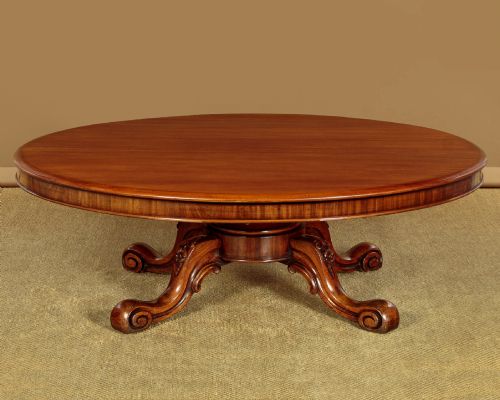
A victorian low table groups together nineteenth-century low forms, coffee tables, and occasional pieces originating from the 1860s, 1870s, and the broader Victorian period. Buyers searching this phrase meet walnut, burr walnut, and mahogany surfaces adapted or built low for modern use.
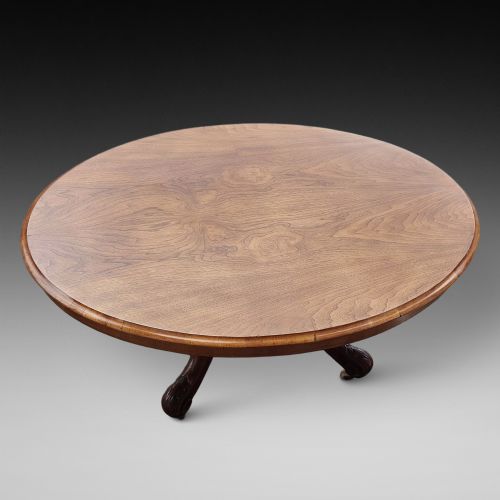
The selection ranges from circular centre pieces and nests of three tables to occasional and work tables lowered over time. Walnut and mahogany dominate the offerings, occasionally accompanied by brass fittings and pine.
Makers and workshops of the period, notably Gillows of Lancaster and Holland & Sons, set the standard for these designs. Pieces appear in various dimensions, from large circular formats to compact occasional tables.
Materials and construction
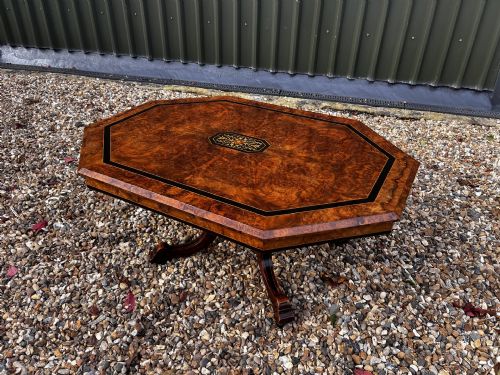
Cabinetmakers utilised solid woods alongside flame mahogany veneer and burr walnut to create figured top surfaces. Brass components appear on select models for castors, mounts, or structural hardware.
Construction methods rely on traditional joinery applied to timber frames, with turned legs, tripod bases, and occasional drawer boxes. Surfaces receive polish to highlight the natural grain patterns of walnut and mahogany.
Victorian Low Table Retail Price Guide 2026
Typical asking prices for victorian low table among the pieces listed under this phrase on Sellingantiques today, from the lower quarter to the upper quarter. They describe what is for sale here now, not the wider market.
Walnut and mahogany are the primary woods found across these Victorian low table listings.
Evaluating quality
Quality rests in the selection of timber veneers, such as highly figured burr walnut or flame mahogany, and the crispness of turned or carved wooden details. Superior pieces display thoughtful proportions and balanced grain matching across the top.
Maker attribution separates standard workshop output from exceptional cabinet work by firms like Gillows or Holland & Sons. Alterations, such as nineteenth-century tables later lowered to coffee table height, influence the character of individual pieces.
Holland & Sons Of London·Gillows Of Lancaster·Gillow and Co
The Victorian Low Table Glossary
- Burr walnut
- A wood harvested from walnut tree growths, producing swirling, highly decorative grain patterns prized for table tops.
- Flame mahogany
- A veneer cut from the fork of the mahogany tree, showing a distinctive flickering flame-like pattern.
- Occasional table
- A small, versatile table intended for specific, intermittent use rather than central placement in a room.
- Centre table
- A freestanding piece designed to be viewed from all sides, often placed in the middle of a Victorian interior.
- Work table
- A nineteenth-century form equipped with compartments or bags for sewing and writing materials.
Victorian Low Table: Frequently Asked Questions
Are these tables original or adapted?
Some pieces were built low originally, while others are period tables adapted to coffee table height during later conservation.
Listings specify whether a table is an unaltered nineteenth-century form or an adapted piece.
How do I care for burr walnut?
Burr walnut requires dusting with a soft cloth and protection from direct sunlight and excessive heat.
Applying occasional wax polish helps maintain the lustre of the polished wood surface.
What is the difference between occasional and centre tables?
Centre tables are traditionally larger, freestanding pieces designed for the middle of a room.
Occasional tables are smaller and intended to be moved easily to service different seating areas.
How do I identify a Gillows table?
Makers like Gillows often marked their furniture with stamps, signatures, or distinct structural characteristics.
Design cues and construction quality also point toward specific nineteenth-century workshops.