

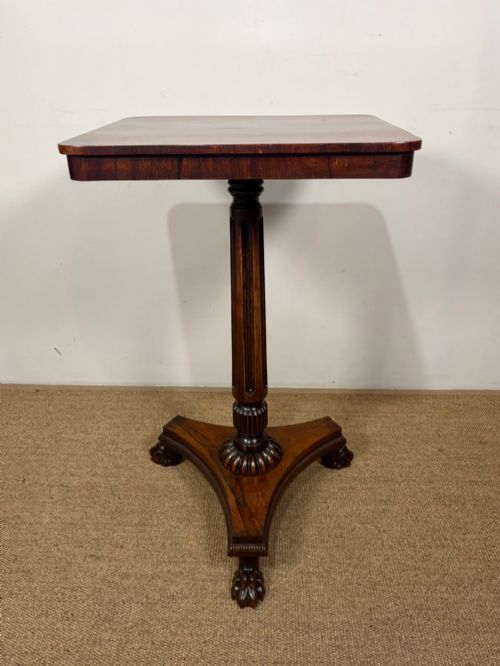




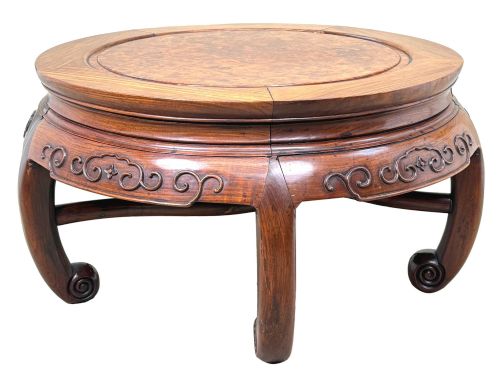
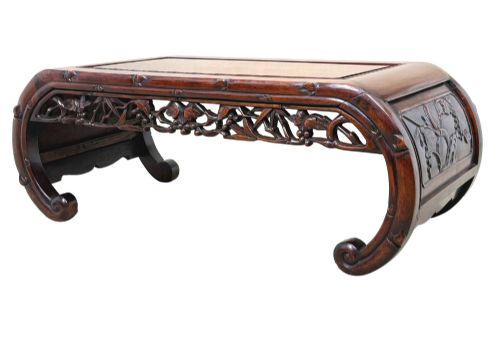
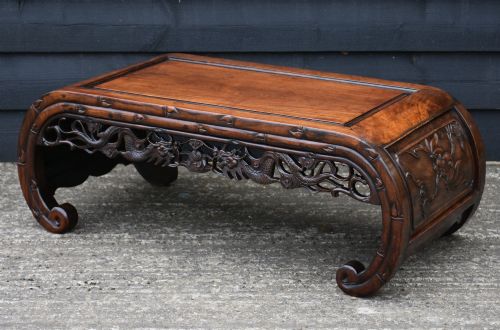
Carved Rosewood Tea Table
A carved rosewood tea table brings deep grain and intricate relief to a room, offering a sturdy surface for daily use.

Carved Rosewood Tea Table
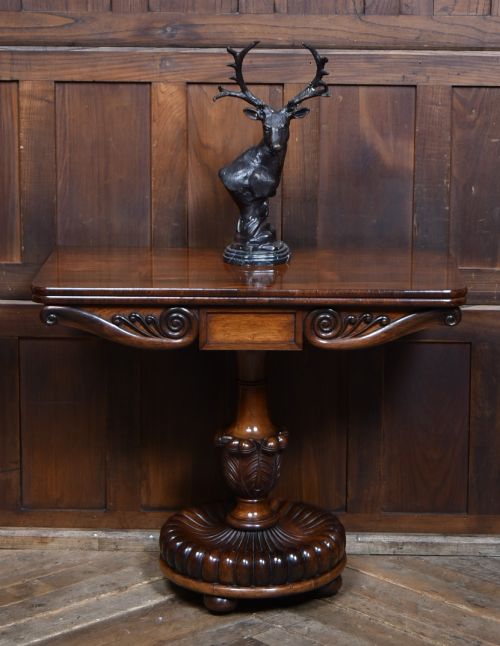
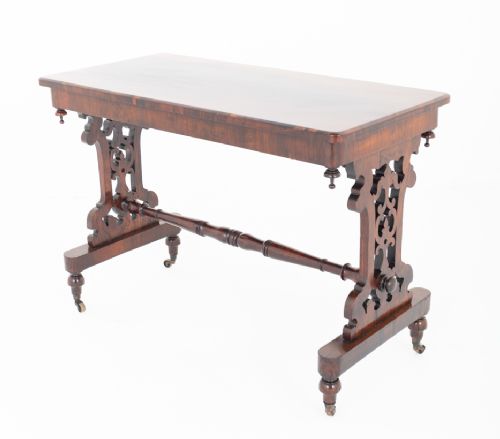
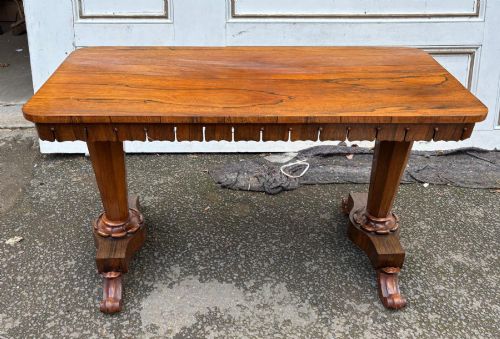
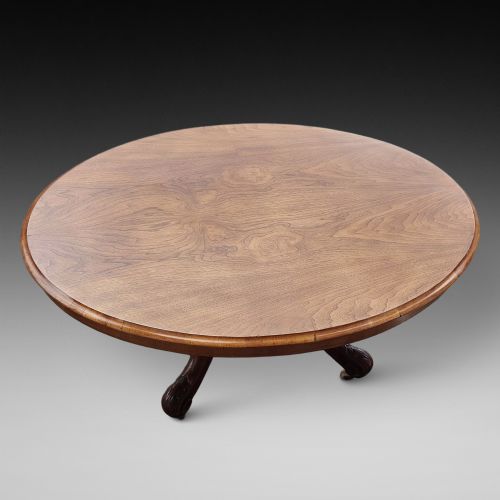
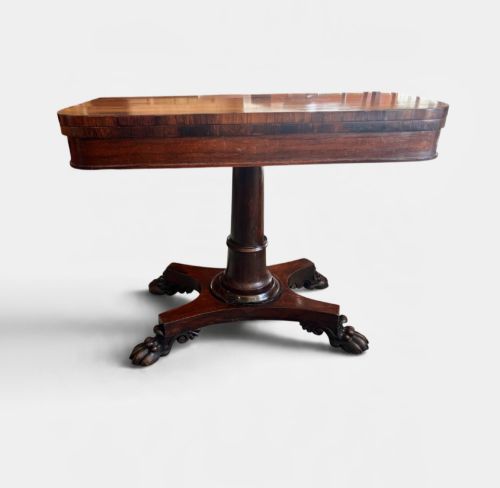
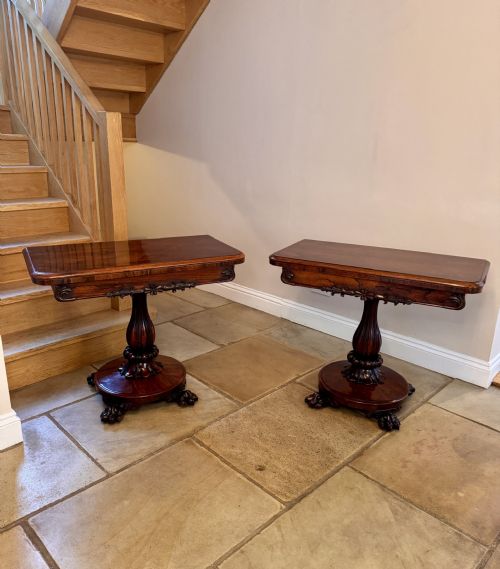
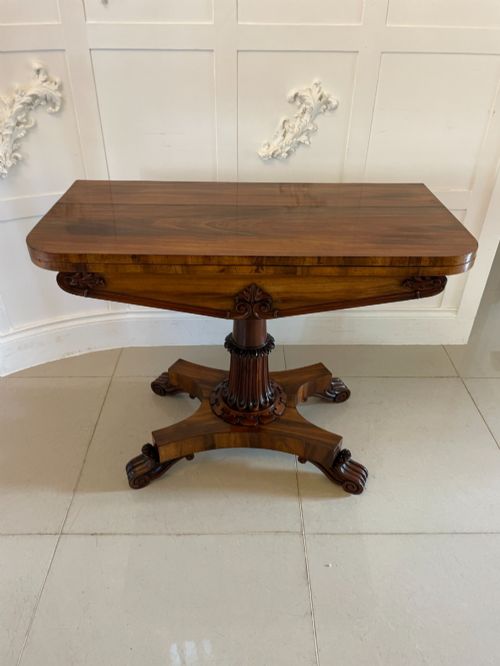
A carved rosewood tea table draws the eye with rich timber and detailed carving, serving as a functional centrepiece in a reception room or study. These pieces appear across several distinct historical periods, including the Regency era, the reign of George IV, the Victorian period, and the Chinese Qing Dynasty.
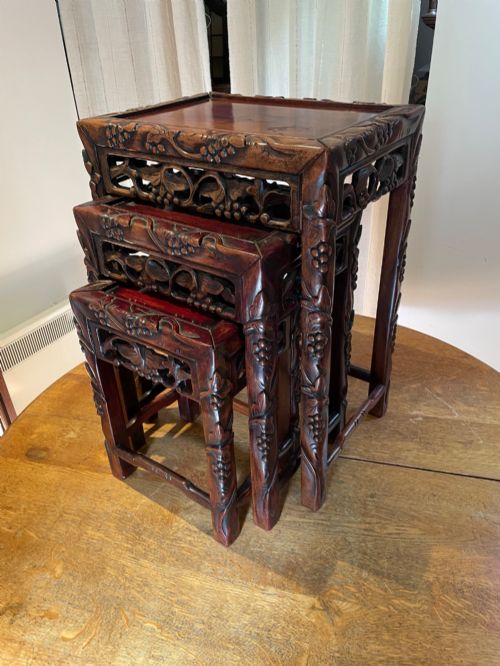
The selection on this page ranges from formal British tables designed for hospitality to oriental low circular tables and Anglo-Indian variants. Buyers will encounter occasional tables, coffee tables, card tables, and traditional tea tables constructed from dense, dark timbers.
Originating from British cabinet makers influenced by classical styles, Anglo-Indian workshops, and Chinese traditional craftsmen, each piece reflects the aesthetic priorities of its maker and era. The surface grain varies from straight and uniform to heavily figured, depending on the exact timber used.

Materials and construction
Makers utilised dense timbers such as rosewood, huanghuali, and general hardwood, often enhanced by brass fittings or glass inserts. These materials provided the necessary structural integrity for intricate hand-carving along the friezes, edges, and legs.
Joinery methods varied according to regional traditions, employing traditional pegging in Chinese Qing Dynasty pieces alongside European cabinet-making techniques for Regency and Victorian examples. Fold-over mechanisms allowed card and tea tables to switch between compact consoles and full display surfaces.
Carved Rosewood Tea Table Retail Price Guide 2026
Typical asking prices for carved rosewood tea table among the pieces listed under this phrase on Sellingantiques today, from the lower quarter to the upper quarter. They describe what is for sale here now, not the wider market.
Listings feature rosewood, hardwood, and huanghuali across the 19th Century, Regency, and Victorian periods.
Assessing quality and finish
Quality rests in the crispness of the carving and the selection of the timber, where finely figured grain elevates a piece far above plain stock. The depth of the relief work and the stability of the joints demonstrate the skill invested by the original maker.
Proportion and balance distinguish superior examples, particularly where legs and aprons meet in harmonious design. Superior tables retain their original rich colour and depth of polish, showing decades of careful maintenance without losing the underlying texture of the wood.
The Carved Rosewood Tea Table Glossary
- Rosewood
- A dense, heavy timber prized for its deep reddish-brown colour and contrasting dark grain patterns. It takes a high polish and resists wear.
- Regency
- A British design period spanning the early 19th century, characterised by classical revival motifs and refined elegance.
- Card table
- A folding table designed for evening gaming, often featuring a baize-lined interior and a swivelling or hinged top.
- Anglo-Indian
- A descriptive term for furniture made in India by local craftsmen following British room forms and colonial tastes, often featuring dense overall carving.
Carved Rosewood Tea Table: Frequently Asked Questions
What is a tea table?
A tea table is a small table specifically designed to hold tea service equipment during social gatherings. They often feature fold-over tops or raised edges to secure porcelain.
Over time, many of these tables transitioned into general use as decorative occasional surfaces in reception rooms.
How do I care for rosewood?
Rosewood requires stable humidity and protection from direct sunlight to prevent the timber from drying out or fading. Regular dusting with a soft, dry cloth maintains the natural lustre of the polished surface.
Avoid placing hot cups or damp items directly on the bare timber without protective coasters.
Where were these tables made?
The pieces originate from British workshops influenced by Regency and Victorian aesthetics, Chinese traditional makers, and Anglo-Indian studios. Each region imparted distinct carving styles and structural methods to the wood.
Geographic origin heavily influences the decorative motifs carved into the friezes and legs.
Can I use an antique tea table daily?
These tables were built to withstand active household use, utilising robust hardwoods like rosewood and huanghuali. Normal daily placement of books, lamps, or decorative items poses no risk to a stable antique.
Care should be taken to lift rather than drag the table when repositioning it in a room.