

Regency Pedestal Side Table
A regency pedestal side table brings compact elegance to a room, offering a sturdy central column and rich timber grain suited to daily use.
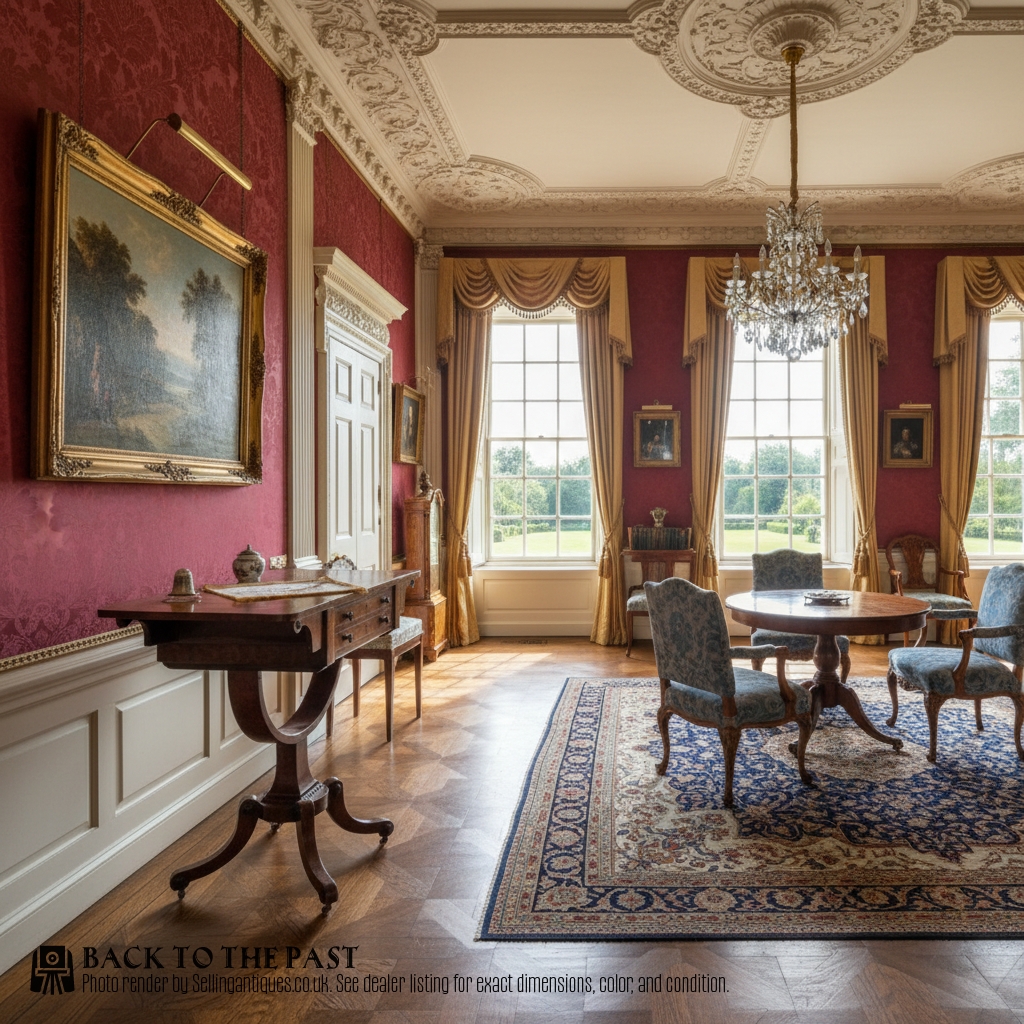
Regency Pedestal Side Table
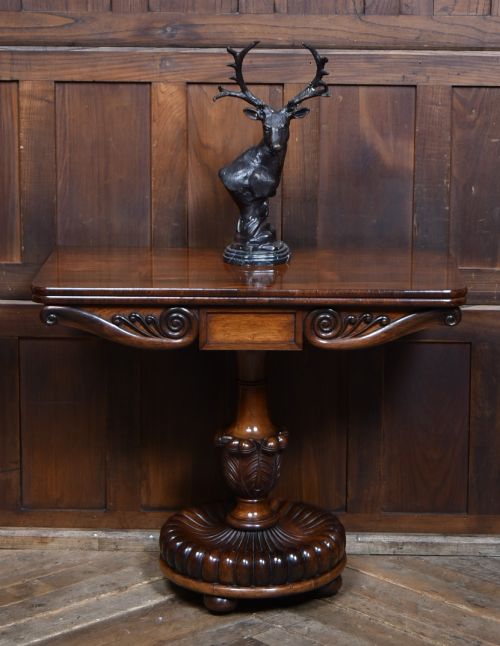
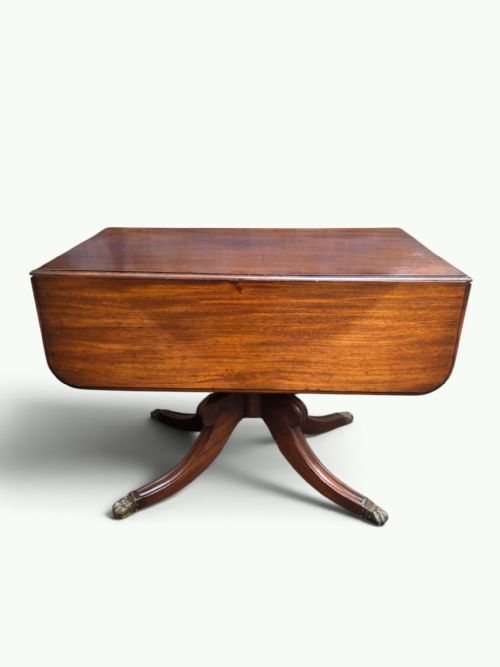
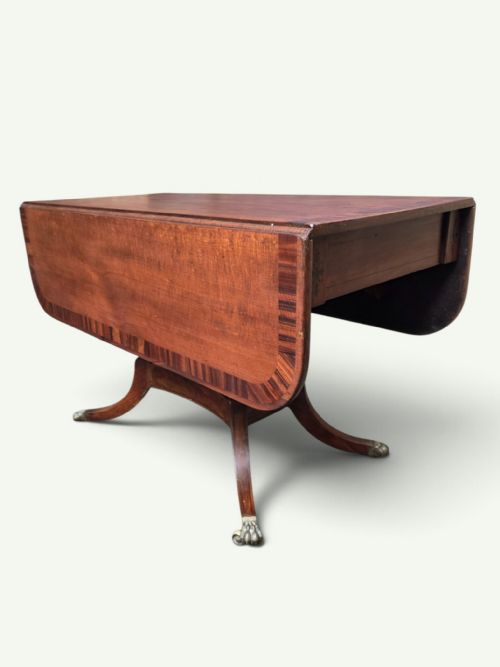
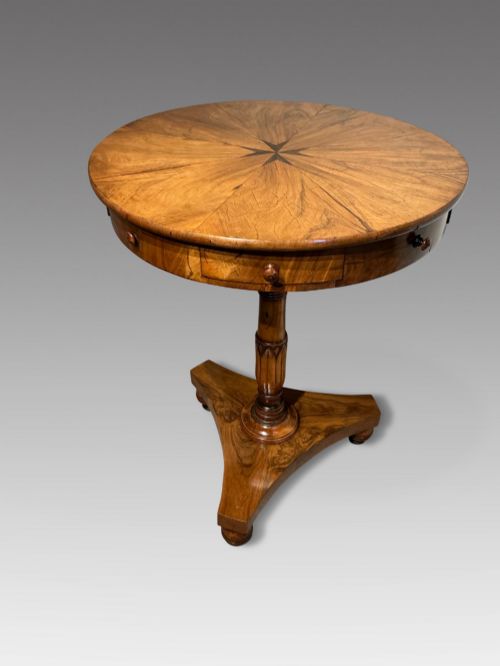
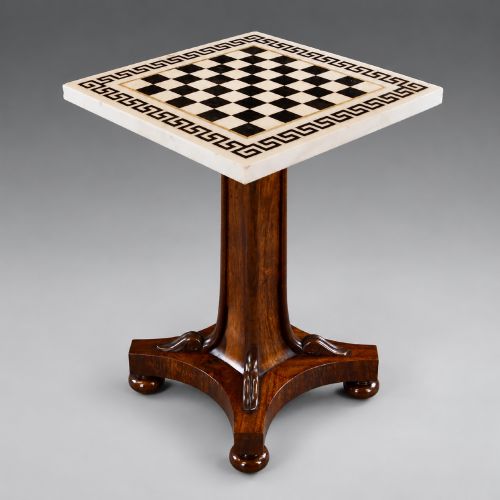
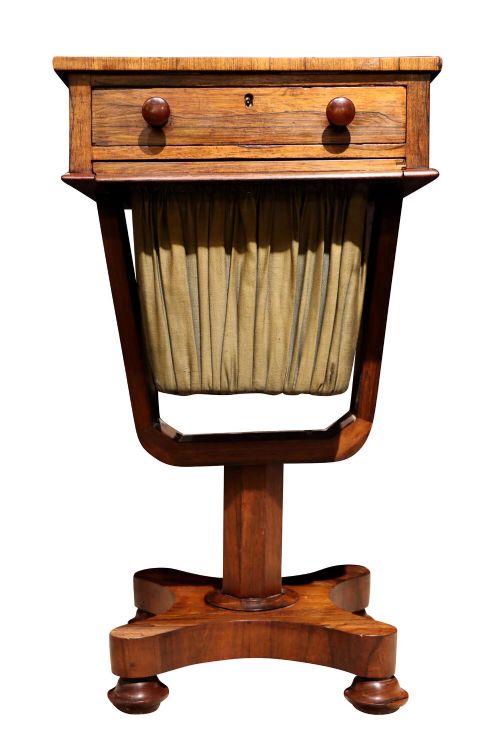
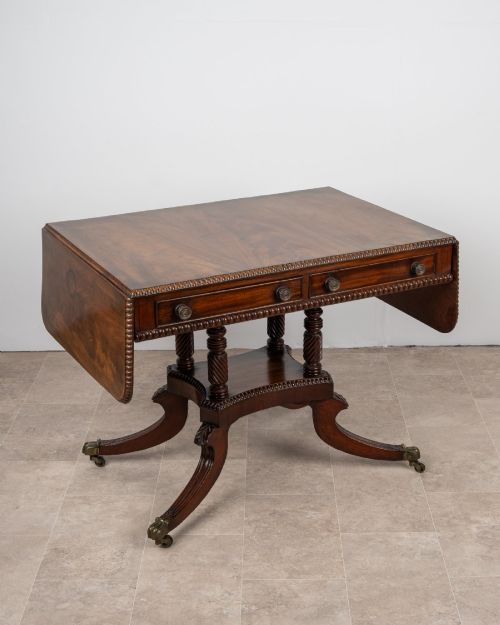
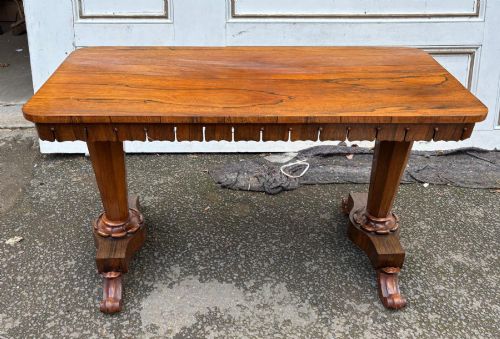
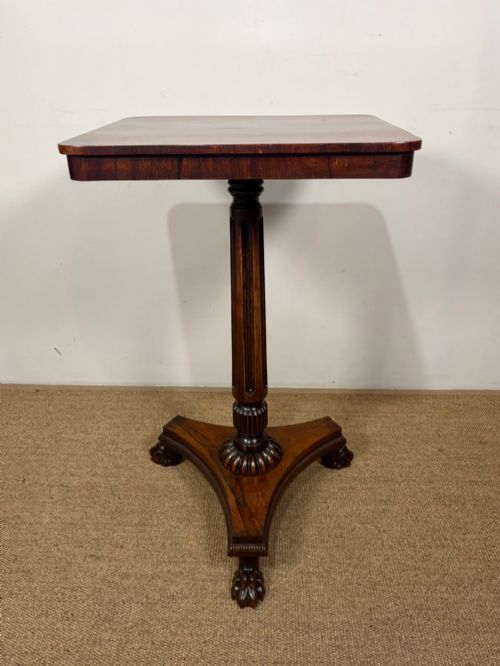
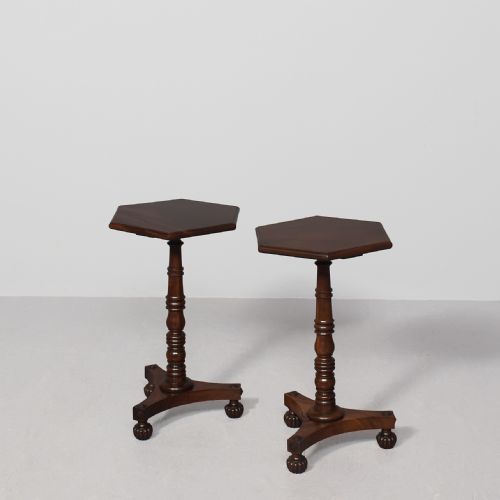
A regency pedestal side table is typically built with a central pillar rising from a shaped base, carrying a round, square, or octagonal top designed for functional surface space in a room. The listings reveal many variations built for specific domestic duties, including tea, card, wine, and occasional use.
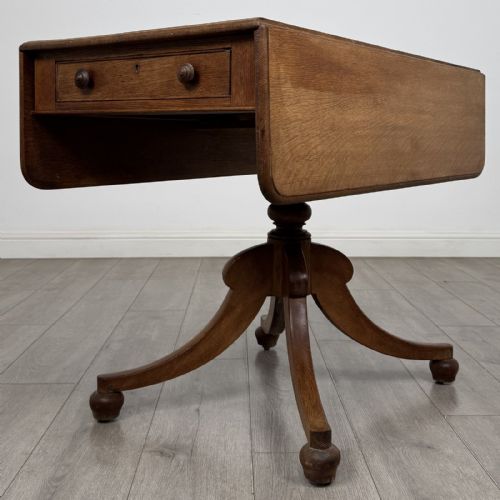
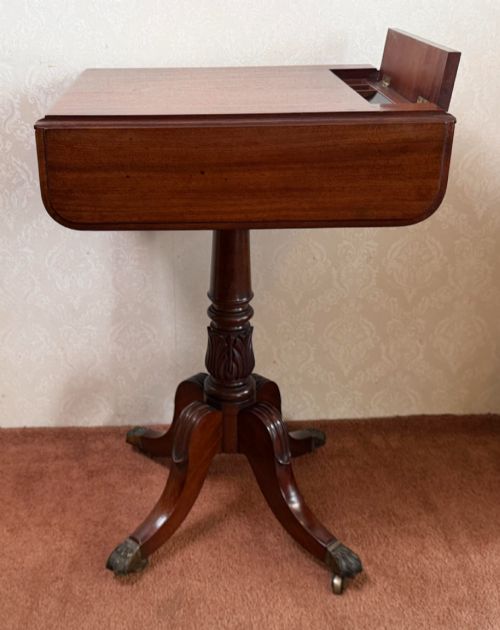
Most examples found here date from the nineteenth century, spanning the Regency, William IV, and George IV periods, though later revivals also appear. These smaller tables sit easily beside chairs or against walls, functioning as lamp stands, Pembroke surfaces, or compact writing desks.
Makers and workshops of the period produced these forms in mahogany, rosewood, and occasional exotic timbers like ebony or olive. The form remains practical for modern interiors, needing little floor space while offering distinct period character.
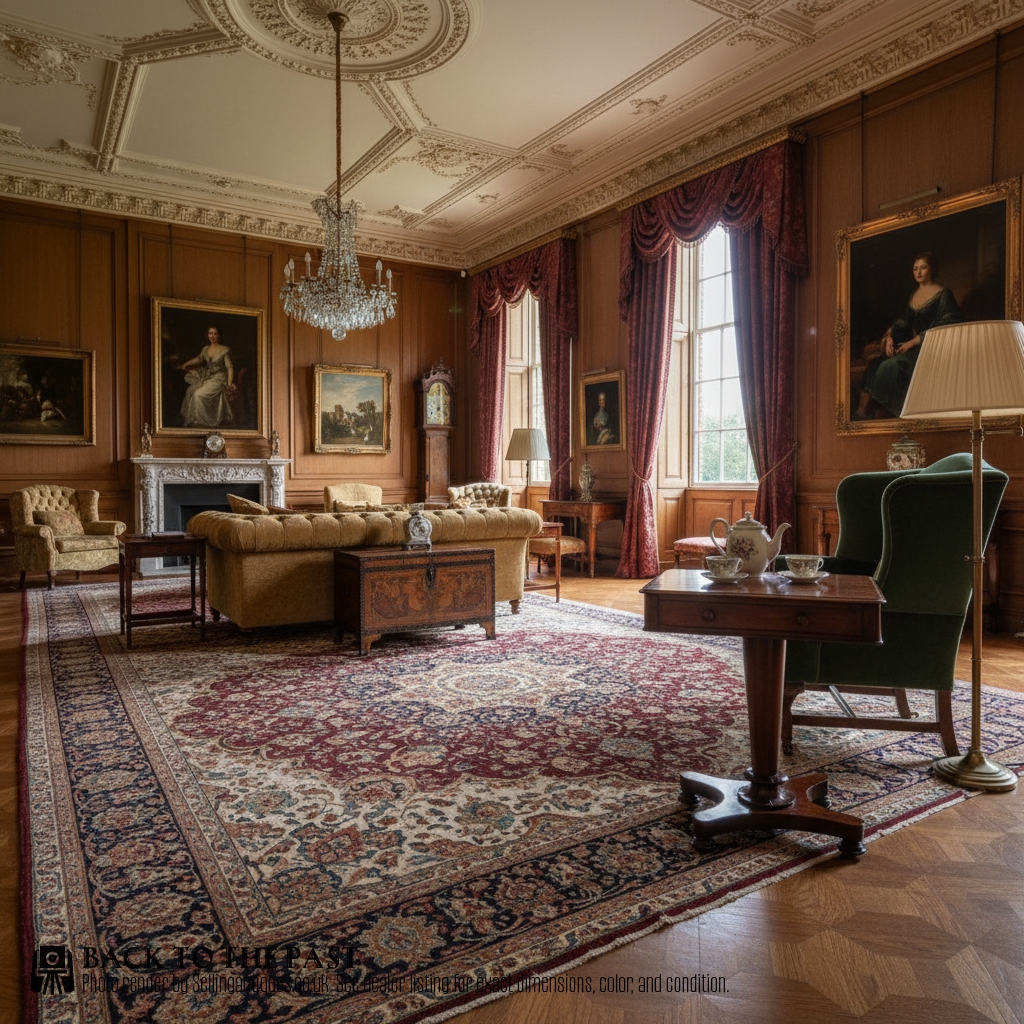
How they were made
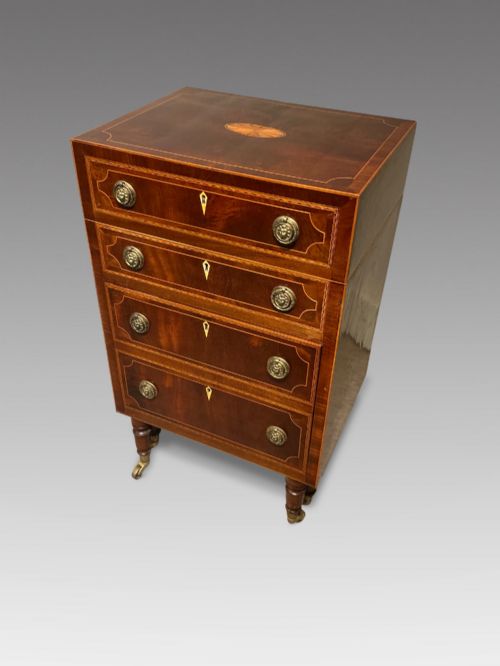
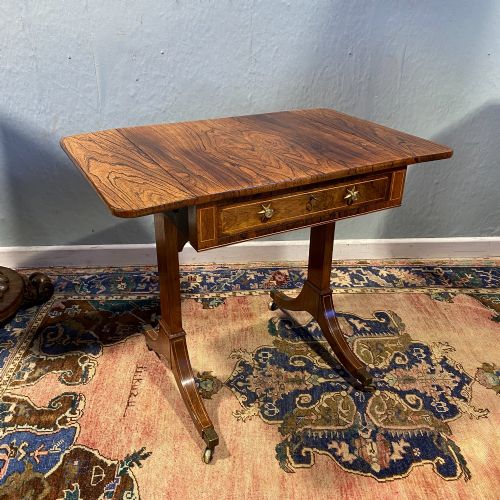
Cabinetmakers relied heavily on solid mahogany and rosewood, frequently applying figured veneers to the top surfaces to highlight natural wood grain. Brass inlays, boxwood stringing, and gilt accents were often added to enhance the borders and support columns.
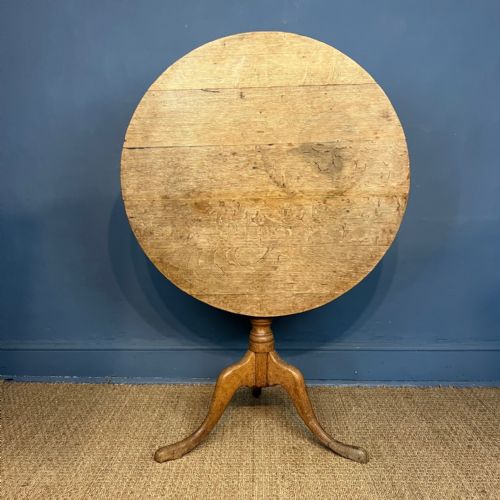
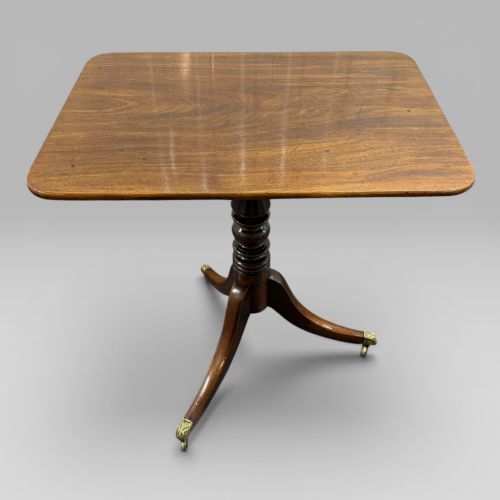
Construction techniques included tilt-top mechanisms supported by tripod legs or heavier platform bases with sabre supports. Joinery was built to withstand regular movement, while secondary timbers like cherry or walnut appear in internal frames.
Regency Pedestal Side Table Retail Price Guide 2026
Typical asking prices for regency pedestal side table among the pieces listed under this phrase on Sellingantiques today, from the lower quarter to the upper quarter. They describe what is for sale here now, not the wider market.
Common materials recorded across the available inventory include solid mahogany, rosewood, brass accents, and delicate wood inlay.
What varies in quality
The choice of timber creates a clear division in quality, with finely figured flame mahogany and richly grained rosewood commanding greater visual depth than plain secondary woods. Cabinetmakers who matched veneer patterns symmetrically across table tops achieved a more balanced, harmonious surface.
Carved details on the pedestal column and the execution of brass inlay or stringing show the hand of a skilled workshop rather than standard production. Structural stability in the tilt-top action and the original tightness of the central pillar joint also define a superior piece.
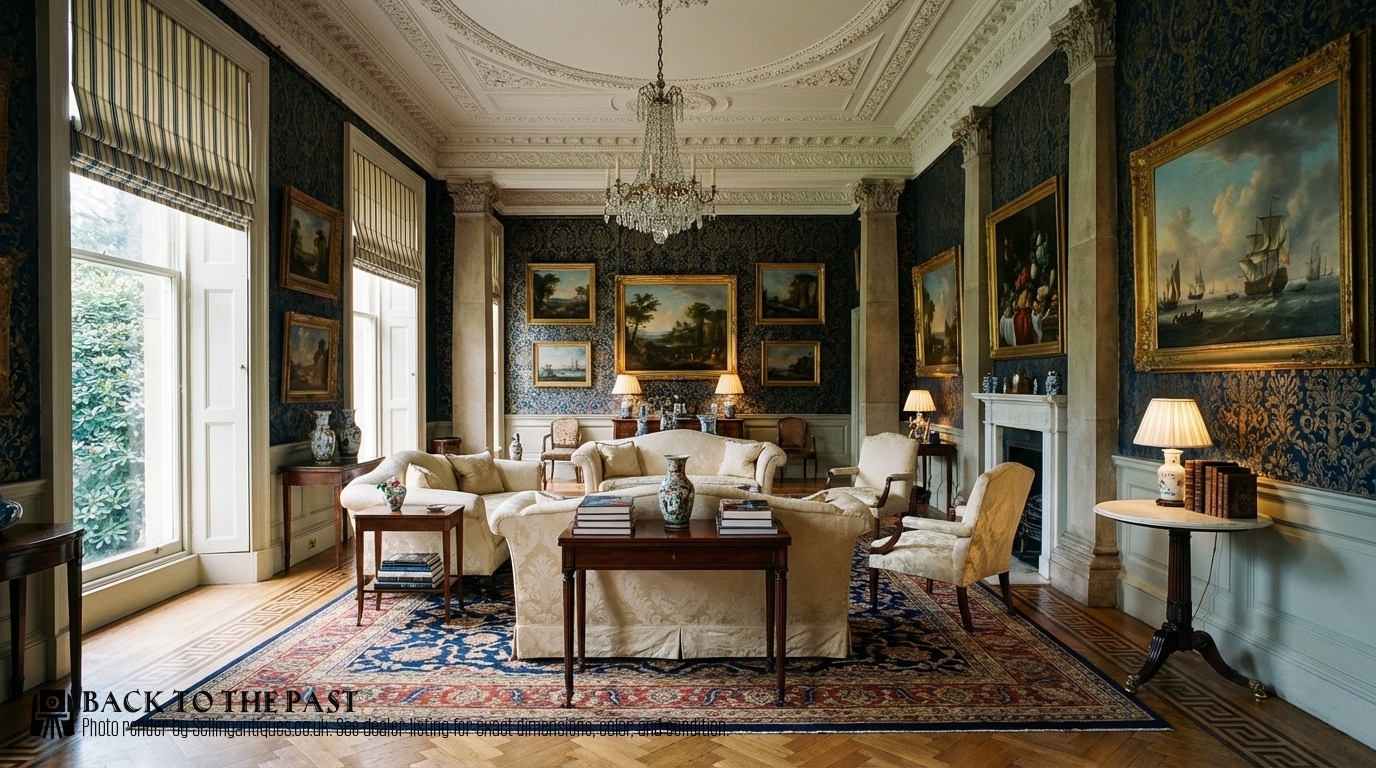
Gillow
The Regency Pedestal Side Table Glossary
- Pedestal table
- A table supported by a single central column rather than four corner legs. This construction allows for greater legroom and a compact footprint.
- Tilt-top
- A hinged table top that pivots to a vertical position when not in use. This mechanism allowed tables to be stored against walls to save space.
- Sabre leg
- A curved, outwardly splaying leg tapering toward the foot. It is characteristic of furniture from the Regency period.
- Flame mahogany
- Timber cut from the fork of the mahogany tree to produce a rippling, flame-like grain pattern. Cabinetmakers prized this figure for prominent table surfaces.
- Teapoy
- A small stand or box on a pedestal used to store tea caddies. These pieces often feature internal compartments for loose tea leaves.
Regency Pedestal Side Table: Frequently Asked Questions
How were regency pedestal side tables used originally?
These tables served various domestic functions depending on their top shape and internal fittings, acting as surfaces for serving tea, holding candles, or playing card games.
Many featured specific tops like fold-over leaves or tilt mechanisms, allowing servants to tuck them away against the walls when the room was cleared.
How do I spot a true regency period piece?
Look for the characteristic timber choices, such as figured mahogany and rosewood, combined with design elements like sabre legs and brass inlay. Construction methods, including hand-cut joints and older secondary woods, help confirm the age.
Later revival pieces from the Edwardian era often mimic these shapes but use different internal construction methods and modern fixings.
Will a tilt-top table wobble?
A well-made tilt-top table should lock securely into its horizontal position using its original brass catch or wooden wedge. Over time, the pivot mechanism can wear, so checking the stability of the central block is important for daily use.
When locked properly, the top sits firmly without excessive movement against the pedestal.
How do I care for rosewood and mahogany surfaces?
These timbers benefit from regular dusting with a dry, soft cloth and occasional application of traditional beeswax to nourish the grain. Direct sunlight and sudden temperature changes should be avoided to prevent the veneer from drying or cracking.
Using coasters and avoiding harsh chemical polishes preserves the original finish.