


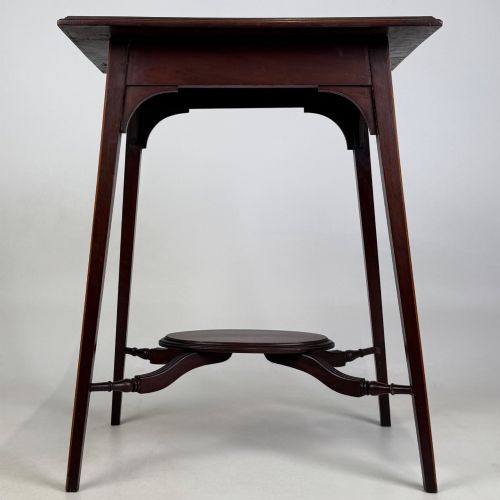
Dark Mahogany Occasional Table
These dark mahogany occasional table examples bring rich timber and compact utility to a room, offering sturdy surfaces for lamps, drinks, and books.
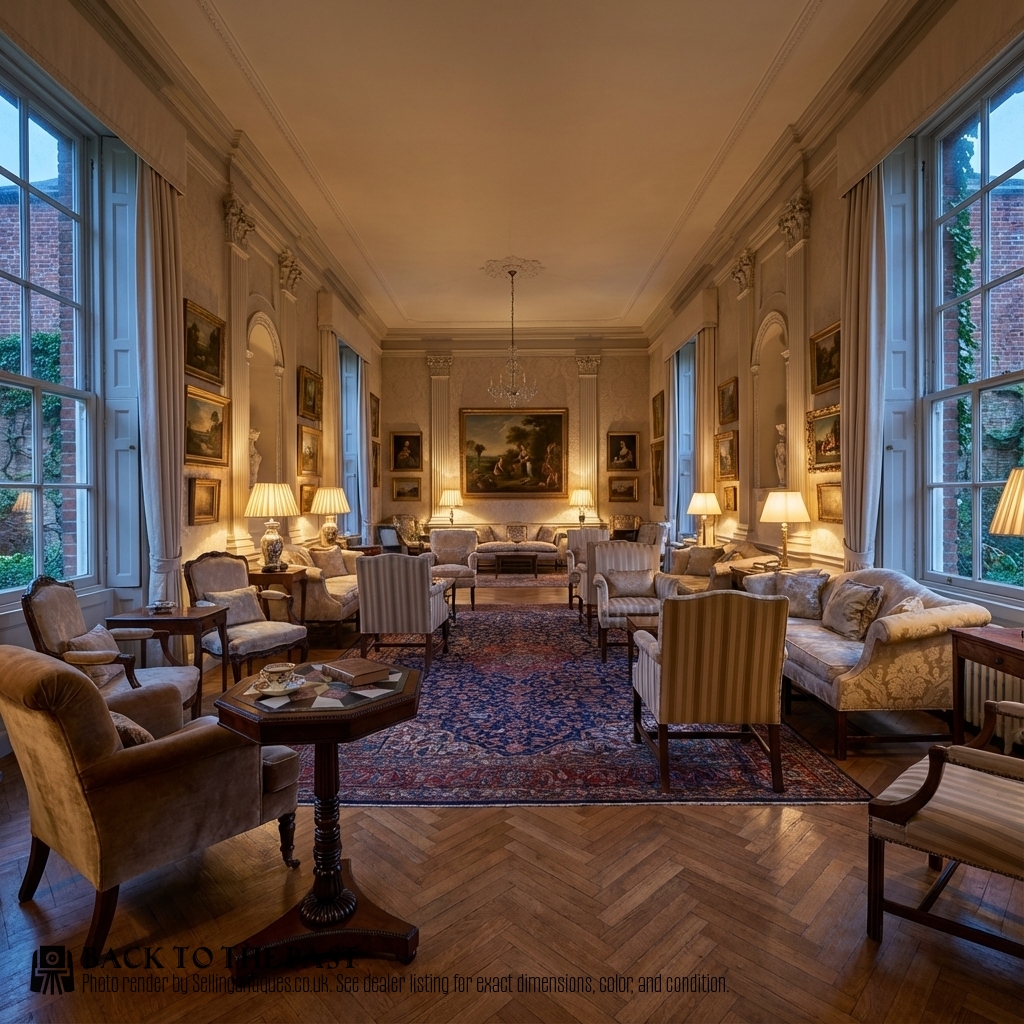
Dark Mahogany Occasional Table
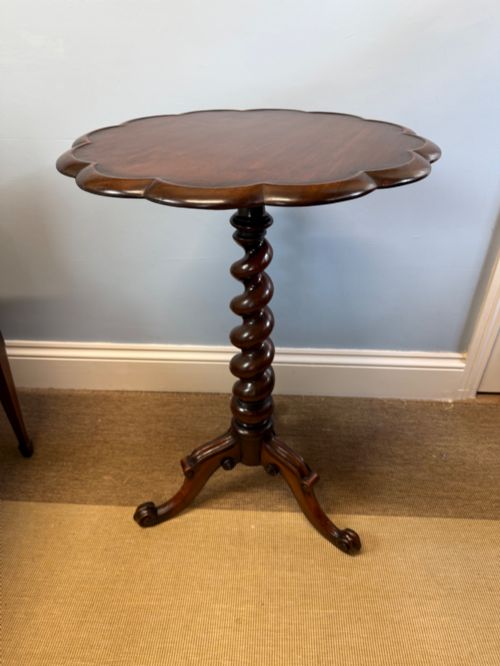
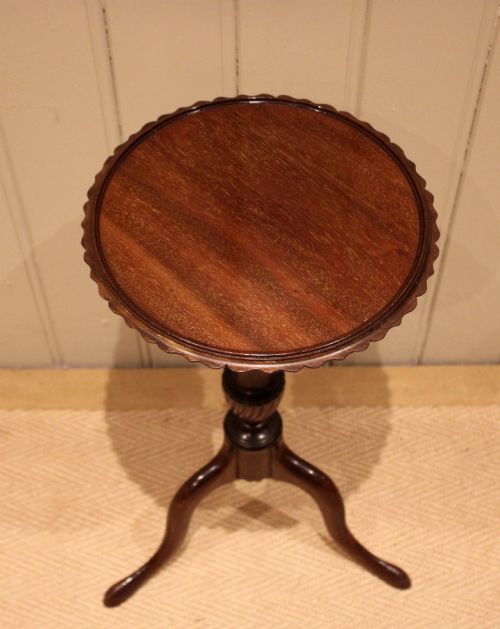
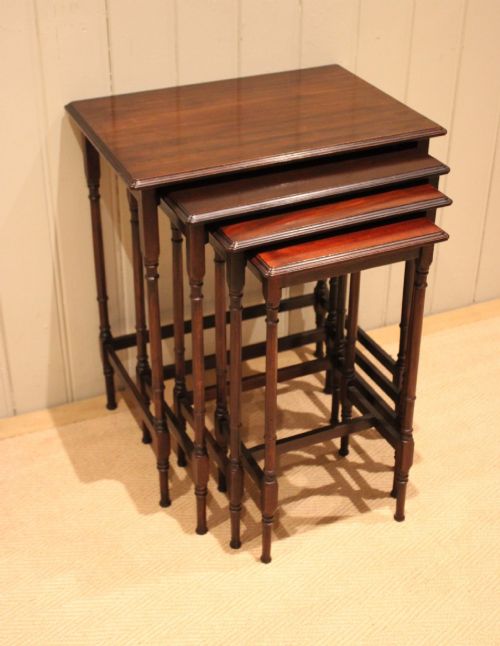
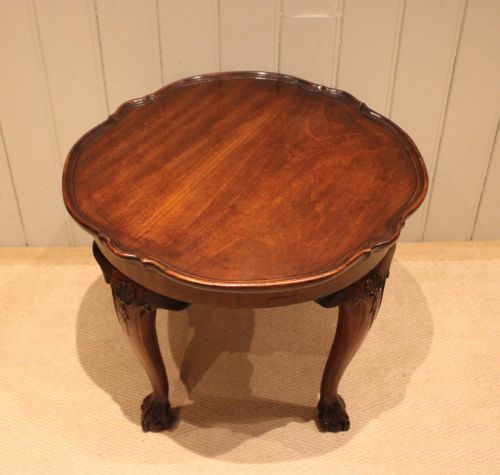
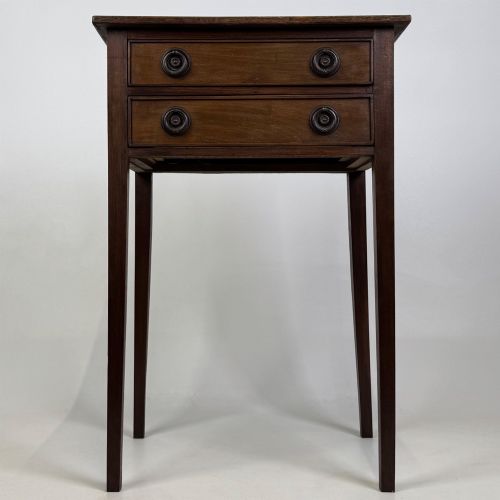
A dark mahogany occasional table is a versatile surface found in domestic interiors across multiple historic periods. When exploring this phrase, buyers encounter forms ranging from simple wine tables to nests of tables and drum tables.
The pieces on this page heavily feature Edwardian and Victorian designs, alongside earlier Georgian and Regency examples. These tables served various functions in sitting rooms and parlours, acting as movable stands for tea, candles, or decorative items.
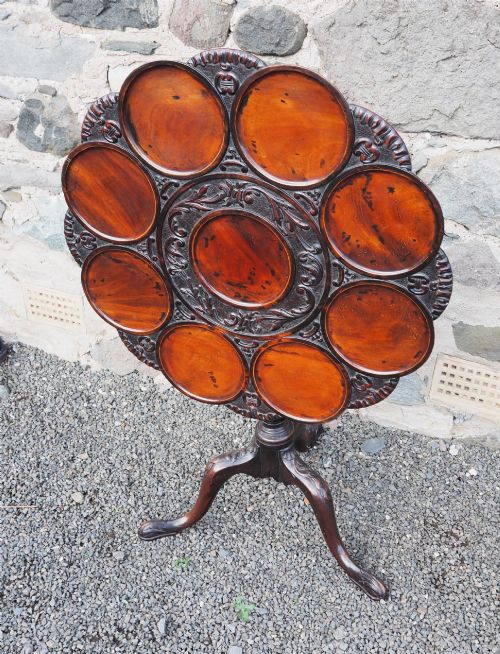
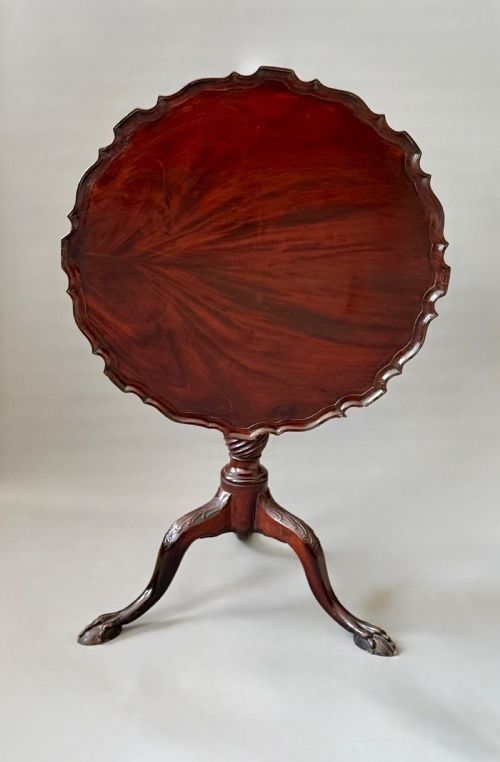
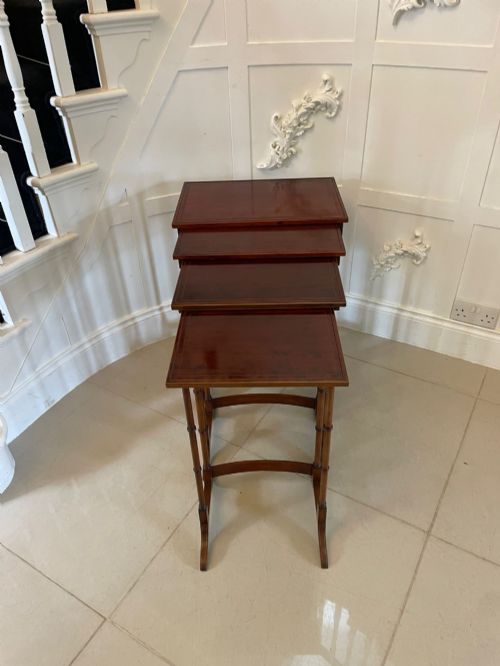
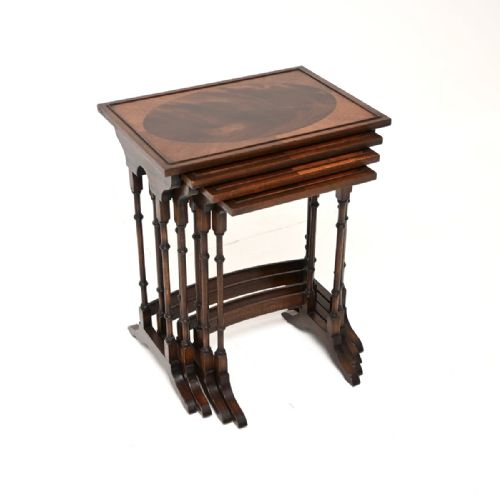
Common formats include tripod bases with tilt-top mechanisms, nests of four or five tables, and octagonal occasional tables. Each type reflects the shifting domestic habits of the eighteenth, nineteenth, and early twentieth centuries.
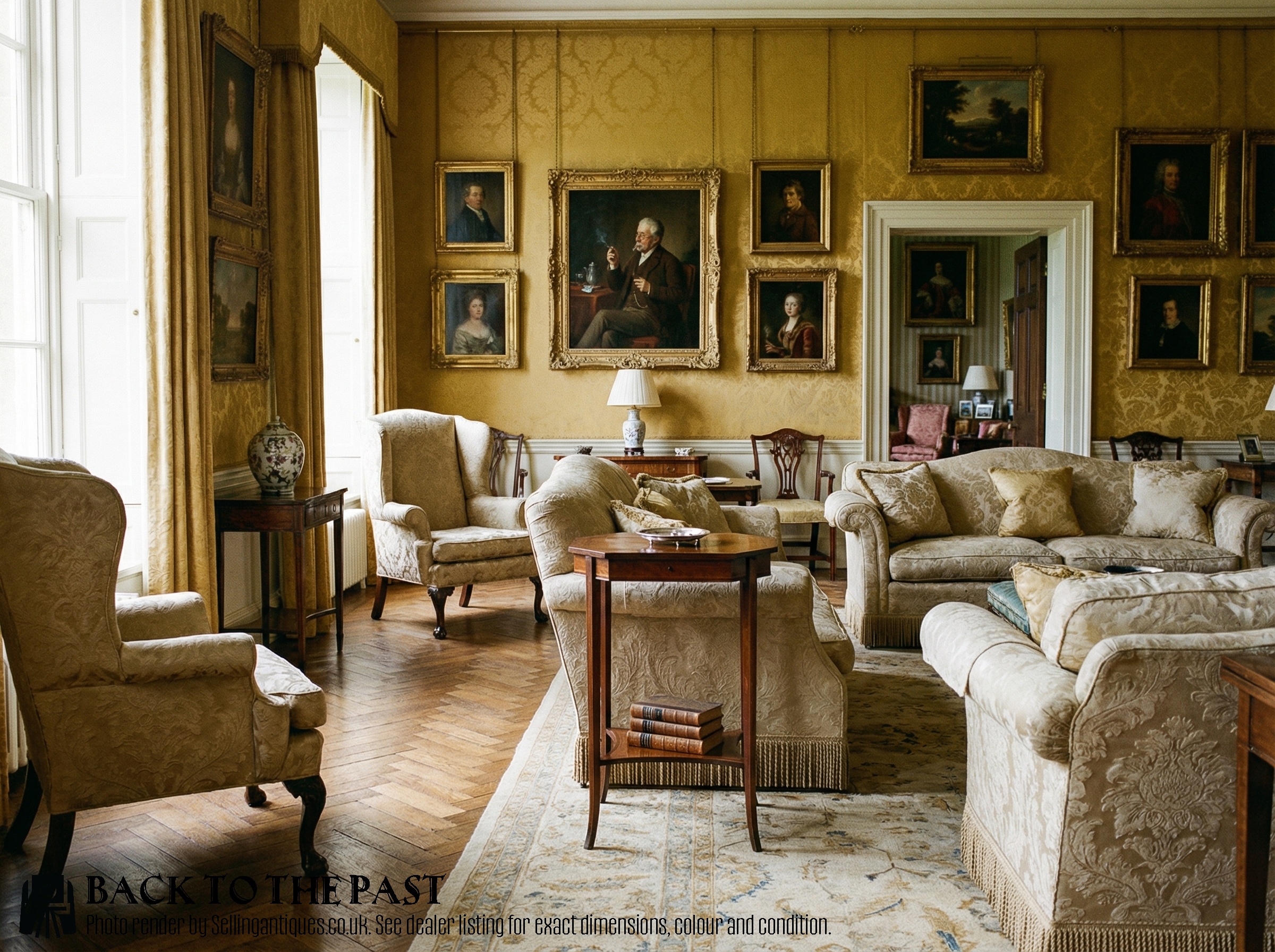
Assessing Quality and Execution
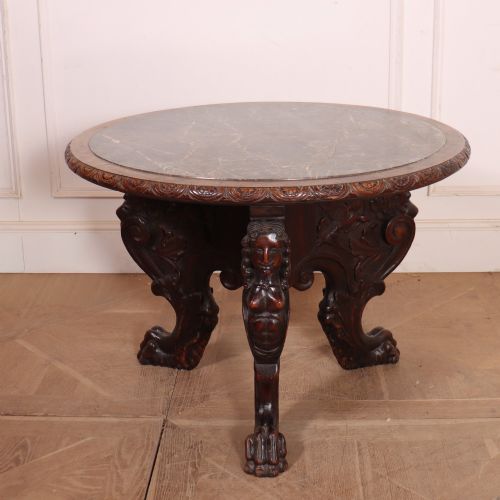
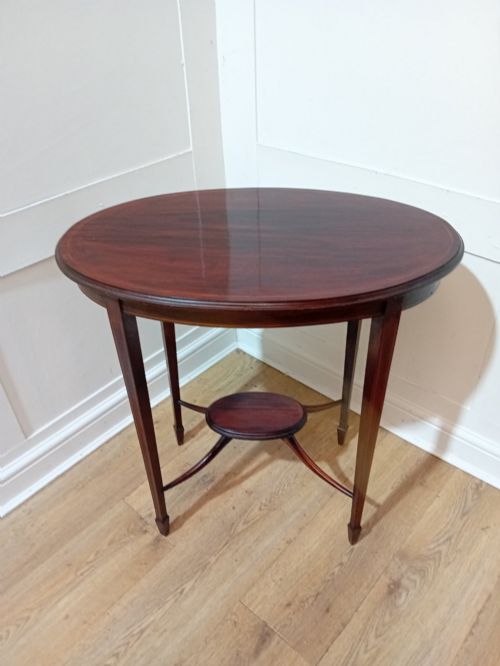
Quality rests in the selection of the mahogany timber and the crispness of any carved elements, such as pie crust edges or ball and claw feet. Superior examples display thoughtful grain matching across tabletops and robust joinery that keeps pedestals steady without wobble.
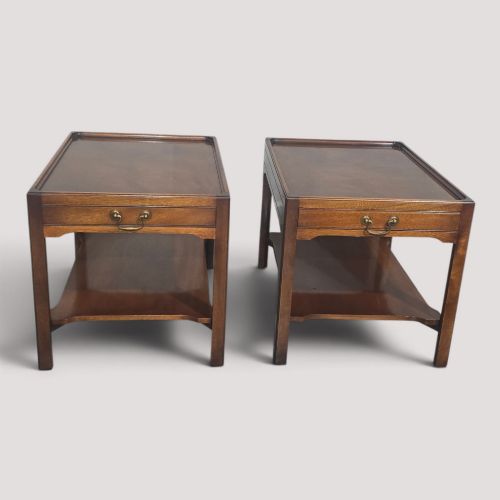
The refinement of brass hardware, the smooth operation of tilt-top birdcage mechanisms, and the integrity of inlaid wood distinguish high-end workshops from standard production pieces. Finer tables maintain their structural balance while exhibiting subtle proportions and clean lines.
Dark Mahogany Occasional Table Retail Price Guide 2026
Typical asking prices for dark mahogany occasional table among the pieces listed under this phrase on Sellingantiques today, from the lower quarter to the upper quarter. They describe what is for sale here now, not the wider market.
Some nineteenth-century wine tables feature tiny raised rims designed specifically to stop rolling decanters from crashing onto the carpet.
Gillow
The Dark Mahogany Occasional Table Glossary
- Tilt-top table
- A table with a hinged top that folds flat when not in use. This mechanism allowed the piece to be stored against a wall to save floor space.
- Tripod table
- A small freestanding table supported by three legs branching from a central pillar. These tables appeared frequently in eighteenth and nineteenth-century parlours.
- Wine table
- A compact single-pillar table designed to hold a glass and bottle during social gatherings. They often feature circular tops and slender pedestals.
- Nest of tables
- A set of graduated tables designed to slide one beneath another. Edwardian makers produced these in sets of four or five for flexible entertaining.
- Birdcage mechanism
- A revolving wooden framework beneath a tilt-top table that permits the surface to both rotate and tip. This feature indicates careful cabinetmaking.
Dark Mahogany Occasional Table: Frequently Asked Questions
What is a dark mahogany occasional table used for?
These tables served primarily as movable surfaces for lamps, tea service, and small decorative objects in period drawing rooms.
Today, they function well beside armchairs or sofas to hold everyday items without dominating the room's floor space.
How do I tell an 18th-century table from a later revival piece?
Eighteenth-century examples display hand-cut joinery, timber shrinkage patterns, and specific carving styles aligned with Georgian design standards.
Revival pieces from the Victorian and Edwardian eras often use standardised machine-cut components and different secondary woods beneath the mahogany veneer.
How do I care for mahogany surfaces?
Mahogany benefits from occasional dusting with a soft, dry cloth and minimal exposure to direct sunlight or heavy moisture.
Avoiding silicone polishes preserves the natural depth of the timber finish over decades of domestic use.
What is a tilt-top mechanism?
A hinge arrangement beneath the tabletop allows the surface to pivot into a vertical position when not in active service.
This historical feature made it simple to clear floor space in crowded nineteenth-century parlours.