






Antique Spider Leg Table
An antique spider leg table offers delicate proportions and ingenious folding mechanisms, serving as a versatile surface for intimate spaces.

Antique Spider Leg Table
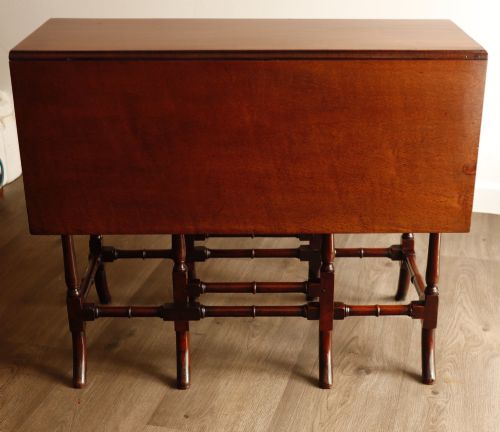
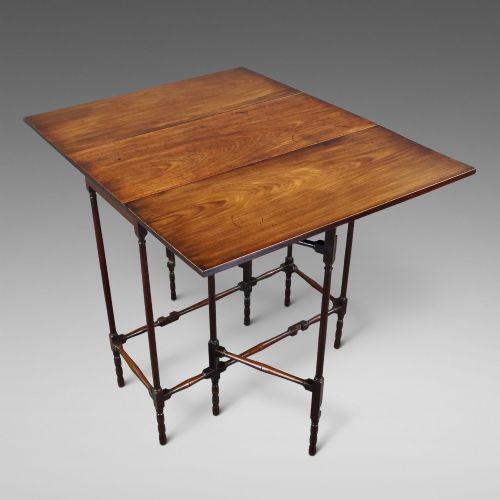
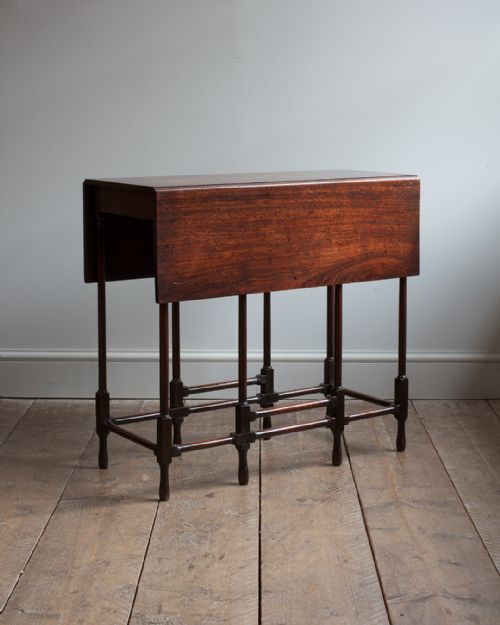
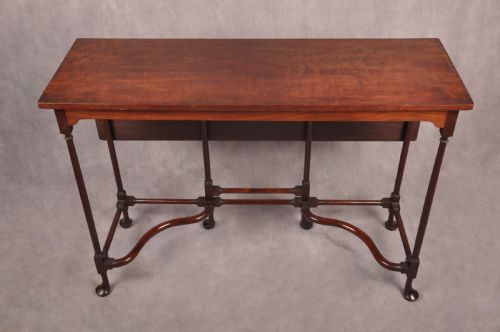
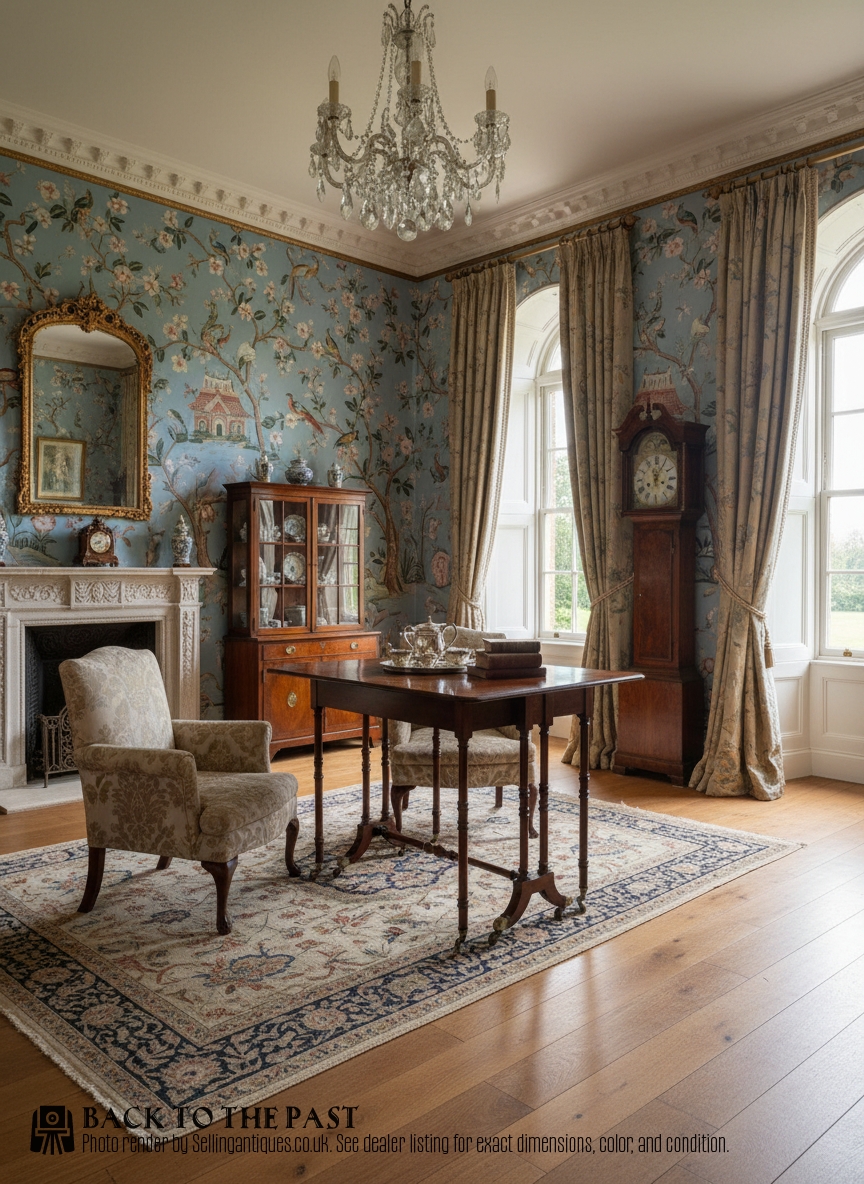
An antique spider leg table is a slender, lightweight folding table characterised by remarkably thin turned uprights that resemble the legs of a spider. These pieces typically take the form of drop leaf tables, occasional tables, or gate leg tables designed to occupy minimal floor space when closed.
The versions most commonly met on this page date from the Georgian and 18th century periods, constructed primarily in mahogany with drop flap leaves or gate leg actions. Edwardian and later 19th century examples also appear, offering similar slender profiles adapted as tea tables or nests of tables.
Buyers seek out an antique spider leg table for its exceptional grace and practicality in smaller rooms. The combination of diminutive structural members and functional folding leaves provides a distinct aesthetic that bridges decorative display and everyday utility.

What varies in quality
The structural integrity of the delicate turned legs distinguishes superior examples from lesser pieces, as the thin timber must bear the weight of the drop leaves without excessive wobble. Fine specimens display crisp, evenly turned spindles and tight joints that maintain alignment through repeated folding.
The choice and figuring of the mahogany timber dictate the visual appeal of the top and leaves. Higher quality pieces utilise well-matched grain patterns and retain smooth, original patination across the folding surfaces.
Antique Spider Leg Table Retail Price Guide 2026
Typical asking prices for spider leg table among the pieces listed under this phrase on Sellingantiques today, from the lower quarter to the upper quarter. They describe what is for sale here now, not the wider market.
Forms on this page range from simple drop leaf occasional pieces and Pembroke tables to nests of oval tables and wine tables.
The Antique Spider Leg Table Glossary
- Spider leg
- A term describing furniture with exceptionally slender, finely turned uprights that support a table top. This construction allows for a lightweight frame, frequently paired with folding mechanisms.
- Drop leaf table
- A table with a fixed central section and hinged flaps on either side that fold down to save space. When raised, these leaves are supported by swing-out legs or gate actions.
- Gate leg table
- A table featuring hinged legs that swing outward like a gate to support drop leaves. This mechanism provides sturdy support for an extended surface while folding flat when not in use.
- Pembroke table
- A form of small rectangular table featuring two hinged drop leaves on the long sides. They often include a small drawer and slender legs suited for occasional use.
- Patina
- The surface sheen and colour developed by timber over decades of handling, exposure to light, and polishing. It serves as an indicator of age and continuous use.
Antique Spider Leg Table: Frequently Asked Questions
What is a spider leg table?
A spider leg table is a lightweight, slender antique table defined by exceptionally thin turned wooden legs. They are designed with folding leaves to provide a functional surface that takes up minimal space.
Most examples found here date from the 18th century through the Georgian and Edwardian eras, constructed primarily in mahogany with drop leaf or gate leg configurations.
How were spider leg tables used?
Historically, these tables served as versatile occasional surfaces for tea, writing, or needlework in formal reception rooms. Their light weight allowed them to be easily moved around a room as needed.
When the leaves were folded down, the tables could be tucked against a wall to clear the floor space, making them practical for smaller domestic interiors.
Are spider leg tables stable enough to use?
Despite their fragile appearance, well-made antique examples are structurally sound when handled with reasonable care. The gate leg or swing actions distribute weight evenly across the slender uprights.
Owners should avoid placing excessive heavy loads on the drop leaves and ensure the swing legs are fully extended to maintain balance during daily use.