

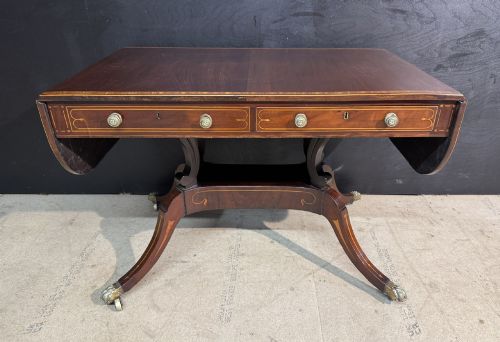
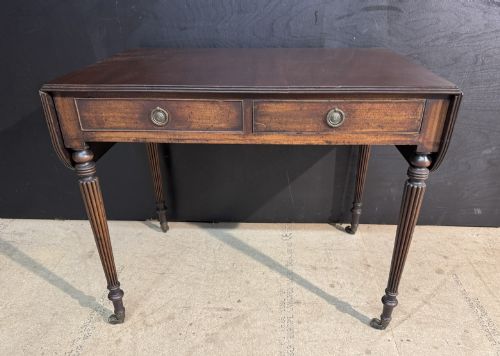
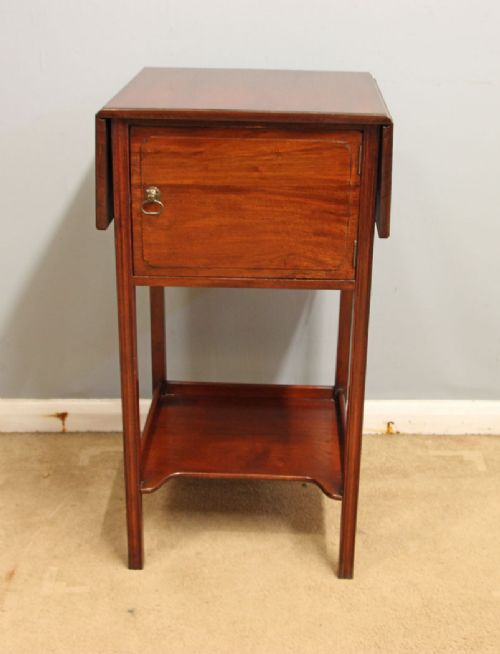
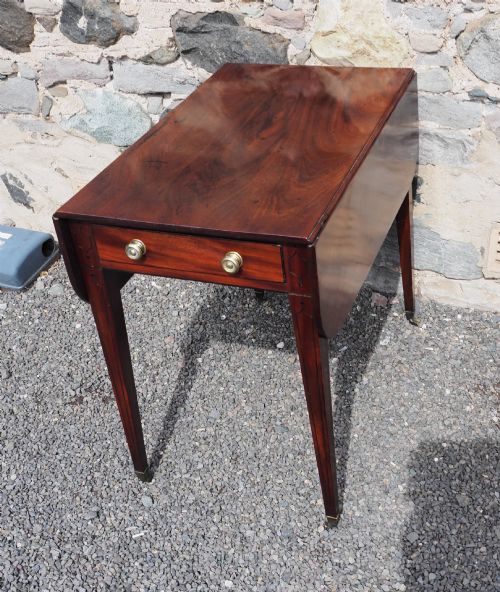
Georgian Mahogany Drop Leaf
Georgian mahogany drop leaf tables offer practical folding surfaces and rich cabinet timber, making them versatile additions to traditional and modern rooms.
What these pieces are
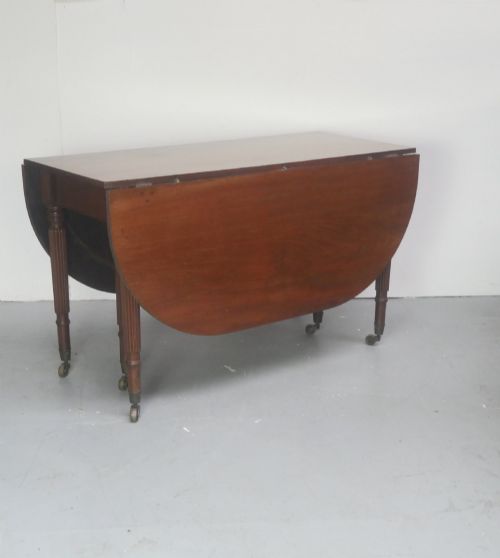
When you search for georgian mahogany drop leaf, you encounter versatile folding tables designed for dining, occasional use, and side placement. The inventory spans the Georgian period, 18th century, 19th century, and 1920.
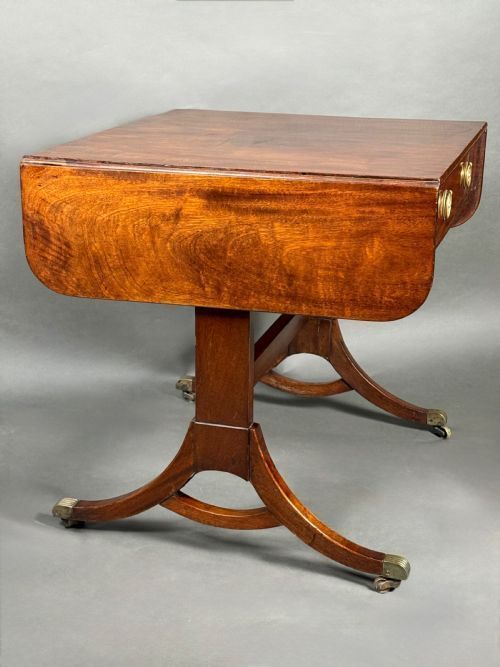
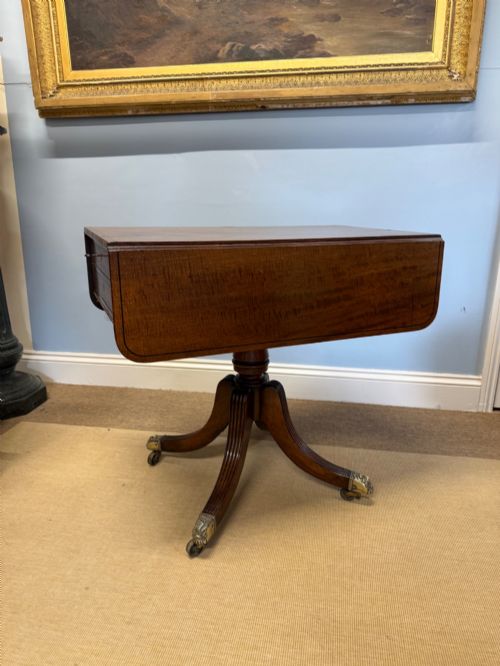
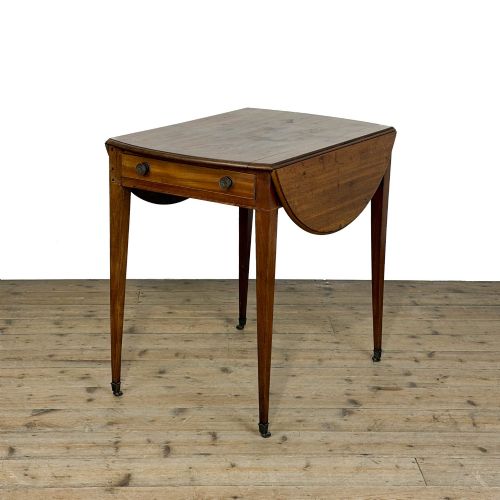
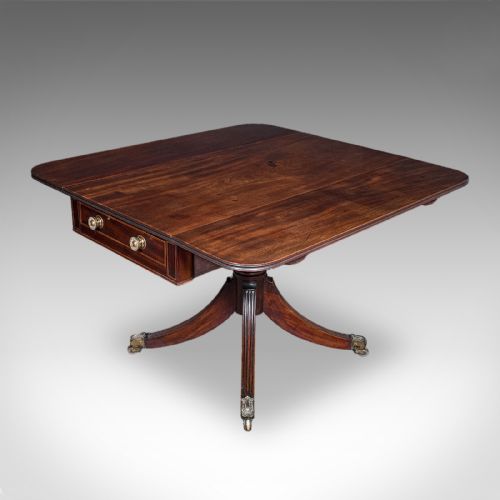
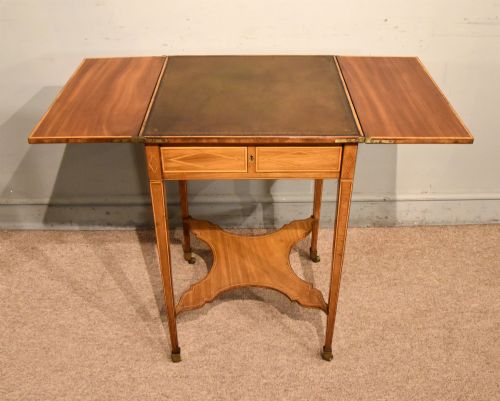
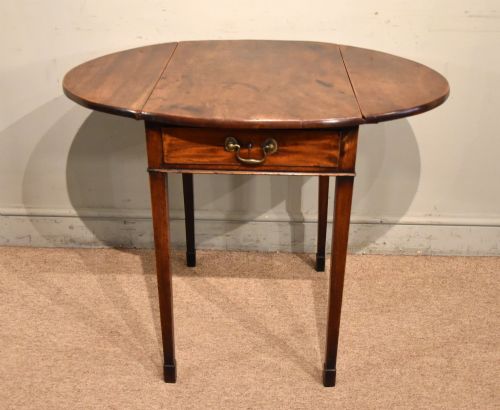
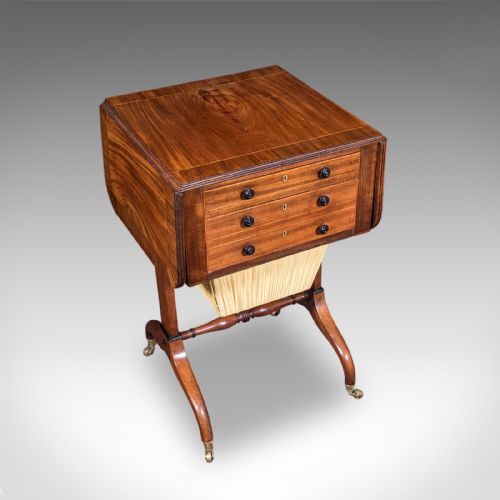
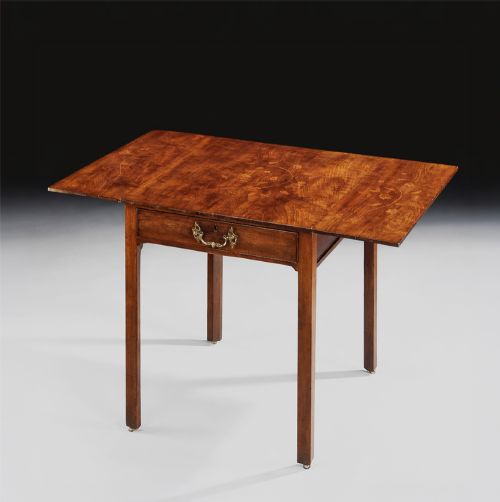
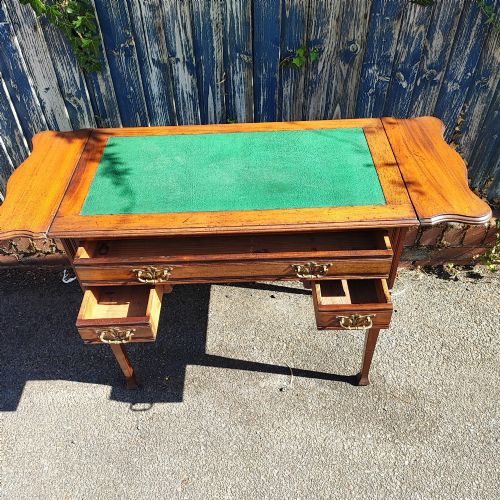
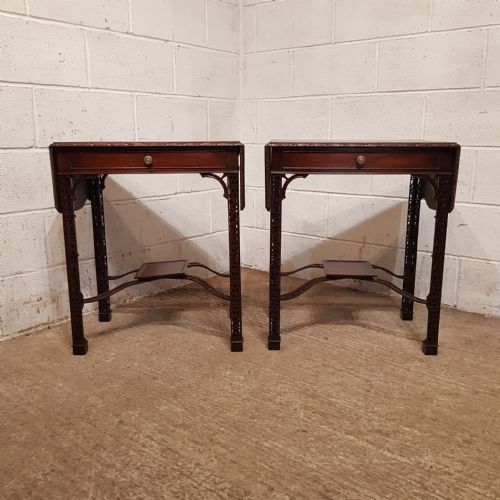
Forms include large oval and round dining tables, gateleg tables, console tables, and smaller Pembroke or spider leg tables with drawers. Many examples originate from the Georgian era or incorporate Georgian style details.
Buyers select these pieces for flexible room layouts, allowing flaps to drop when floor space is required.
What varies in quality
Quality rests in the choice of timber density, the crispness of pad or ball and claw foot carvings, and the stability of the folding mechanism. Superior examples display dense Cuban mahogany and refined proportions in the drop leaves and aprons.
Lesser pieces show simpler turnings, plain timber selection, or heavier gateleg framing that lacks the elegance of finer 18th century workshops.
Retail Price Guide 2026
Typical UK retail prices for georgian mahogany drop leaf, calculated from the Sellingantiques database of over a million retail prices indexed since 2003. This retail price guide relies exclusively on Sellingantiques data; no external sources or auction records are used, so the figures do not describe the wider market.
Spider leg tables give the impression of delicate insects holding up your afternoon tea.
The Georgian Mahogany Drop Leaf Glossary
- Drop leaf
- A table with a fixed central section and hinged flaps that fold down to save space. These flaps are supported by swing legs or gates when raised.
- Pembroke table
- A small occasional table featuring two hinged drop leaves on opposing sides and frequently a single drawer. They served varied functions in bedrooms and sitting rooms.
- Gateleg table
- A table with hinged legs that swing out like a gate to support the drop leaves. This design provides sturdy support for large oval and round dining surfaces.
- Pad foot
- A simple, rounded foot shape resting flat on the floor, commonly seen on 18th century dining and occasional tables. It offers a clean termination to the vertical leg.
- Spider leg
- A table base formed of very slender, turned wooden legs linked by stretchers. This delicate frame supports small occasional and Pembroke tables.
Frequently Asked Questions
How are drop leaf tables used?
These tables function as compact side or console surfaces when the flaps are lowered against the sides. Raising one or both leaves transforms them into dining tables or occasional workspace.
Their adaptable footprint suits smaller rooms and period homes where floor space changes throughout the day.
What is a Pembroke table?
A Pembroke table is a compact form featuring two hinged drop leaves and a central drawer. They appear frequently in mahogany across the 18th and 19th centuries.
Cabinetmakers designed them for light daily tasks, utilising slender legs and occasional stretchers for support.
How do gateleg tables work?
Gateleg tables rely on hinged legs that pivot outward from the frame to bear the weight of the open flaps. This mechanism distributes weight evenly across the structure.
When closed, the swing legs fold back neatly beneath the fixed centre top.