
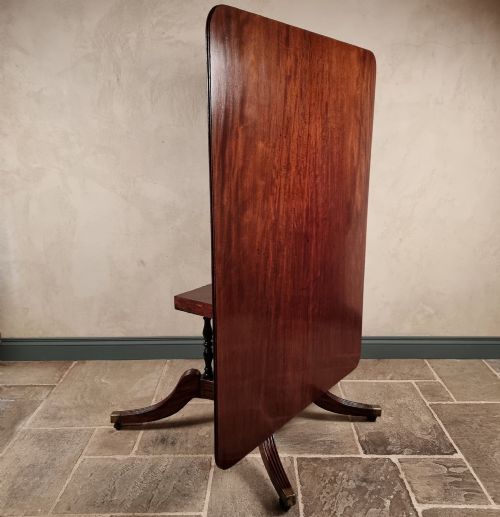
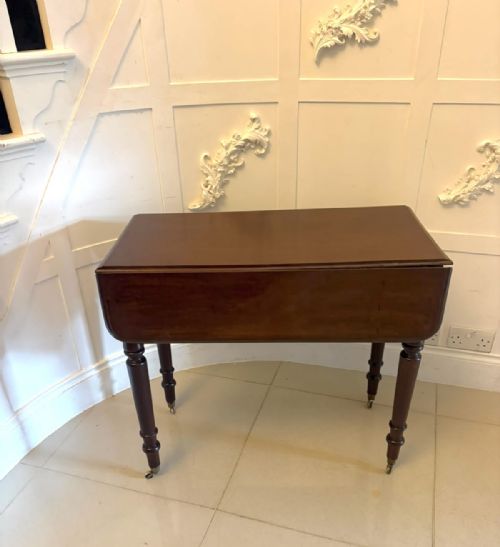
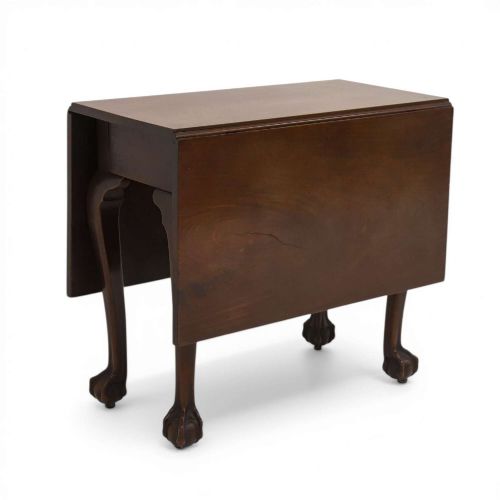
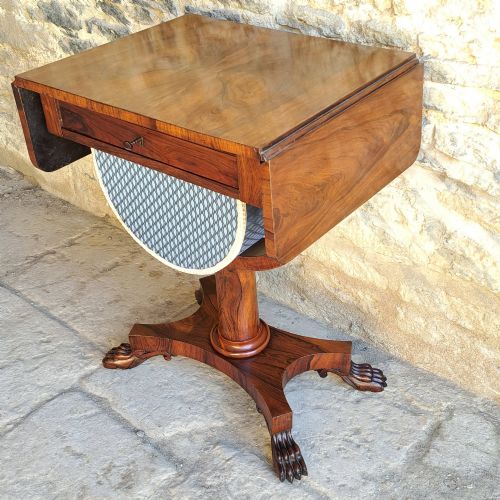
Dark Wood Drop Leaf
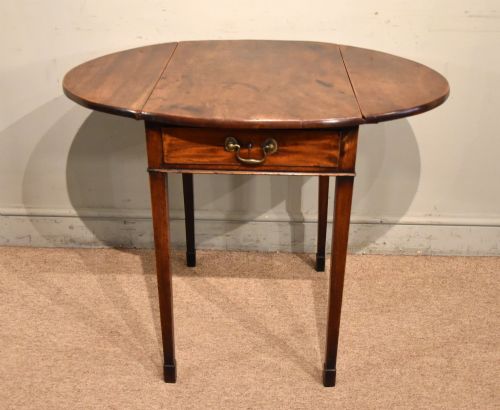
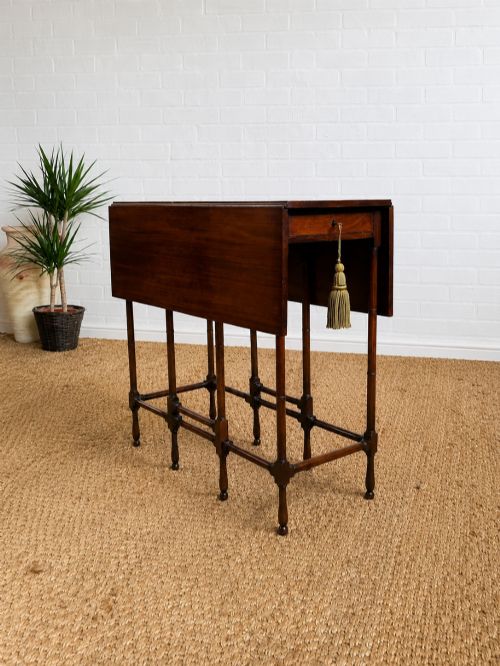
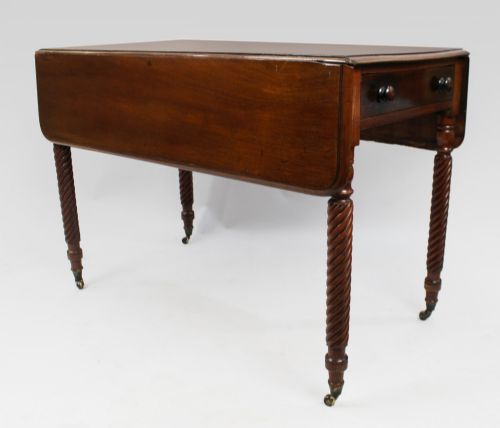
These dark wood drop leaf tables are robust side and sofa tables crafted from rich timbers, offering practical folding surfaces for any room.

What They Are
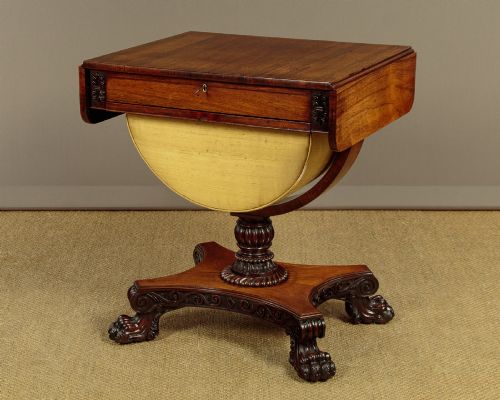
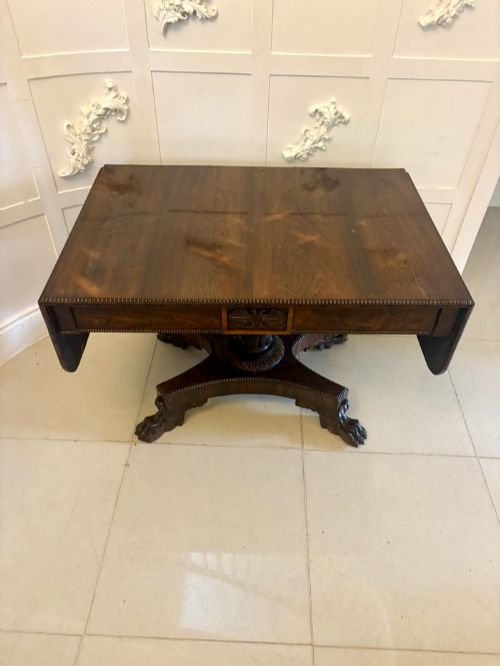
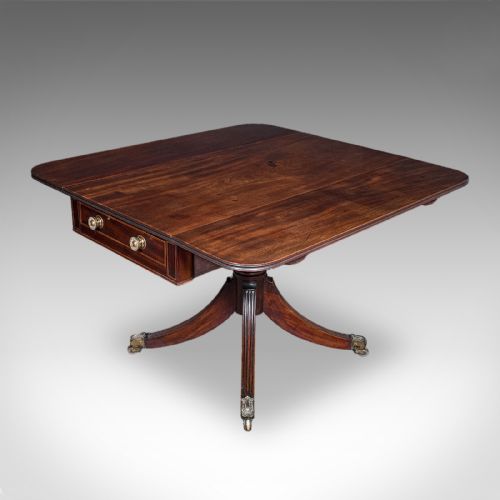
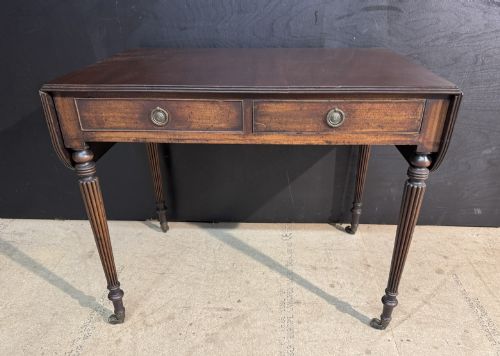
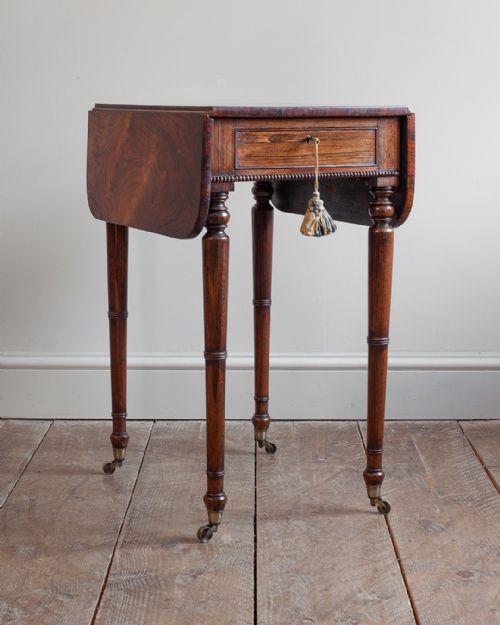
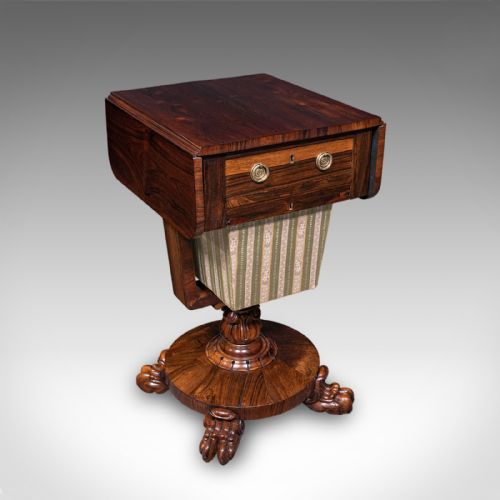
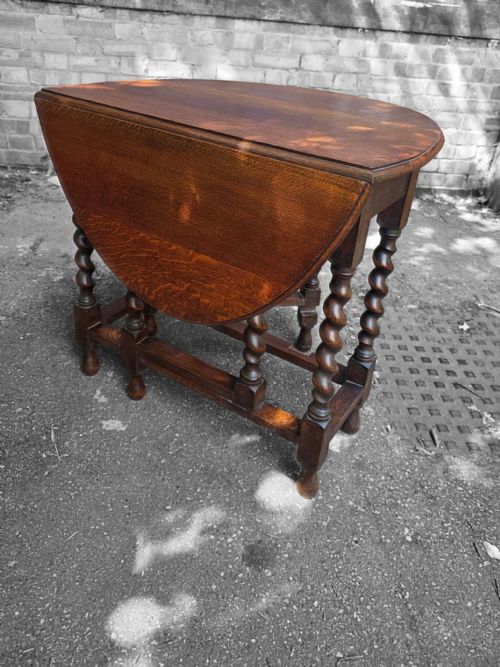
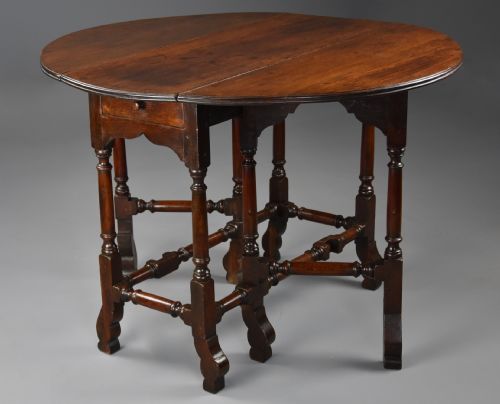
When you search for dark wood drop leaf, you encounter tables designed with hinged flaps that raise to expand the surface area and drop down when space is tight. The selections span the Georgian, Regency, and nineteenth century periods, demonstrating how versatile these folding forms remained across eras.
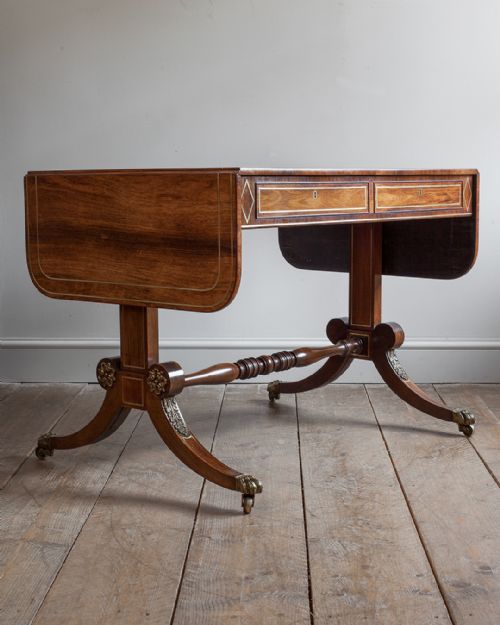
The assortment on this page concentrates on side tables, occasional tables, and sofa tables. These pieces utilise substantial timbers like mahogany and rosewood, serving practical functions in domestic interiors since the eighteenth century.
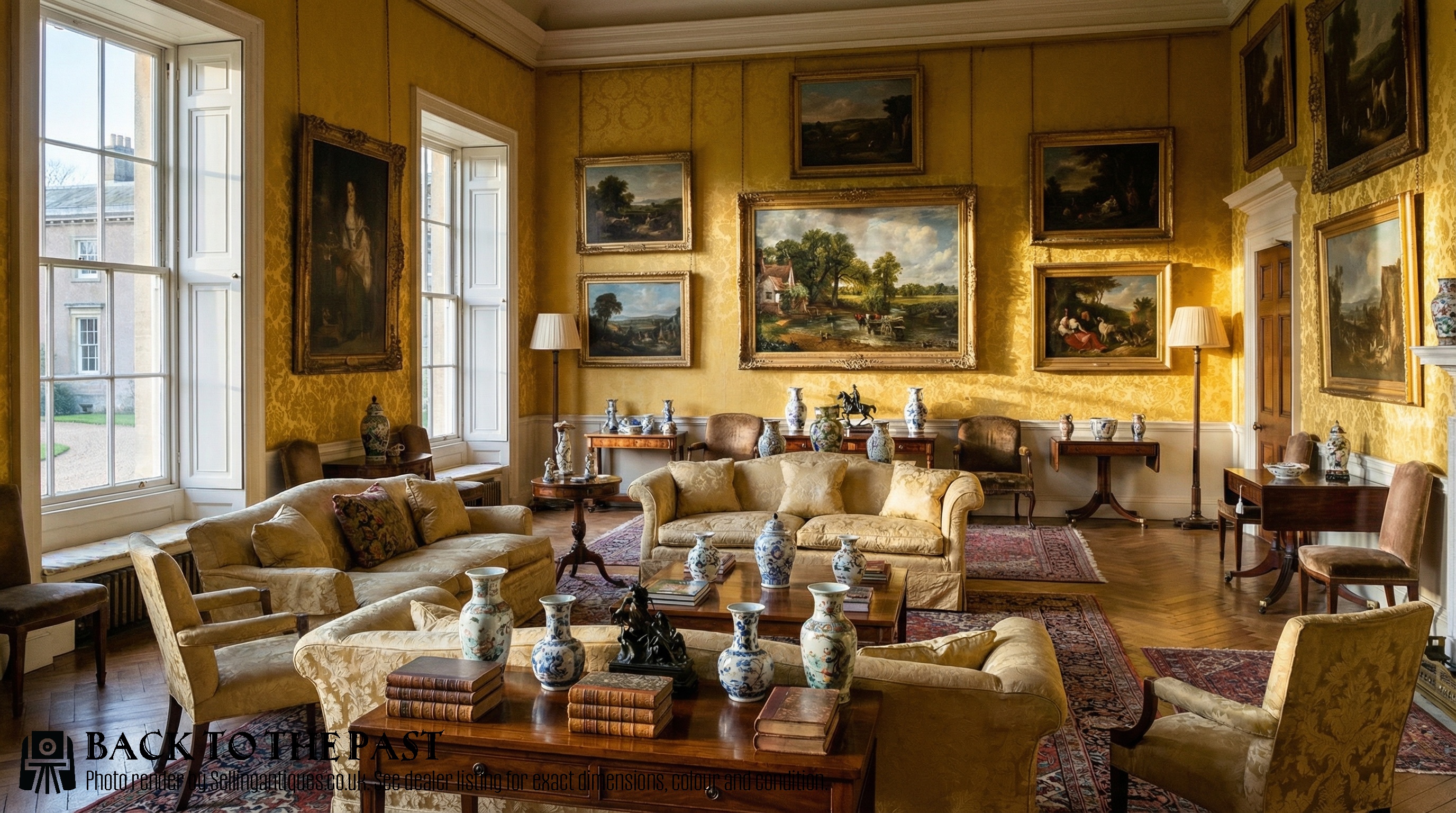
How They Were Made
Cabinet makers utilised dense timbers such as mahogany and rosewood for the main structures and tabletops, often incorporating contrasting boxwood stringing or ebonised wood details. These rich woods provided a durable surface capable of taking a fine polished finish.
The hinged flaps required precise joinery to ensure the drop leaves aligned smoothly with the fixed centre top when raised. Metal components like brass fixtures frequently supported the folding leaves or reinforced the pedestals and legs.
Retail Price Guide 2026
Typical UK retail prices for dark wood drop leaf, calculated from the Sellingantiques database of over a million retail prices indexed since 2003. This retail price guide relies exclusively on Sellingantiques data; no external sources or auction records are used, so the figures do not describe the wider market.
The listings feature pieces spanning the Georgian, Regency, and nineteenth century periods.
What Varies Across the Range
Quality rests upon the selection of timber figure and the precision of the cabinetwork in the folding mechanisms and joints. Tables displaying carefully matched wood grain across the drop flaps and main top sit at the higher end of the range.
The refinement of the supporting pedestals, legs, and brass accents dictates the overall elegance of the piece. Simpler utility versions contrast with finely carved or inlaid examples from the Regency and Georgian eras.
The Dark Wood Drop Leaf Glossary
- Drop leaf
- A table with a fixed centre section and hinged flaps that fold down to save space. These leaves are supported by swing legs or brackets when raised.
- Sofa table
- A narrow occasional table traditionally placed in front of a sofa, featuring drop leaves at either end. They often incorporate drawers and double pedestal bases.
- Mahogany
- A durable, reddish-brown tropical hardwood favored by cabinet makers for its rich grain and stability. It took a high polish and resisted warping.
- Rosewood
- A heavily grained, dark timber with distinctive purplish-black markings, utilised in high-status nineteenth century furniture. Its striking appearance made it popular for Regency sofa tables.
- Pedestal
- A central column supporting the tabletop, frequently resting on splayed legs with brass terminals. This structural form leaves floor space clear around the base of the table.
Frequently Asked Questions
How do I identify a Regency table?
Regency tables typically display classical proportions, dark exotic timbers like rosewood or mahogany, and brass mounts or paw feet. The influence of Greek and Roman design is often visible in the pillar supports and leg structures.
Cabinet makers during this period focused on clean architectural lines combined with rich wood grain, occasionally adding brass inlay or ebonised details to highlight the form.
Where should I place a sofa table?
Sofa tables were originally designed to stand directly behind a sofa, though today they function well as hallway consoles or slim desks. Their narrow profile ensures they fit comfortably in tighter spaces without obstructing walkways.
When the drop leaves are raised, these tables offer extra surface area for lamps and decorative objects, making them versatile additions to living areas.
How do I care for dark wood furniture?
Dark wood furniture benefits from regular dusting with a soft, dry cloth to protect the polished finish from abrasive particles. Avoiding direct sunlight and extreme temperature changes prevents the timber from drying out or fading.
Applying a quality wax occasionally helps nourish the mahogany or rosewood surfaces and maintains their natural lustre without building up heavy residues.