


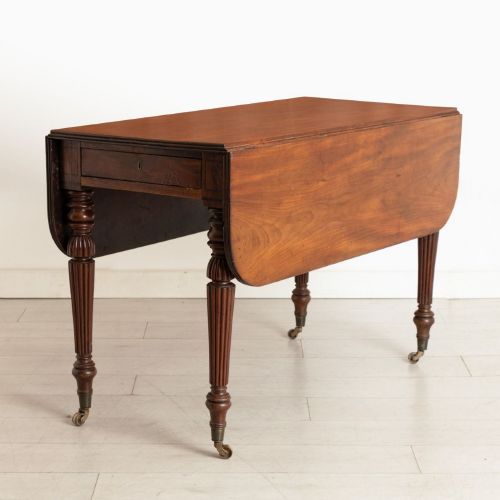
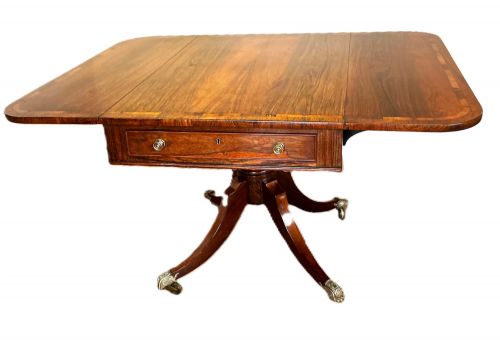
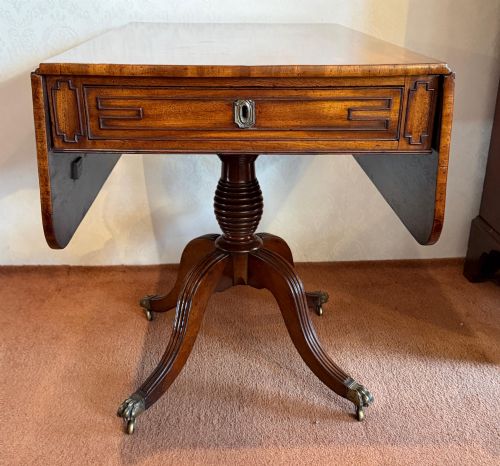
Brass Castor Sofa Table
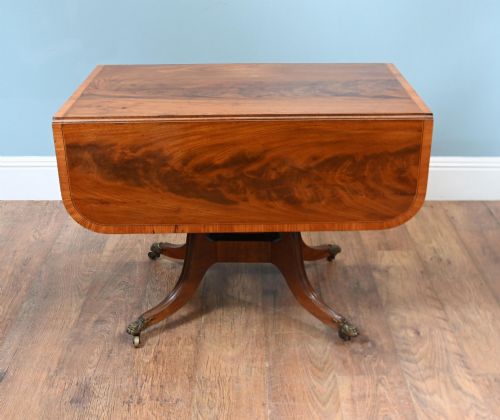
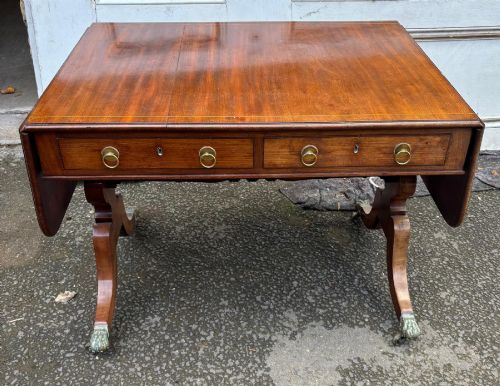
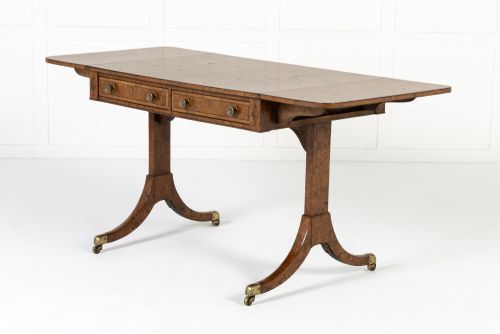
A brass castor sofa table is a drop-leaf occasional piece designed for the centre of a room, combining fine timbers with mobile supports.
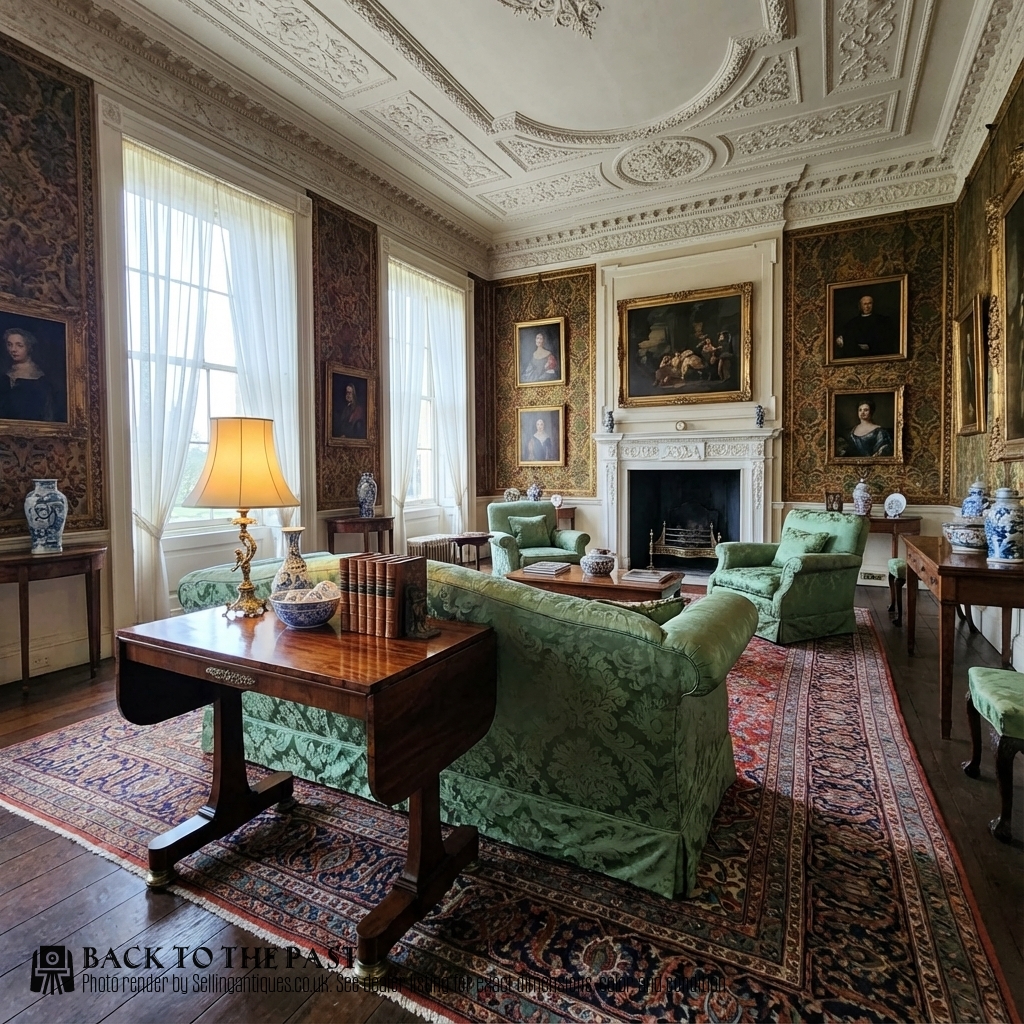
Brass Castor Sofa Table
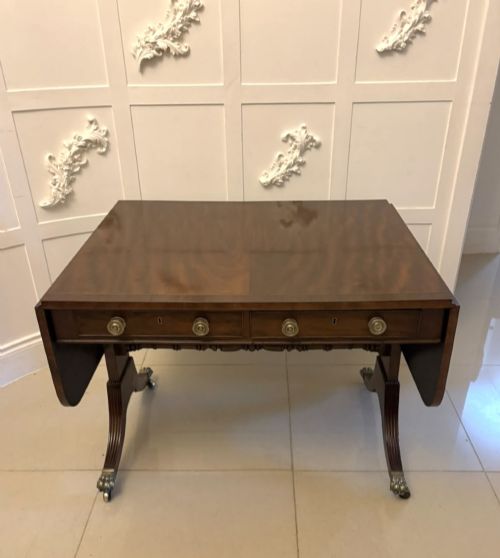
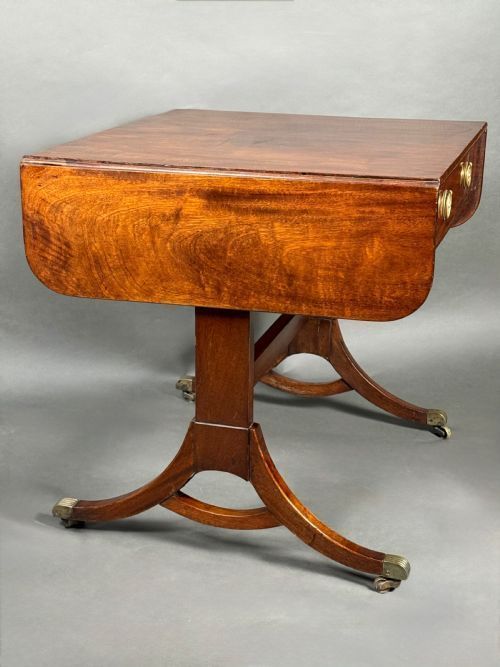
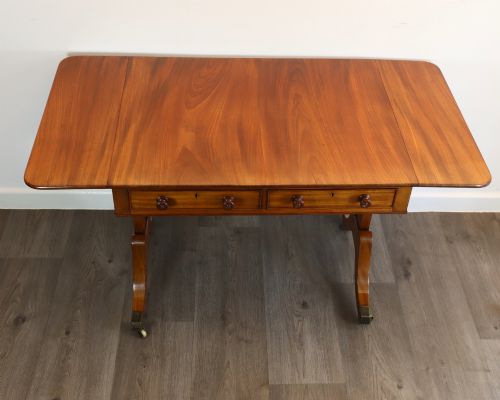
A brass castor sofa table is a versatile drop-leaf form primarily found in Regency, Georgian, and Victorian periods. These pieces were originally positioned in front of sofas or used for writing and needlework in the middle of a drawing room.
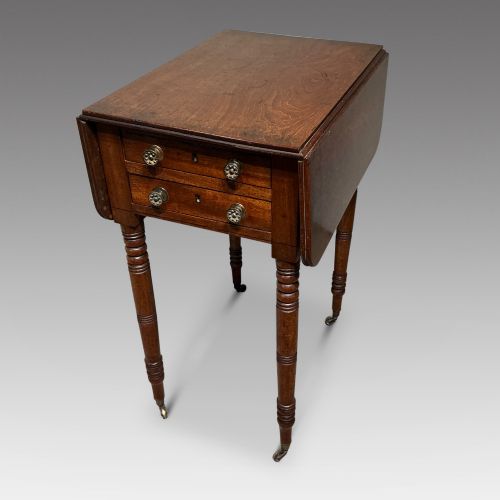
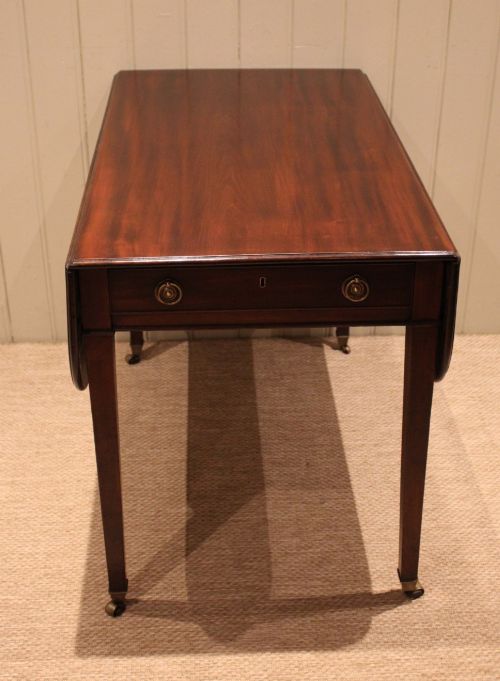
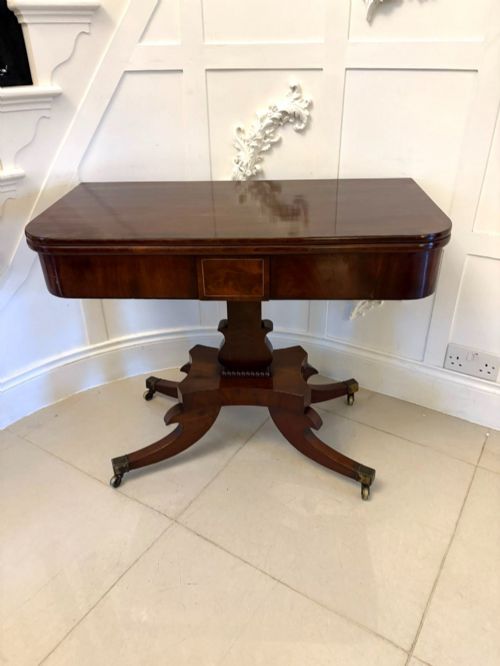
The versions met on this page span the 18th century, the 19th century, and the early 20th century. While some examples are traditional sofa tables with drop leaves and drawers, related forms like side tables, Pembroke tables, and library tables also appear.
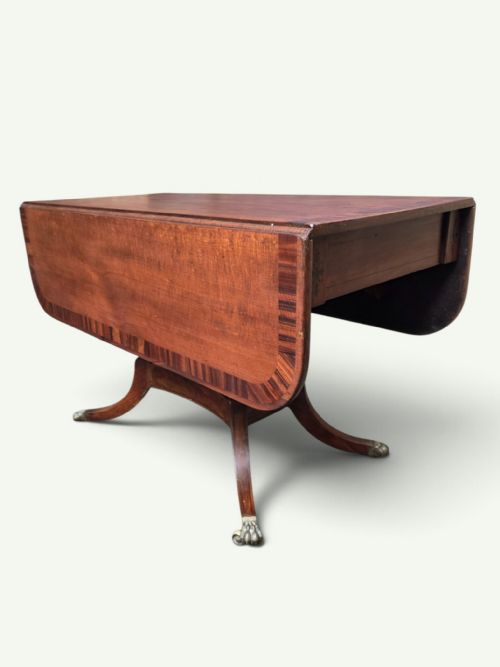
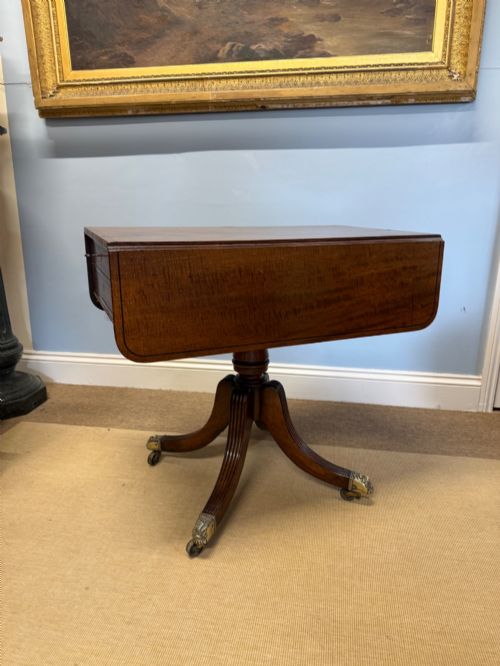
Makers utilised various timbers including mahogany, rosewood, satinwood, and yew wood, often with decorative wood inlay. Many examples feature pedestal bases or pillar supports terminating in metal wheels for easy movement.
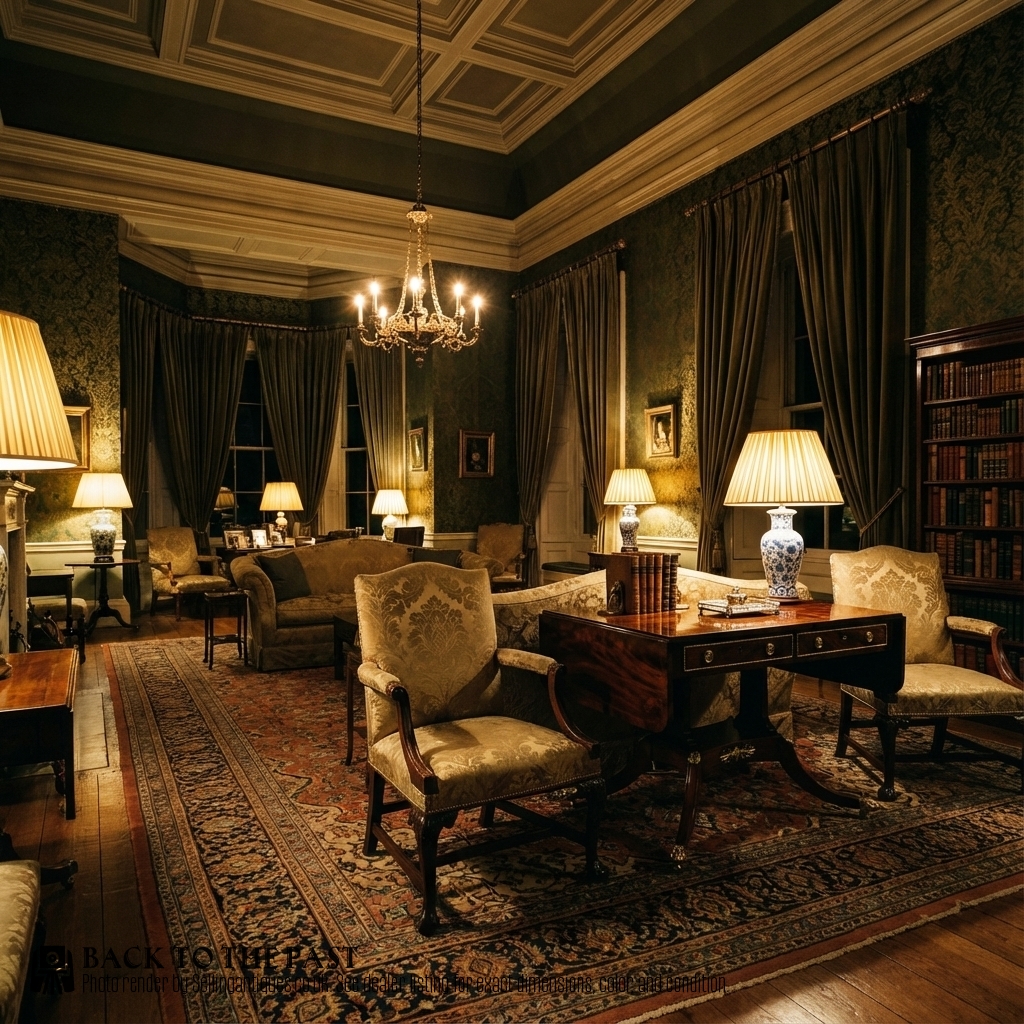
How they were made
Cabinet makers constructed these tables using dense timbers such as mahogany, flame mahogany, and rosewood, frequently selecting figured veneers to create striking surface patterns on the top. Secondary woods provided structural stability for the frame and drawer linings.
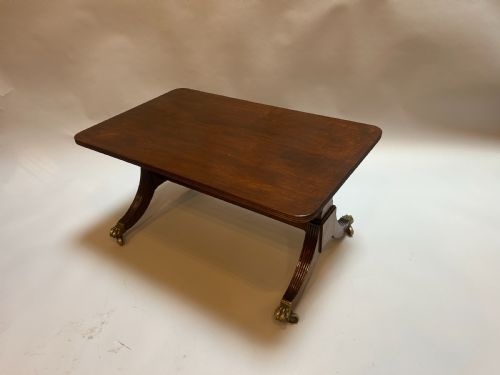
Drop-leaf mechanisms relied on hinged flaps supported by rule joints and pivoting wooden brackets. Metal fittings, specifically brass castors and paw feet, were attached to the base columns or legs to allow smooth rolling across carpets.
Brass Castor Sofa Table Retail Price Guide 2026
Typical asking prices for brass castor sofa table among the pieces listed under this phrase on Sellingantiques today, from the lower quarter to the upper quarter. They describe what is for sale here now, not the wider market.
Some tables rest on tiny brass paws, suggesting the Regency dining room was secretly governed by invisible mythological beasts.
What varies in quality
The distinction between ordinary and superior pieces rests on the choice of timber and the precision of the cabinet work. Highly figured flame mahogany and rosewood veneers, matched symmetrically across the flaps and drawers, separate finer examples from plain utilitarian versions.
Execution of details such as inlaid banding, carved pedestal supports, and original brass hardware indicates the skill of the maker. Tables that retain their balanced proportions when the leaves are fully extended represent superior craftsmanship.
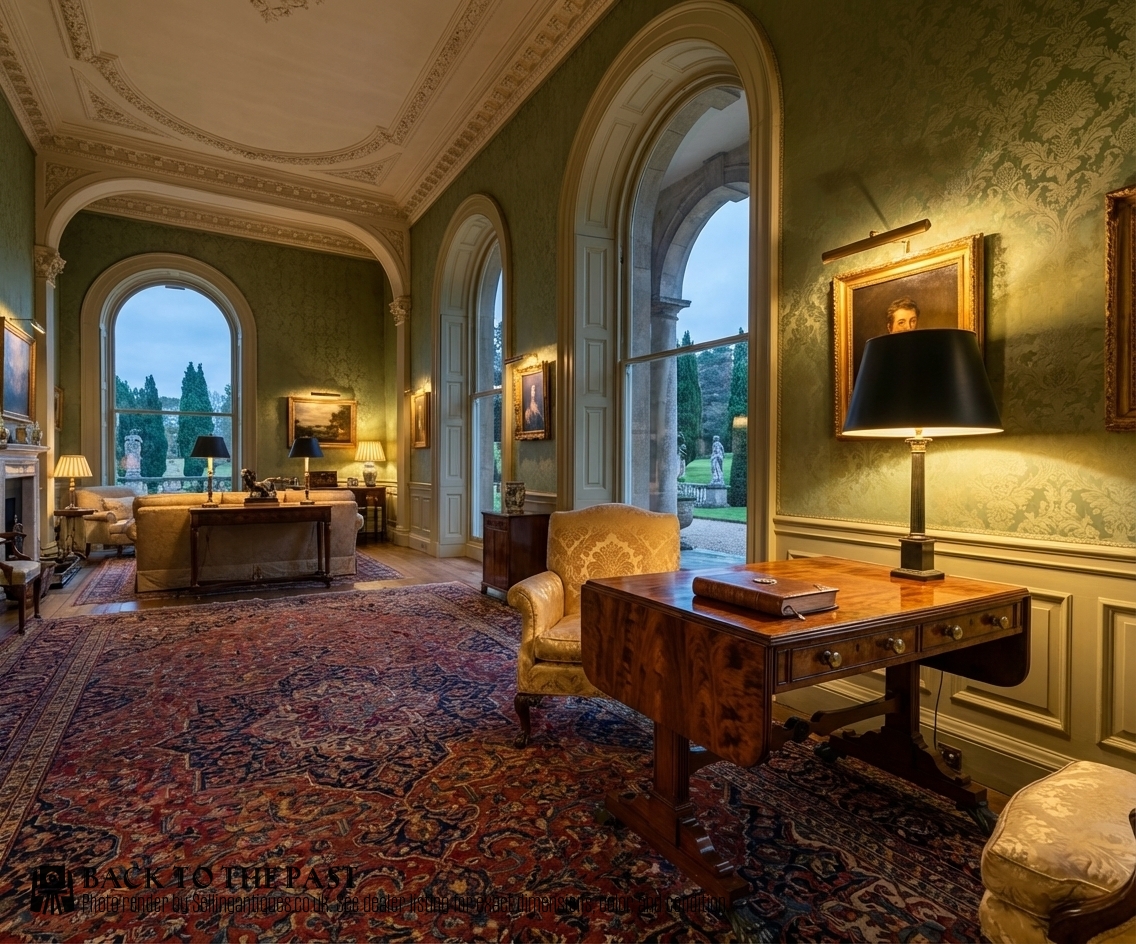
Andrew Thomson & Sons
The Brass Castor Sofa Table Glossary
- Pembroke table
- A small table with hinged leaves on either side and a drawer, popular in the Georgian period. It is closely related to the sofa table but generally smaller in scale.
- Drop leaf
- A hinged tabletop section that can be raised to extend the surface area or lowered when space is required. These leaves are supported by swing brackets or wooden arms.
- Castor
- A small wheel mounted in a swivel frame attached to the foot of a table leg. This allows the furniture to be repositioned easily upon the floor.
- Inlay
- A decorative technique where pieces of contrasting wood or other materials are inserted into recessed cavities in the timber surface to form patterns.
Brass Castor Sofa Table: Frequently Asked Questions
What is a brass castor sofa table used for today?
These tables function well as sofa-side surfaces, writing desks, or console tables behind seating arrangements. Their drop leaves allow them to adapt to rooms with limited space.
The mobility provided by the castors means the table can be repositioned easily when room layouts change. Their finished backs and sides mean they do not need to be pushed against a wall.
How do I identify a Regency period table?
Regency pieces often display classical architectural influences, featuring pillar columns, brass paw feet, and dark figured woods like rosewood and mahogany. Proportions tend to be clean and symmetrical.
Many examples from this era incorporate brass inlay or gilt mounts. The combination of drop leaves and central pedestals is particularly characteristic of the period.
Are the brass castors usually original?
Many surviving tables retain their original metal wheels and sockets, which show appropriate signs of age and wear. Replacements do occur due to heavy use over centuries.
Examining the screw fixings and the wear patterns on the wood around the feet helps determine whether the metal fittings belong to the original period of manufacture.
What is flame mahogany?
Flame mahogany is a highly figured veneer cut from the branch junctions of the tree. It creates a distinctive rippled pattern resembling flickering fire.
Cabinet makers reserved this timber for prominent surfaces like drawer fronts and tabletops to catch the light and add visual depth.