


Pedestal Sofa Table
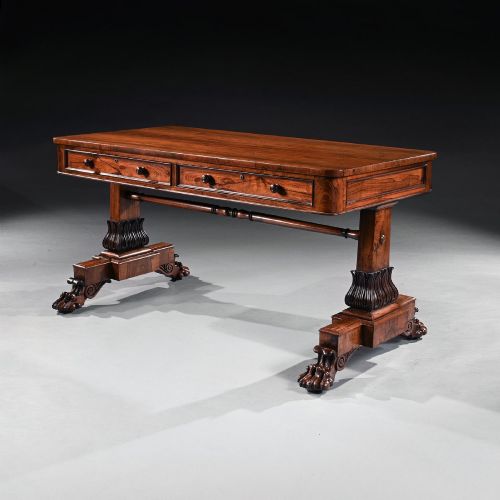
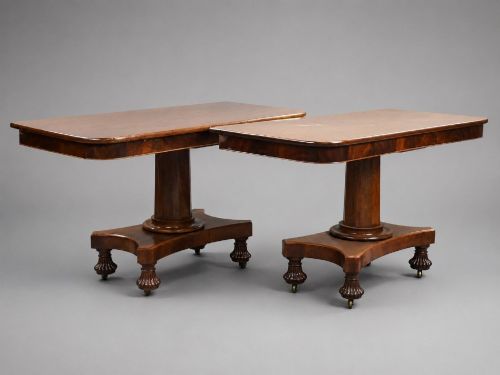
A pedestal sofa table is a versatile centre table designed to stand before a sofa, combining timber work and drop leaves for daily service.
Understanding the pedestal sofa table
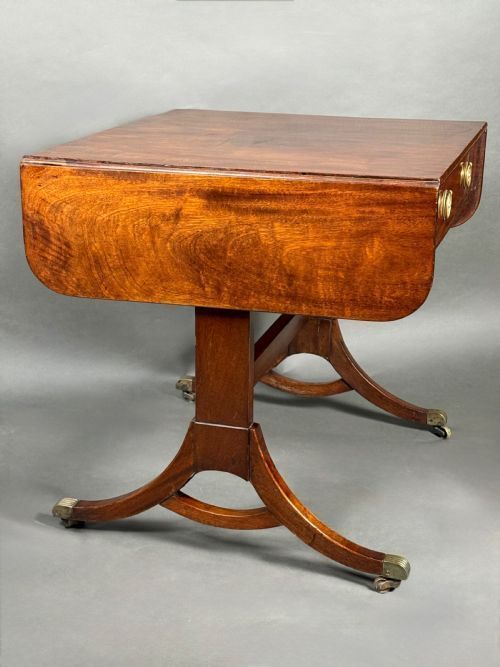
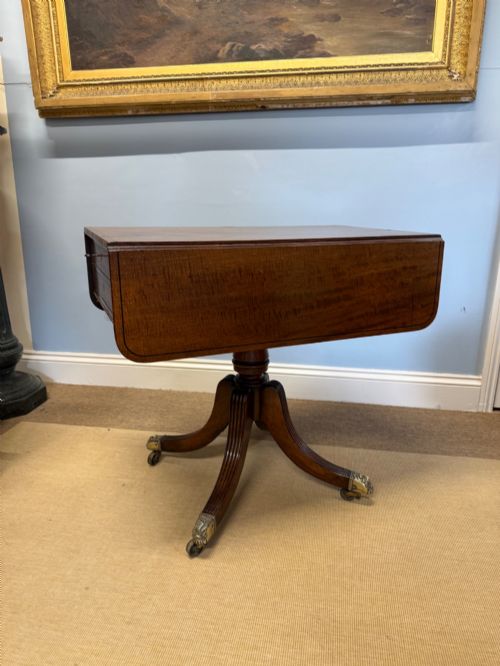
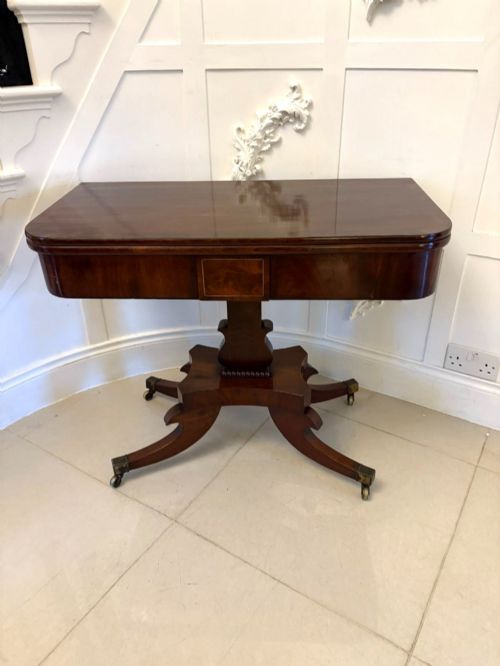
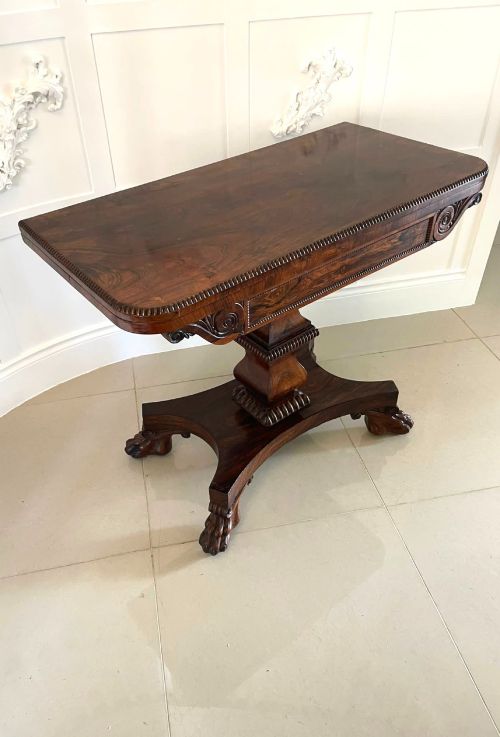
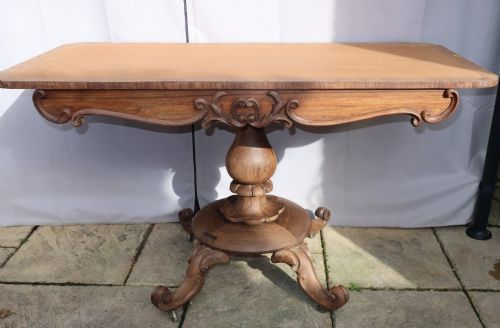
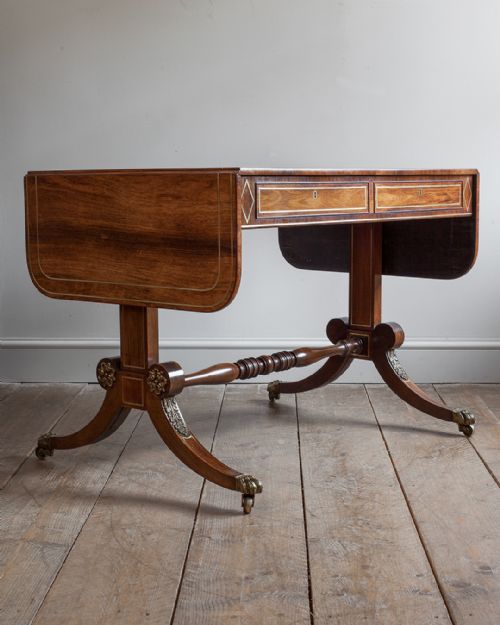
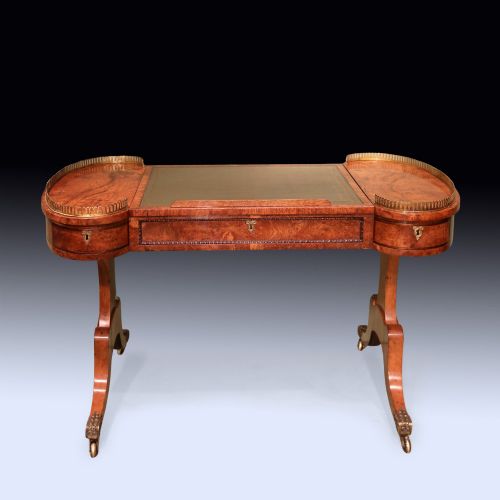
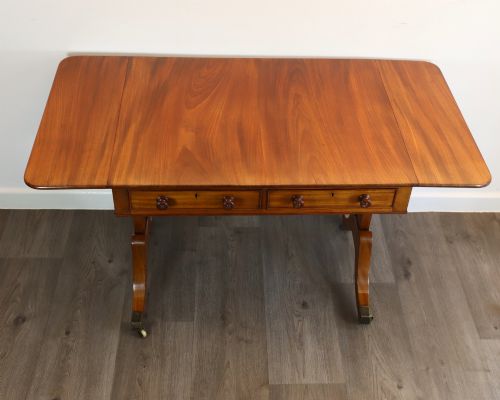
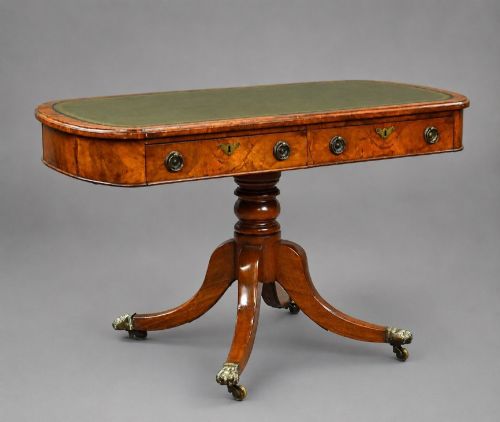
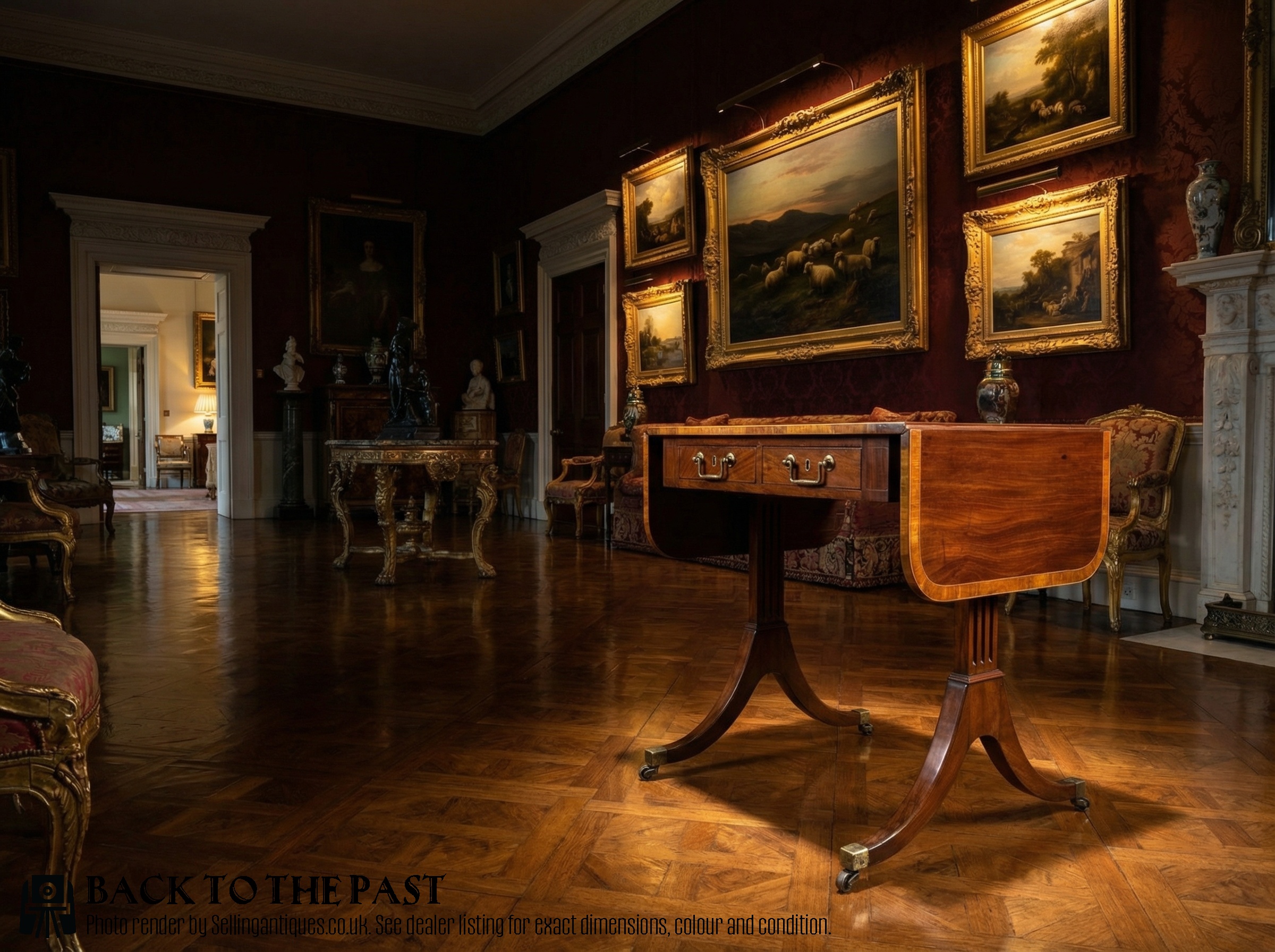
A pedestal sofa table is a form of occasional furniture developed during the Georgian and Regency periods to sit comfortably before a sofa or in the middle of a room. These tables characteristically feature a central pillar or twin pedestals supporting a rectangular top flanked by drop leaves, providing extra surface area when raised. Buyers searching for a pedestal sofa table encounter examples primarily from the Georgian, Regency, and Victorian eras, spanning from eighteen hundred to eighteen eighty.
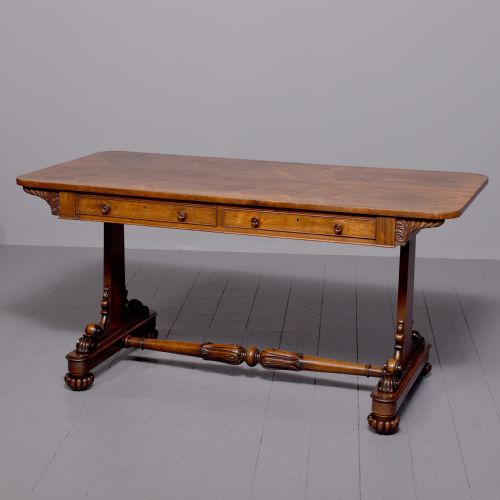
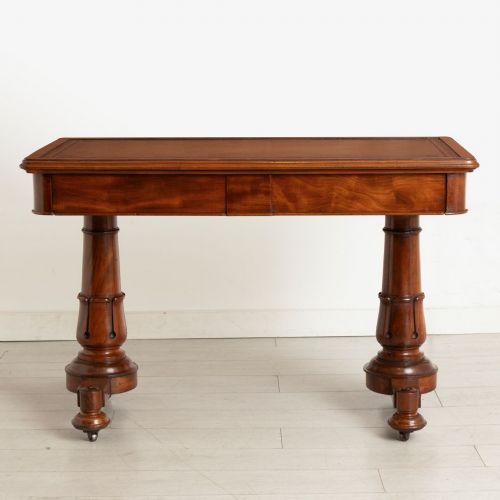
The surviving pieces in the record include works associated with makers such as William Trotter, alongside examples featuring twin pedestals and gun barrel columns. Most listings present drop-flap surfaces, fitted drawers, and robust pillar supports that reflect the formal reception rooms of their original domestic settings. These tables vary from compact writing desks to larger dining formats designed for multi-purpose use in nineteenth-century interiors.
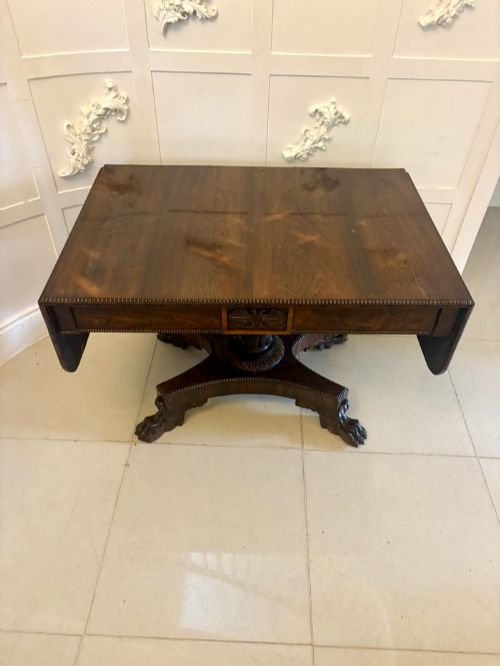
The material palette recorded across these pieces relies heavily on rich timbers like mahogany, satinwood banding, rosewood, and goncalo alves, often accented with brass castors. Whether configured as a library table, a writing desk, or a Pembroke crossover, the pedestal sofa table remains a practical centrepiece. The construction combines traditional cabinet-making methods with distinct regional variations from Scottish workshops to English provincial houses.
Materials and construction methods
Cabinet-makers constructed the primary carcase and top using solid mahogany, rosewood, or goncalo alves, frequently selecting figured timber for the main surface. Satinwood banding provides contrasting borders on select George III pieces, framing the primary grain with lighter decorative veneer. Timbers were selected for both structural stability and visual depth, ensuring the polished surfaces catch the ambient light.
Support mechanisms rely on central pillars, middle pedestals, or gun barrel twin pedestals rising from platform bases with splayed legs. These wooden legs terminate in brass castors and paw mounts, allowing the substantial tables to move smoothly across carpets and floors. Drop leaves are secured by rule joints and pivoted wooden brackets or fly rails that swing out to support the extended flaps.
Retail Price Guide 2026
Typical UK retail prices for pedestal sofa table, calculated from the Sellingantiques database of over a million retail prices indexed since 2003. This retail price guide relies exclusively on Sellingantiques data; no external sources or auction records are used, so the figures do not describe the wider market.
Site listings show pedestal sofa tables predominantly in mahogany, rosewood, and satinwood across Georgian and Regency periods.
Markers of distinction and build
Quality in a pedestal sofa table rests upon the choice of timber veneer and the precision of its grain matching across the drop leaves. Superior pieces exhibit tight, figured mahogany or exotic woods like goncalo alves with minimal disruption at the joints. The integration of satinwood banding and fine stringing demonstrates the skill of the cabinet-maker in balancing ornamentation with structural restraint.
Structural integrity reveals itself in the joinery of the pedestal column to the platform base and the smooth operation of the two drawers. Well-engineered pivot mechanisms for the drop leaves and solid brass castors indicate a higher standard of original workshop production. Proportion and balance between the central pillar and the extended top determine the visual harmony of the finished table.
William Trotter
The Pedestal Sofa Table Glossary
- Pedestal
- A central vertical column supporting the weight of the table top, often rising from a plinth or splayed legs.
- Drop flap
- A hinged leaf at either end of the table top that raises to extend the surface area and drops down when not in use.
- Satinwood
- A hard, yellowish timber native to India and Ceylon, utilised for contrasting veneers and fine banding on high-status furniture.
- Goncalo alves
- A dense tropical hardwood with striking dark brown and pale contrasting streaks, prized for decorative nineteenth-century cabinet work.
- Rule joint
- A moulded joint connecting a table top to its drop leaf, designed to hide the gap and hinge mechanism in both positions.
Frequently Asked Questions
What is a pedestal sofa table?
A pedestal sofa table is an antique movable table designed to sit in front of a sofa, featuring a central pillar base and hinged drop leaves at either end.
Cabinet-makers produced these pieces during the Georgian, Regency, and Victorian eras to serve as writing desks, work tables, or occasional dining surfaces.
How were pedestal sofa tables used?
These tables served multiple functions in domestic interiors, acting as writing desks, sewing stations, and small dining surfaces when the drop leaves were raised.
Their mobility allowed owners to position them near firesides or sofas for letter writing, reading, and needlework.
How do I identify a Regency sofa table?
Regency examples typically date from the early nineteenth century and feature classical architectural proportions, often incorporating brass mounts, reeded columns, and platform bases.
Distinctive woods like rosewood and goncalo alves frequently appear alongside traditional mahogany during this period.
How do I care for an antique mahogany table?
Maintain antique mahogany surfaces by keeping them away from direct sunlight and rapid humidity changes to prevent timber splitting and veneer lifting.
Apply traditional wax polishes sparingly and buff with a soft cloth to preserve the natural lustre of the aged wood.