


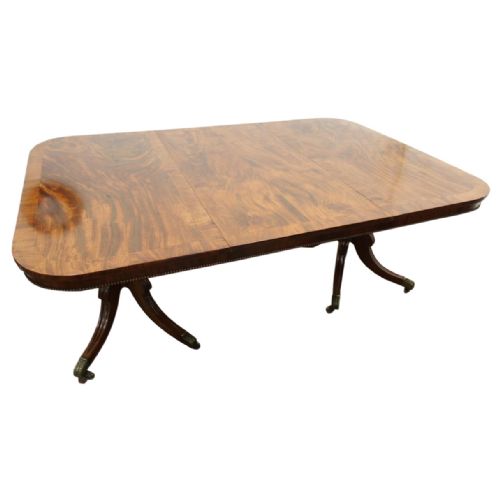
William Trotter Table
A William Trotter table brings the disciplined restraint of Edinburgh cabinet-making into a room through rich timbers and precise proportions.
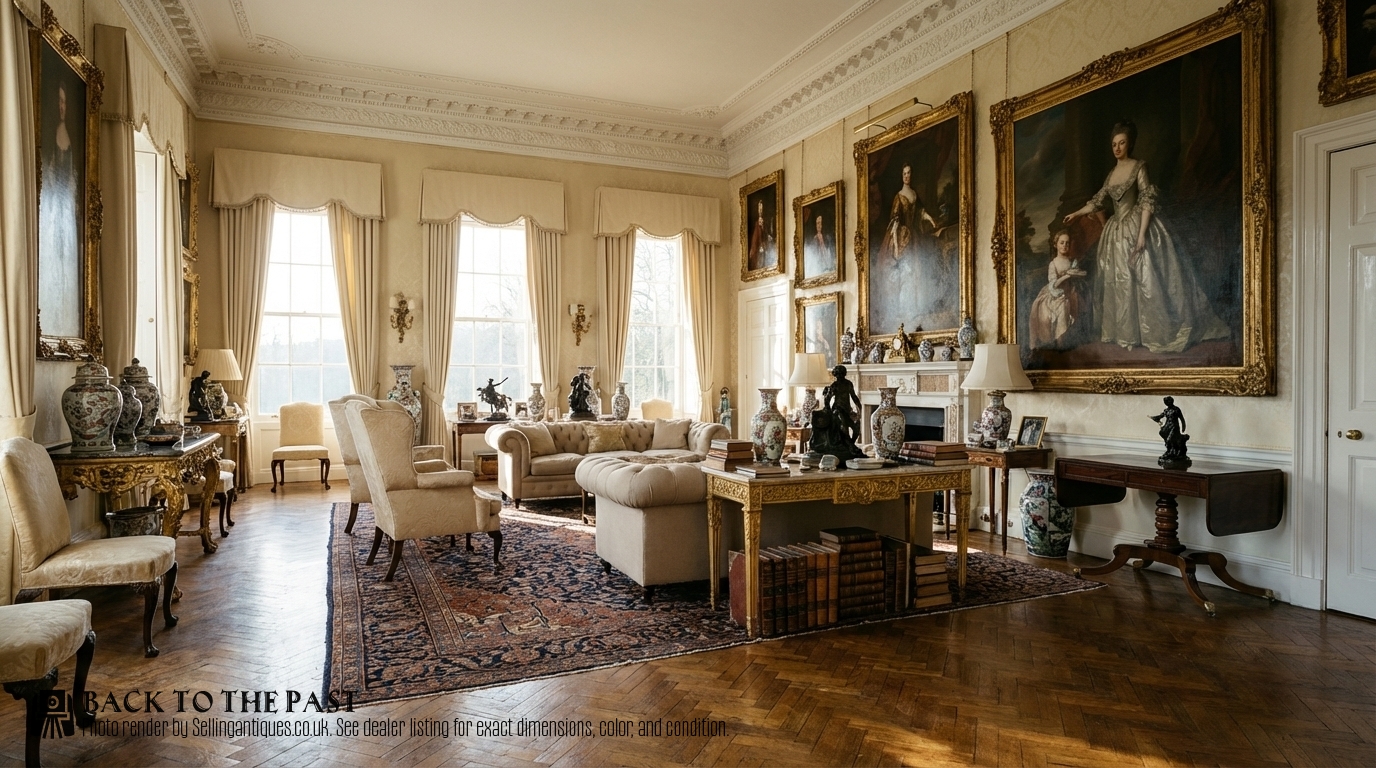
William Trotter Table
When you search for a William Trotter table, you are looking for Scottish furniture from the Regency and George IV periods, produced in Edinburgh workshops. The pieces span forms such as tea tables, sofa tables, card tables, breakfast tables, writing desks, centre tables, and larger dining tables.
The version you are most likely to meet on this page is a tea table or sofa table constructed from mahogany or rosewood, often displaying the characteristics of Scottish Regency design. These pieces combine functional dual-purpose tops, such as swivel mechanisms or fold-over leaves, with solid pillar or trestle supports.
Originating from a notable Edinburgh firm, these tables reflect the shift from late Georgian classicism to the heavier, figured timbers of the 1820s and 1850. They appear both attributed directly to the maker and as pieces executed in the distinct manner of the workshop.

How they were made
Cabinet-makers relied heavily on dense tropical hardwoods, framing sturdy carcases in mahogany and rosewood while employing burr oak, pollard oak, burr elm, lacewood, and sabicu for striking veneer contrasts. Brass mounts, casters, and inlaid banding frequently accent the structural lines of the timber.
Construction techniques prioritise stability alongside decorative grain presentation, using solid timber for structural members and carefully matched veneers for table tops and friezes. Folding tops, swivel mechanisms, and pedestal pillars are assembled with traditional joinery to support the weight of heavy stone or timber surfaces.
William Trotter Table Retail Price Guide 2026
Typical asking prices for william trotter table among the pieces listed under this phrase on Sellingantiques today, from the lower quarter to the upper quarter. They describe what is for sale here now, not the wider market.
Listings feature mahogany, rosewood, burr oak, and lacewood across forms including tea tables, sofa tables, and twin pillar dining tables.
What varies in quality
Quality rests in the choice and matching of timber figures, where carefully selected rosewood or burr oak veneers create balanced patterns across large surfaces like breakfast and centre tables. Plain, unfigured secondary woods sit lower in the scale than those featuring dramatic grain or contrasting lacewood banding.
The sophistication of the turning on pillars and the crispness of carved details on pedestals distinguish standard production from exceptional pieces. Proportions also govern the evaluation, with smaller-scale sofa tables and tables exhibiting refined architectural mounts commanding particular attention.
William Trotter·Young And Trotter
The William Trotter Table Glossary
- Sofa table
- A rectangular table designed to stand in front of a sofa, typically featuring drop leaves on either side and two small drawers in the frieze.
- Tea table
- A small folding table intended for serving tea, which opens via a swivel top or hinged leaf to reveal a flat surface.
- Frieze
- The horizontal band situated directly beneath the table top, often containing drawers or decorative veneer panels.
- Sabicu
- A dense, dark tropical wood related to mahogany, occasionally utilised in Scottish library and writing tables for its strength and rich grain.
- Pollard oak
- Oak timber taken from a tree that has been pruned close to the trunk, producing a dense cluster of knotty growth used for decorative veneers.
William Trotter Table: Frequently Asked Questions
Who was William Trotter?
William Trotter was a prominent Edinburgh cabinet-maker and Lord Provost who ran a successful workshop supplying fine furniture during the Regency and George IV periods.
His establishment produced a wide variety of domestic tables, known for understated Scottish restraint and the use of beautifully figured timbers.
How do I identify a Scottish table?
Scottish tables of this period often display distinctive secondary woods, robust pedestal turnings, and a slightly heavier architectural presence compared to their London counterparts.
Cabinet-makers in Edinburgh favoured specific veneers like burr oak and lacewood alongside traditional mahogany and rosewood.
Where were these tables used?
These tables served multiple domestic functions in drawing rooms, libraries, and dining spaces, adapting to the social rituals of the nineteenth-century home.
Tea tables and card tables provided versatile surfaces for entertainment, while breakfast and centre tables anchored the central floor space of principal rooms.
How do I care for rosewood and mahogany?
Maintain these polished hardwood surfaces by keeping them away from direct sunlight and sudden changes in room humidity to prevent the veneer from lifting.
Apply occasional natural wax and buff gently with a soft cloth to preserve the depth of the timber grain.