


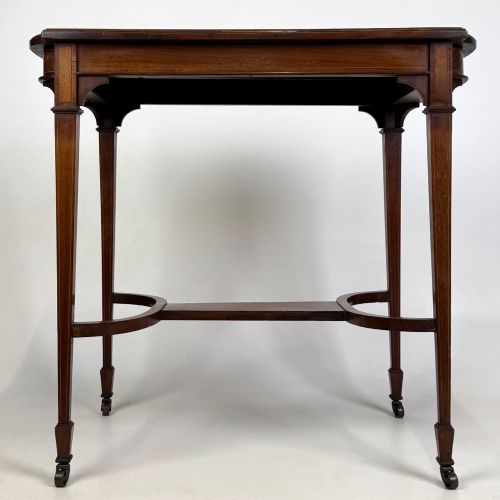
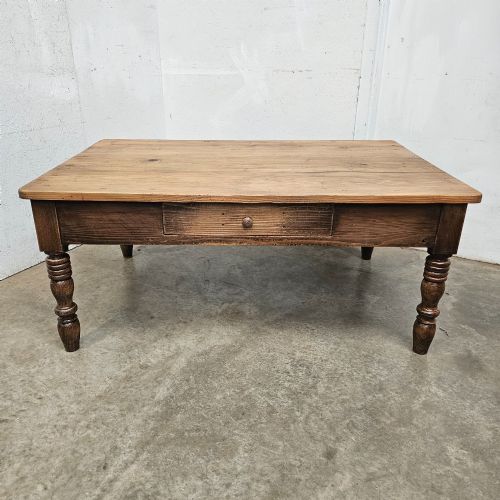
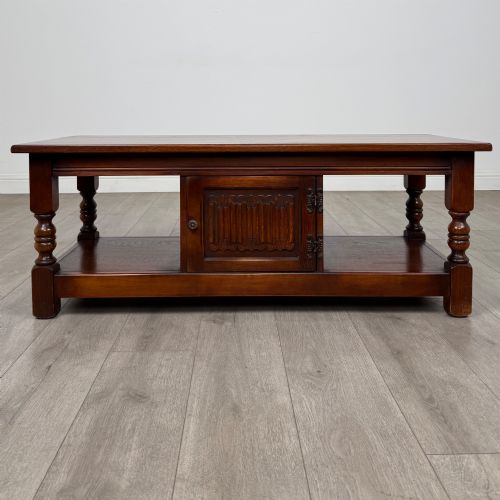
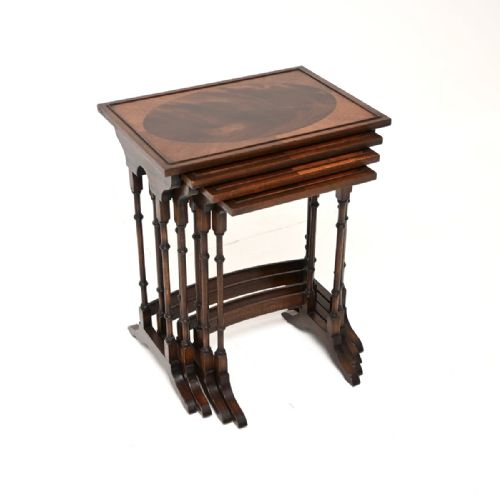
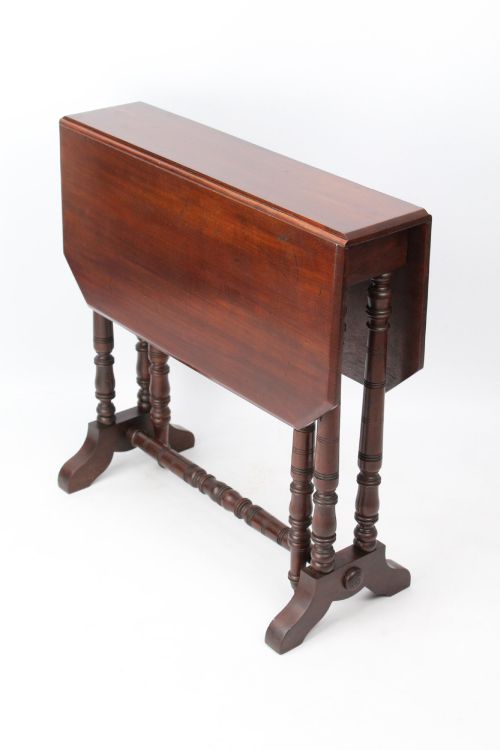
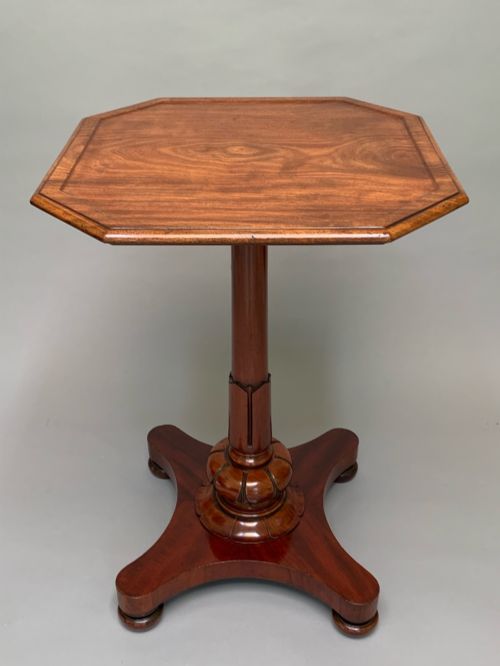
Brown Wooden Tea Table
A brown wooden tea table brings functional elegance and warmth to a room, offering a versatile surface for daily use and entertaining.
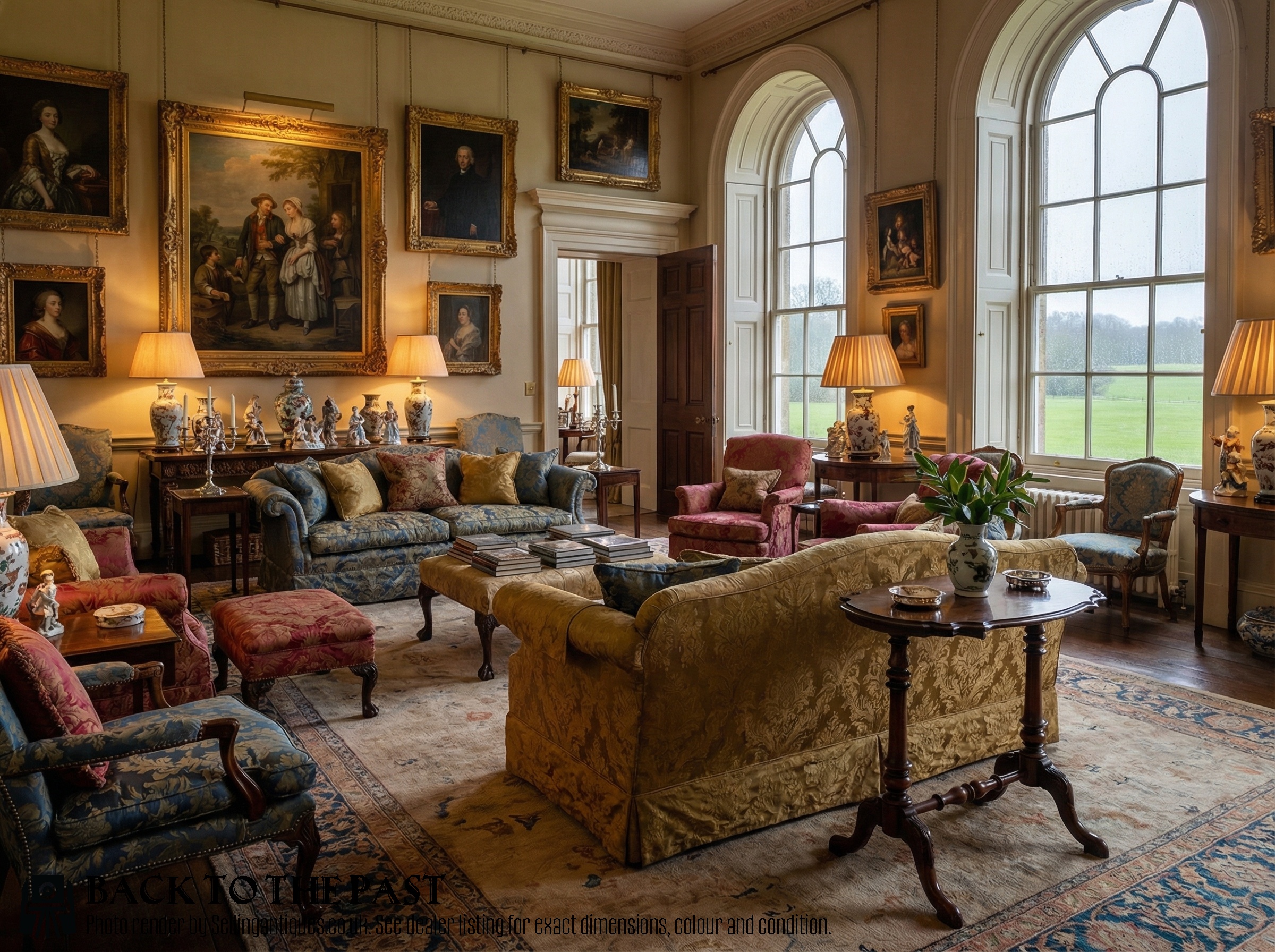
Brown Wooden Tea Table
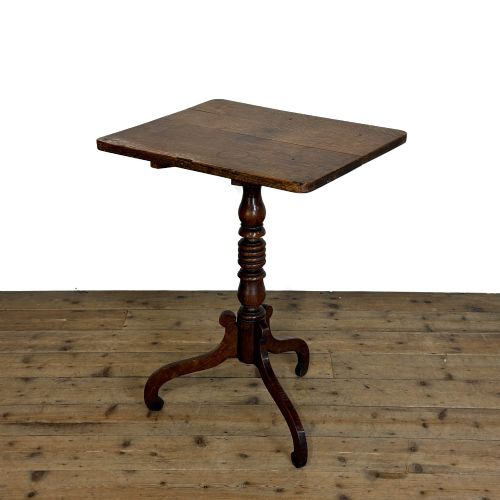
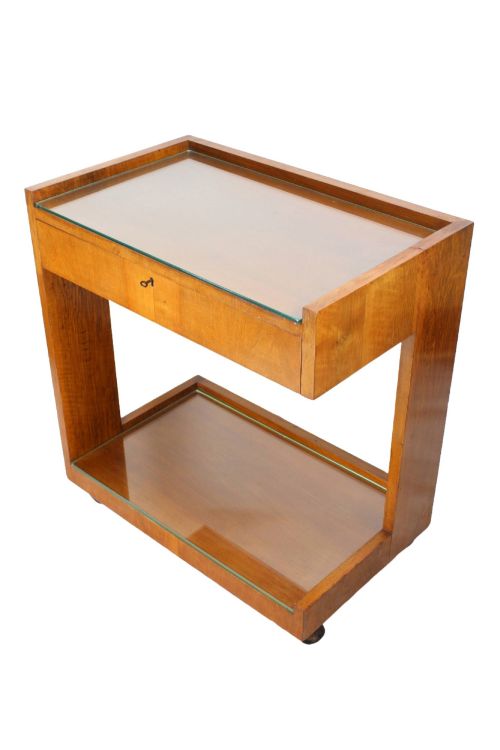
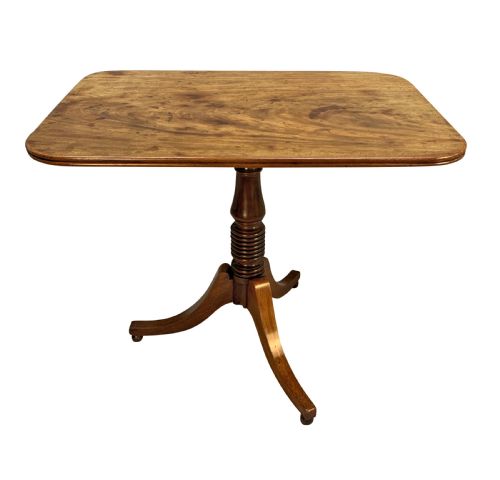
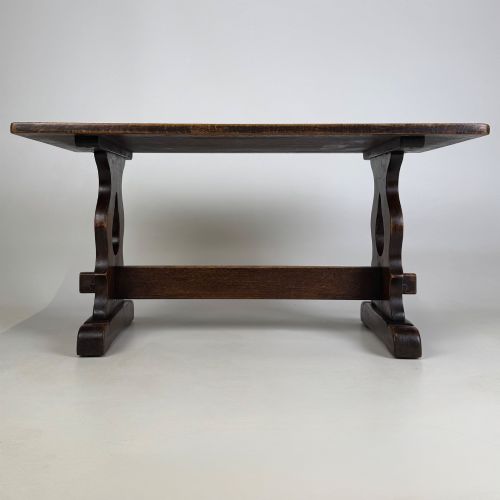
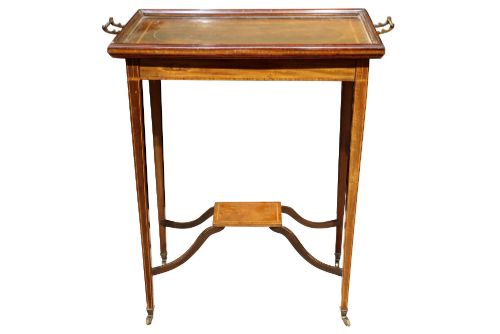
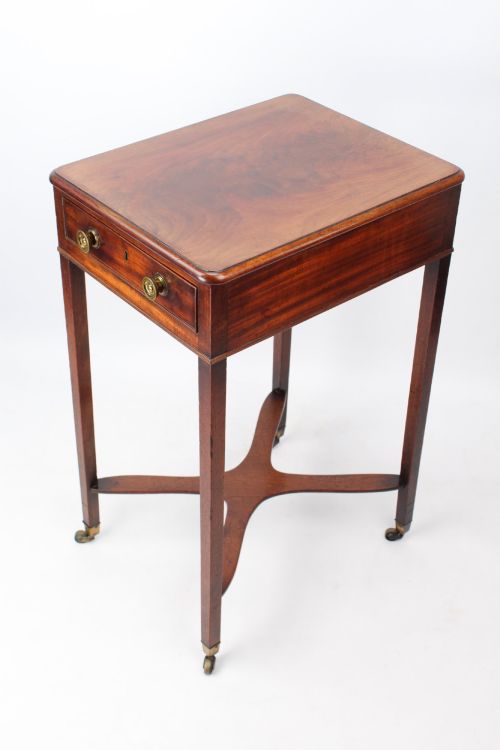
A brown wooden tea table encompasses various forms designed for social gatherings and household utility across multiple centuries. Buyers encounter pieces ranging from compact Georgian and Victorian side tables to Edwardian occasional tables and practical serving trolleys.
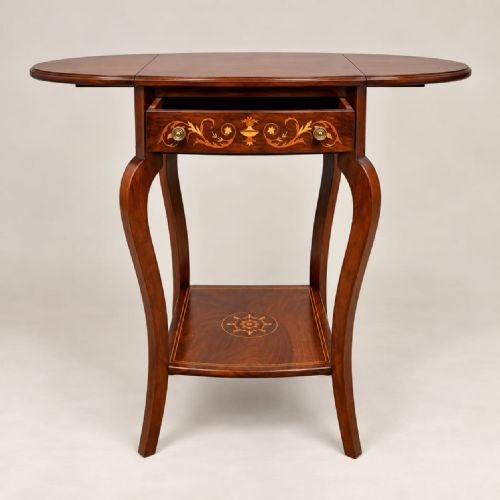
Originating primarily from British cabinet-making traditions, these items reflect the shifting domestic habits of past eras. Whether configured as a spider leg lamp table or a traditional pembroke table, each object serves as a functional centrepiece.
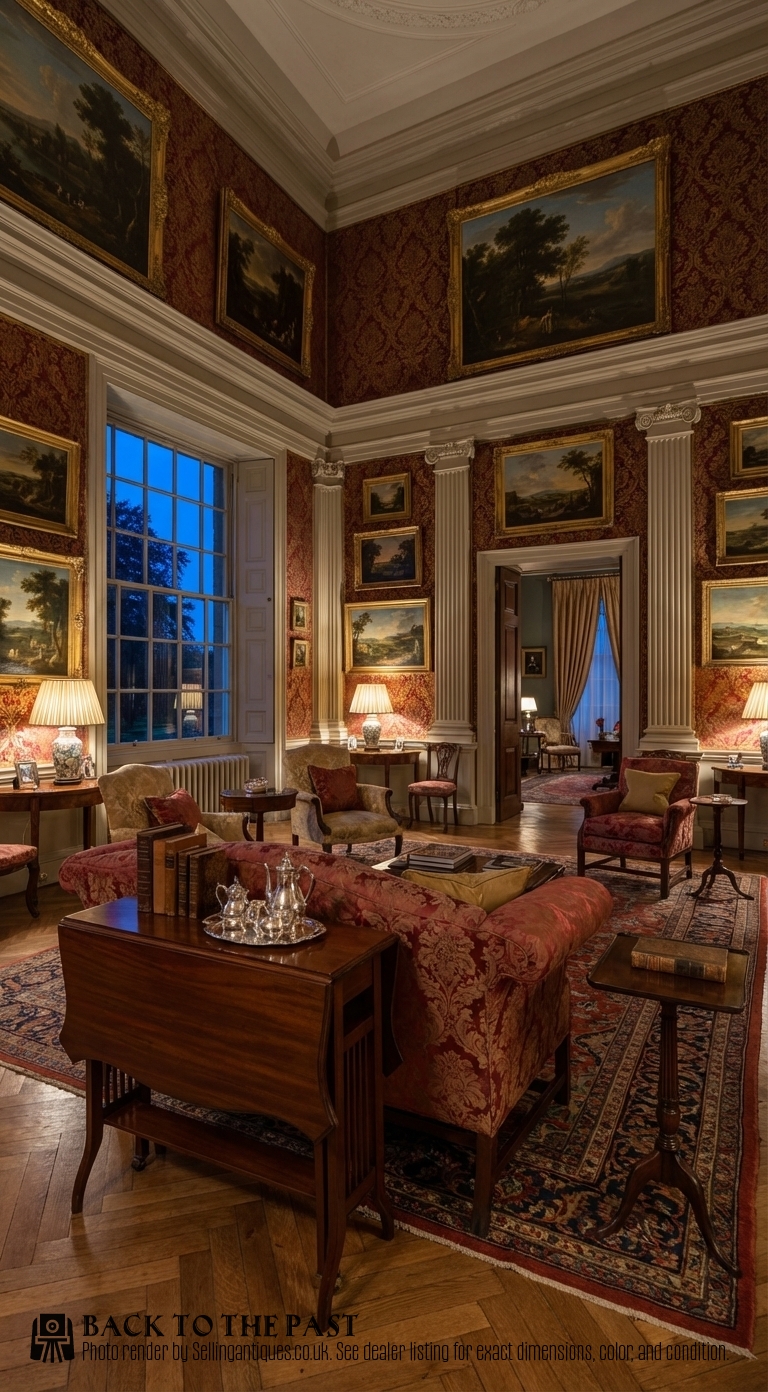
Materials and Construction
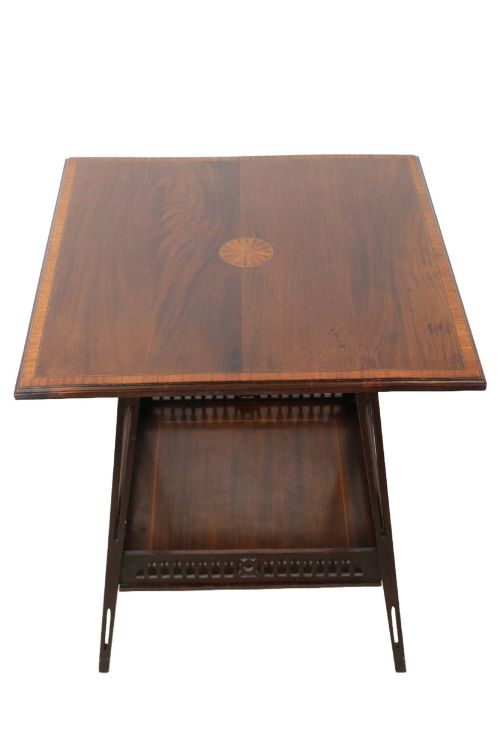
Cabinet makers utilised dense hardwoods such as mahogany, oak, and walnut to ensure structural stability and longevity. These timbers often received fine veneers and detailed boxwood or satinwood inlay to enhance visual depth.
Traditional joinery techniques, including dovetail joints and sturdy turnings, support the daily demands placed on these furnishings. Mechanisms like birdcage tilts and concertina actions demonstrate the mechanical ingenuity applied to utilitarian design.
Brown Wooden Tea Table Retail Price Guide 2026
Typical asking prices for brown wooden tea table among the pieces listed under this phrase on Sellingantiques today, from the lower quarter to the upper quarter. They describe what is for sale here now, not the wider market.
Some tables include hidden concertina actions and rotating birdcage frames designed to amuse guests over afternoon tea.
Craftsmanship and Proportion
Superior examples distinguish themselves through refined proportions and the precision of their secondary woods. The integration of marquetry or delicate stringing reveals the artisan's skill and elevates the piece above standard utilitarian output.
Original hardware, sound structural framing, and well-preserved patination on the timber surface define the upper tier of quality. Subtle details such as finely turned legs and balanced proportions indicate higher workshop standards.
Trevor Page Co·Giles Grendey·Gregory Co
The Brown Wooden Tea Table Glossary
- Pembroke table
- A small table with hinged flaps on either side that can be raised to extend the surface. These versatile pieces often include a single drawer.
- Tilt-top table
- A pedestal table featuring a mechanism that allows the wooden top to pivot vertically when not in use. This design saved space in smaller historic interiors.
- Marquetry
- Decorative veneer work created by fitting together small pieces of various woods to form intricate patterns. It is frequently seen on tabletop surfaces from the Victorian and Edwardian periods.
- Sutherland table
- A particularly narrow drop-leaf table supported by folding gate legs. When the leaves are dropped down, the piece occupies minimal floor space.
- Birdcage mechanism
- A pivoting wooden frame beneath a tabletop that allows the surface to both tilt and rotate. This complex construction is typical of eighteenth-century occasional tables.
Brown Wooden Tea Table: Frequently Asked Questions
How do I use a tea table today?
These tables function well as lamp stands, bedside surfaces, or compact cocktail stations in a modern sitting room.
Their manageable scale allows them to move easily between rooms depending on daily hosting requirements.
How do I distinguish Georgian from Edwardian examples?
Georgian pieces generally exhibit heavier proportions and darker timber patination developed through extended age.
Edwardian items frequently display lighter satinwood inlay and simpler profiles influenced by revival styles.
Are drop-leaf tables practical for small spaces?
Drop-leaf designs allow you to adjust the surface area to suit the room dimensions at any given time.
Lowering the flaps instantly reduces the footprint when floor space is at a premium.
How should I care for polished wood surfaces?
Maintain the finish by dusting regularly with a soft cloth and avoiding placement near direct heat sources.
Applying quality beeswax periodically helps nourish the historic timber without harming the patina.