

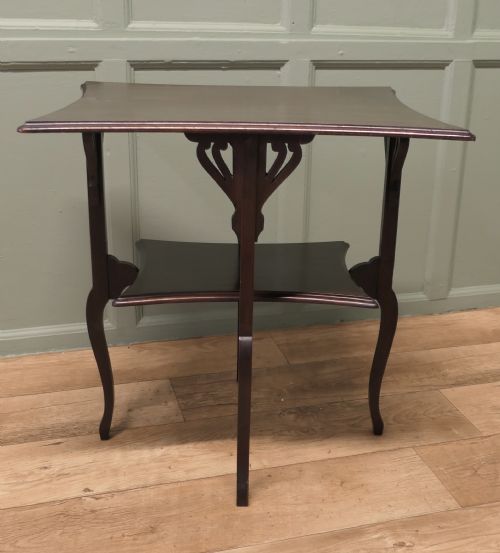
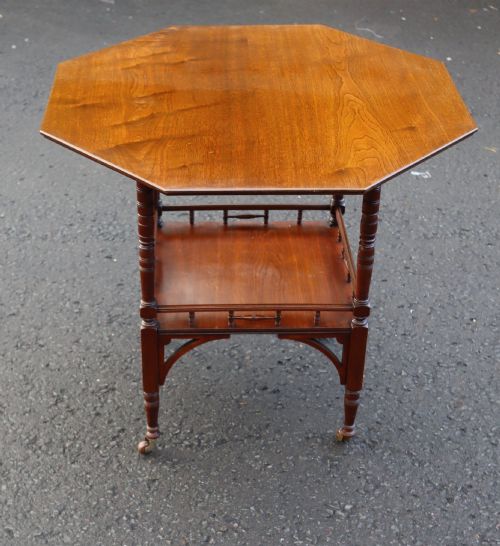
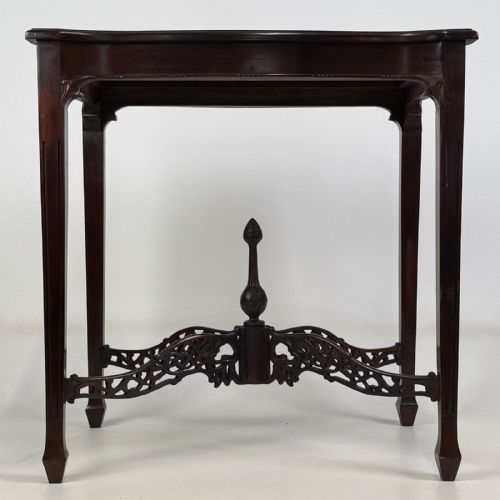
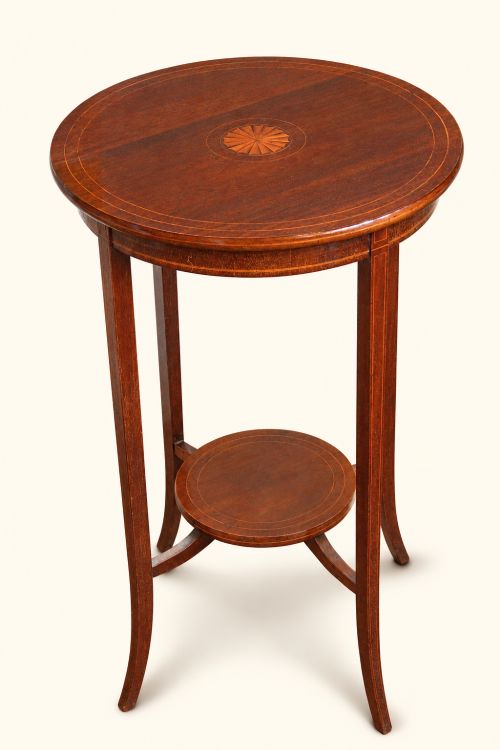
Edwardian Mahogany Tea Table
An Edwardian mahogany tea table brings refined timber and subtle stringing to a sitting room, offering a versatile surface that folds or unfolds for social afternoons.
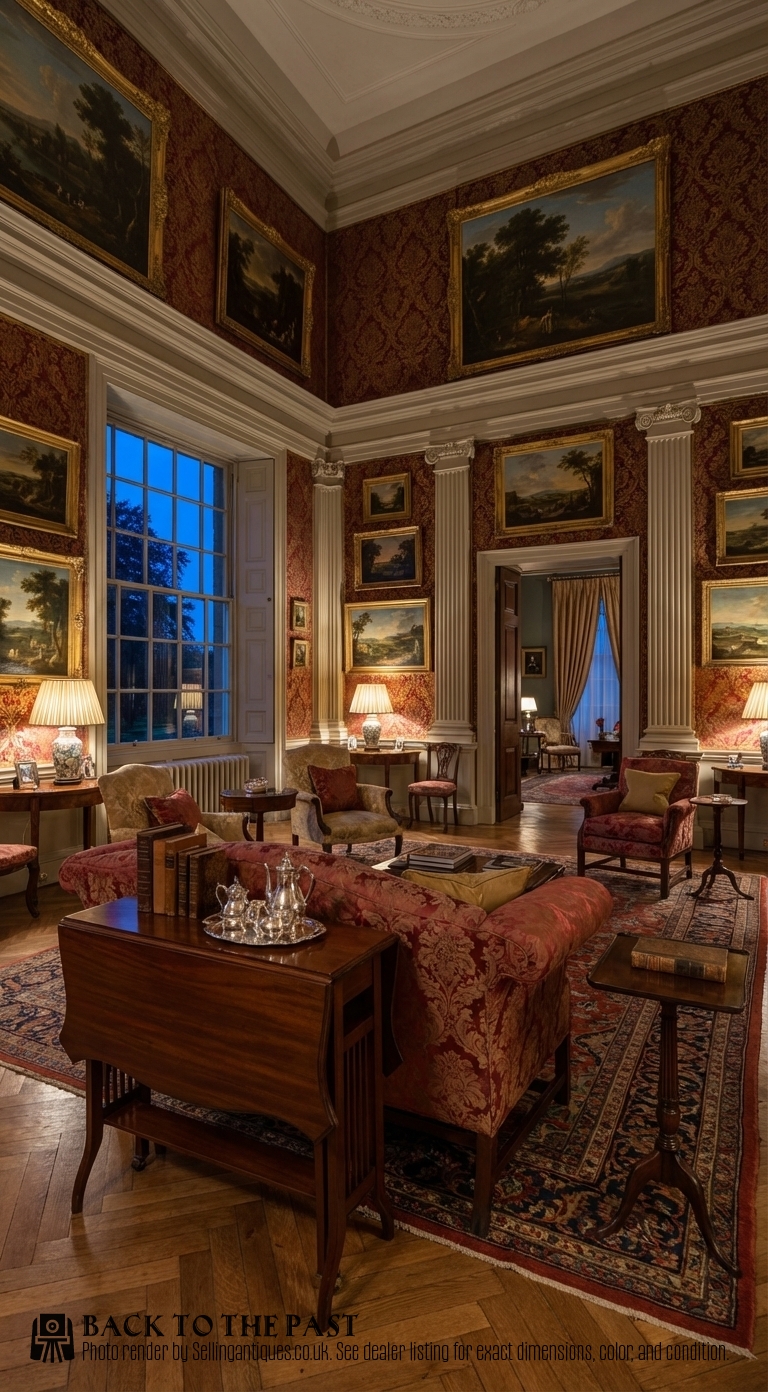
Edwardian Mahogany Tea Table
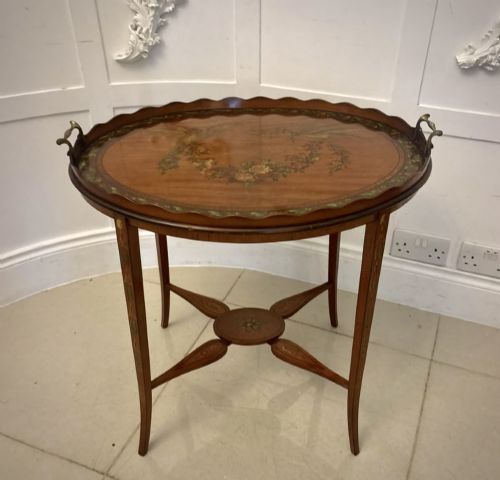
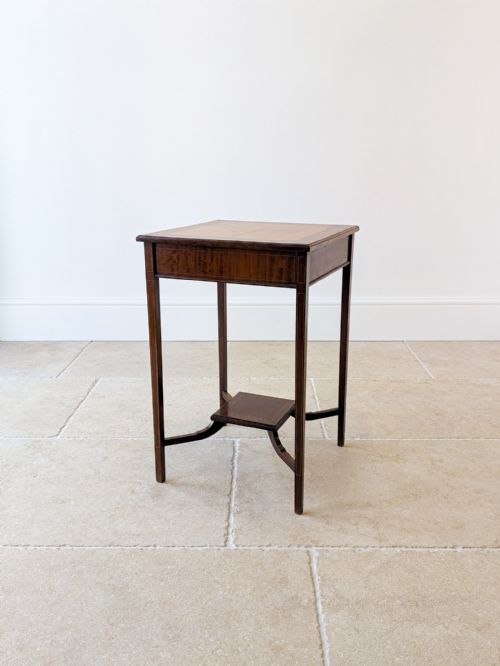
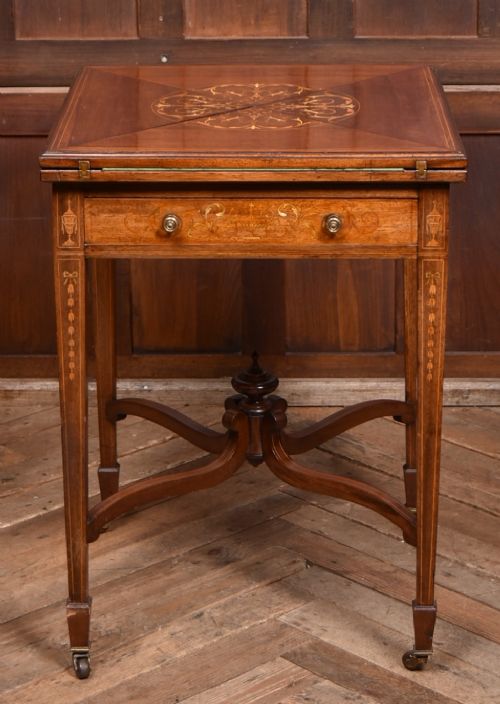
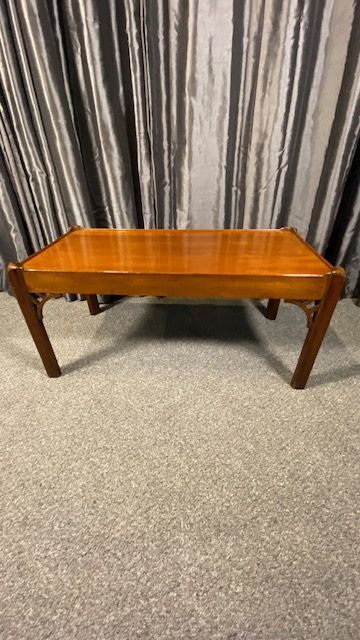
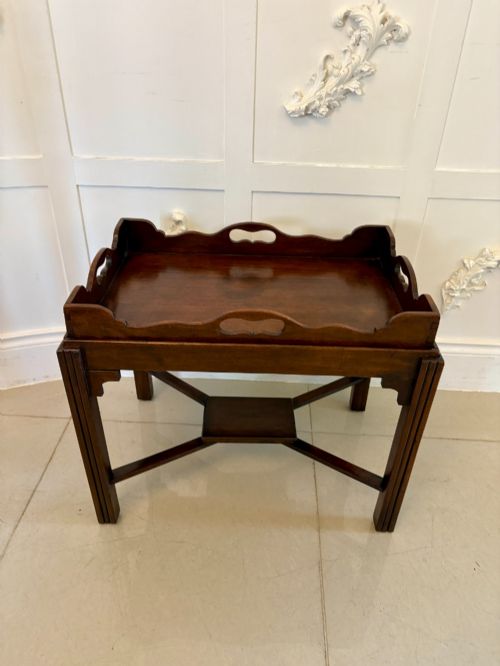
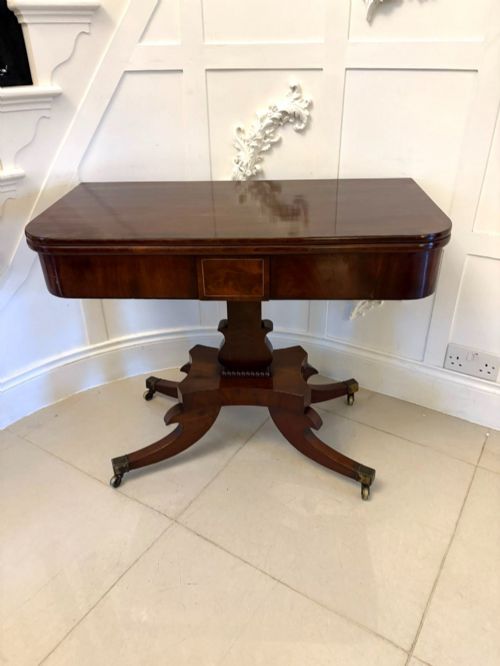
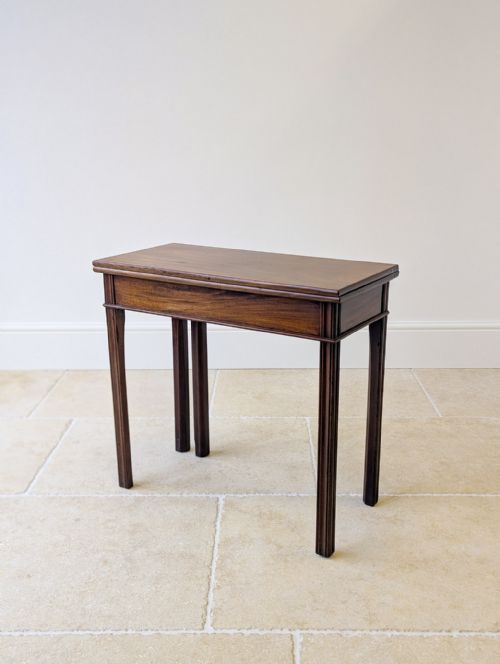
An edwardian mahogany tea table represents the height of domestic social furniture from the early twentieth century, designed primarily for the afternoon ritual of tea service. Buyers searching this phrase encounter pieces that range from simple folding demilune surfaces to elaborate envelope card tables and tray-top serving stands.
The pieces listed on this page span several stylistic revivals, with Edwardian interpretations frequently drawing upon Georgian and Sheraton precedents. While true Edwardian examples dominate, the broader selection includes Victorian and late nineteenth-century iterations sharing the same fundamental timber and form.
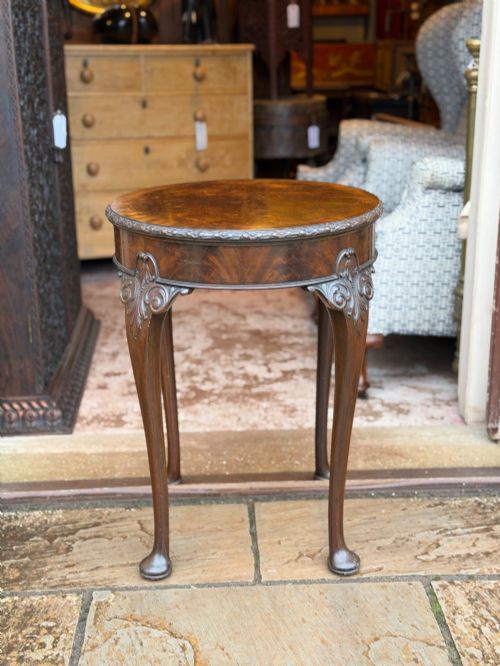
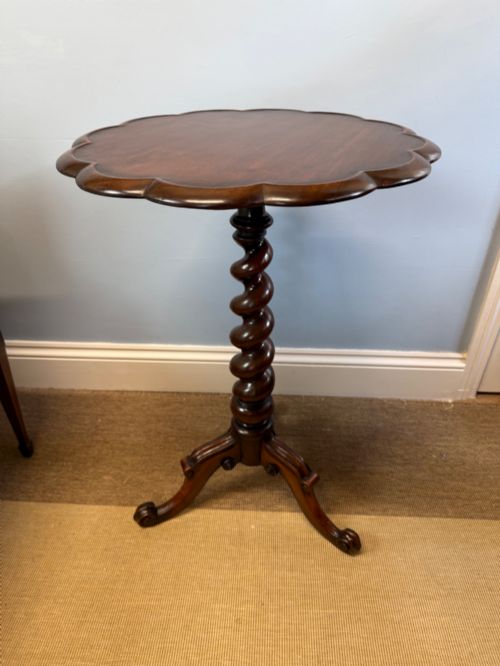
Beyond the standard fold-over tea table, the inventory encompasses related occasional forms such as sutherland tables, nests of tables, and butler trays on stands. Each variant serves a distinct domestic purpose while retaining the characteristic warmth and dark grain of polished mahogany.

How They Were Made
Cabinetmakers utilised solid mahogany and selected veneers, often choosing timber with a rich, figured grain for the primary surfaces. Construction relied on traditional joinery techniques, ensuring stability in folding leaves, drop-side mechanisms, and tilt-top pivots.
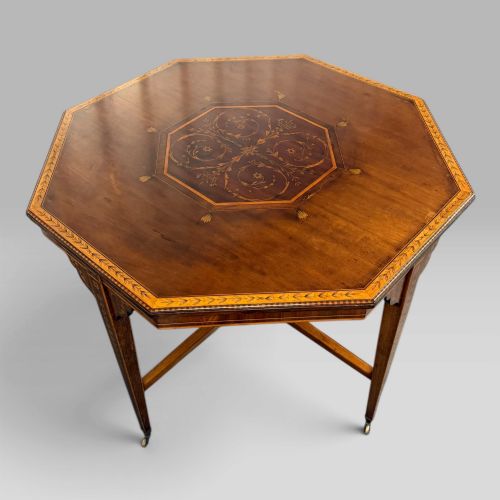
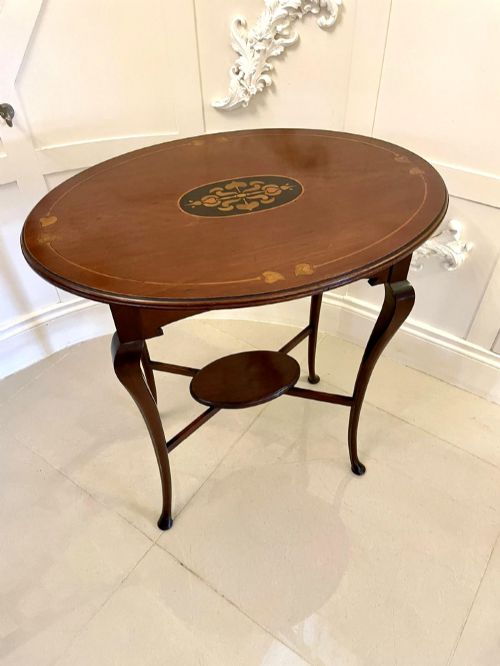
Decoration frequently involved contrasting woods such as satinwood and boxwood, set into the primary timber as fine stringing or elaborate floral and geometric inlay. Brass fittings, castors, and hinges completed the hardware, providing both functional movement and subtle metallic contrast against the dark wood.
Edwardian Mahogany Tea Table Retail Price Guide 2026
Typical asking prices for edwardian mahogany tea table among the pieces listed under this phrase on Sellingantiques today, from the lower quarter to the upper quarter. They describe what is for sale here now, not the wider market.
Listings feature Edwardian, Victorian, and 18th-century periods, showcasing mahogany alongside satinwood, boxwood inlay, and brass.
What Varies in Quality
The distinction between standard utility pieces and finer workshop productions rests heavily on the selection of timber and the precision of the inlay. Master makers employed highly figured mahogany and crisp, meticulously fitted boxwood or satinwood stringing that remained flush with the surrounding surface.
Structural execution also dictates standing, visible in the smoothness of fold-over hinges, the rigidity of drop-leaf supports, and the balance of pedestal tripod bases. Pieces bearing documented maker stamps or exhibiting restrained, harmonious proportions command greater appreciation among collectors.
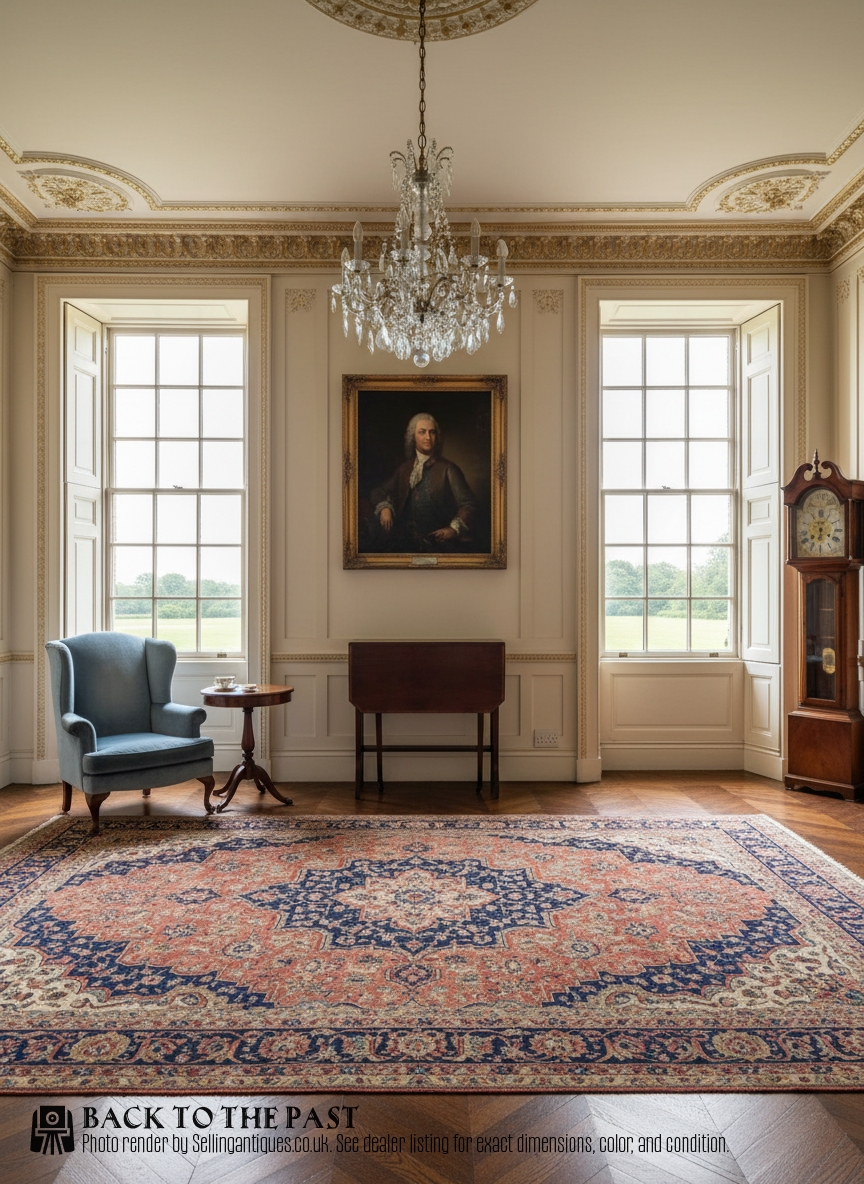
Trevor Page and Co·Shapland and Petter
The Edwardian Mahogany Tea Table Glossary
- Demilune
- Half-moon shaped. These tables feature a straight back edge designed to sit against a wall and a curved front that folds open upon a swing leg.
- Sutherland table
- A narrow drop-leaf table with exceptionally slender gate legs. When folded down, the leaves hang almost vertically to save floor space.
- Stringing
- Thin inlaid lines of contrasting light wood, such as boxwood or satinwood, set flush into channels cut into the darker mahogany surface.
- Piecrust edge
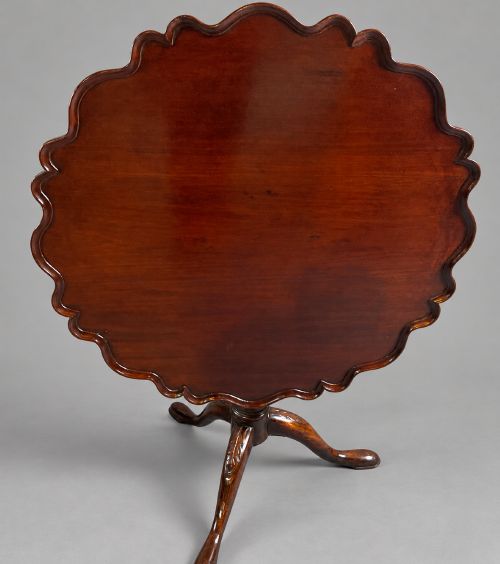
- A raised, carved tabletop border shaped with ornate undulating curves. This decorative edge is frequently found on circular occasional and tilt-top tables.
- Envelope table
- A square card table with four triangular flaps that fold inward to cover the baize-lined surface. Operating the mechanism reveals a clever, interlocking folding action.
Edwardian Mahogany Tea Table: Frequently Asked Questions
How did people use these tables?
These tables served primarily for afternoon tea, providing a movable surface for porcelain pots, cups, and silver service. Many designs featured folding leaves or demilune tops that could expand when guests arrived.
Beyond tea service, households utilised the folding and occasional variants for card games, reading, or displaying decorative lamps and ornaments.
How do I tell Edwardian from Victorian tables?
Edwardian examples generally feature lighter, more delicate proportions with finer inlaid stringing in satinwood or boxwood. The influence of Sheraton and Georgian revivals created a cleaner, less cluttered aesthetic than earlier decades.
Victorian pieces tend to be heavier in construction, often displaying darker finishes, heavier turnings, and more robust structural framing. Aesthetic movement and mid-nineteenth-century iterations also introduce distinct octagonal tops and structural asymmetry.
Are all these tables made of solid mahogany?
While many pieces utilise solid mahogany for structural elements, legs, and frames, tabletops frequently incorporate mahogany veneers laid over secondary framing timbers. This technique prevented warping across large expanses while showcasing highly figured grain patterns.
Inlay work and stringing incorporate contrasting light timbers such as satinwood and boxwood. Secondary woods like pine or oak occasionally appear in internal framing and drawer linings.
How do I care for a mahogany tea table?
Keep the wood away from direct sunlight and heat sources to prevent the mahogany finish from fading and the underlying veneers from drying out. Periodic dusting with a soft, dry cloth maintains the surface sheen.
Avoid using silicone-based polishes or excessive moisture. Occasional application of a quality natural wax helps preserve the timber grain and protect the antique polish.