
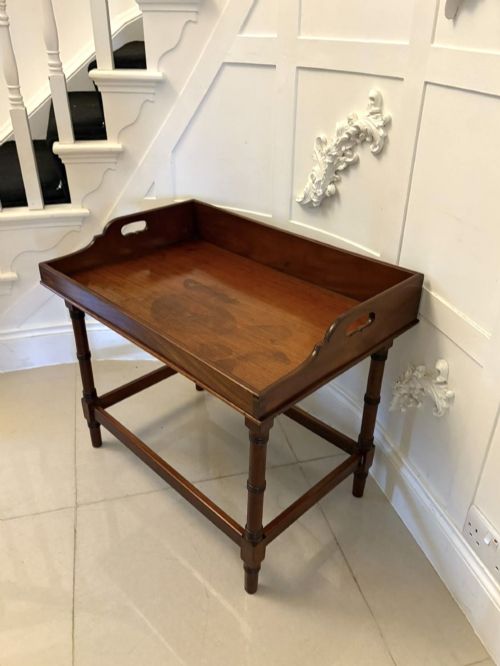
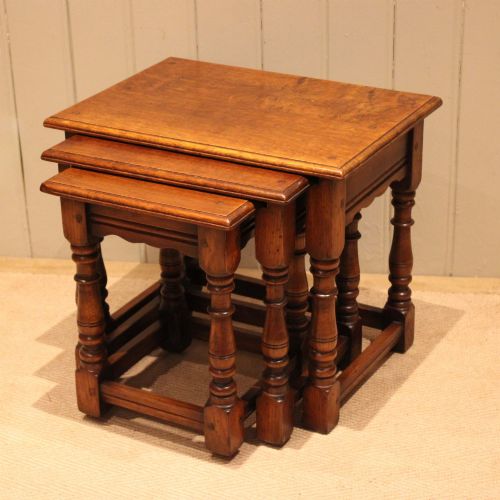
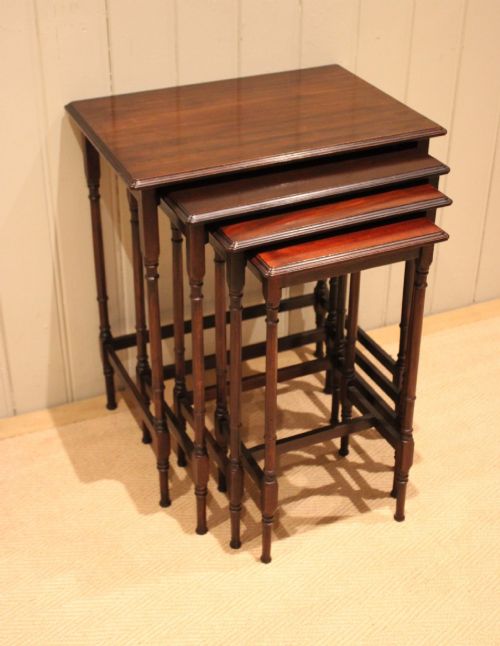
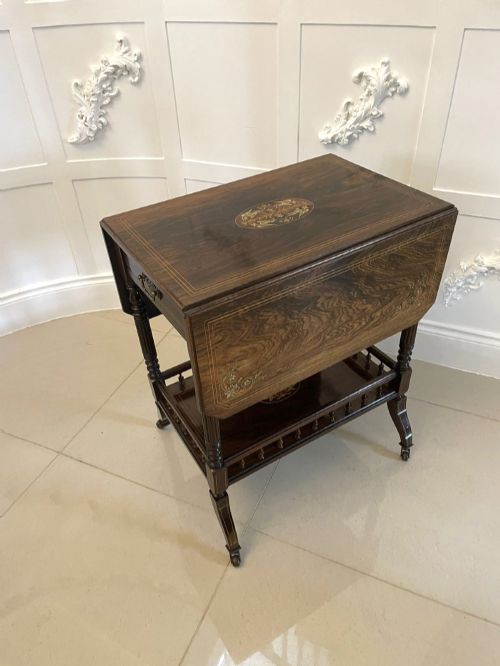


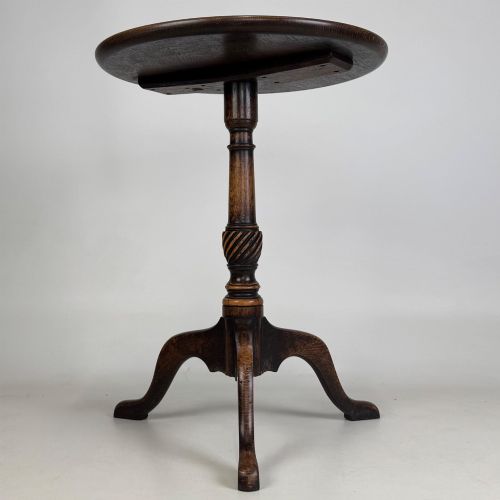
Turned Leg Occasional Table
A turned leg occasional table offers compact utility and period character, spanning simple oak gateleg designs to finely inlaid walnut and mahogany pieces.
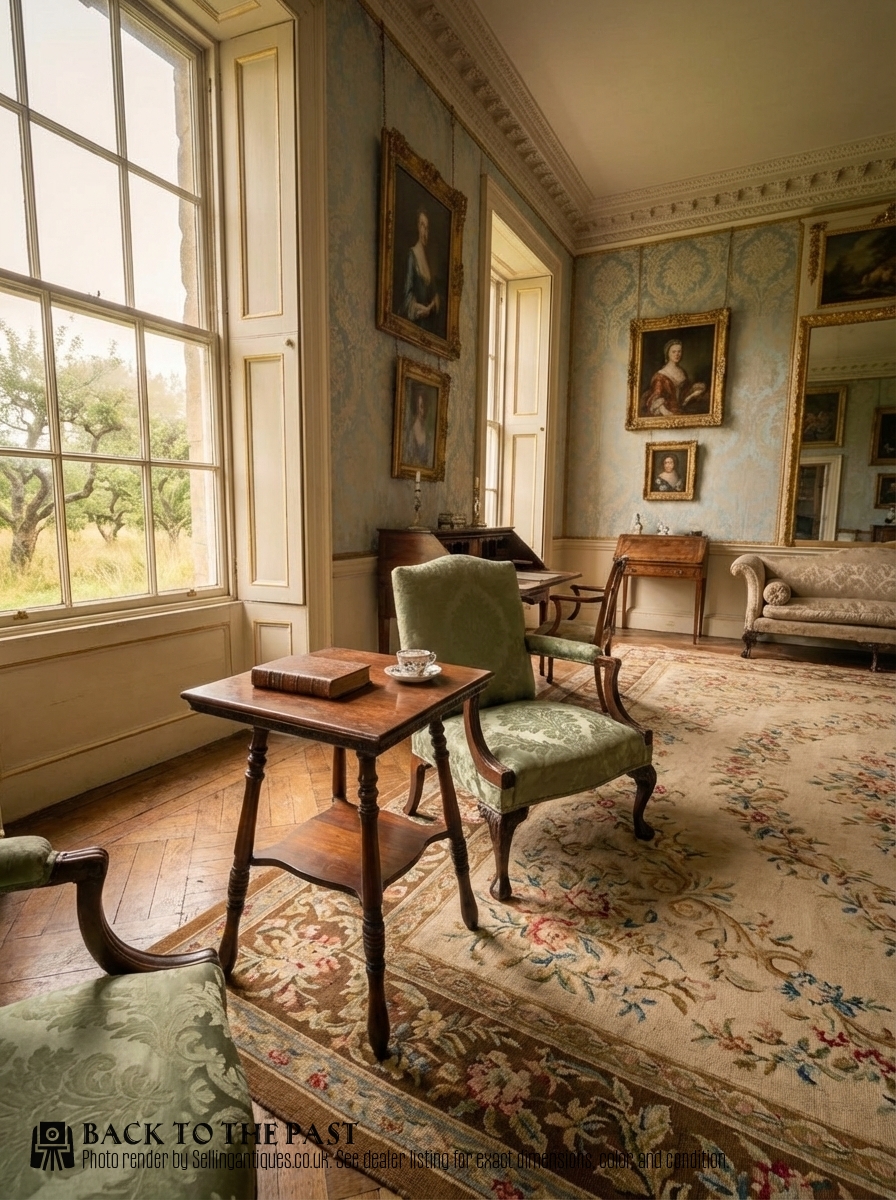
Turned Leg Occasional Table
When you search for a turned leg occasional table, you encounter versatile smaller furniture spanning the eighteenth, nineteenth, and early twentieth centuries. These pieces appear as side tables, wine tables, nests of tables, and Sutherland tables designed for flexible placement in domestic rooms.
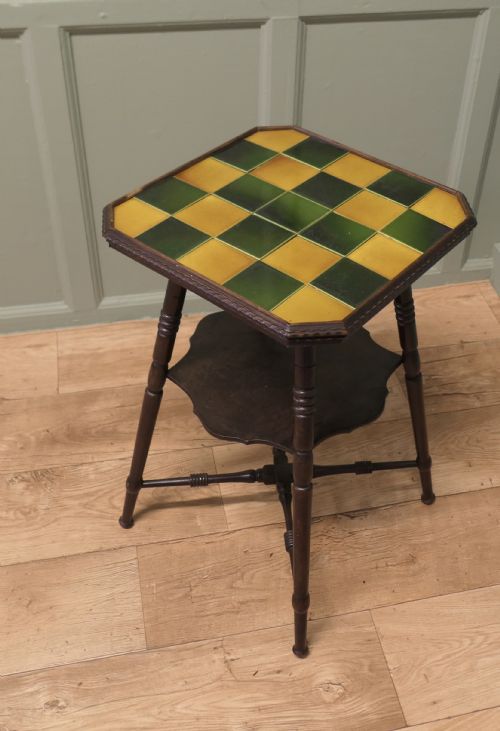
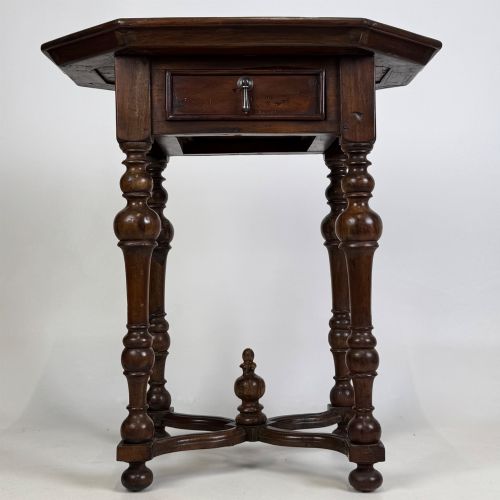
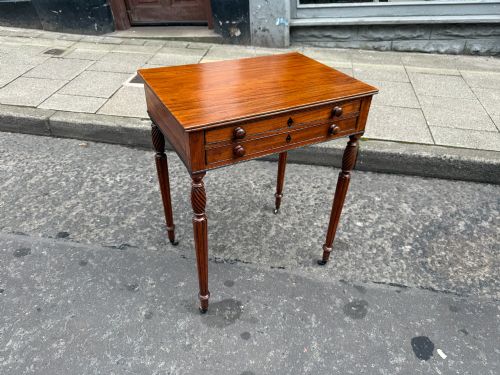
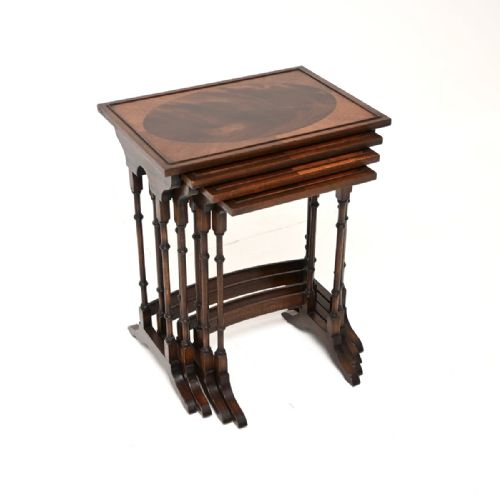
You are most likely to meet oak, mahogany, or walnut examples originating from the Georgian, Victorian, and Edwardian periods. Their defining characteristic is the shaped support, ranging from simple bobbin turns to reeded columns and spider legs.
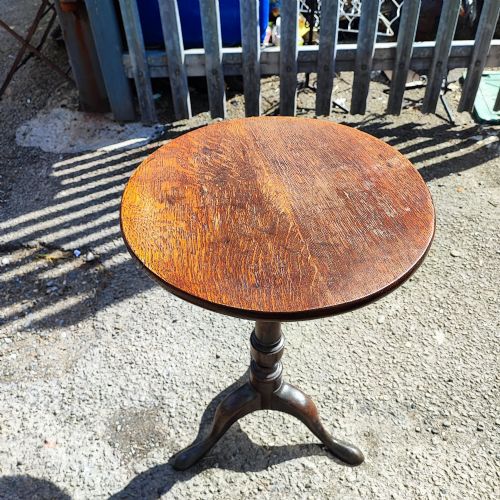
The selection ranges from country oak tripod tables and gateleg designs to refined rosewood and satinwood pieces with inlaid details. Each variant provides a stable surface for lamps, books, or tea while introducing period craftsmanship into an interior.
How they were made
Cabinetmakers utilised dense timbers including mahogany, oak, walnut, rosewood, and satinwood, often combining solid woods with veneered surfaces on tabletops. Secondary woods such as pine or hardwood frequently formed internal structures and drawer linings.
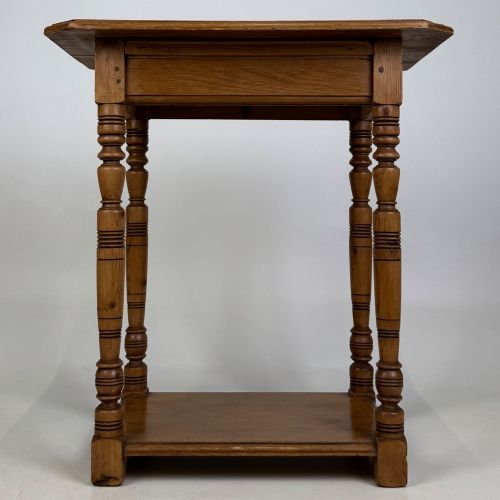
The distinctive legs were shaped on a lathe, producing bobbin, ring-turned, or reeded profiles that screw or tenon into the framing. Joinery relied on traditional methods like mortise and tenon joints, dovetails for drawers, and pegged assemblies on earlier country pieces.
Turned Leg Occasional Table Retail Price Guide 2026
Typical asking prices for turned leg occasional table among the pieces listed under this phrase on Sellingantiques today, from the lower quarter to the upper quarter. They describe what is for sale here now, not the wider market.
What varies in quality
The distinction between standard examples and top-tier pieces rests on timber selection and the crispness of the lathe work. Finer items exhibit highly figured veneers, intricate brass or inlaid detailing, and perfectly balanced turned supports without structural timber shrinkage.
Proportion and integrity dictate value, where untouched surfaces with patinated finishes command greater interest than heavily restored or altered frames. Original hardware, tight joints, and well-executed carving on the skirts or tripod bases separate ordinary utility tables from distinguished examples.

Shapland & Petter
The Turned Leg Occasional Table Glossary
- Tripod table
- A small freestanding table supported by a central turned pillar resting on three spreading feet. These nimble pieces became popular during the Georgian period for tea or candle lighting.
- Sutherland table
- A narrow drop-leaf table with hinged flaps supported by pivoting swing legs. When folded flat, it occupies minimal floor space against a wall.
- Gateleg table
- A table with hinged leaves supported by legs that swing out like a gate to hold the leaves aloft. This sturdy construction allows a compact frame to expand into a larger surface.
- Bobbin turned
- A style of leg or stretcher shaped on a lathe to resemble a string of rounded wooden bobbins or spools. It is frequently encountered on seventeenth-century revival and Victorian furniture.
- Inlay
- A decorative technique where contrasting woods, brass, or shell are fitted flush into recesses cut into the solid wood surface. Edwardian and Victorian pieces often employ satinwood or boxwood stringing.
Turned Leg Occasional Table: Frequently Asked Questions
What is a turned leg occasional table used for?
These versatile tables served primarily for holding tea services, lamps, books, or decorative objects in sitting rooms and parlours. Their modest proportions allowed servants to move them easily around the home as daily needs shifted.
Today, they function effectively beside sofas or chairs as lamp stands or display surfaces, fitting into corners and narrow spaces where larger furniture cannot go.
How do I date a turned leg table?
Dating relies upon timber choice, construction methods, and the specific style of the turned supports. Earlier pieces from the seventeenth and eighteenth centuries often feature heavy oak frames with pegged joints, while Victorian and Edwardian examples utilise mahogany or walnut with machine-turned accuracy.
Examining drawer dovetails, secondary woods underneath, and the wear patterns on the feet provides further clues to a piece's age and origin.
Are nest of tables antique?
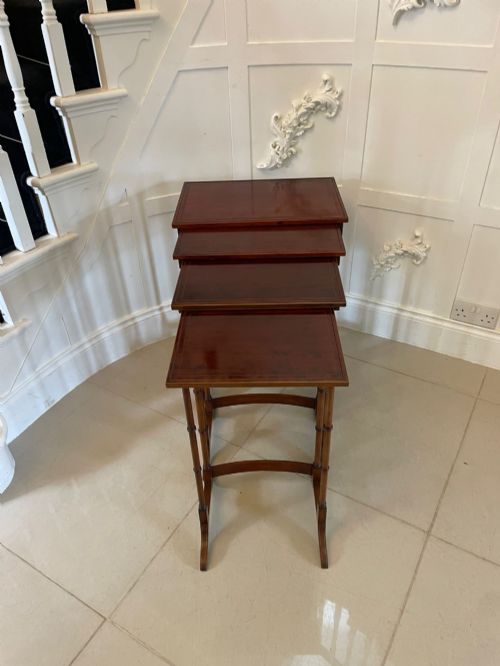
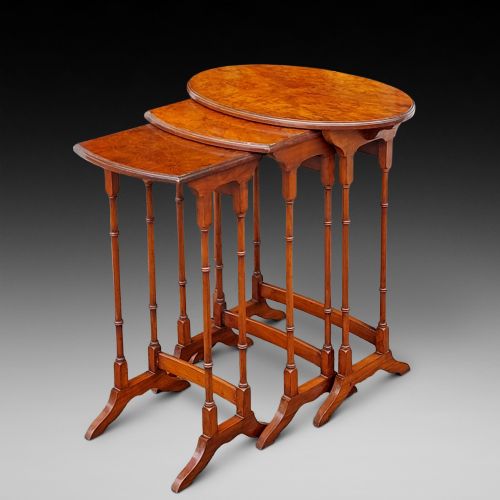
Nests of tables span both antique and vintage eras, with popular examples appearing from the late Victorian and Edwardian periods up through the 1920s. Cabinetmakers designed sets of three or four graduated tables that slide neatly beneath one another to save space.
Edwardian nests frequently showcase fine mahogany or burr walnut veneers, while later 1920s versions often use golden oak or light hardwood.
How do I care for an antique wood table?
Maintain antique timber by keeping it away from direct sunlight and heat sources, which dry out the wood and cause veneers to lift. Dust regularly with a soft, dry cloth rather than using silicone-based sprays.
Applying a traditional beeswax polish occasionally helps nourish the grain and preserve the historic patina without building up a sticky film.