
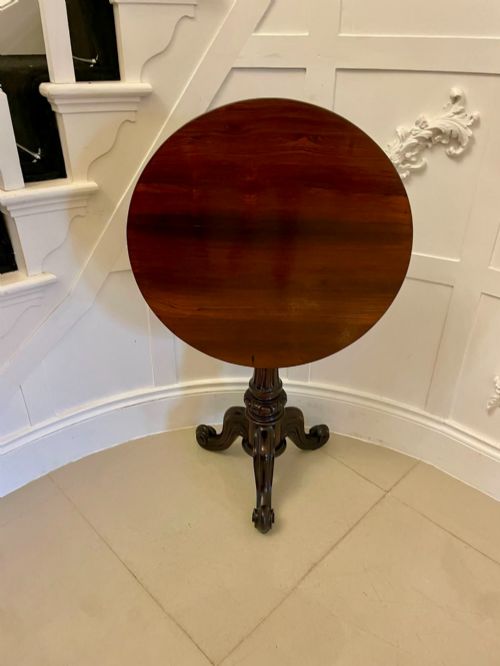
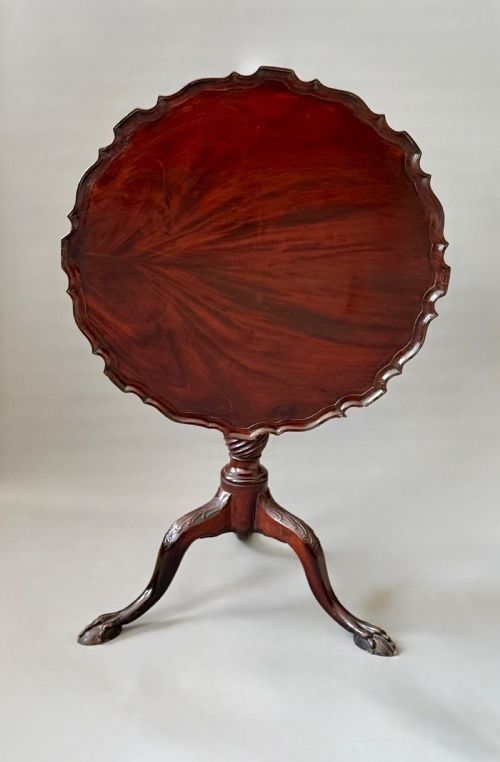
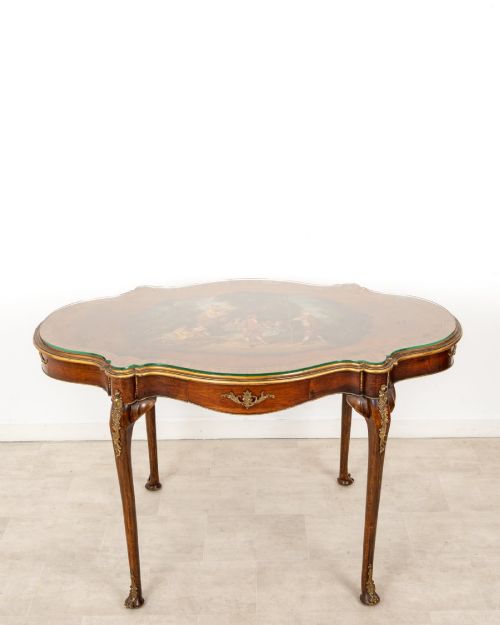
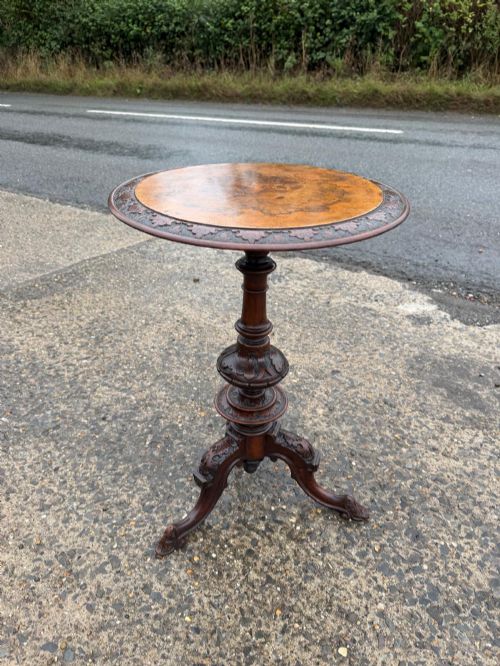
Carved Wood Occasional Table
A carved wood occasional table brings tactile warmth and intricate detail to any room, offering versatile utility alongside rich regional artistry.
Identifying carved wood occasional tables
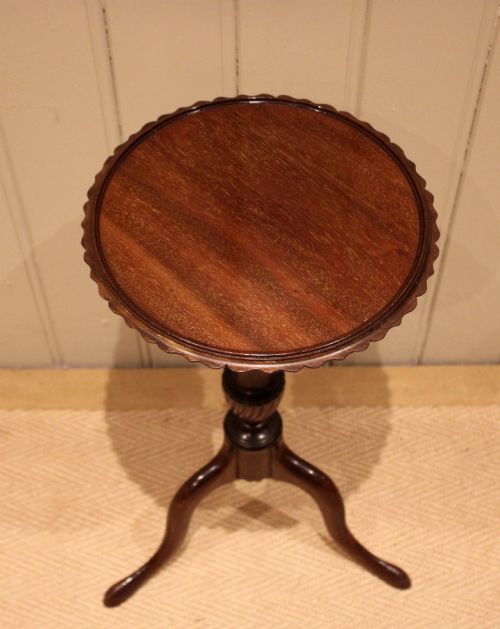
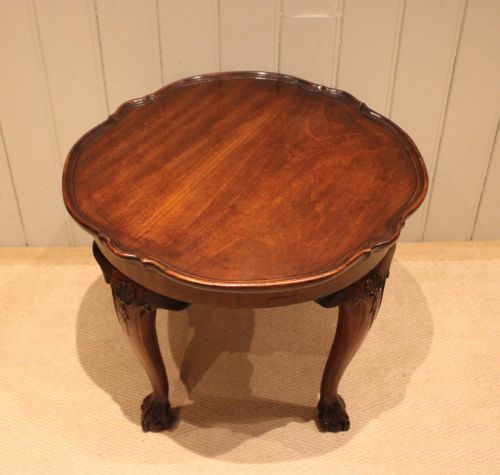
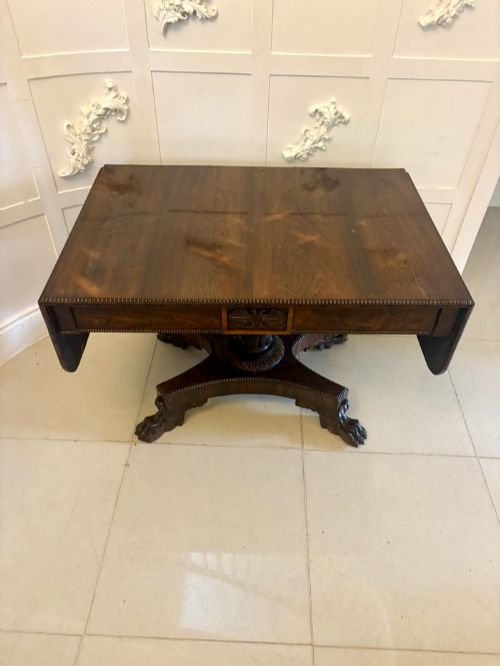
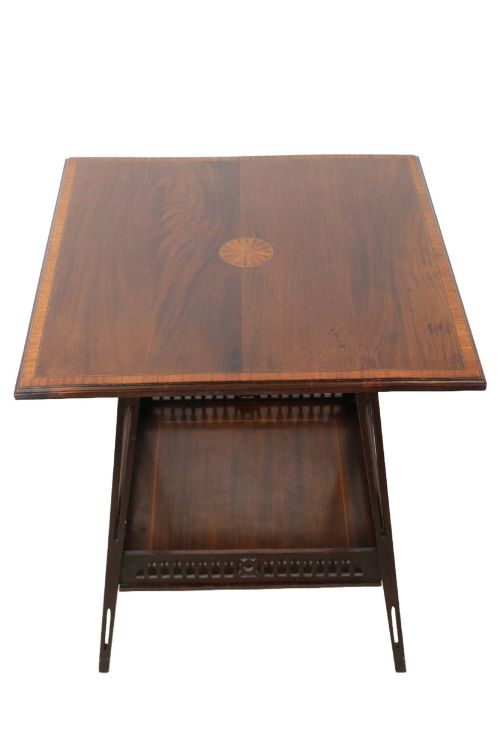
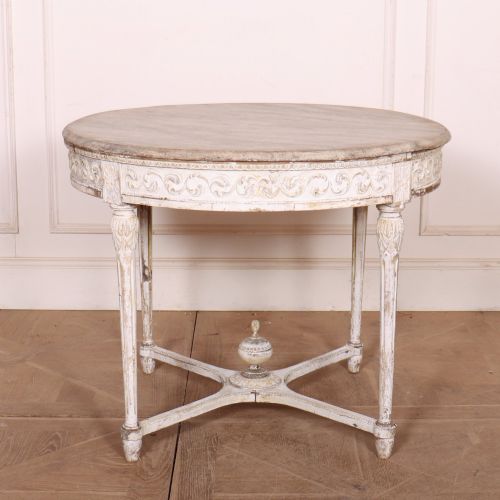
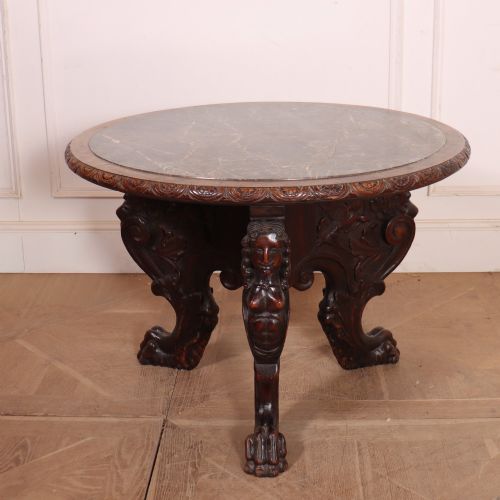
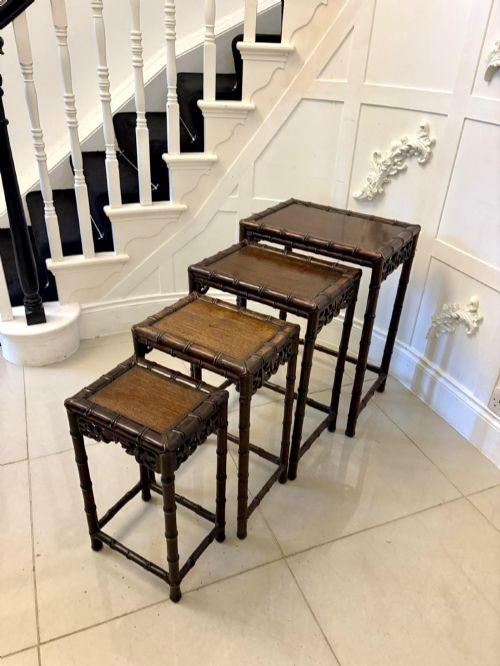
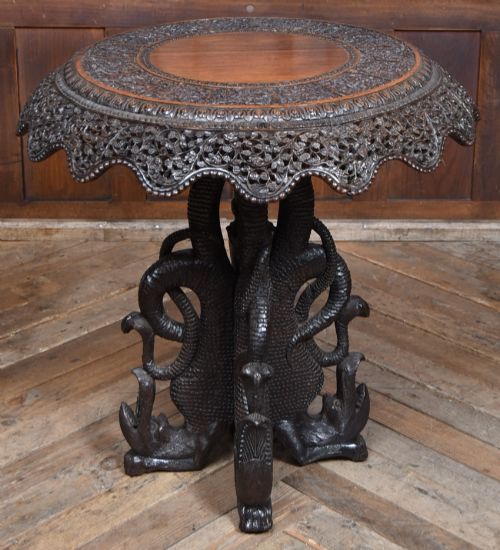
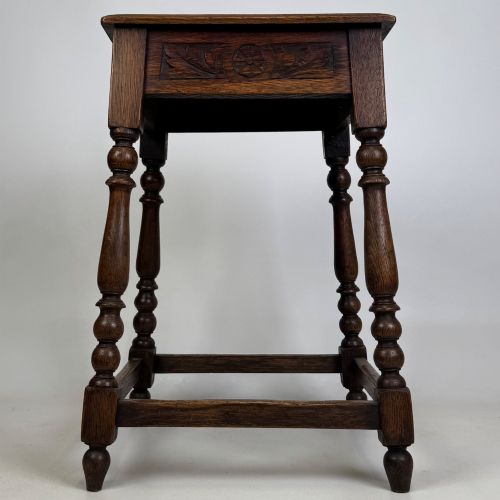
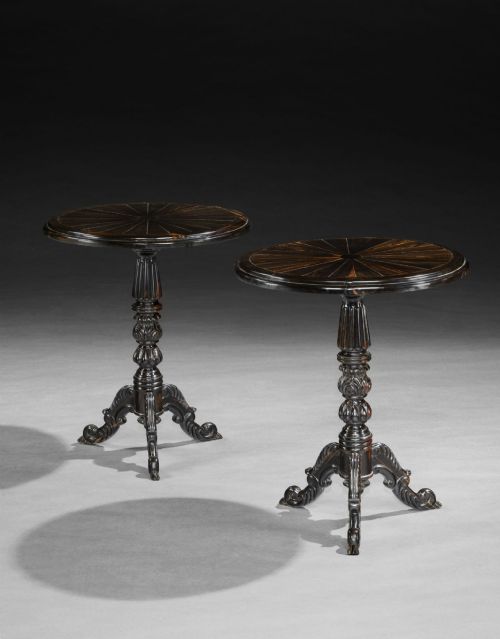
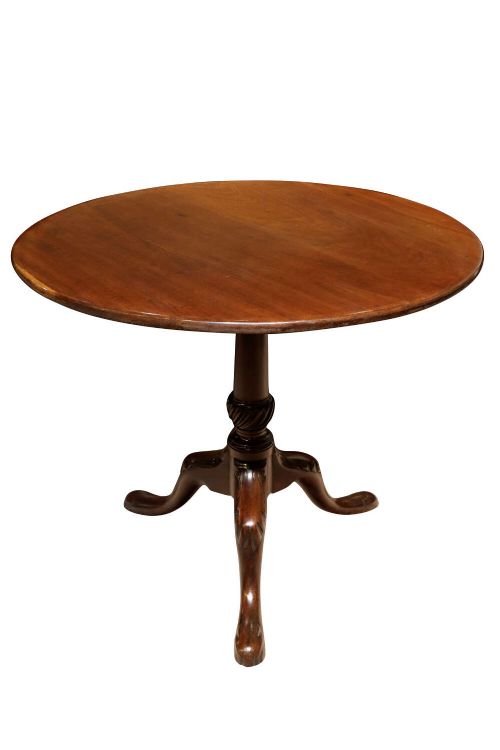
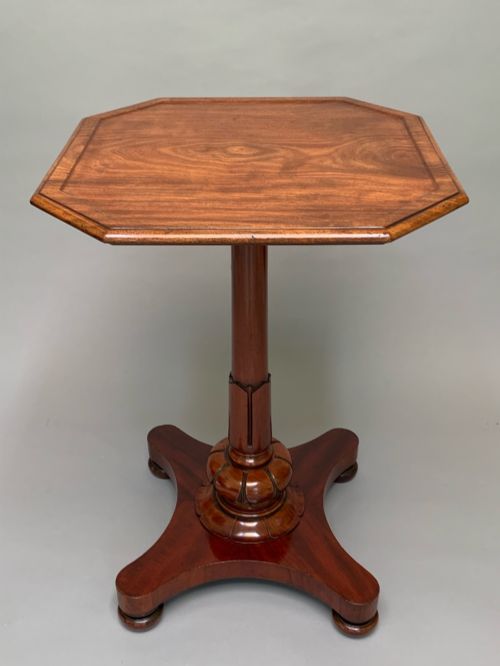
A carved wood occasional table encompasses a diverse array of small, moveable stands designed for specific domestic tasks or general placement around the home. Examples on this page span side tables, games tables, and centre tables originating from Victorian Britain, Anglo-Indian workshops, and Chinese Qing traditions.
Materials and construction methods
These tables utilise a broad selection of timbers, including walnut, burr walnut, teak, satinwood, lime wood, gilt wood, and dense oriental hardwoods like huanghuali and rosewood. Artisans combined these native and exotic woods with contrasting decorative elements such as bone inlay, ebony inlay, brass, and marble tops.
Construction relies on traditional joinery paired with intensive manual carving techniques executed across different global centres of craftsmanship. Workshops employed deep relief carving, turned supports, and folding bases to create both rigid stationary stands and portable occasional furniture.
Retail Price Guide 2026
Typical UK retail prices for carved wood occasional table, calculated from the Sellingantiques database of over a million retail prices indexed since 2003. This retail price guide relies exclusively on Sellingantiques data; no external sources or auction records are used, so the figures do not describe the wider market.
Materials documented across these tables range from domestic lime and satinwood to exotic rosewood, huanghuali, and dense hardwoods enhanced with bone and ebony inlay.
Assessing quality and craftsmanship
Quality in these tables is primarily determined by the depth, crispness, and complexity of the hand carving rather than the mere presence of decoration. Superior pieces display fluid, undercut relief work where foliage, figures, or geometric patterns possess sharp definition and balanced proportions.
The choice and preparation of the timber equally dictate the standing of a piece, with figured grain patterns, flawless inlay work, and robust structural joinery distinguishing superior workshop output. Tables utilising dense exotic hardwoods or incorporating specialised elements like marble tops and bone inlays demonstrate higher levels of artisanal investment.
The Carved Wood Occasional Table Glossary
- Tripod table
- A small stand supported by three legs radiating from a central pillar. This form provides stable footing on uneven historical floor surfaces.
- Hoshiarpur
- A North Indian city renowned for intricate woodwork. Tables from this region typically feature dense carving combined with bone or ivory inlay.
- Huanghuali
- A prized Chinese hardwood valued for its rich colour and distinctive grain. Artisans utilised this durable timber for high-status occasional and display furniture.
- Burr walnut
- A specialised wood cut from the growths or burls of walnut trees. It yields a swirling, highly decorative grain pattern favoured for prominent table tops.
Frequently Asked Questions
Where should I place an occasional table?
These compact tables suit living rooms, hallways, and bedrooms where extra surface space is useful without cluttering the floor plan. They function effectively beside seating, beneath windows, or as dedicated stands for lamps and decorative objects.
Because many historical examples feature detailed carving or delicate inlays, positioning them away from direct sunlight and heat sources helps preserve the wood and finish over time.
How do I identify a Victorian table?
Victorian pieces frequently employ European timbers like walnut and mahogany, displaying revival styles influenced by Gothic, Renaissance, or classical design. Construction methods typically reflect British cabinet-making standards of the nineteenth century.
Comparing the turned supports, stretcher arrangements, and edge mouldings against dated examples helps confirm the period of manufacture.
What is an Anglo-Indian table?
Anglo-Indian tables are items made in India during the British colonial period, often specifically for export to European markets. They combine traditional local carving techniques with furniture forms familiar to British homes.
These pieces frequently feature dense floral motifs, animal carvings such as elephants, and contrasting bone or ebony inlay set into indigenous hardwoods.
How do I care for antique carved wood?
Maintaining carved wood involves regular dusting with a soft, dry cloth to prevent dirt accumulating within the intricate recesses of the relief work. Occasional application of appropriate microcrystalline wax nourishes the timber without building up heavy residues.
Avoiding excessive moisture and maintaining stable room humidity prevents the timber from warping and protects delicate inlay materials from loosening.