

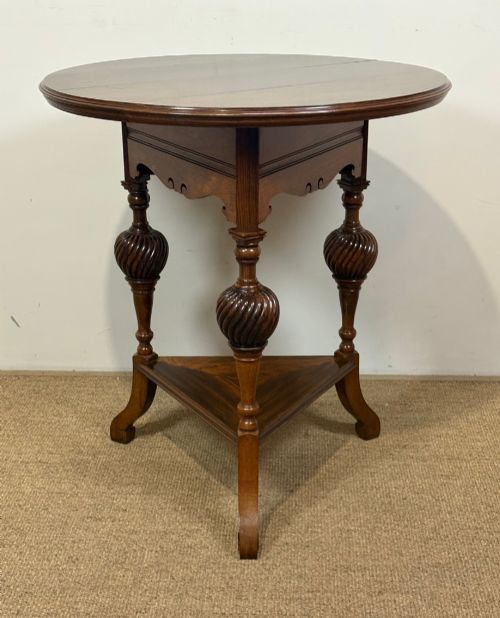
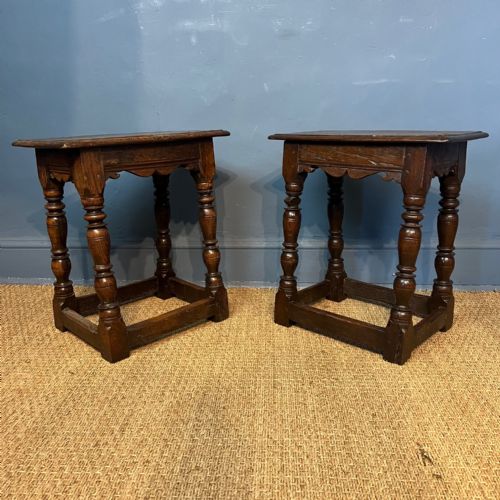
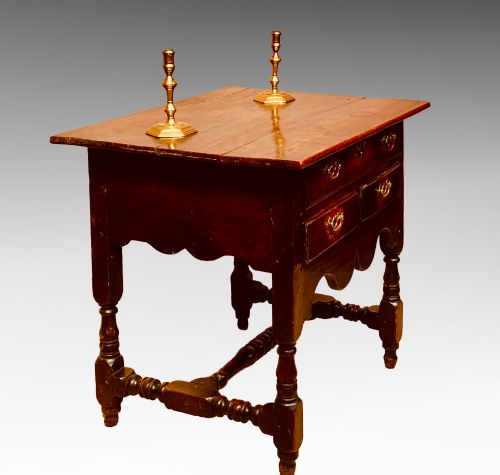
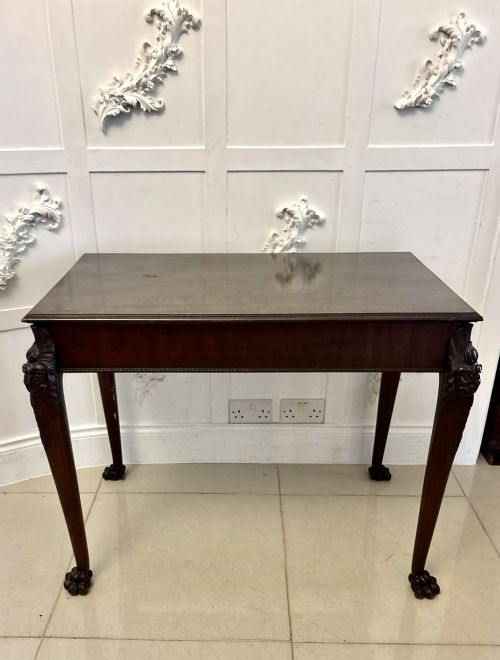
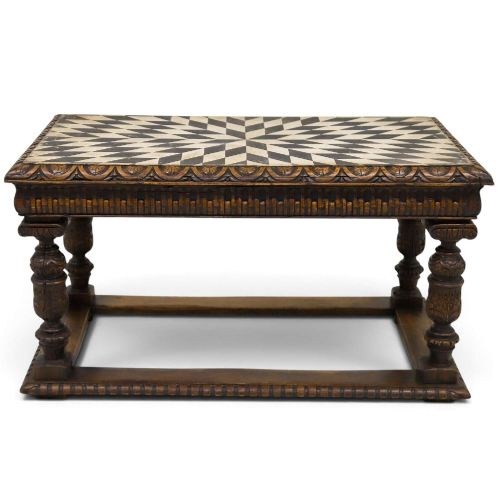
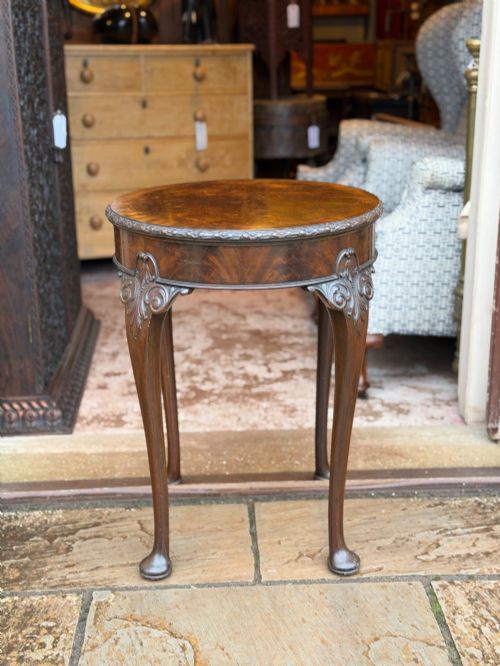
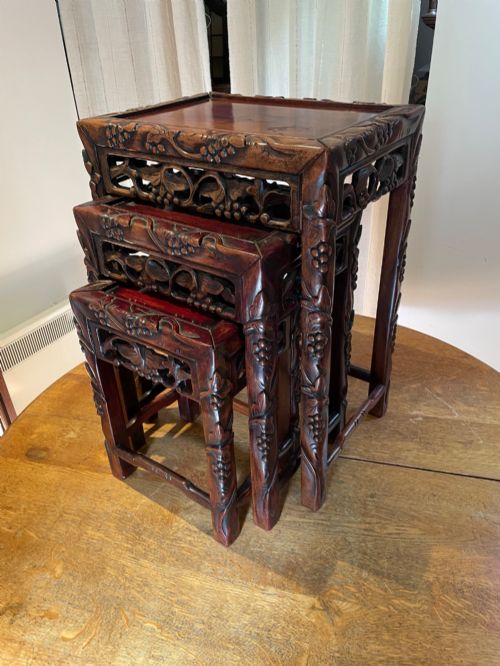
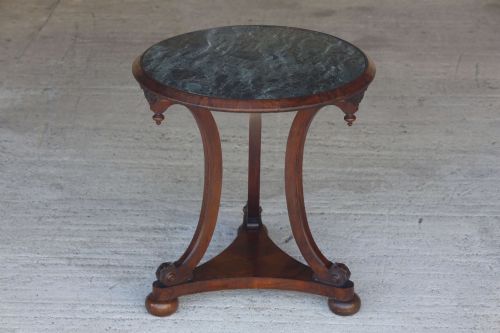
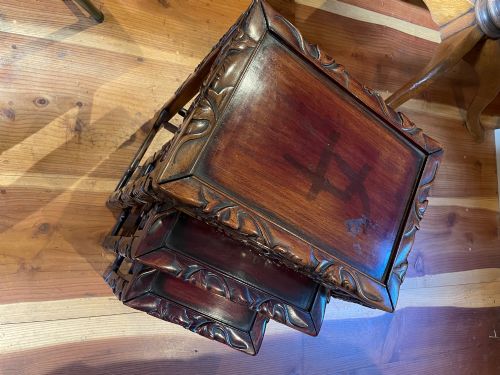

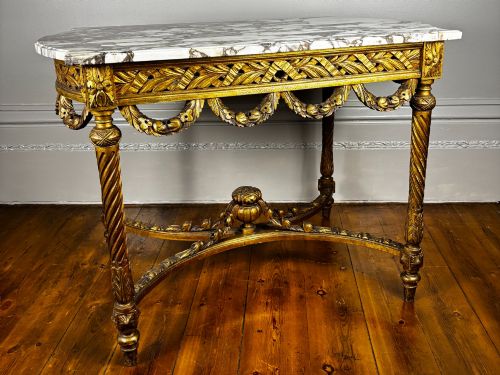
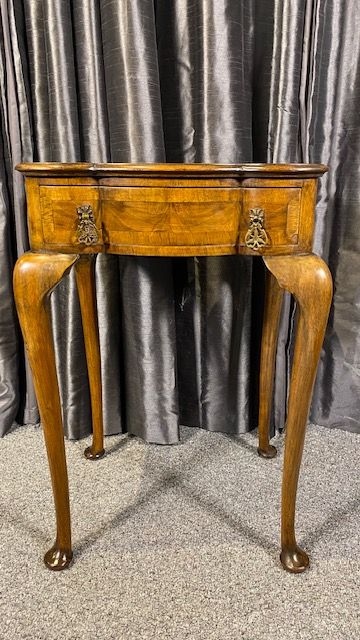
Carved Accent Table
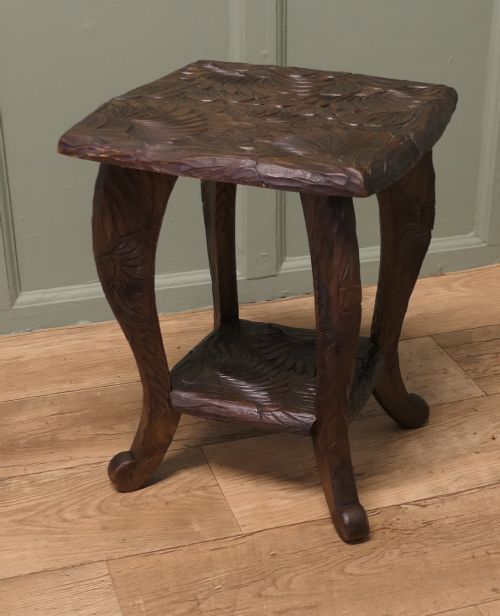
A carved accent table brings instant texture and history into a room, offering functional surface space carved with rich regional detail.
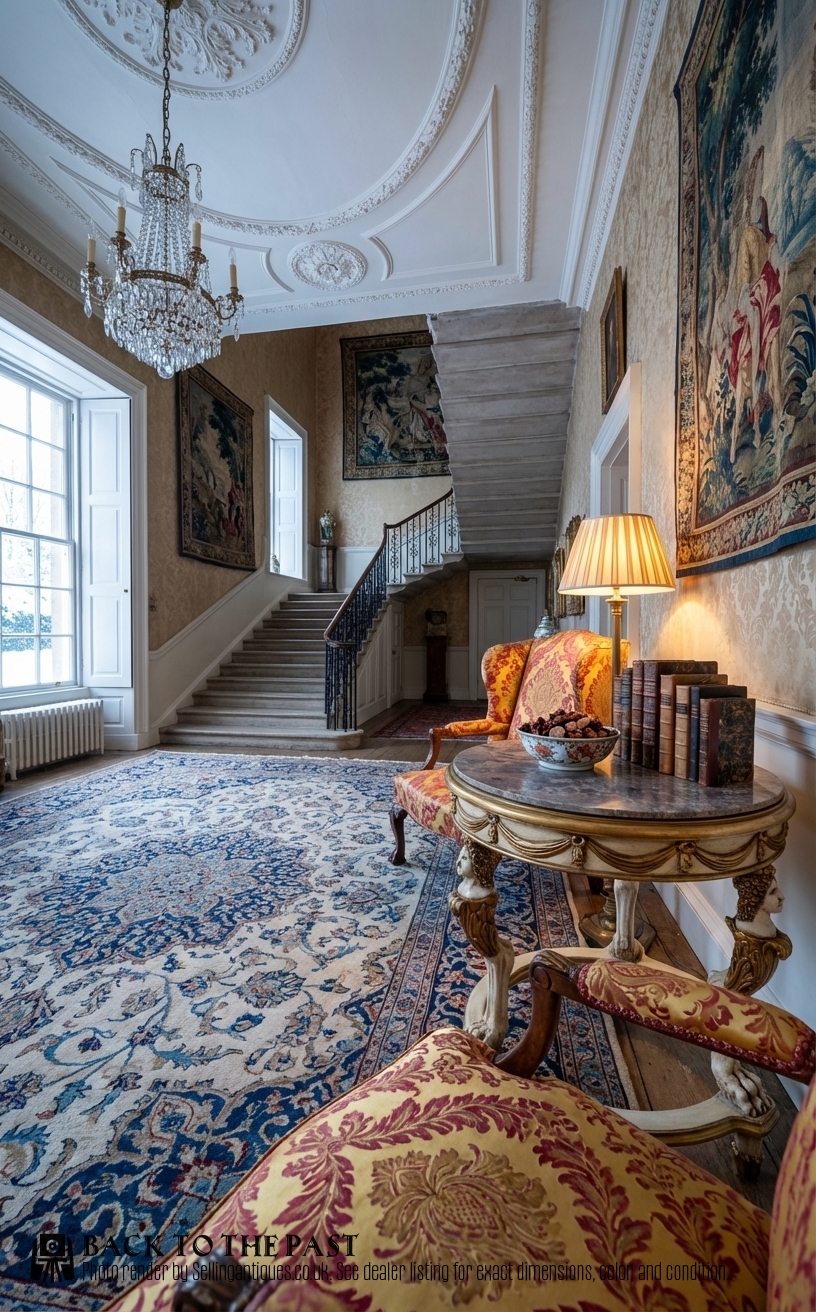
Carved Accent Table
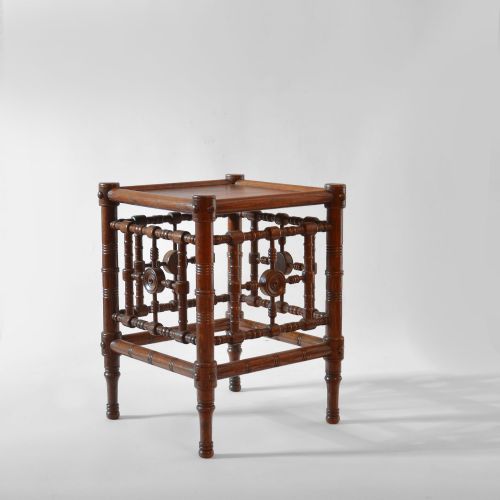
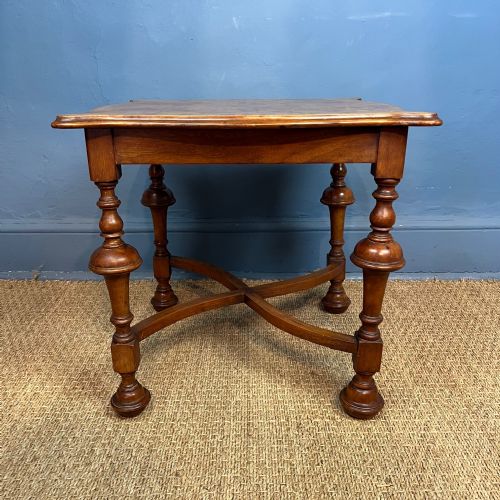
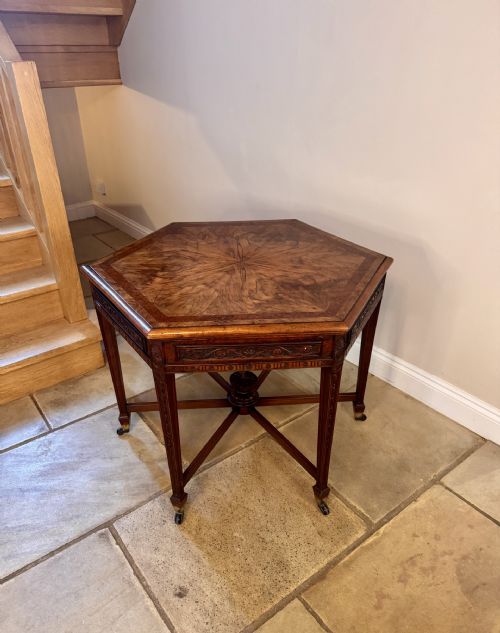
A carved accent table is a decorative and functional item typically placed in sitting rooms or hallways to hold small objects or lamps. When exploring this selection, buyers encounter occasional tables, side tables, and centre tables designed with ornate surface decoration.
The pieces available span the nineteenth century and the early twentieth century, reflecting diverse global and European aesthetic movements. Common regional iterations include Anglo-Indian walnut pieces, Swiss Black Forest linden wood works, and Syrian or Moorish designs.
European classical revivals also feature prominently, ranging from French Louis XVI style occasional tables to Italian painted and parcel gilt examples. Buyers are most likely to meet heavily carved occasional and side tables originating from British colonial connections or continental revival workshops.
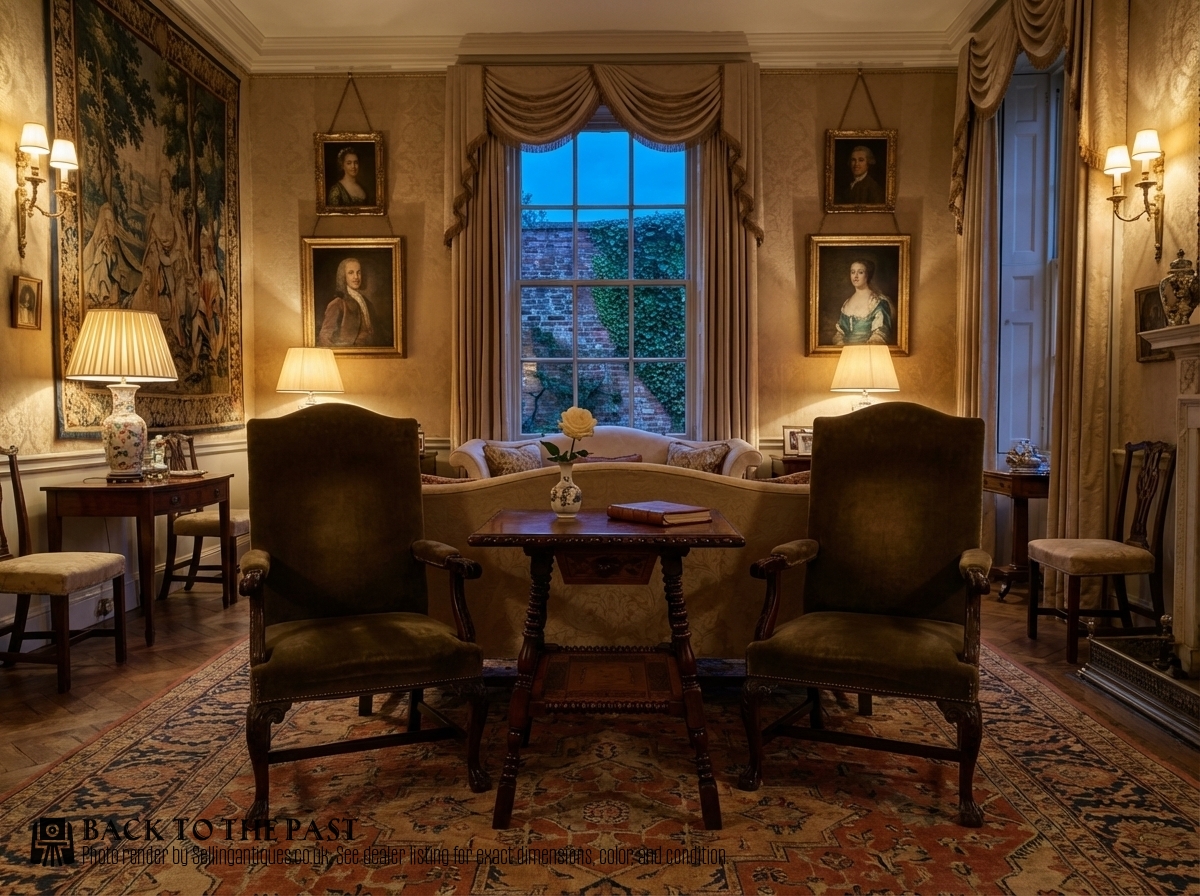
How they were made
Makers utilised a variety of dense timbers including walnut, linden wood, mahogany with fiddleback grain, and general hardwoods. Artisans employed hand carving techniques to achieve deep relief work, intricate foliage patterns, and figural supports.
Surface treatments varied according to regional style, combining natural wax finishes on walnut and linden wood with painted and parcel gilt highlights on Italian pieces. Some structures incorporate inset marble tops or metal components alongside the carved wooden frames.
Carved Accent Table Retail Price Guide 2026
Typical asking prices for carved accent table among the pieces listed under this phrase on Sellingantiques today, from the lower quarter to the upper quarter. They describe what is for sale here now, not the wider market.
Black Forest carvers maintained such competitive forestry skills that even local squirrels likely posed for them.
What varies in quality
The distinction between ordinary and exceptional examples rests upon the depth, sharpness, and ambition of the carving. Profusely carved surfaces require immense patience from the artisan, where crisp undercutting and balanced proportions elevate a piece far above simpler production.
Material selection and structural integrity also dictate worth, as seen in figured timbers like fiddleback mahogany or finely grained linden wood. The cohesion of style, whether a French Louis XVI framework or an intricate Black Forest motif, determines the overall visual success.
The Carved Accent Table Glossary
- Occasional table
- A small, movable table designed for a specific, intermittent use within a principal room. These items function well beside chairs or sofas.
- Centre table
- A freestanding table intended to be viewed from all sides, traditionally placed in the middle of a room rather than against a wall.
- Parcel gilt
- A decorative technique where selected areas of a carved wooden surface are partially gilded with gold leaf over a painted base.
- Fiddleback
- A figure in wood grain, particularly mahogany, that exhibits undulating transverse waves resembling the back of a violin.
Carved Accent Table: Frequently Asked Questions
Where should I place a carved accent table?
These tables suit hallways, drawing rooms, or beside seating where their detailed surfaces can be appreciated at close range. They function well as lamp tables or display surfaces for decorative objects.
Because many are designed as freestanding centre tables or side pieces, they benefit from placement where light catches the carved relief work from multiple angles.
How do I care for antique carved wood?
Maintain the timber by dusting regularly with a soft, dry cloth to prevent dirt settling into the intricate recesses of the carving. Avoid applying modern silicone sprays or heavy polishes.
Keep the table away from direct heat sources and strong sunlight to protect natural wood finishes and painted or gilded details from drying out and cracking.
How can I tell different regional styles apart?
Regional styles reveal themselves through the specific motifs and carving techniques employed by the makers. Black Forest pieces often utilise linden wood with naturalistic foliage or animal carvings, while Anglo-Indian and Syrian works feature dense, geometric, or orientalist patterns.
European revival pieces adhere to classical vocabulary, such as the refined symmetry of French Louis XVI designs or the ornate scrolling typical of Venetian Baroque and Italian Neoclassical furniture.
Are these tables sturdy enough for daily use?
Most antique accent tables were built to hold small decorative items, books, or lamps rather than heavy loads. While structurally sound, their intricate carved elements require gentle handling during cleaning and relocation.
Placing them in low-traffic areas ensures the delicate relief work and protruding wooden details remain protected from accidental knocks.