


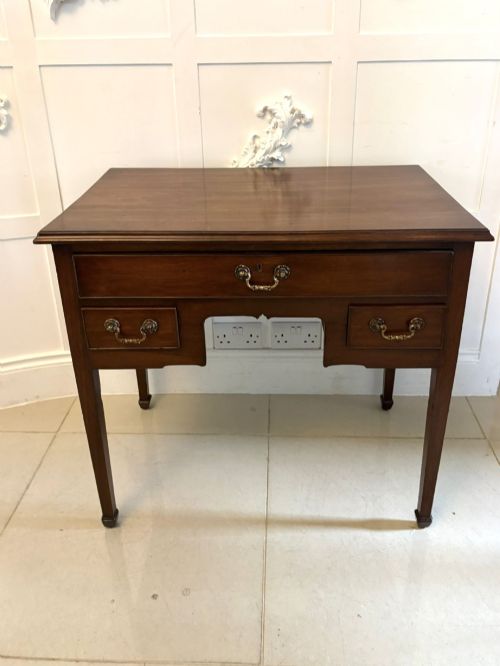
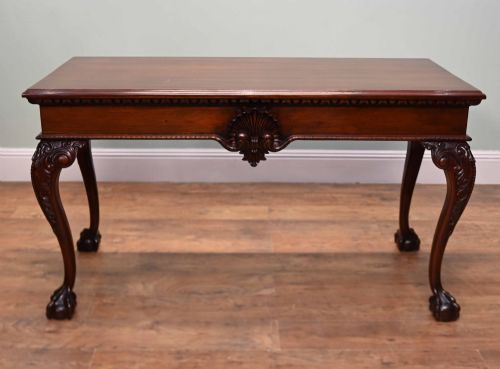
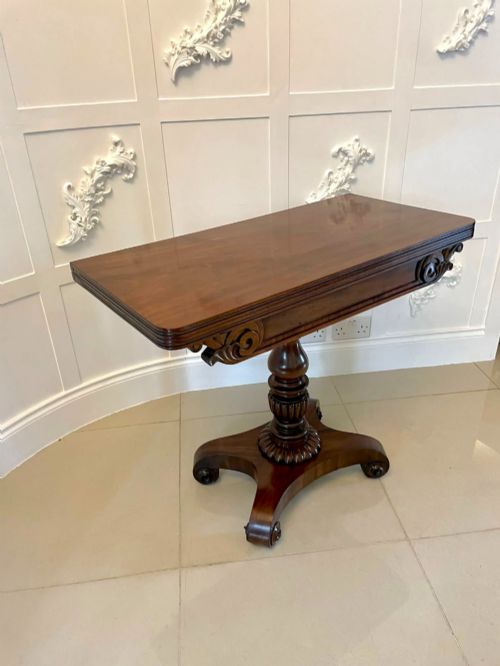
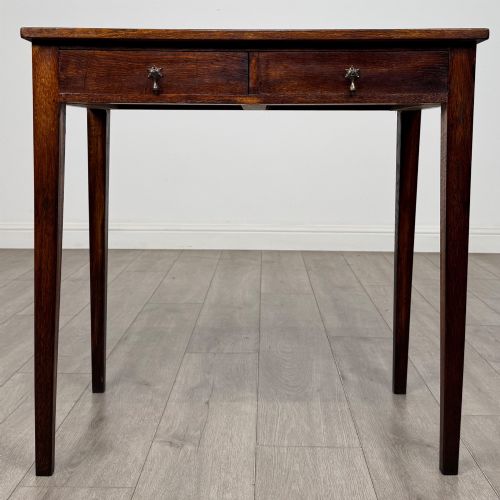
Vintage Entry Table
A vintage entry table sets the tone for a home, offering a functional surface for correspondence and keys as soon as the front door opens.
Vintage Entry Table
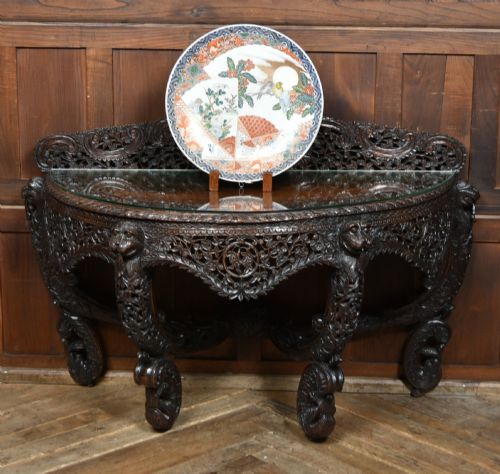
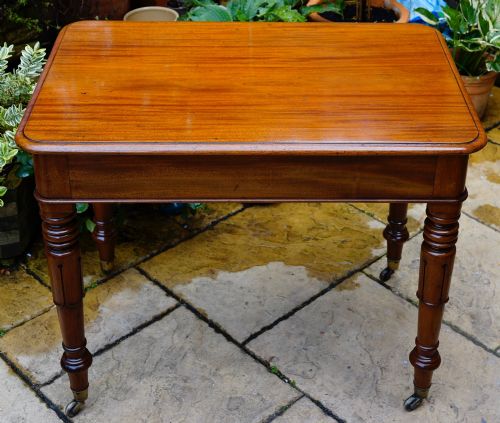
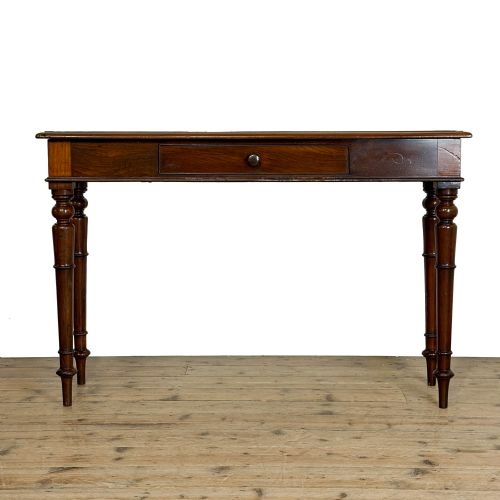
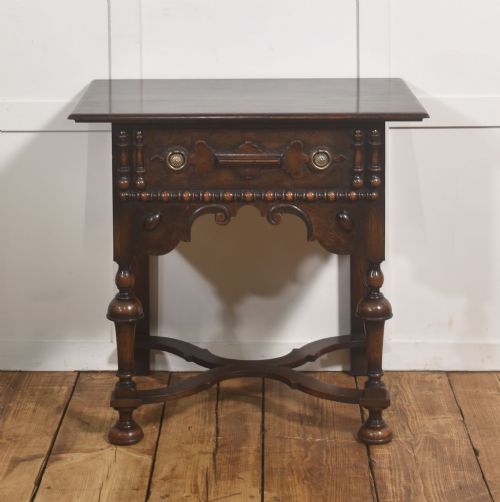
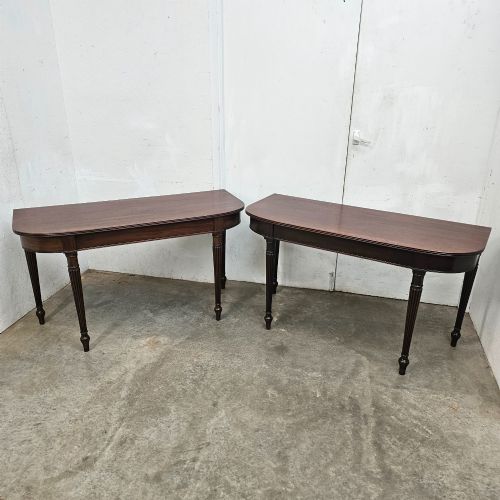
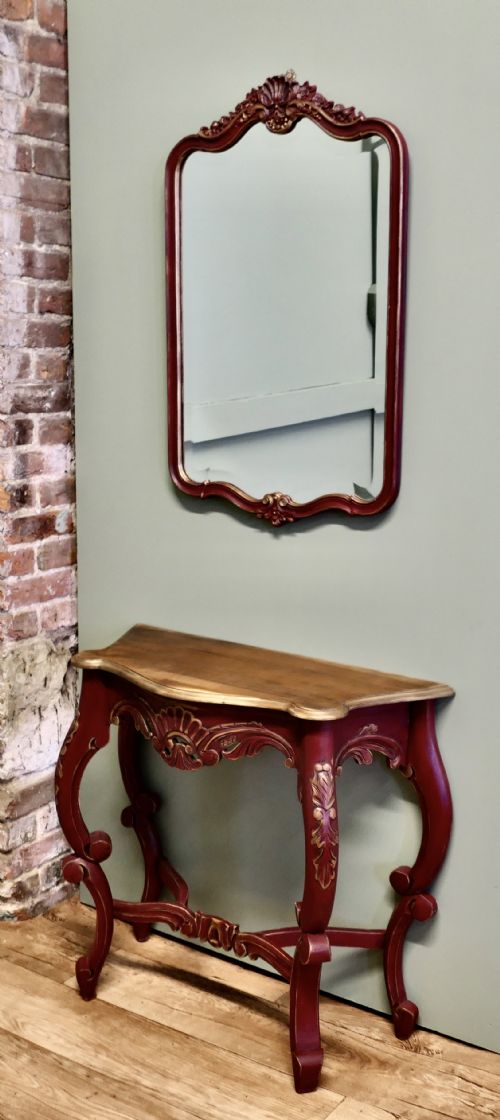
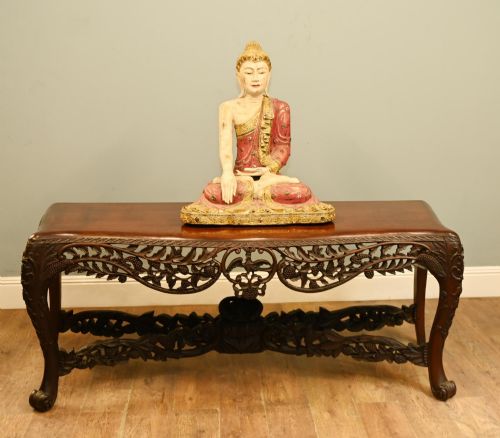
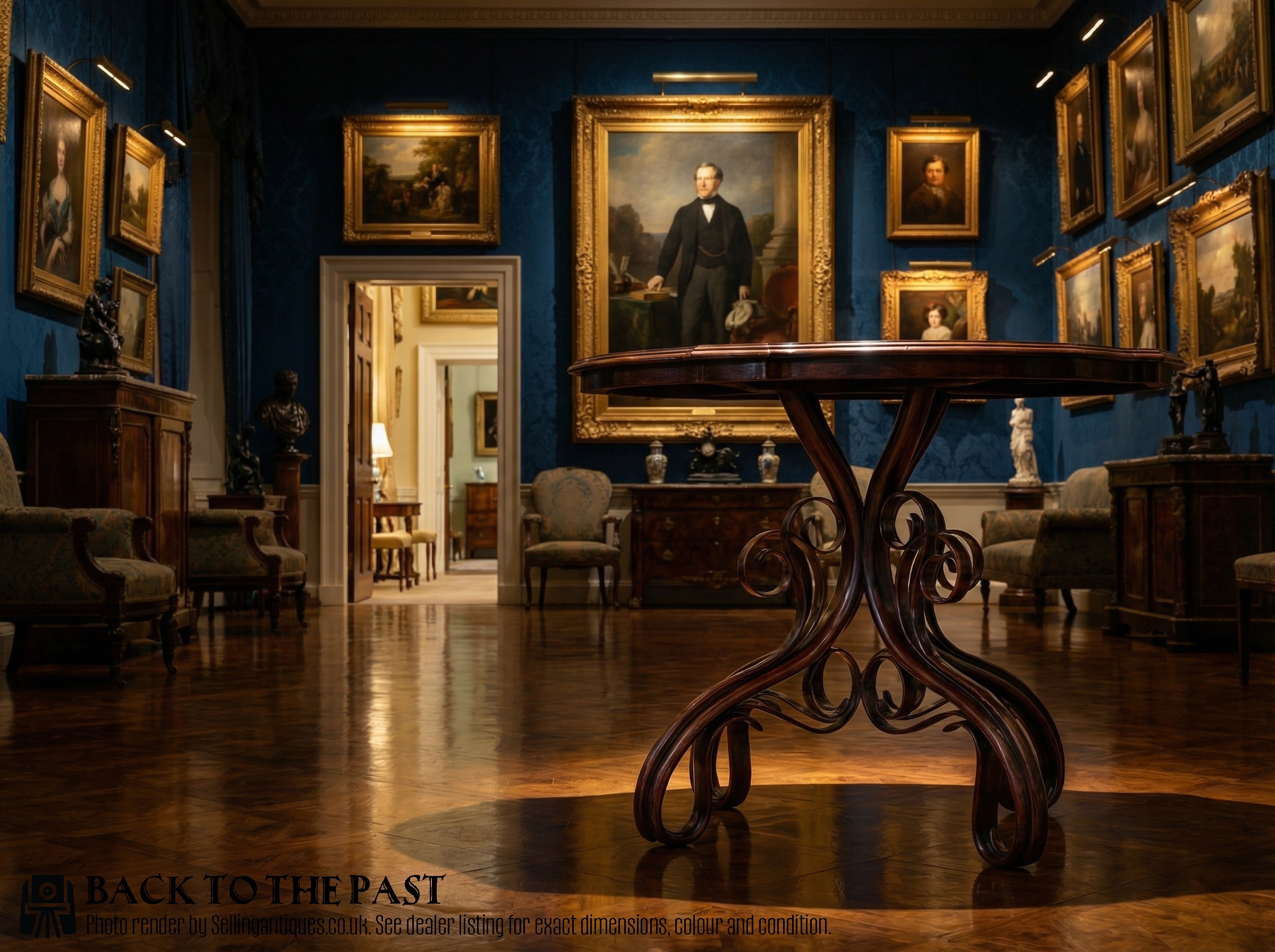
A vintage entry table encompasses console tables, centre tables, and side tables spanning from the Victorian and Edwardian eras into the Art Deco period. These pieces originate from diverse European and domestic workshops, adapting traditional forms for hallways and corridors.
Console tables dominate the selection, frequently featuring narrow profiles or demi-lune shapes designed to sit flat against a wall without obstructing narrow passageways. Alongside them, oak and mahogany side tables provide sturdy surfaces, while centre tables occupy larger vestibules.
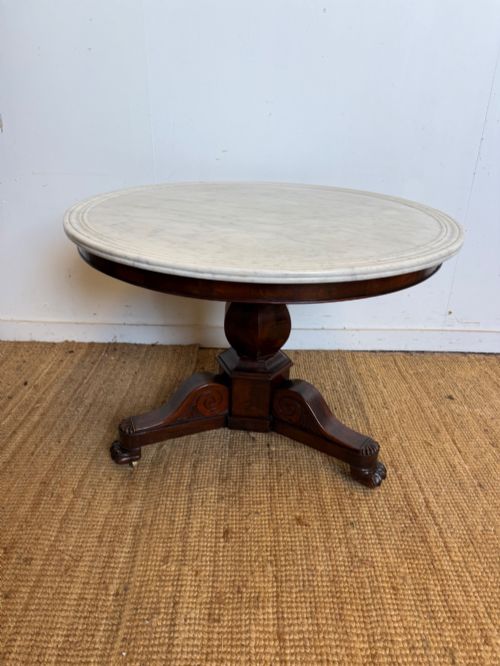
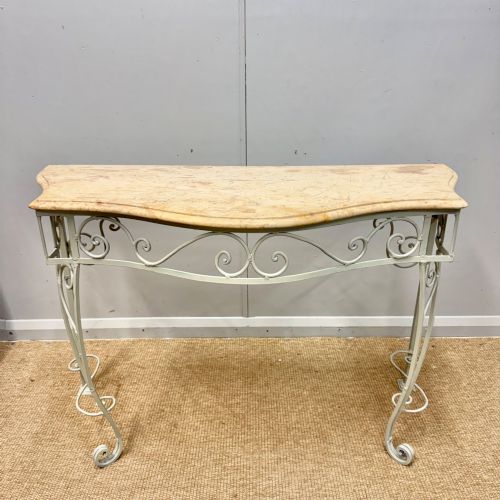
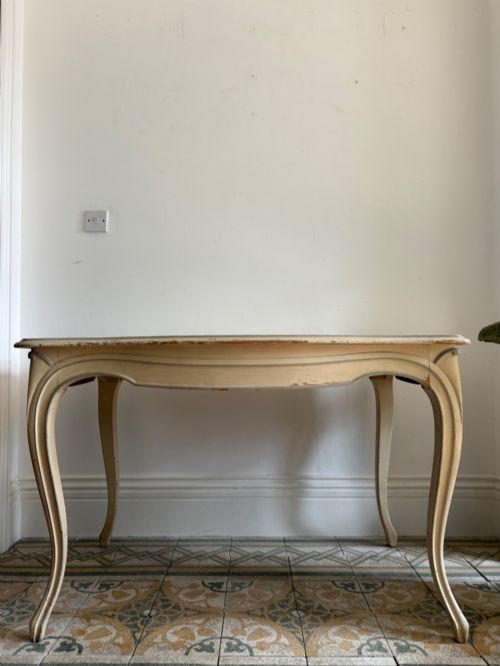
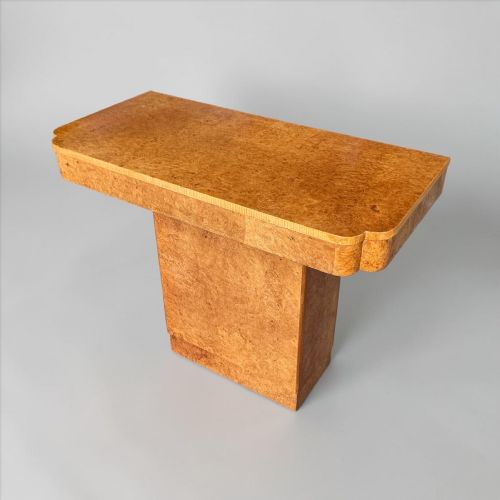
The material palette ranges from richly figured burr walnut and mahogany to painted wood, wrought iron, and industrial up-cycled cast iron bases paired with reclaimed pine. Marble and onyx tops appear on continental consoles, introducing durable stone surfaces to high-traffic areas.
Materials and construction methods
Cabinetmakers utilised dense hardwoods such as mahogany, oak, and walnut, often applying decorative veneers like burr walnut and birch to tabletops for visual depth. Carved wooden details, gesso finishes, and hand-painted surfaces reflect period aesthetic preferences from French provincial to Georgian revival styles.
Structural integrity relies on traditional joinery, complemented by cast iron frames and wrought iron scrollwork on industrial and continental examples. Inset materials such as marble, onyx, and suede provide contrasting textures and resilient surfaces suited to domestic use.
Vintage Entry Table Retail Price Guide 2026
Typical asking prices for vintage entry table among the pieces listed under this phrase on Sellingantiques today, from the lower quarter to the upper quarter. They describe what is for sale here now, not the wider market.
Listings span multiple decades, incorporating Victorian pitch pine washstands alongside 1930s Art Deco elm and burr walnut consoles.
Distinctions in execution and materials
Quality rests in the selection of timber veneers and the precision of hand-carved elements, where figuration in burr walnut or mahogany displays deliberate book-matching. Fine execution is visible in crisp mouldings, stable joints, and the integration of secondary woods.
The character of the top surface separates standard utility items from distinguished examples, particularly where imported marble, onyx, or finely inlaid birch elevate the piece. The harmony between the base support and the tabletop dictates the overall presence of the furniture.
Amleto Bertoni·Hille·Fortnum and Mason
The Vintage Entry Table Glossary
- Console table
- A table designed to be fixed against a wall, often supported by brackets or console legs. These pieces suit narrow hallways where floor space is limited.
- Demi-lune
- Half-moon shape. Demi-lune tables fit flush against walls, making them practical for compact entryways.
- Burr walnut
- A figured wood grain obtained from the wart-like growths on walnut trees. It creates intricate circular patterns highly valued in decorative cabinetmaking.
- Gesso
- A plaster-based material applied to wood surfaces to create a smooth base for gilding or painting. It allows for crisp relief ornamentation.
- Centre table
- A freestanding table designed to be viewed from all sides. These require finished timber or stone across the entire top surface.
Vintage Entry Table: Frequently Asked Questions
How do I choose the right size?
Measure the available width and depth of the hallway carefully, ensuring a clearance of at least ninety centimetres for movement past the furniture. Narrow console tables and demi-lune shapes work best in restricted corridors.
Consider the height in relation to skirting boards and wall sockets. A piece that matches the scale of the entrance without blocking doors creates a balanced arrangement.
Where should an entry table be placed?
Position the table along a primary arrival wall where it can catch post, keys, and daily items immediately upon entering the home. Hallways and landings provide the natural context for these surfaces.
Avoid placing wooden tables directly against active radiators or in damp entryways. Stable ambient conditions protect timber veneers and prevent warping.
How do I care for marble and onyx tops?
Wipe stone surfaces regularly with a soft, damp cloth and mild neutral soap. Avoid acidic cleaners, vinegar, or citrus-based products that etch polished marble and onyx.
Use coasters under drinks and felt pads beneath decorative objects to prevent scratches. Periodic sealing helps protect porous stone against moisture absorption.
What is the difference between a console and a side table?
Console tables are specifically proportioned to stand against a wall, frequently featuring two legs at the front and wall fixings or brackets at the back. Side tables are freestanding four-legged items.
While both serve similar functional roles in an entrance, side tables offer greater flexibility if room layouts change. Consoles remain preferred for ultra-narrow passages.