



Gilded Hall Table
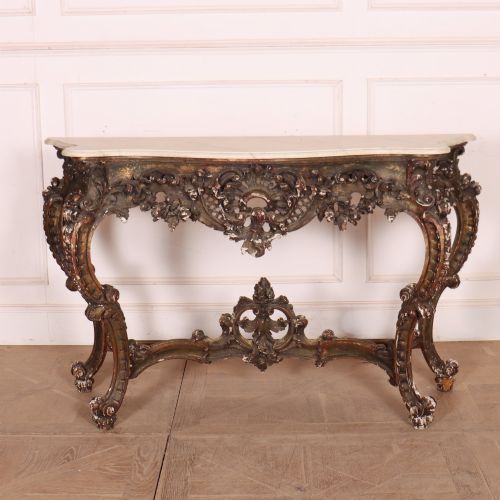
A gilded hall table brings a striking architectural presence into a grand entrance, combining rich metallic surfaces with substantial stone or wood.
Gilded Hall Table
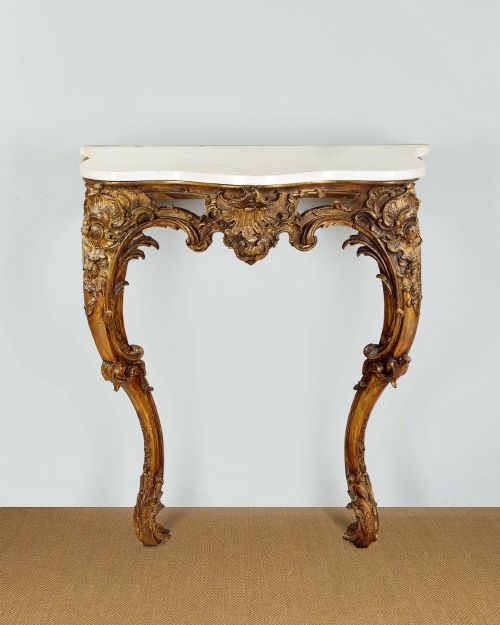
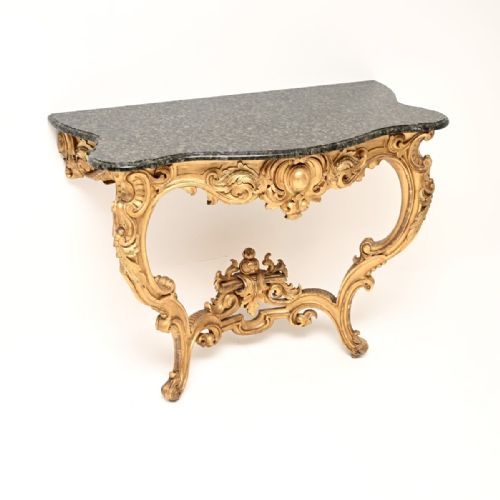
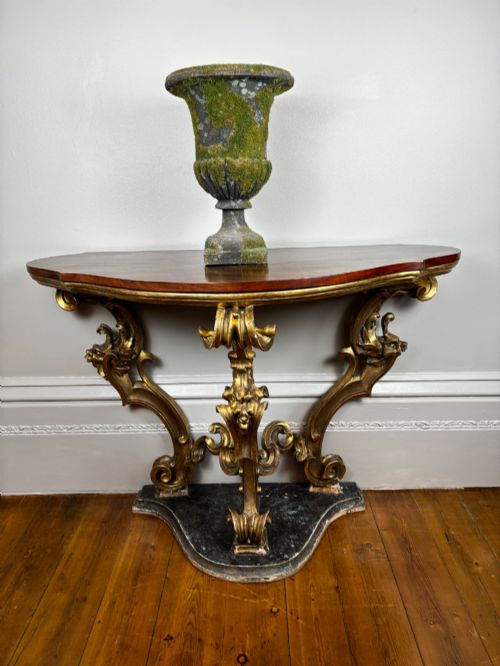
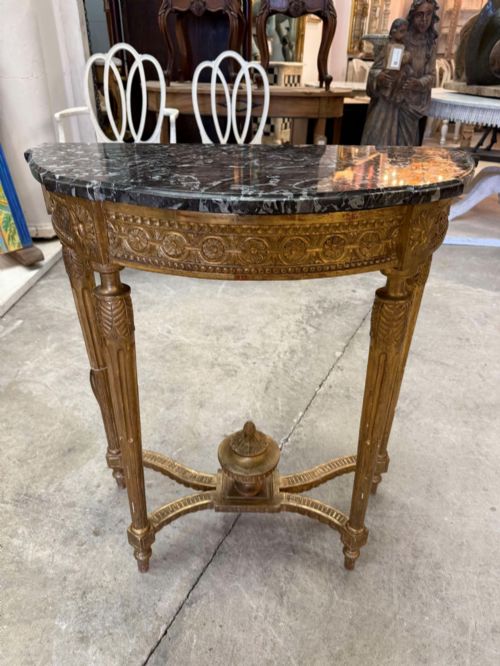
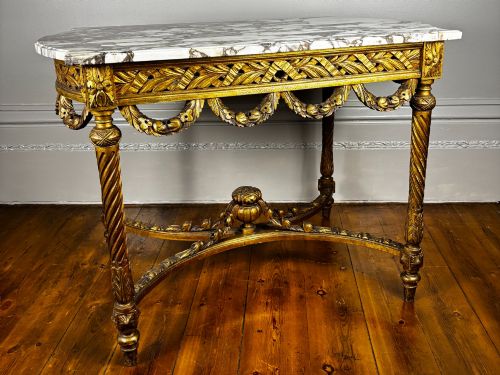
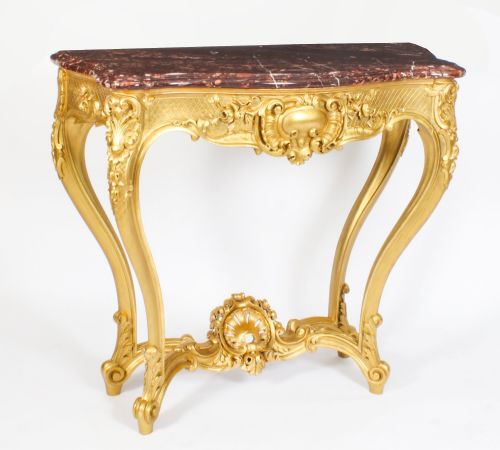
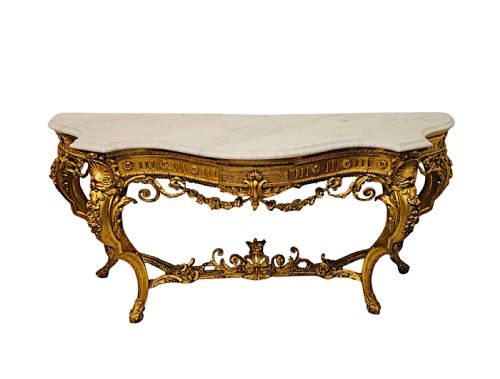
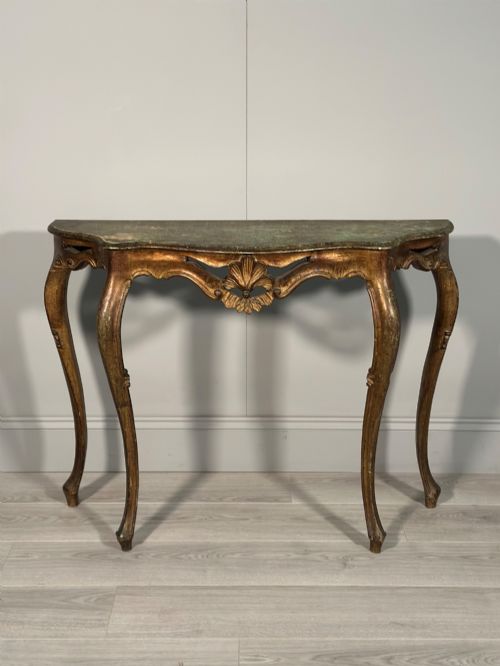
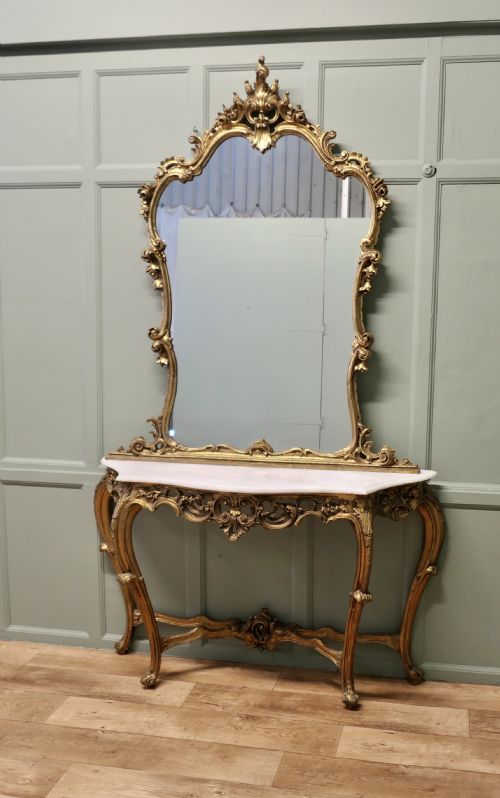
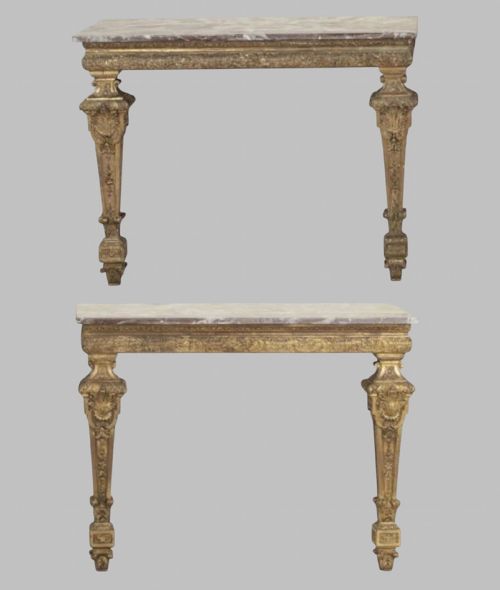
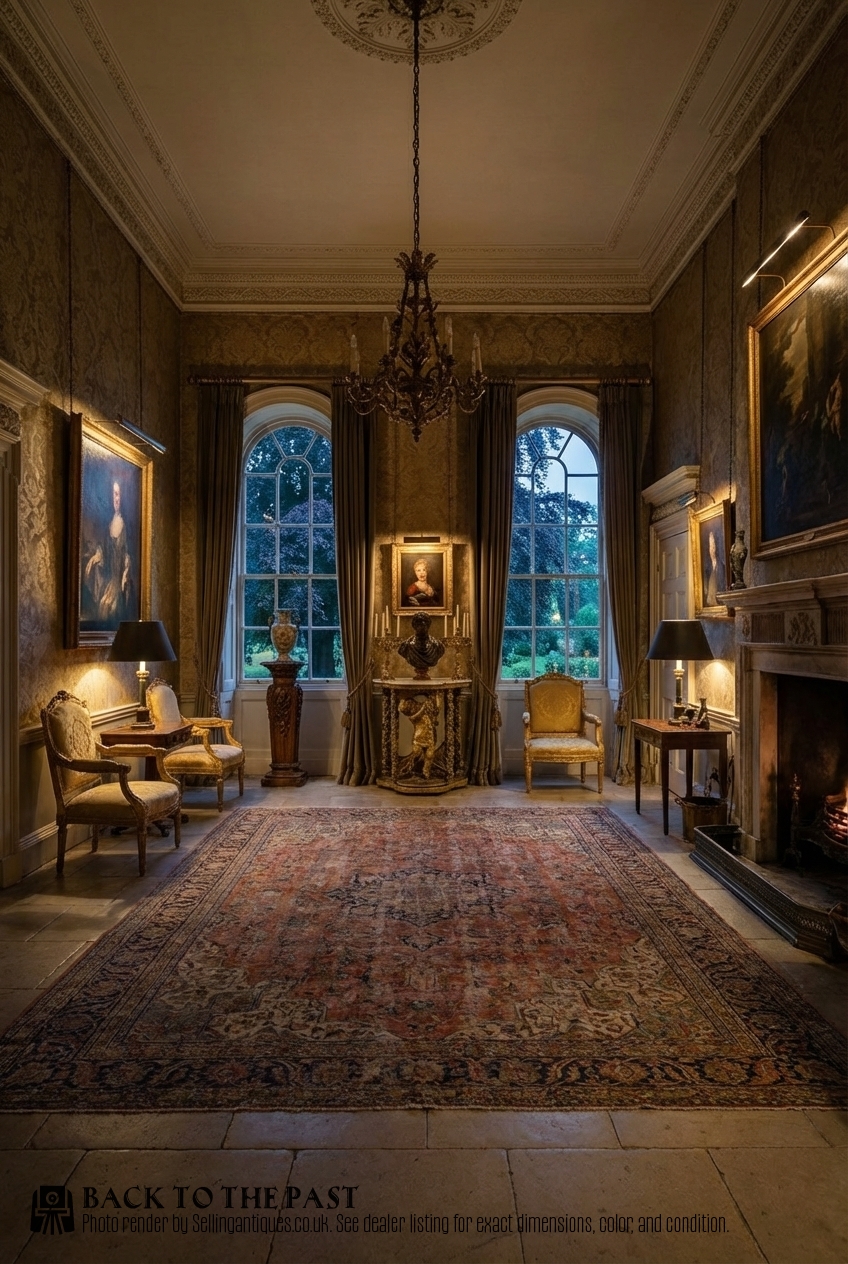
When you search for a gilded hall table, you encounter console tables, centre tables, and side tables designed to anchor large spaces. These pieces emerge predominantly from the eighteenth and nineteenth centuries, with notable examples spanning into the early twentieth century. Italian, French, and English workshops dominate the selection, often taking the form of console tables placed against walls beneath matching mirrors.
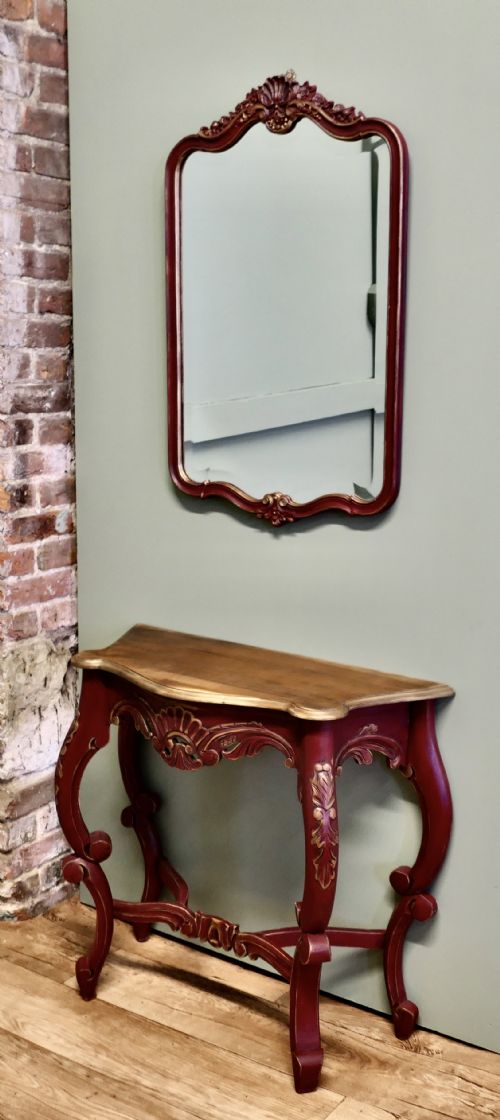
The domestic role of a gilded hall table historically involved displaying decorative objects or providing a surface for visiting cards in a reception room. Console tables frequently feature flat backs for wall placement, whereas centre tables stand free in rooms with detailed decoration on all sides. You will also find combinations including console tables paired with mirrors, designed to create a unified decorative scheme.
Materials and construction
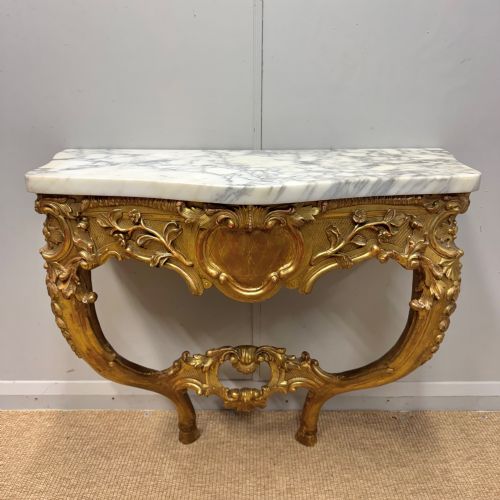
Maker construction relies heavily on carved wood, gesso, and applied gold leaf or silver gilt to build rich surface relief. Carvers shaped timber frames before applying gesso layers to receive intricate detail and metallic leaf. Giltwood, paint, and parcel gilt finishes appear frequently across the pieces.
Tops utilise substantial stone and marble, including onyx, Siena marble, and Breccia marble, fitted directly onto the wooden frames. Oak, walnut, and wrought iron support secondary structures, while surface decoration often incorporates polychrome paint or ebonised details alongside traditional gilding techniques.
Gilded Hall Table Retail Price Guide 2026
Typical asking prices for gilded hall table among the pieces listed under this phrase on Sellingantiques today, from the lower quarter to the upper quarter. They describe what is for sale here now, not the wider market.
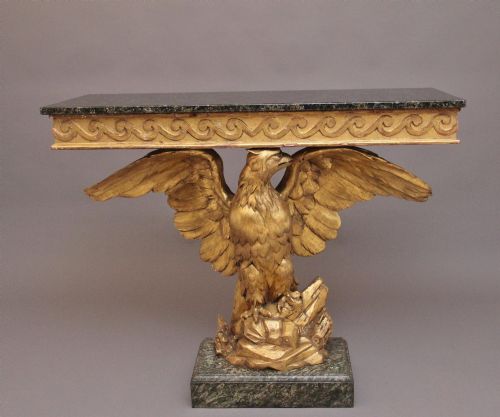
One exceptional nineteenth-century table rests on carved lion's paw supports, ready to pounce across your hallway.
Separating the levels of quality
Quality reveals itself in the depth and crispness of the carved wood beneath the gilding, where confident hand-carved botanical and scroll motifs surpass shallow or mechanical moulding. The weight and selection of the marble top also dictate grade, with thick slabs of figured marble indicating superior production.
The application of gold leaf demonstrates artisan skill, with genuine gold leaf maintaining warmth and texture compared to flat modern metallic paints. Structural integration between the marble top and the carved base separates standard domestic joinery from monumental reception room pieces.
Amleto Bertoni·Hindley & Sons·Walker & Hall
The Gilded Hall Table Glossary
- Giltwood
- Wood that has been coated with gold leaf over a prepared gesso ground. This traditional finish provides a luminous and durable surface.
- Console table
- A table designed to be fixed against a wall, frequently supported by ornamental brackets or legs at the front. These pieces traditionally accented formal hallways and reception rooms.
- Gesso
- A plaster mixture applied to carved wooden frames as a smooth base for gilding and paint. It allows artisans to carve fine details before applying metallic leaf.
- Rococo
- A decorative style characterised by asymmetry, scrollwork, and naturalistic plant motifs. It appears frequently in nineteenth-century revivals on Italian and French furniture.
Gilded Hall Table: Frequently Asked Questions
Where should I place a gilded hall table?
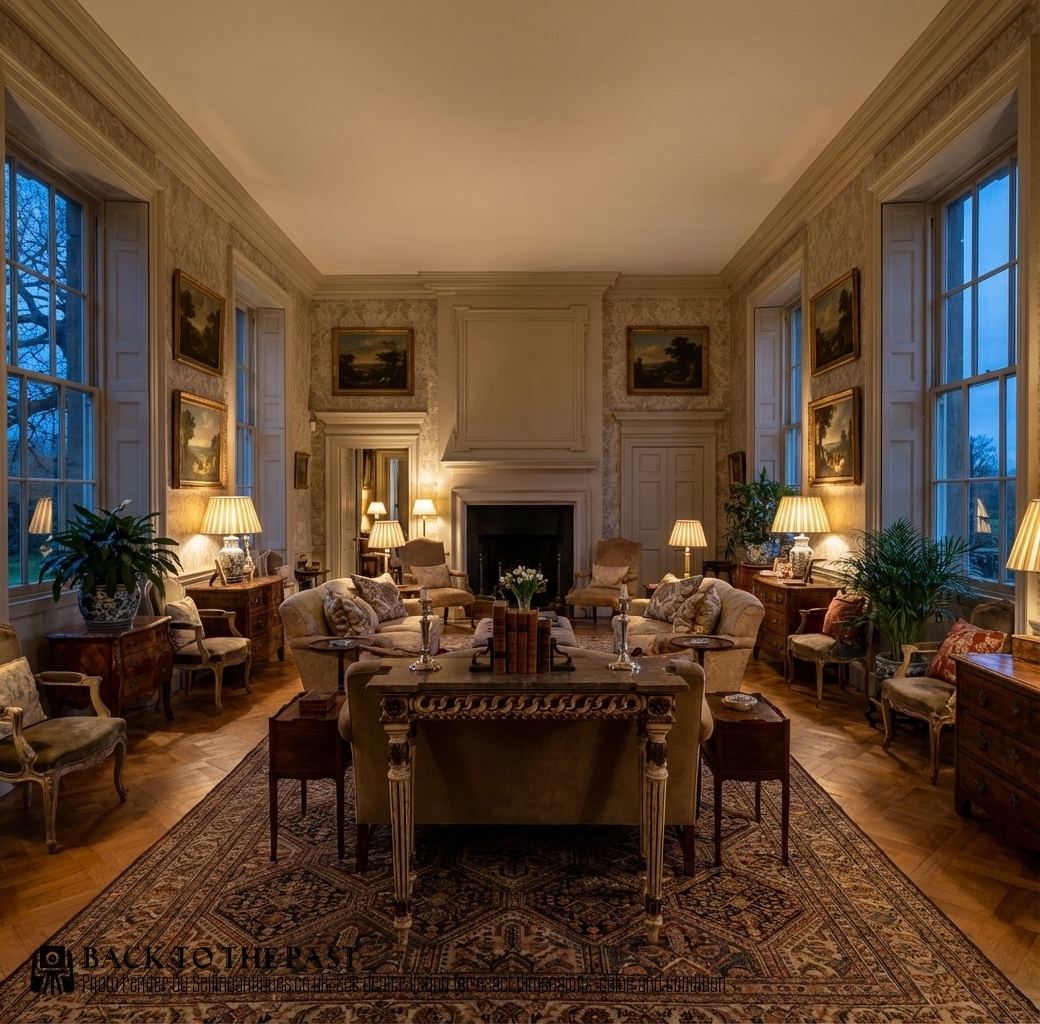
These tables suit grand entrance halls, corridors, or principal reception rooms where their decorative presence creates an immediate focal point. Console variations sit flush against a wall beneath paintings or mirrors, while centre tables occupy open floor spaces.
Ensure the circulation space around the table remains clear, as the protruding carved legs and stone tops require adequate clearance. Placing them away from direct sunlight preserves the gilded surfaces and painted finishes over time.
How do I care for the marble top?
Marble tops require gentle cleaning with a damp cloth and mild, pH-neutral soap to avoid damaging the polished stone surface. Avoid acidic liquids, alcohol, and harsh household cleaners, which etch marble and dull the finish.
Using coasters and mats beneath objects placed on the table prevents scratching and staining. Professional polishing restores the original sheen if the stone develops dull patches from long-term use.
How do I distinguish eighteenth-century pieces from later revivals?
Eighteenth-century examples display hand-cut joinery, aged timber patination underneath the gilding, and gesso layers that show natural wear patterns. Revival pieces from the Victorian era or the early twentieth century often utilise machine-sawn framing timber while imitating earlier styles.
Examine the underside and structural joints for tool marks and material consistency. Historical repair work and timber shrinkage offer further clues to the actual age of the wooden frame.
Are these tables sturdy enough for daily use?
Console tables rely partly on wall fixings or robust front leg supports to balance heavy marble tops. They provide stable surfaces for lamps and decorative objects rather than heavy domestic loads.
Centre tables stand independently on multiple legs or central pedestals, offering greater balance for placement in open rooms. Check the stability of the leg joints and marble seating points to ensure secure daily use.