


Gilded Occasional Table
A gilded occasional table brings light and compact elegance to a room, offering a small surface with a bright, reflective finish.
What a gilded occasional table is
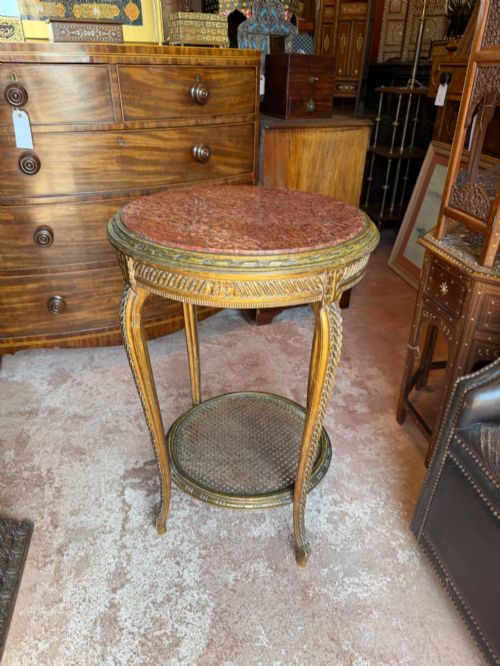
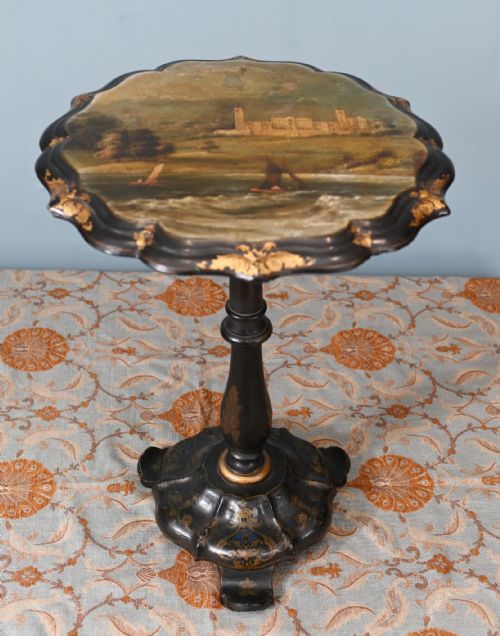
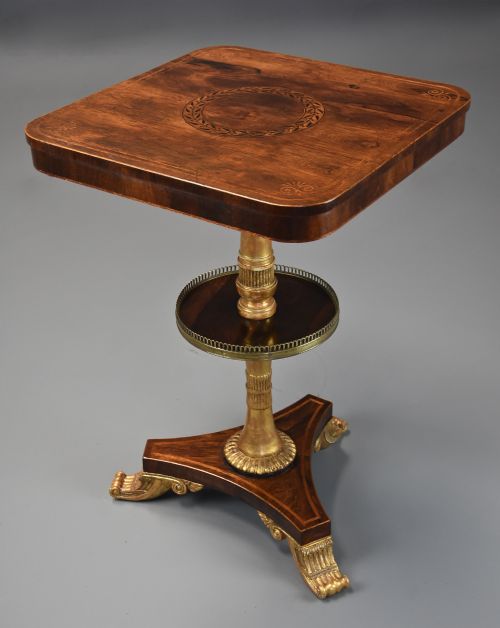
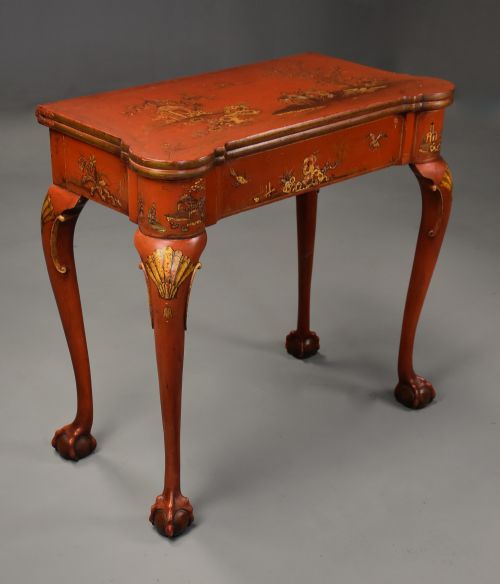
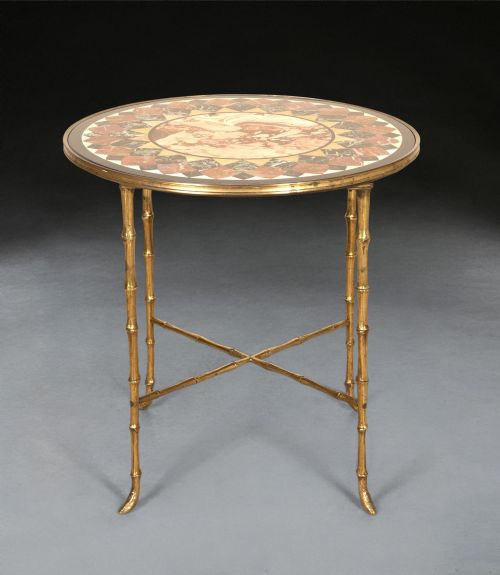
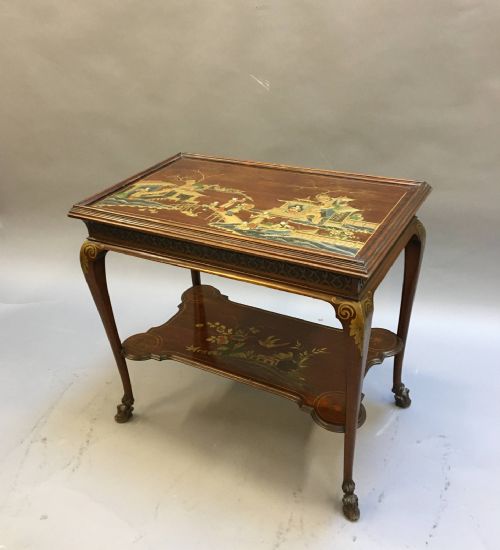
A gilded occasional table provides a portable, decorative surface designed to hold small items or sit beside seating. Examples span the Regency period through the mid twentieth century, drawing on French Rococo Revival, Venetian Baroque Revival, Louis XVI, Italian Neoclassical, and Victorian styles.
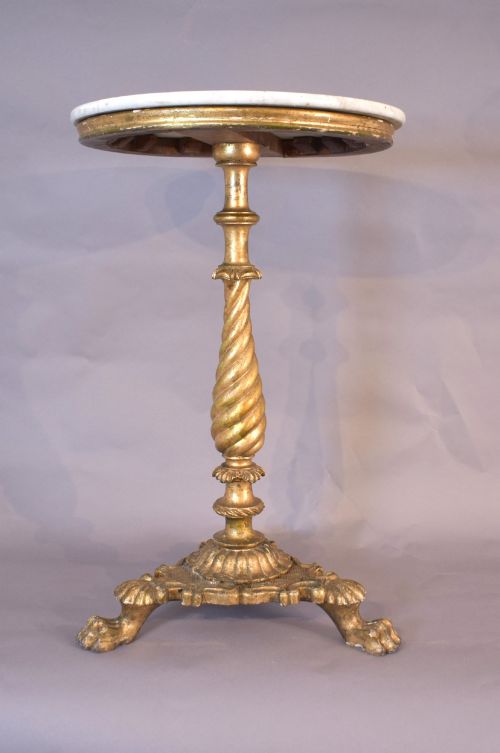
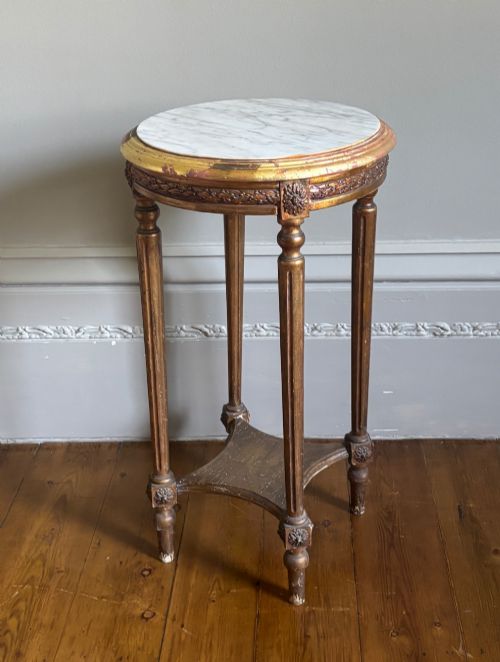
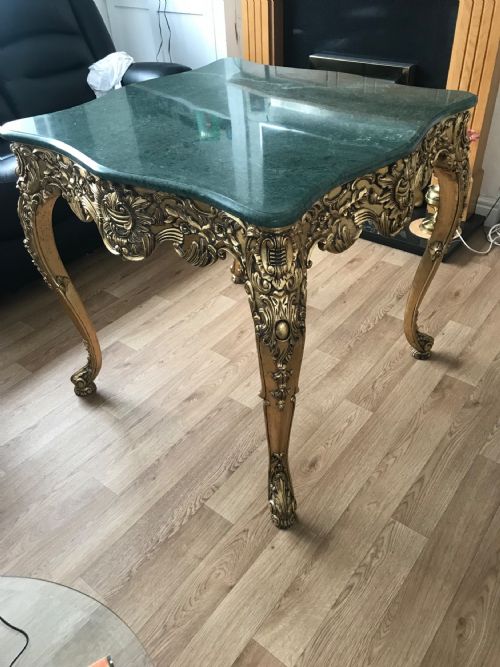
You will most commonly encounter side tables and larger occasional tables featuring circular or oval tops. Materials vary from carved giltwood and gilt metal to polychrome paint, often paired with solid green marble, specimen marble, or red velvet inserts.

How they were made
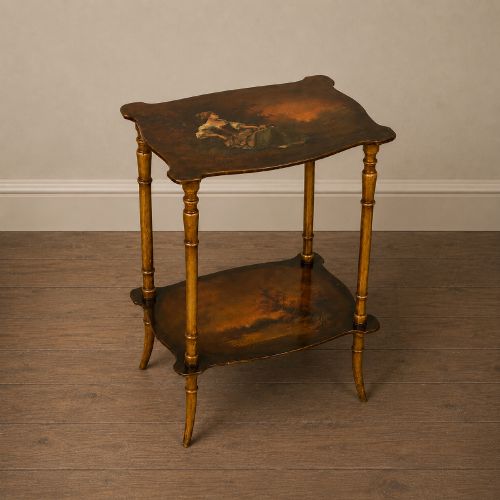
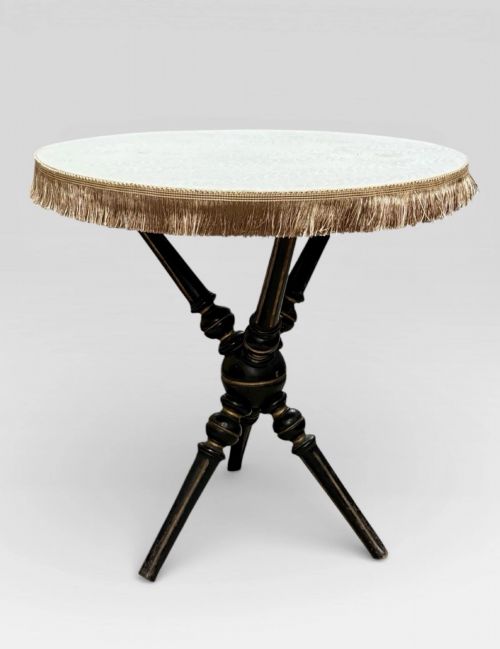
Construction relies on timber foundations, carved wood, or cast metal frames finished with applied gilding. Some pieces incorporate painted and parcel gilt surfaces alongside turned wooden components like bobbin legs.
Tops combine heavy materials such as polished green marble or specimen marble with fitted wooden or metallic structures. Glass and velvet also appear as contrasting inset surfaces on twentieth-century and nineteenth-century examples.
Retail Price Guide 2026
Typical UK retail prices for gilded occasional table, calculated from the Sellingantiques database of over a million retail prices indexed since 2003. This retail price guide relies exclusively on Sellingantiques data; no external sources or auction records are used, so the figures do not describe the wider market.
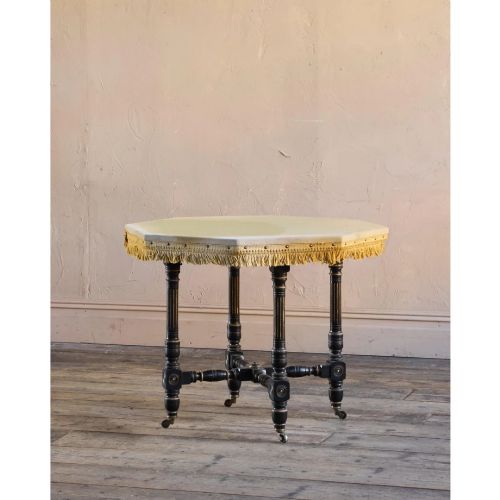
Some tables swap traditional timber for bobbin legs and red velvet, proving that even side tables love a bit of texture.
What varies in quality
Quality rests on the depth of hand-carving in the wooden frames and the precision of the gilt application. Heavier cast metal bases and solid marble inserts signal a more substantial manufacture than lighter decorative substitutes.
The sophistication of the stylistic revival, whether French Rococo or Italian Neoclassical, dictates the refinement of the piece. Integrated details like specimen marble tops elevate the overall execution.
The Gilded Occasional Table Glossary
- Giltwood
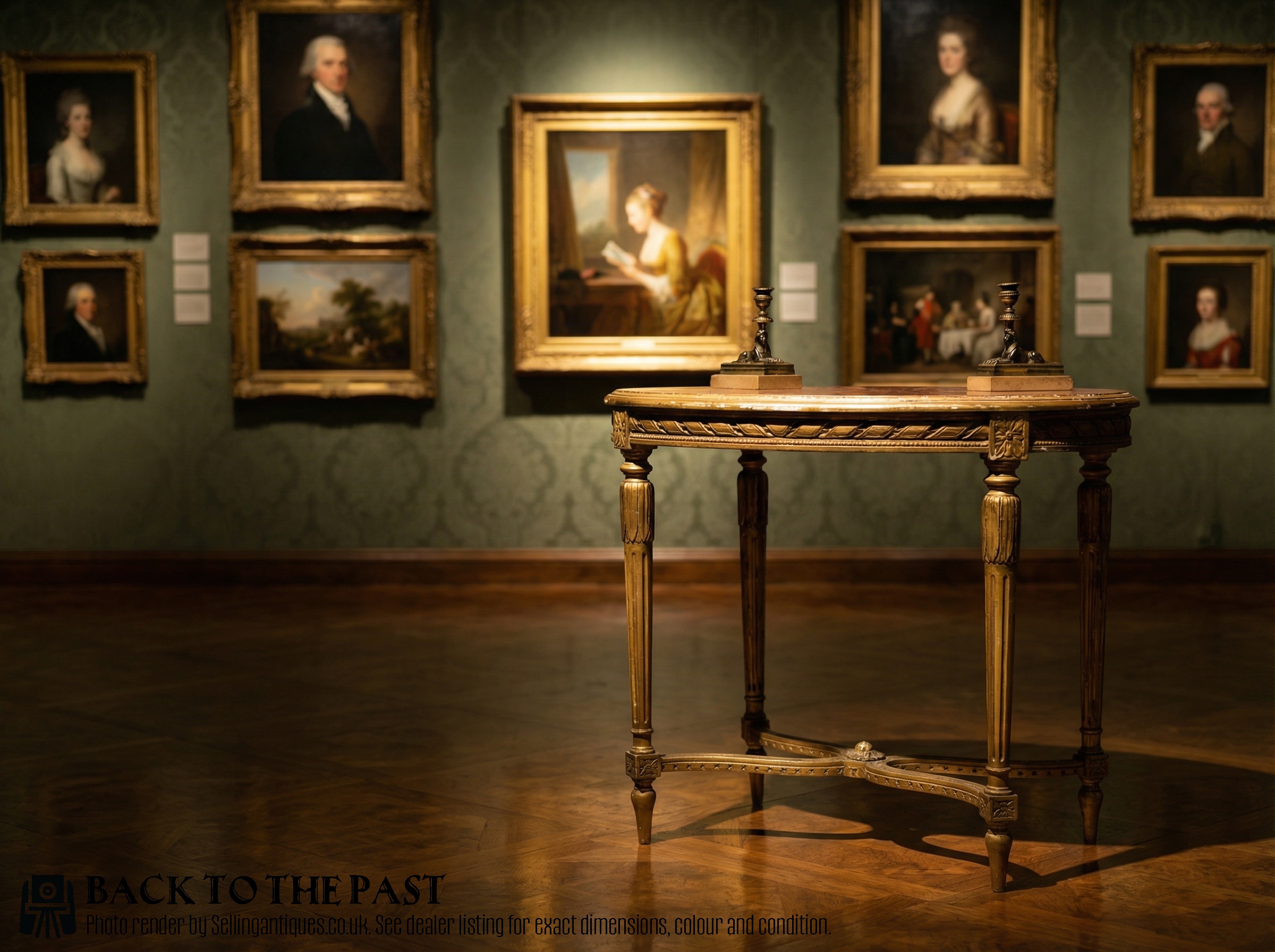
- Timber that has been coated with fine gold leaf or gilt powder over a prepared gesso ground. This technique gives frames a deep, warm metallic sheen.
- Specimen Marble
- A composite top assembled from numerous small geometric or irregular pieces of different coloured marbles. It creates a detailed mosaic effect.
- Parcel Gilt
- A decorative treatment where only specific carved details or raised elements are gilded while the rest of the surface is painted or left natural. It highlights particular motifs.
- Bobbin
- A style of turned woodwork shaped like a string of bobbins or spools. It creates a rhythmic, tactile silhouette on table legs.
Frequently Asked Questions
What is a gilded occasional table?
A gilded occasional table is a small, portable piece of furniture finished in gold leaf, giltwood, or gilt metal. These tables were designed to be moved around rooms as needed for display or utility.
Surviving examples range from nineteenth-century revival styles to mid-twentieth-century designs, often incorporating marble, velvet, or glass surfaces.
How do I date an occasional table?
Dating relies on identifying the underlying construction materials, joinery techniques, and stylistic revival cues. Details such as Regency proportions or Victorian carving patterns point to specific historical eras.
Materials like specimen marble or heavy cast metal bases also help narrow down the period of manufacture.
Where should I place this table?
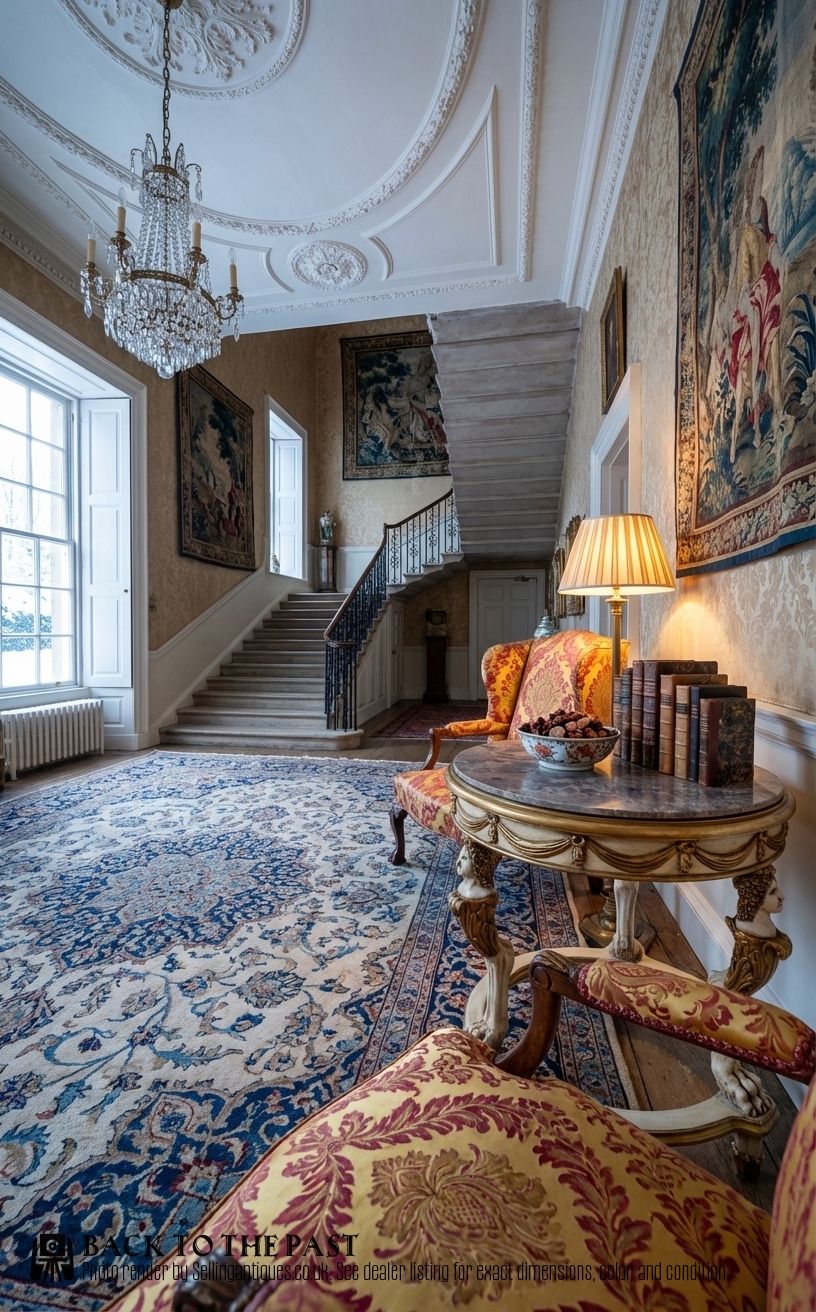
These compact tables fit well beside armchairs, in hallways, or as decorative accents in sitting rooms. Their reflective gilt surfaces help brighten darker corners of a space.
Because many feature marble or glass tops, they work well as stable surfaces for lamps or small decorative objects.
How do I care for gilt surfaces?
Gilt surfaces require gentle dusting with a soft, dry cloth to protect the thin metallic layer from abrasion. Avoid using chemical cleaners or abrasive liquids that can strip the finish.
Keeping the table away from direct sunlight and excessive moisture preserves both the wood and the gilding.