


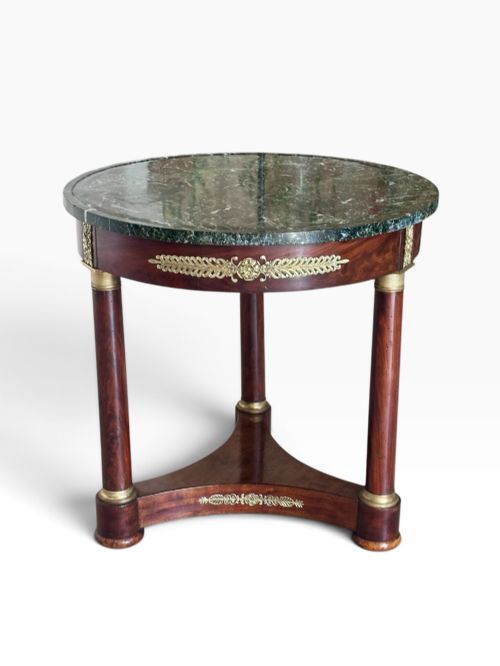
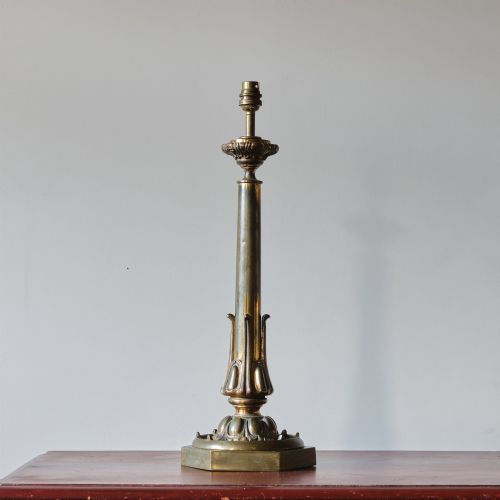
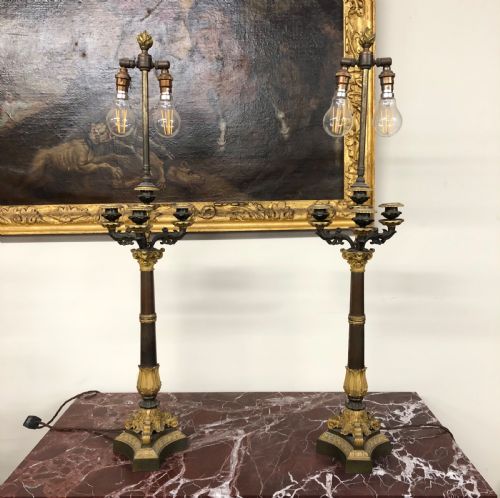
French Gilt Table
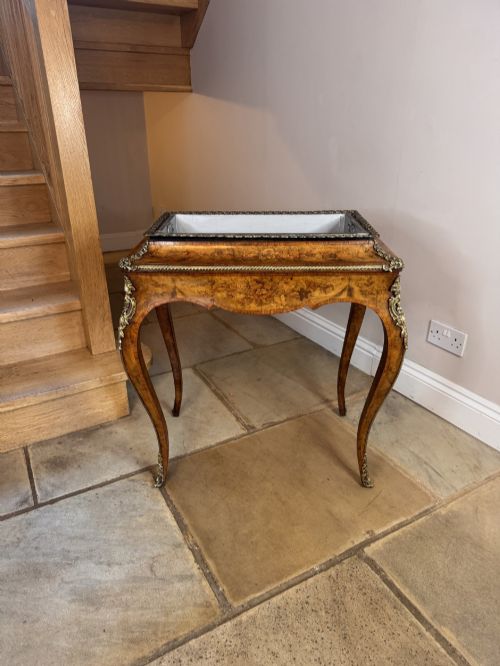
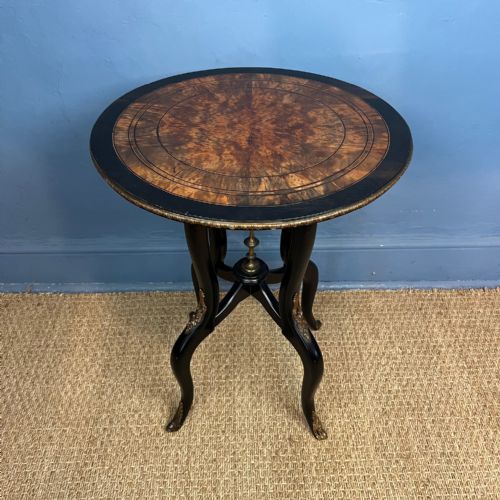
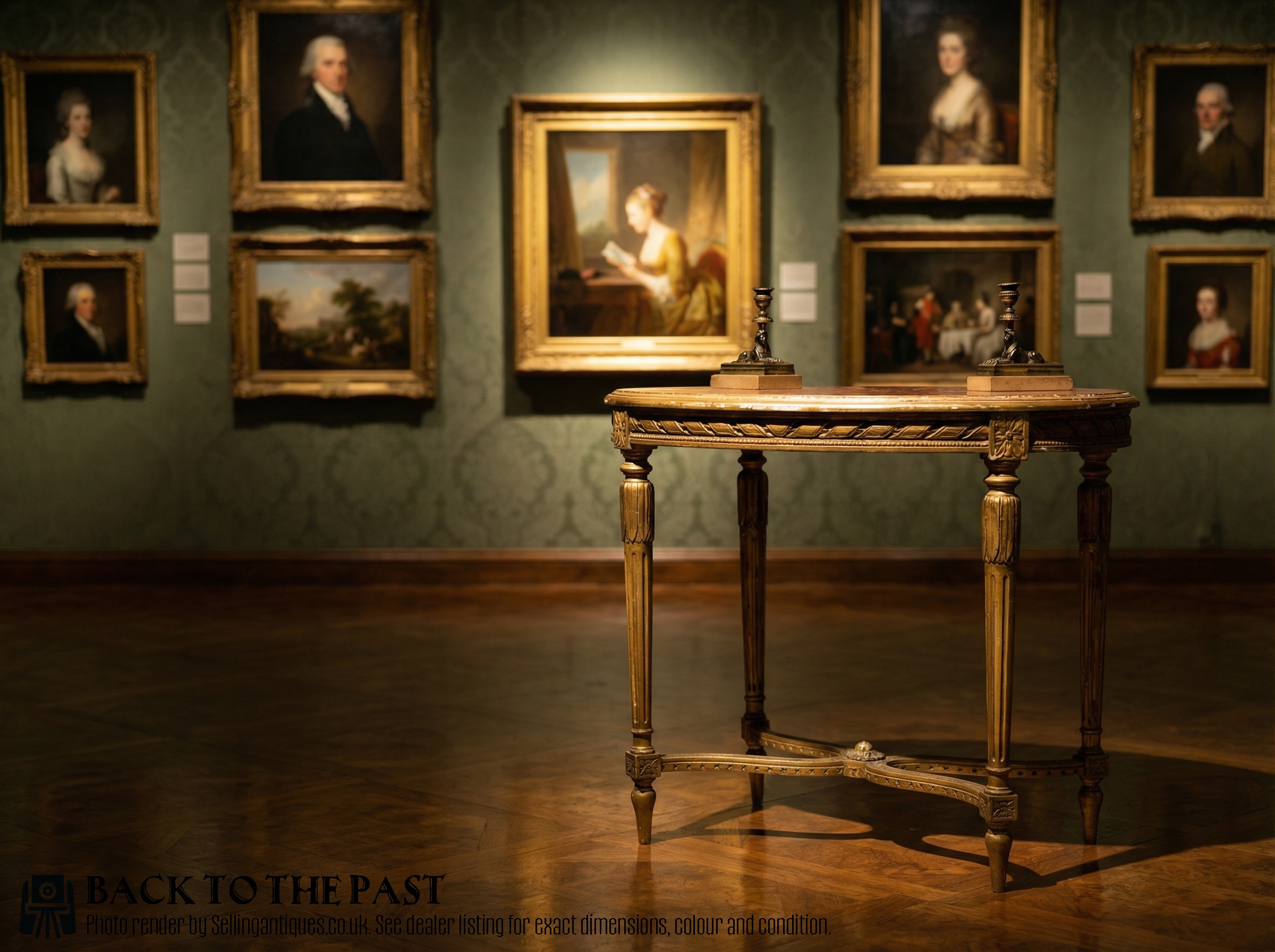
A french gilt table brings ornamental splendour to an interior through gilded surfaces and classical forms.
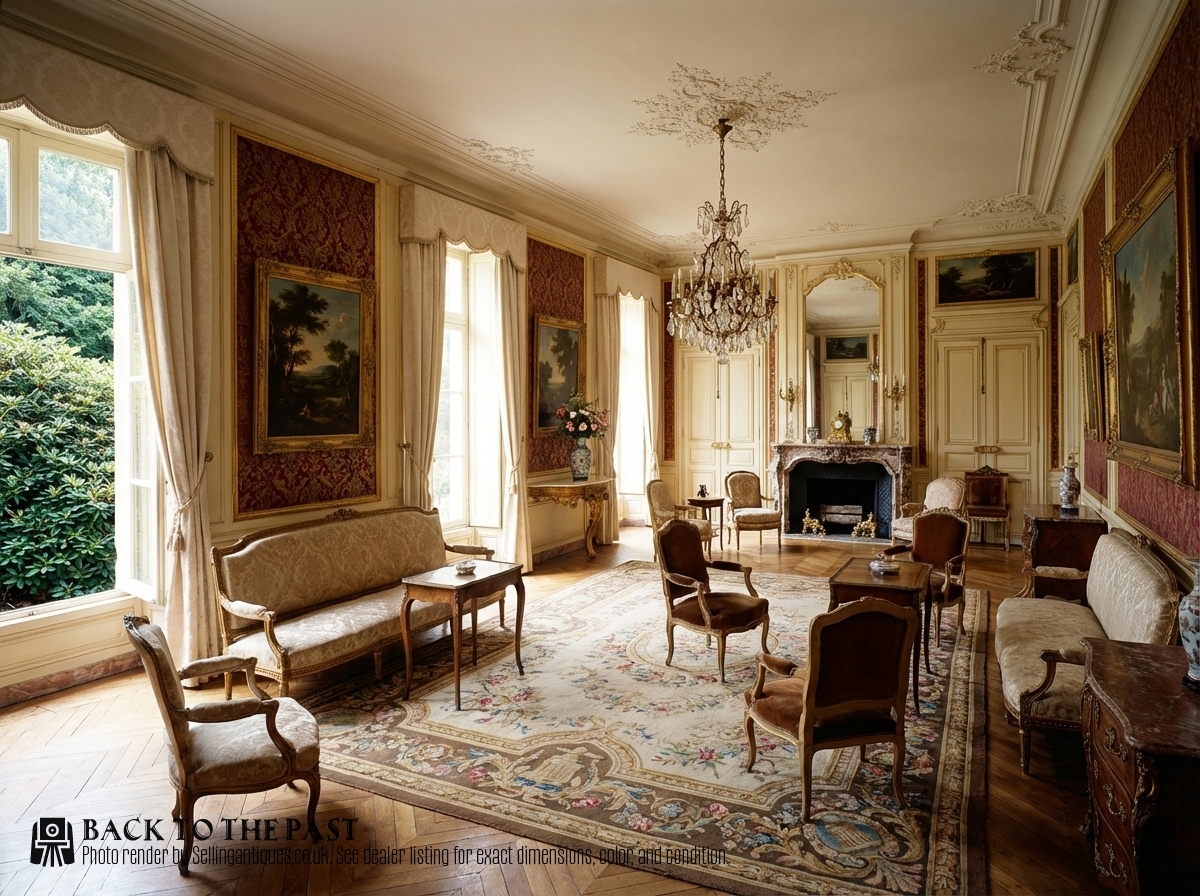
French Gilt Table
A french gilt table encompasses a diverse range of forms including console tables, centre tables, writing desks, and occasional tables.
Most examples originate from the nineteenth century, spanning revival styles such as Louis XV, Louis XVI, and French Empire.
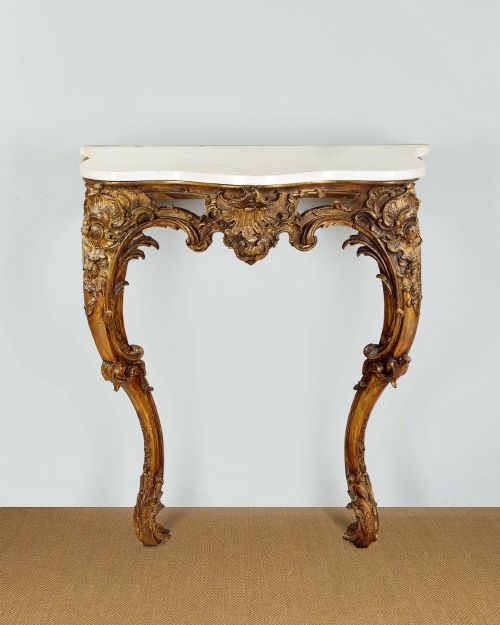
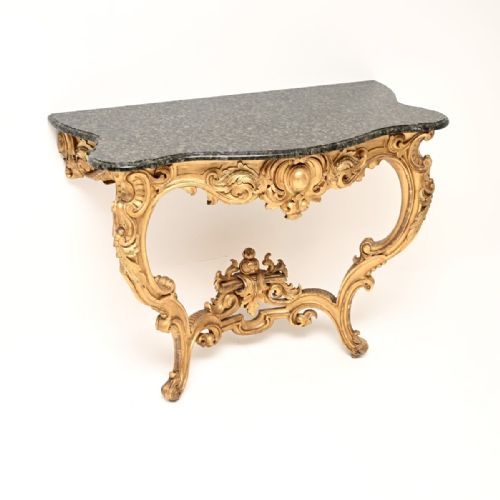
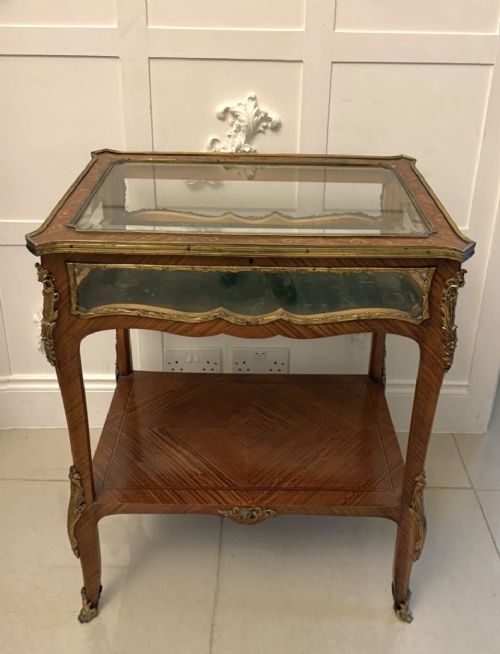
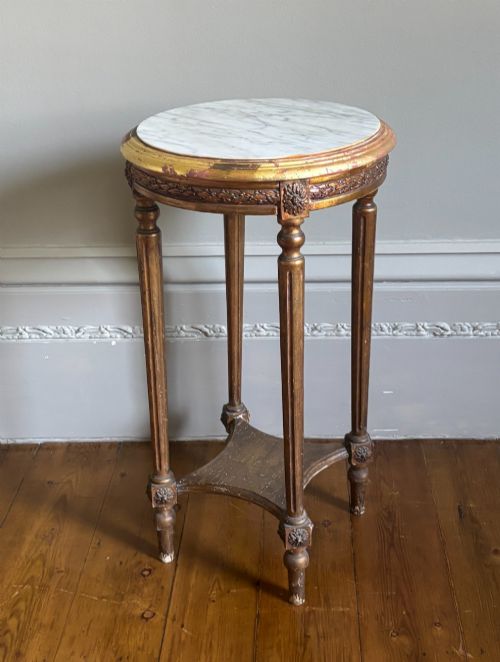
Buyers encounter freestanding pieces with kingwood and marquetry alongside wall-mounted console bases featuring carved giltwood and marble tops.
Materials and Technique
Maker construction relies heavily on hardwoods like kingwood, mahogany, and walnut as the structural foundation for intricate marquetry and gilt-bronze mounts.
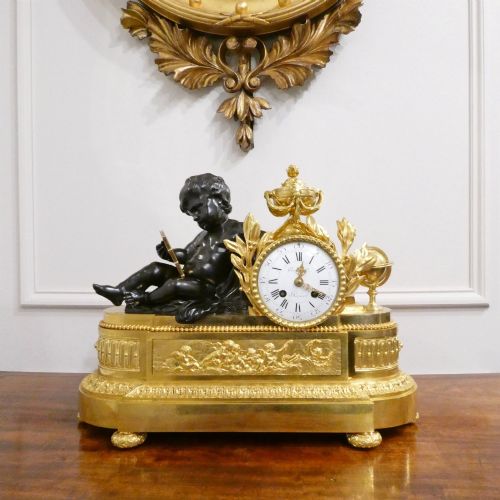
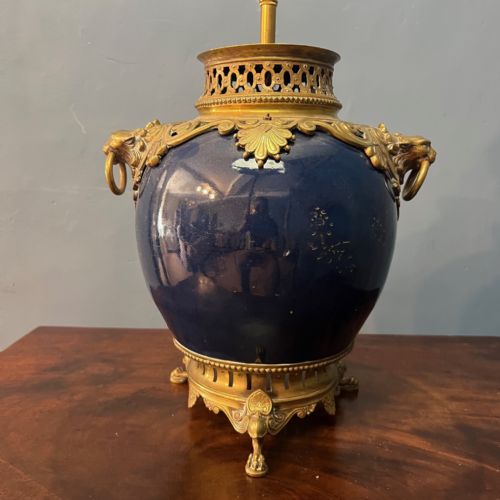
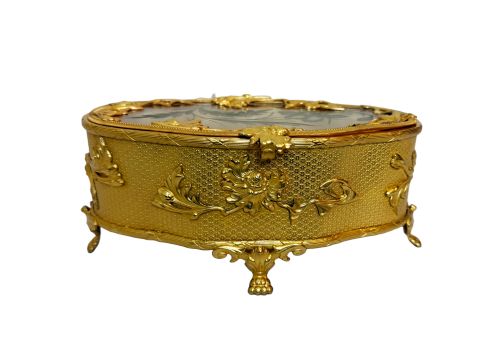
Gilt bronze, ormolu, and brass provide decorative enrichment, often combined with hand-painted Sevres porcelain plaques, onyx, and marble tabletops.
French Gilt Table Retail Price Guide 2026
Typical asking prices for french gilt table among the pieces listed under this phrase on Sellingantiques today, from the lower quarter to the upper quarter. They describe what is for sale here now, not the wider market.
Listings feature eighteenth, nineteenth, and early twentieth-century periods alongside materials such as ormolu, kingwood, marble, and porcelain.
Craftsmanship and Proportion
Quality reveals itself in the crispness of the chased ormolu mounts and the depth of the hand-carved giltwood details.
Superior execution shows in the integration of sophisticated internal mechanisms, dense timber selection, and balanced neoclassical proportions.
Felix-Alfred Ternisien·Jean-Baptiste Delettrez·Edward Holmes Baldock·Achille Brocot·Henry Marc·Maison Millet·Charles a Orleans·Samuel Marti·Francois Linke·Edwards and Roberts·Joseph-Emmanuel Zwiener·Paul Sormani
The French Gilt Table Glossary
- Ormolu
- Gilded bronze, where a gold amalgam is applied to a bronze base through heat processing. This technique imparts a rich metallic lustre to decorative mounts and clock fittings.
- Kingwood
- A dense, richly figured Brazilian timber used extensively in high-end cabinet making. Its contrasting dark grain makes it a favoured veneer for nineteenth-century desks.
- Console table
- A wall-fixing or freestanding table designed to stand against a vertical surface, frequently paired with a matching pier mirror. These pieces often feature heavy marble tops.
- Guéridon
- A small circular or oval table supported by a central pillar or multiple legs. The form gained popularity in French neoclassical and empire interiors.
- Marquetry
- The art of applying pieces of veneer to a structure to form decorative patterns. Craftsmen utilised various exotic woods to create intricate pictorial designs on table surfaces.
French Gilt Table: Frequently Asked Questions
Where should I place a console table?
Console tables fit naturally against a hallway wall or beneath a large mirror in a reception room. Their shallow depth allows them to occupy circulation spaces without blocking movement.
Historically, they served as decorative display surfaces rather than heavy-use working areas, making them ideal for lamps and ornaments.
How do I distinguish Louis XV and Louis XVI styles?
Louis XV furniture relies on asymmetrical curves, cabriole legs, and elaborate rococo floral carving. The overall aesthetic is fluid and organic.
Louis XVI pieces introduce straight lines, symmetrical geometry, fluted columns, and neoclassical restraint, reflecting a return to classical antiquity.
What is a bureau plat?
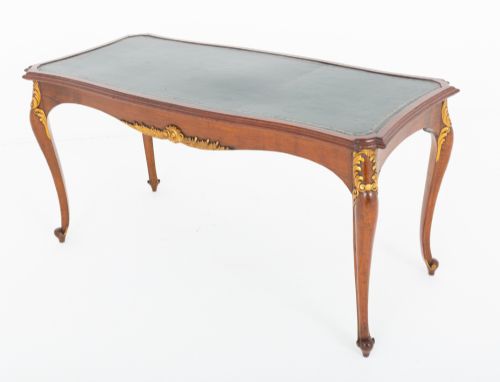
A bureau plat is a freestanding writing desk featuring a wide flat top, frequently inset with leather or tooled surfaces. They are finished on all sides so they can sit in the centre of a room.
Ormolu mounts typically accent the corners, drawers, and cabriole legs of these refined workspace pieces.
How do I care for giltwood surfaces?
Giltwood requires gentle dusting with a soft, dry brush to protect the delicate gold leaf layer. Moisture and harsh cleaning agents will damage the underlying gesso and wood.
Keeping these tables away from direct heat sources and strong sunlight prevents the timber from warping and the gilding from flaking.