


Marble Top Occasional Table
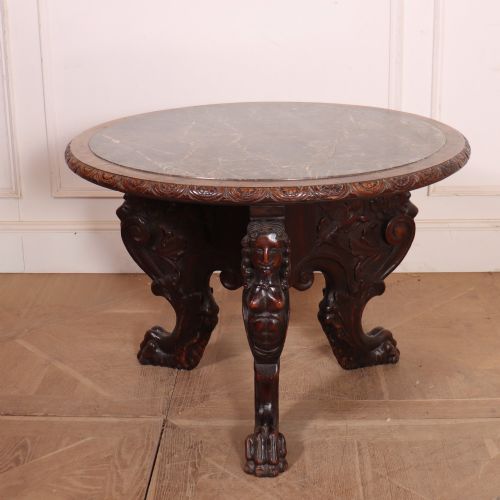
A marble top occasional table brings the cool, solid contrast of polished stone into a room on a compact, movable frame.
Marble Top Occasional Table
When you search for a marble top occasional table, you encounter a wide variety of portable surface furniture designed for secondary placement in a room, predominantly originating from nineteenth-century France and England alongside later continental pieces.
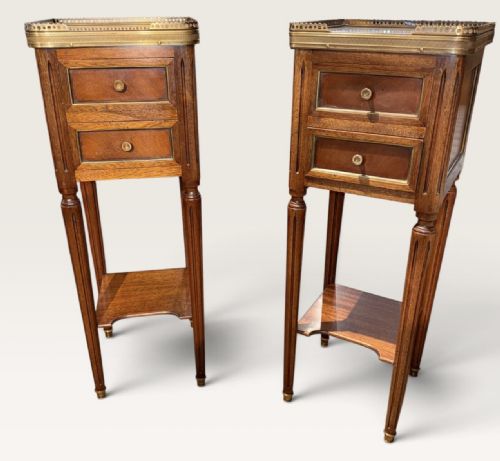
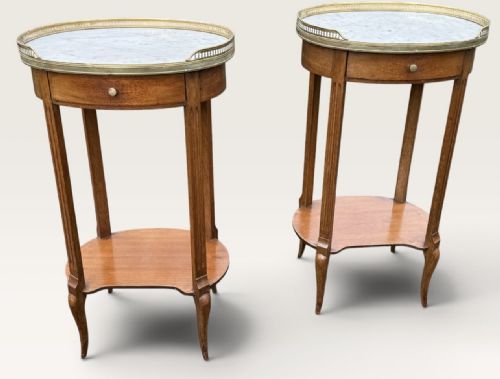
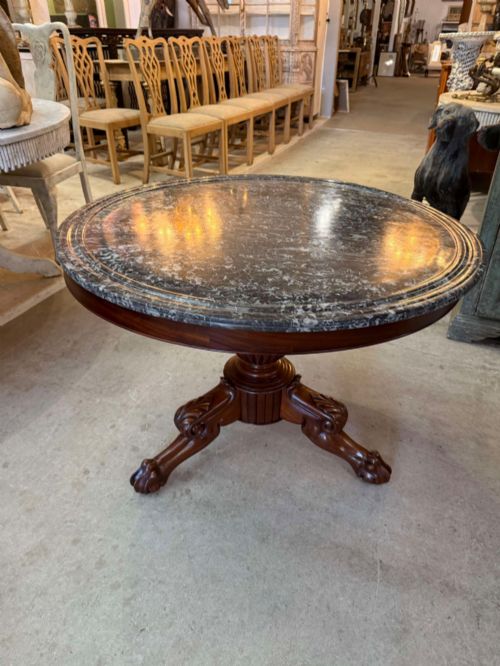
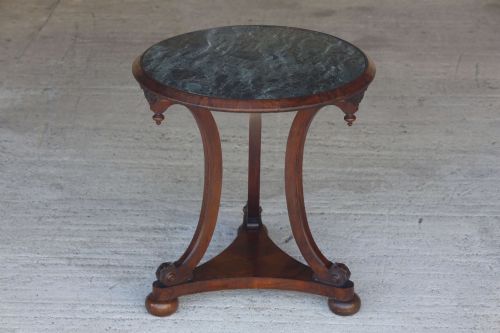
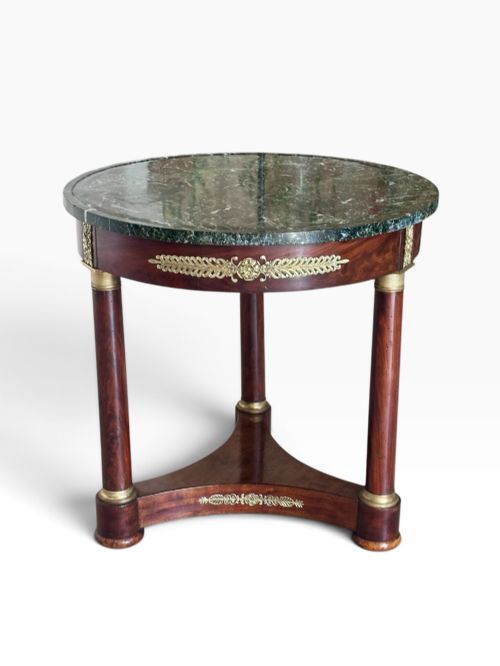
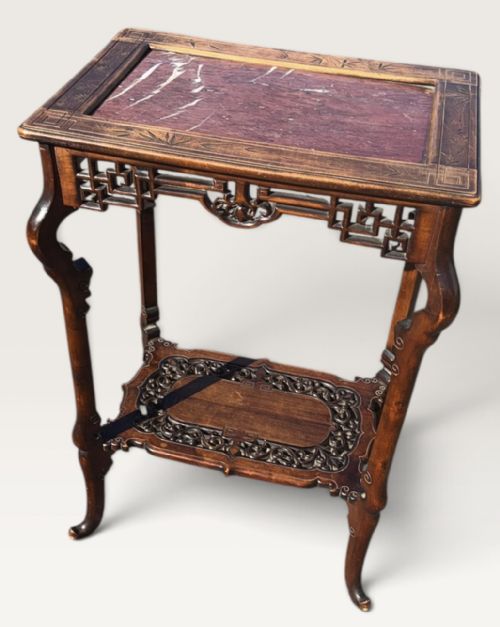
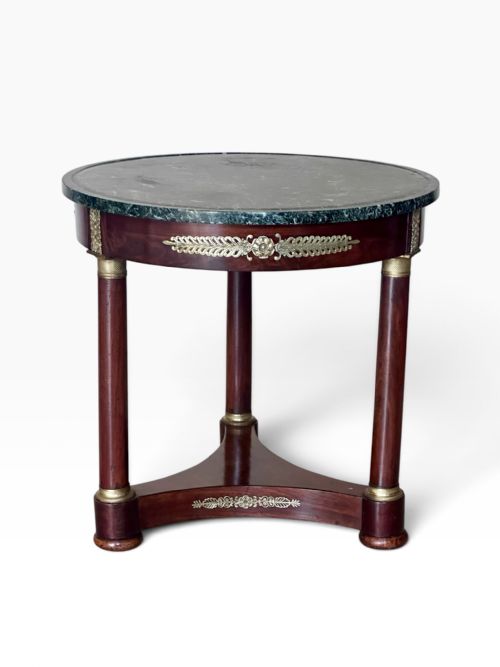
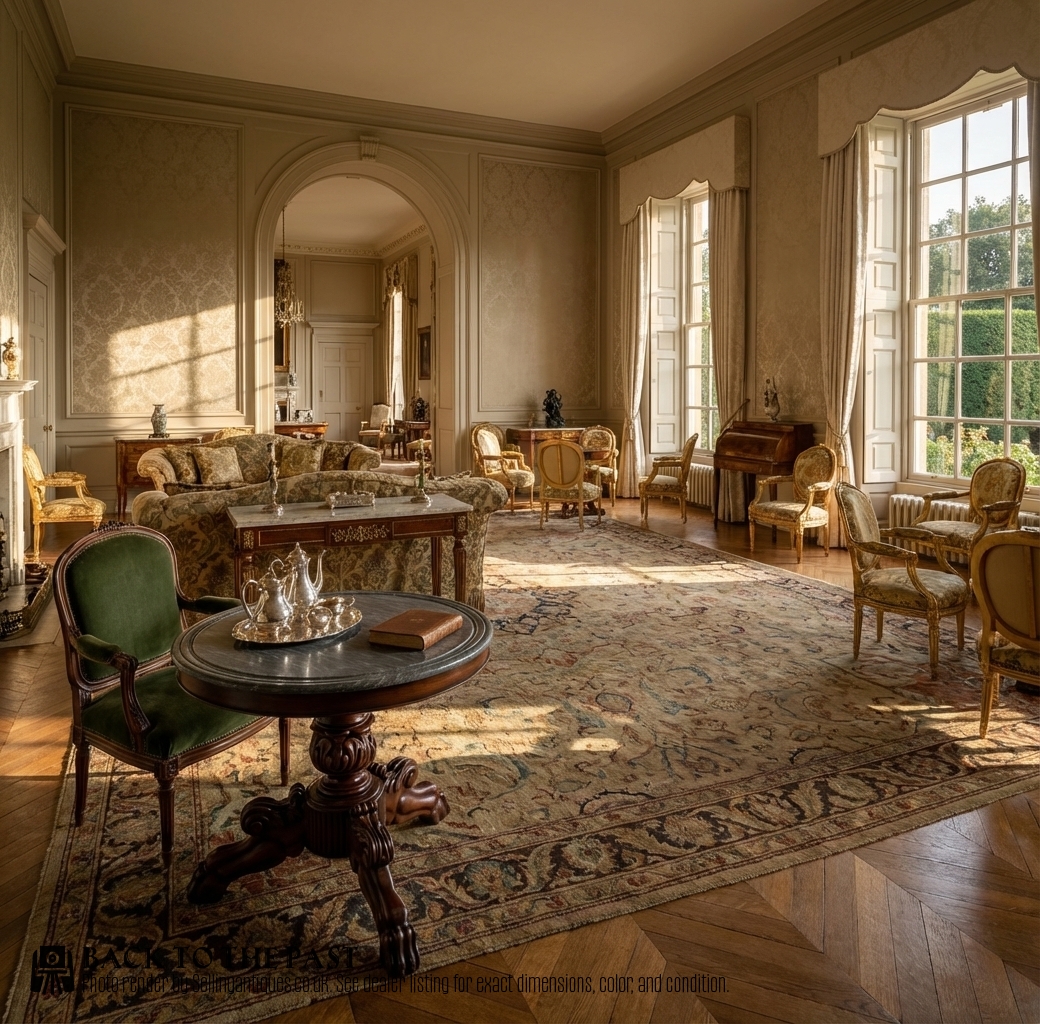
The form most frequently met on this page is the circular French gueridon, often raised on a pillar and tripod base with a fitted white or grey marble inset, alongside rectangular side tables and multi-tiered lamp tables.
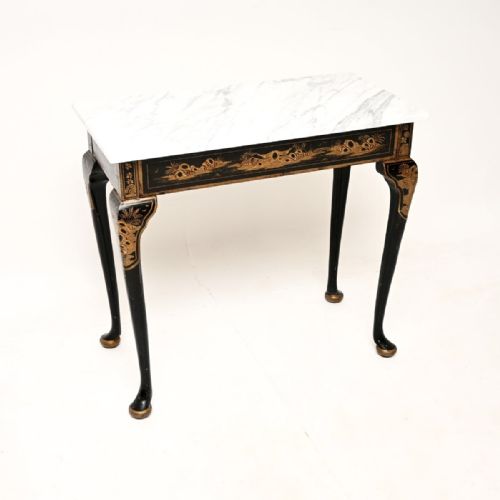
Period examples span the Victorian and Regency eras through to the early twentieth century, incorporating diverse stylistic influences from Louis XVI revival to Chinese export designs.
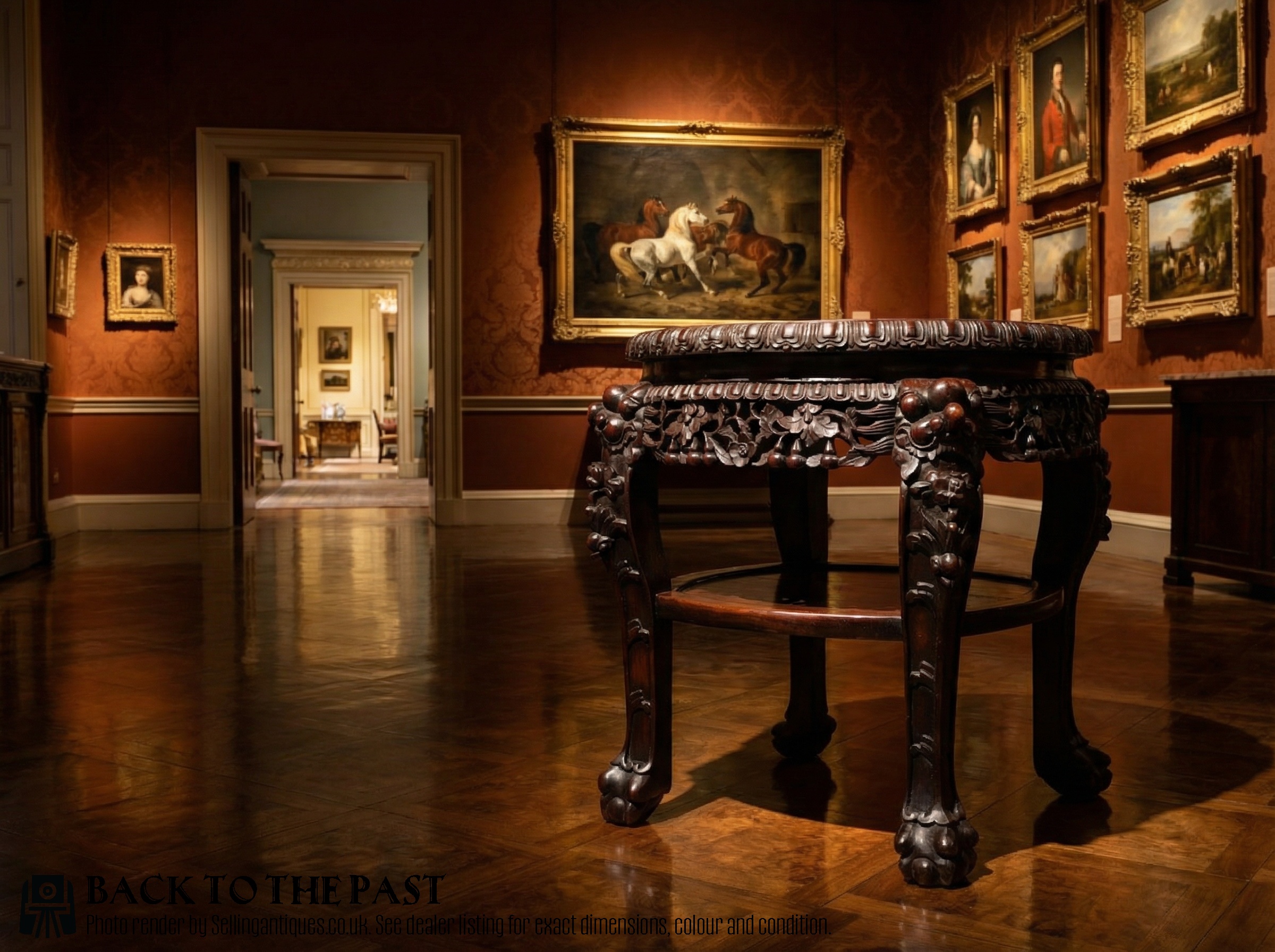
Materials and Construction
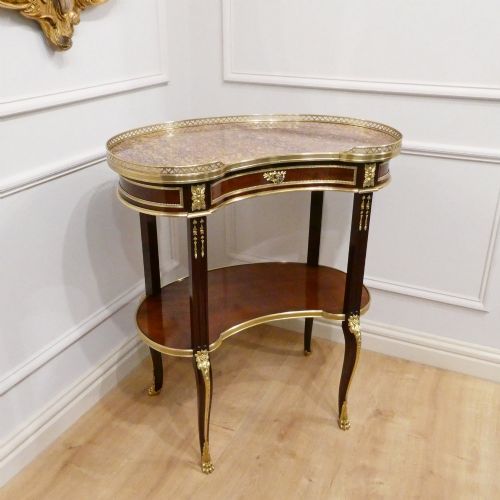
These tables pair heavy stone slabs with dense timbers or cast metals, relying on mahogany, walnut, and kingwood for stability alongside giltwood, brass, and ormolu mounts.
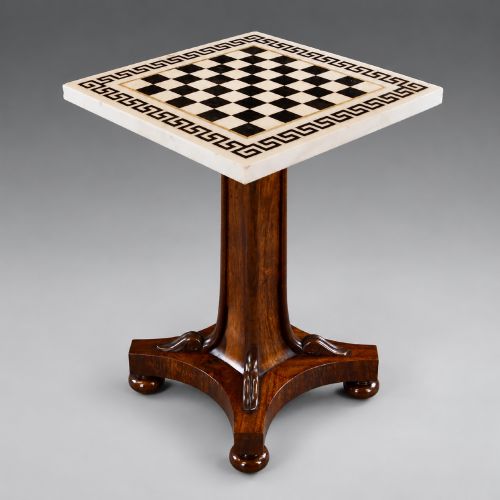
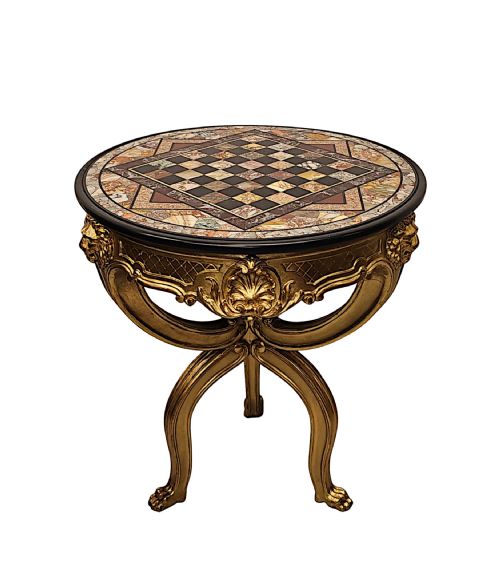
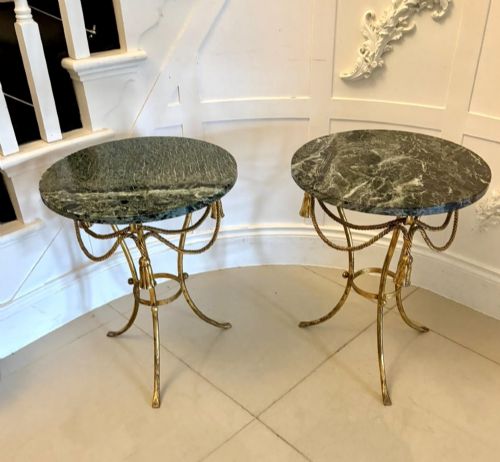
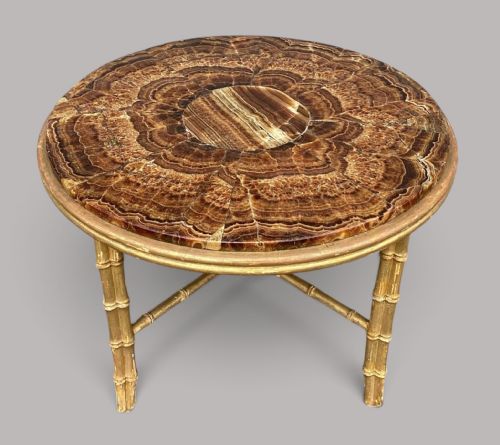
Marble inserts - ranging from plain white and grey to green, black, and multi-coloured specimen varieties - are countersunk into wooden tops or secured within cast metal galleries.
Joinery techniques combine turned wooden pedestals, carved tripod legs, and intricate marquetry or mother-of-pearl inlay, supplemented by bronze and brass fixings.
Marble Top Occasional Table Retail Price Guide 2026
Typical asking prices for marble top occasional table among the pieces listed under this phrase on Sellingantiques today, from the lower quarter to the upper quarter. They describe what is for sale here now, not the wider market.
Design influences span French Empire, Louis XVI style, and Chinese export traditions.
Assessing the Pieces
Quality rests upon the weight and integration of the materials, distinguishing solid native timbers and substantial natural marble slabs from lighter veneers and composite stone.
The refinement of the supporting structure dictates the overall standard, evident in crisp wood-carving, neatly fitted metal mounts, and the absence of structural wobble in the central pillar or legs.
Finer items demonstrate exceptional precision in secondary details, such as hand-cut inlay, finely chased ormolu, and original, unblemished veining in the stone.
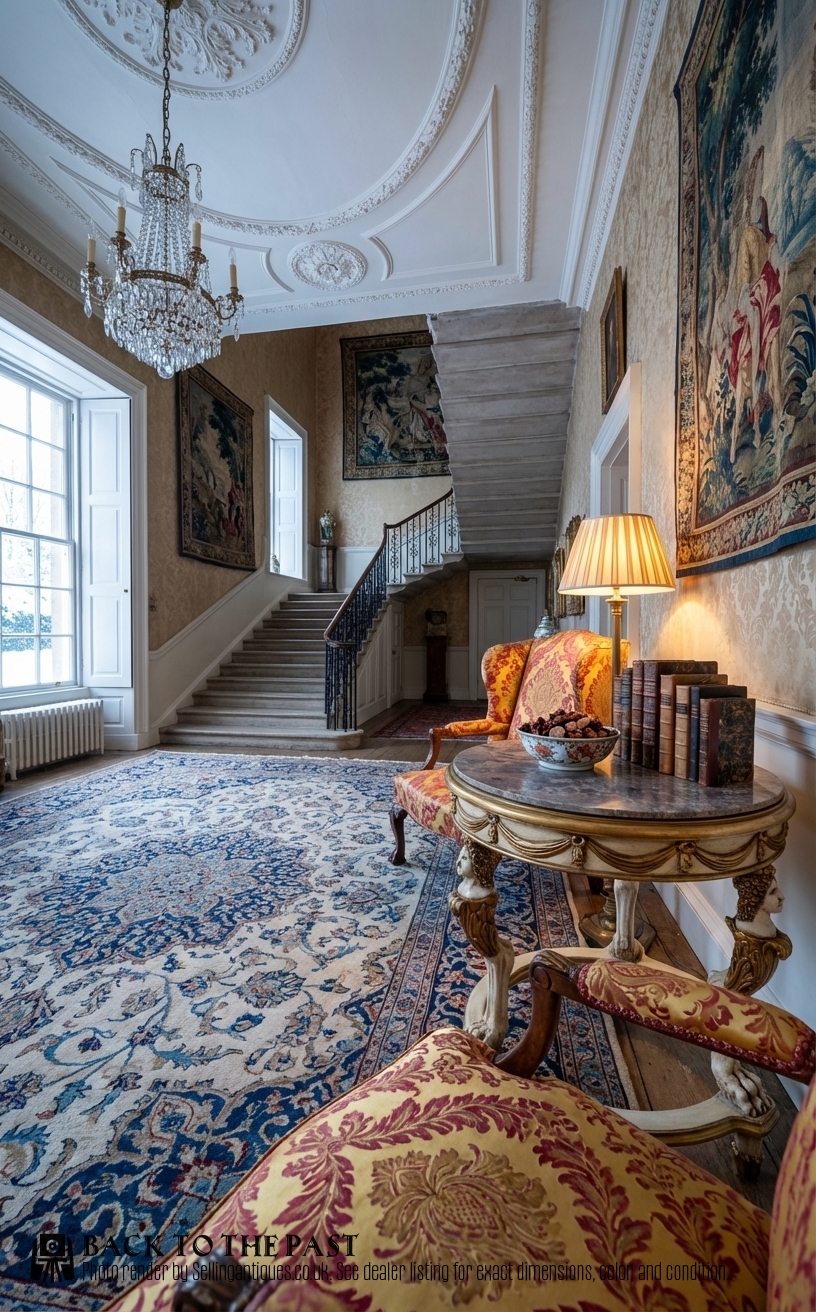
James Shoolbred·Maison Millet·L.Martin
The Marble Top Occasional Table Glossary
- Gueridon
- A small French table on a central pillar and tripod base, traditionally used for holding candles or small decorative objects.
- Ormolu
- Gilded bronze or brass applied as decorative mounts and feet on furniture, most commonly seen in French nineteenth-century pieces.
- Bouillotte
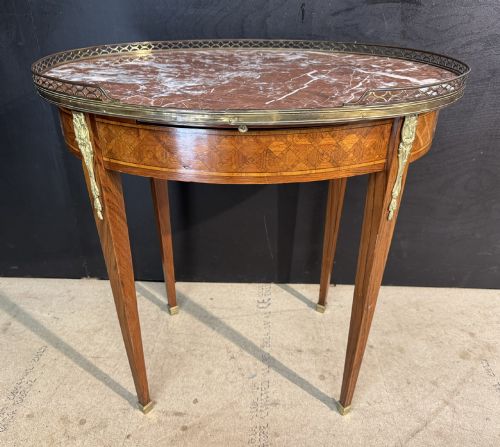
- A small French card or occasional table featuring a raised brass gallery around the circular marble top to prevent items from sliding off.
- Specimen Marble
- A top composed of numerous small, geometric pieces of varied coloured marbles assembled to form a decorative mosaic pattern.
- Pietra Dura
- An artistic technique using cut and fitted polished coloured stones to create pictorial or abstract inlaid designs on a marble surface.
- Gallery
- A raised metal or wooden rim fitted around the perimeter of a table top.
Marble Top Occasional Table: Frequently Asked Questions
What is a gueridon table?
A gueridon is a traditional French round table supported by a single central pillar and three feet.
These pieces were originally designed for holding lights but evolved into versatile occasional surfaces for lamps and decorative items.
How do I care for a marble top?
Marble is a porous stone that is sensitive to acids, meaning spills should be wiped promptly with a damp cloth.
Occasional gentle cleaning with neutral soap preserves the polished finish without scratching the surface.
Were these tables used for dining?
These smaller forms were intended as portable side tables for holding drinks, books, or lamps rather than for main meals.
Their lightweight construction allowed them to be easily moved around a drawing room or boudoir as needed.
How can I date a marble table?
Dating relies on combining the timber species, the style of the wood turning or carving, and the characteristics of the marble.
Victorian and earlier nineteenth-century pieces typically feature hand-cut joints and heavy timbers beneath heavier stone slabs.