

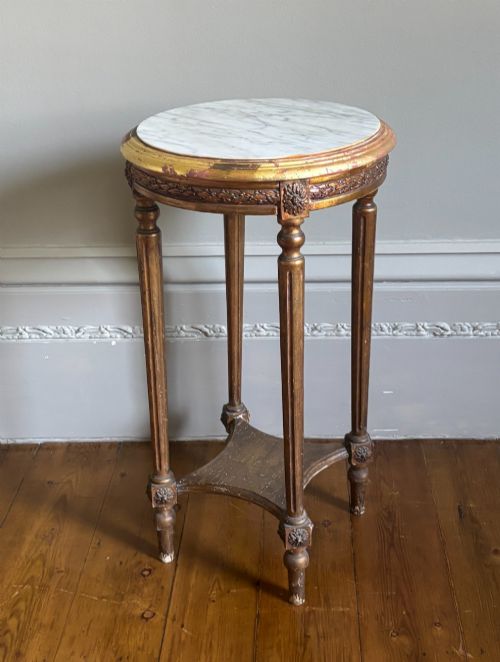
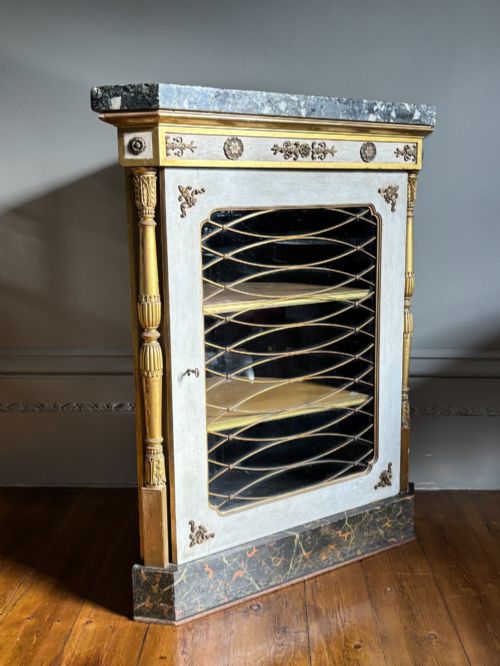
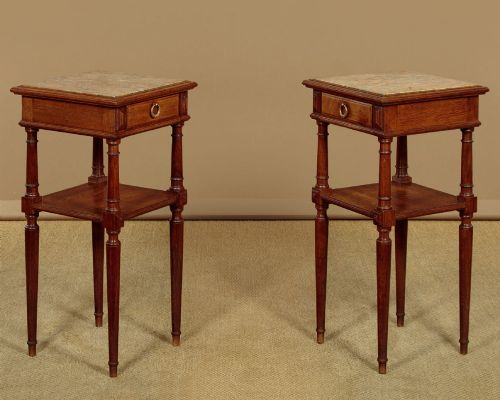
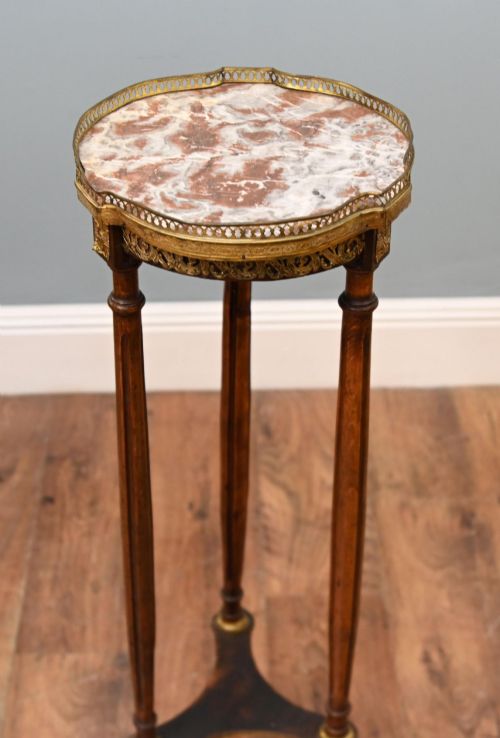


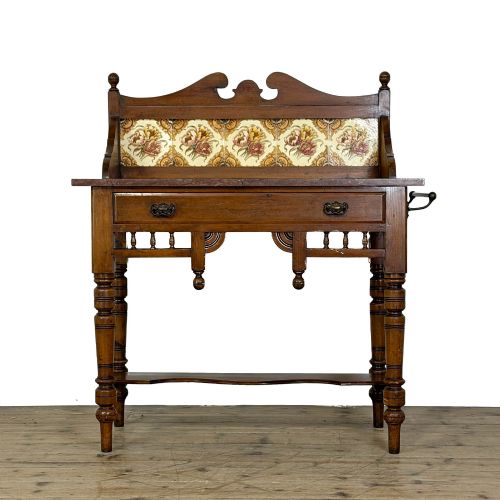

Antique Marble Top Stand
When choosing an antique marble top stand, you select a functional surface that brings polished stone into domestic spaces from the nineteenth and twentieth centuries.
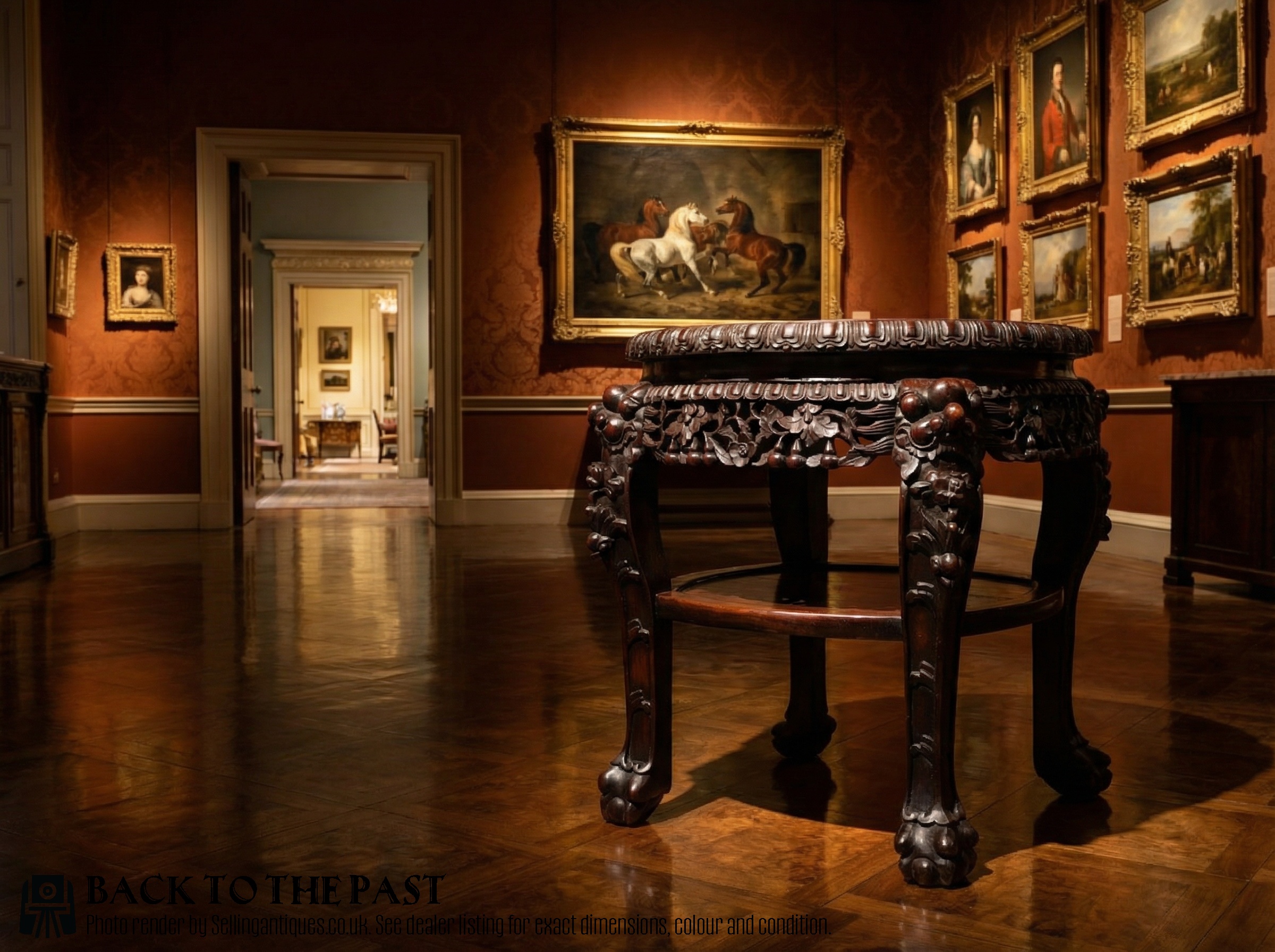
Antique Marble Top Stand
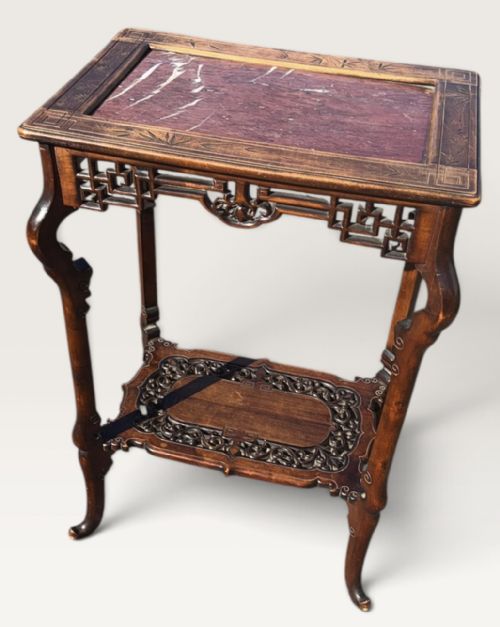
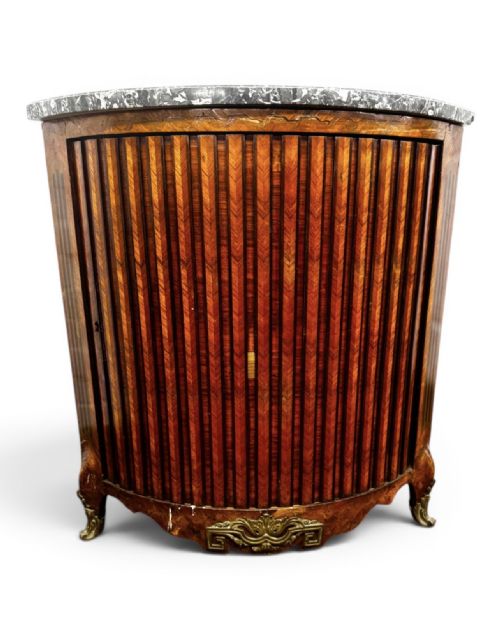
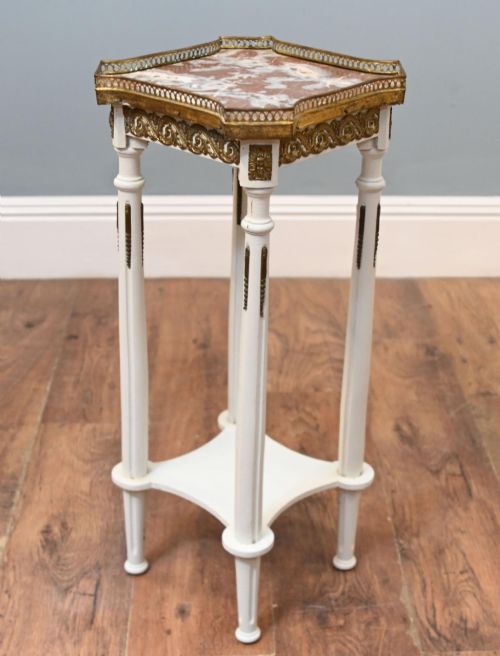
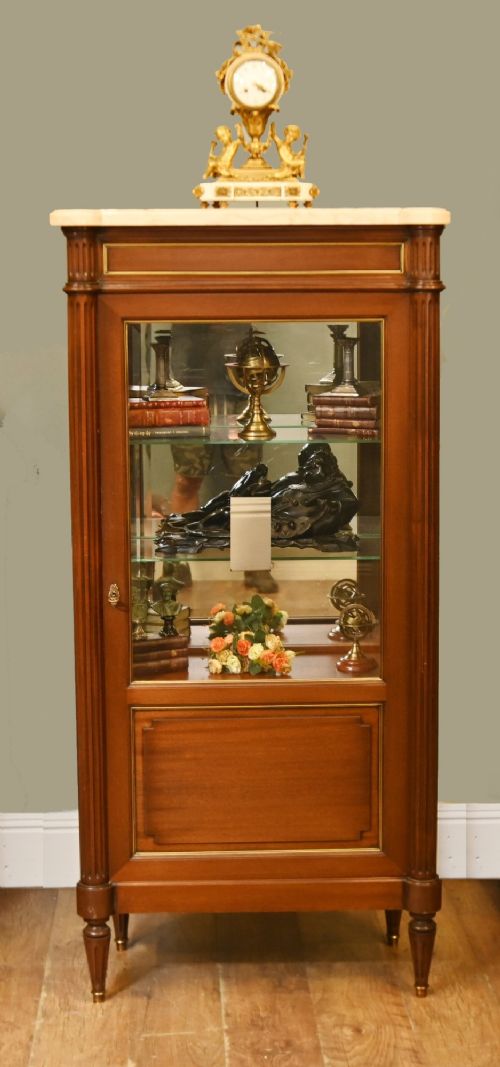
An antique marble top stand encompasses a varied group of domestic furnishings designed for display, washing, and occasional use across nineteenth-century and early twentieth-century interiors. These pieces range from Chinese hardwood pot stands and plant holders to English mahogany washstands and French lamp tables.
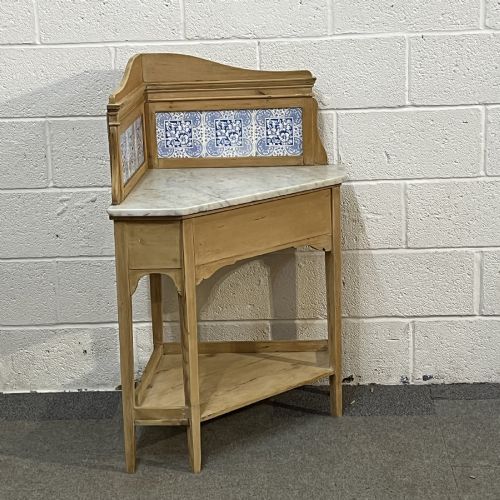
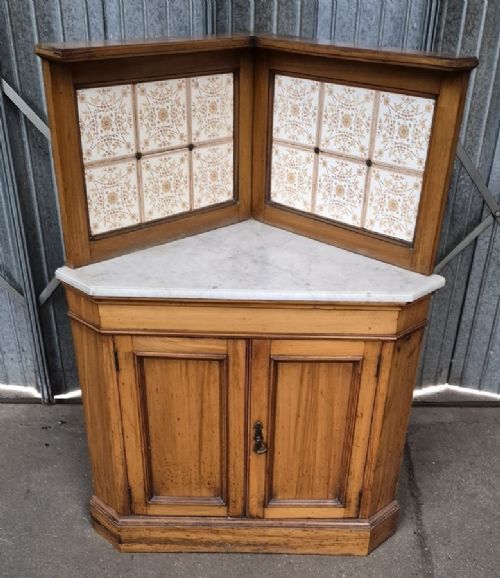
The most common examples encountered on this page are Victorian washstands and Chinese occasional stands featuring inset stone slabs. Makers adapted these forms for different rooms, producing tall pedestals, low corner tables, and bedside cabinets suited to specific household tasks.
Origins stretch from European capitals to East Asian workshops, resulting in distinct stylistic vocabulary that combines local cabinet-making traditions with imported materials.
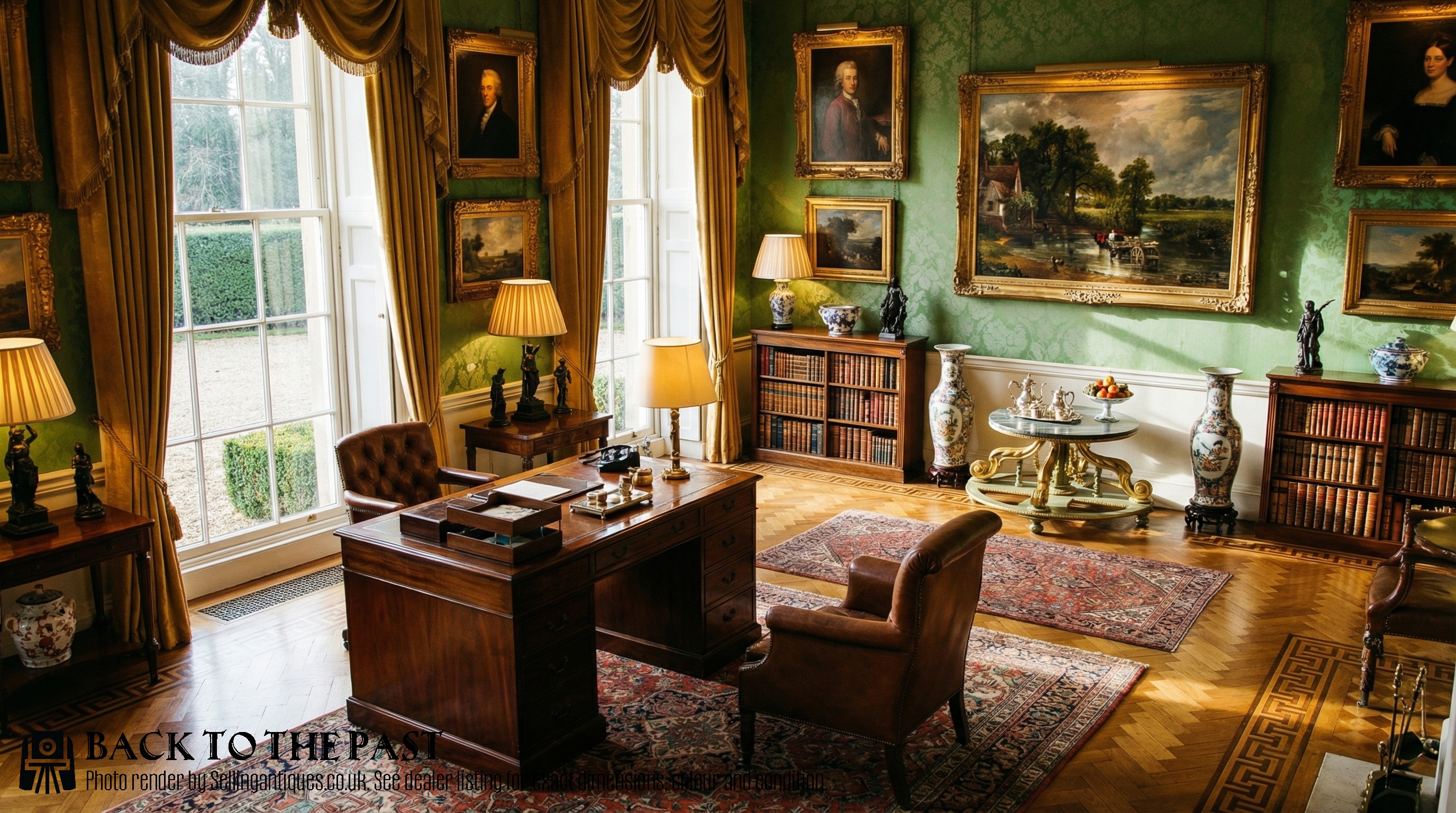
Materials and construction
Cabinet-makers united dense hardwoods like mahogany, walnut, rosewood, and kingwood with heavy slab marble tops to create stable, weighted furniture. Stone inserts varied in colour and veining, ranging from white Carrara to rouge and verdant green varieties fitted directly into timber frames.
Joinery techniques matched the regional origin of the piece, utilising traditional Chinese framing for hardwood stands and European dowelling or dovetailing for Victorian washstands and side tables. Metal mounts, cast brass or gilt bronze elements, and mother-of-pearl inlay frequently accented the woodwork.
Antique Marble Top Stand Retail Price Guide 2026
Typical asking prices for marble top stand among the pieces listed under this phrase on Sellingantiques today, from the lower quarter to the upper quarter. They describe what is for sale here now, not the wider market.
Several stands doubled as discreet bedside pot cupboards, hiding household necessities beneath heavy marble lids.
Judging execution and finish
Quality rests in the precision of the timber framing and the selection of the stone insert. Superior pieces display finely figured veneers, crisp carving, and marble tops that sit flush within the surrounding wood.
Finer examples show considered integration between metal mounts and wooden carcasses, whereas simpler utility washstands rely on straightforward joinery and unadorned surfaces.
Walker And Sons
The Antique Marble Top Stand Glossary
- Guéridon
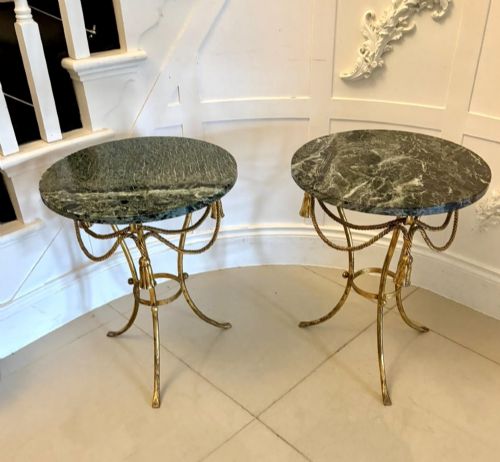
- A small French table, often circular, designed to hold lamps or decorative objects. These tables frequently feature marble tops supported by slender legs.
- Washstand
- A piece of furniture designed for bedroom ablutions, incorporating a marble slab to resist water damage. They often include tiled backs or lower shelving.
- Commode
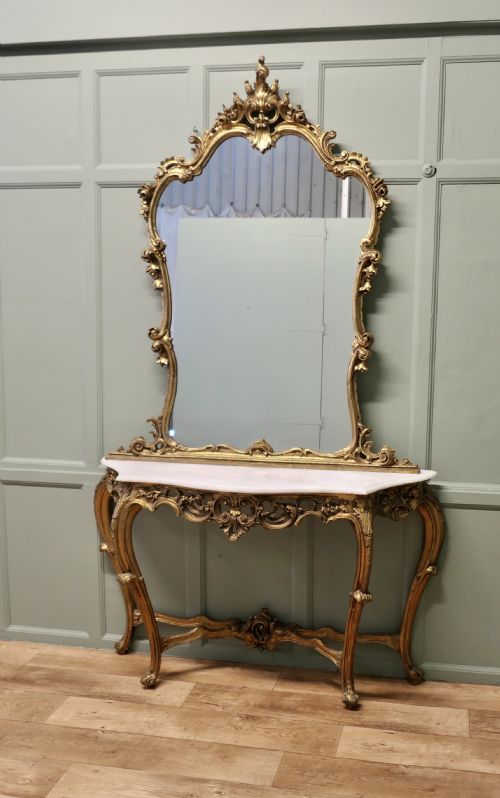
- A low cabinet or chest of drawers adapted for domestic storage. Many nineteenth-century French examples feature shaped marble tops.
- Inlay
- A decorative technique where contrasting materials such as mother-of-pearl or different woods are set into the surface of the primary timber.
Antique Marble Top Stand: Frequently Asked Questions
What rooms suit an antique marble top stand?
These stands fit well in hallways, living rooms, and bedrooms where a sturdy, decorative surface is useful. Their water-resistant stone tops make them practical for holding plants or lamps.
Smaller plant stands and lamp tables occupy narrow corners or beside seating, while larger washstands serve as side tables in domestic interiors.
How do I care for a marble top?
Marble requires gentle cleaning with warm water and mild soap to preserve the polished surface. Acidic liquids can etch the stone, so coasters should be used.
Regular dusting keeps the timber and stone components maintained without needing harsh chemical polishes.
Were these stands used for washing?
Many nineteenth-century examples functioned primarily as washstands in bedrooms before indoor plumbing became standard. The marble surface provided a durable, wipe-clean area for basins and ewers.
Over time, many of these washstands transitioned into general living spaces as decorative side tables or plant supports.
How can I distinguish Chinese stands from European pieces?
Chinese stands often utilise dense exotic hardwoods like rosewood or huanghuali with carved floral aprons and inset marble panels. They frequently take the form of low pot stands or vase pedestals.
European pieces generally follow prevailing styles such as Victorian, Regency, or French Neoclassical, employing walnut, mahogany, or giltwood.