






Antique Flower Stand
An antique flower stand brings botanical display inside the room, combining sturdy utility with the refined craftsmanship of past centuries.
Antique Flower Stand
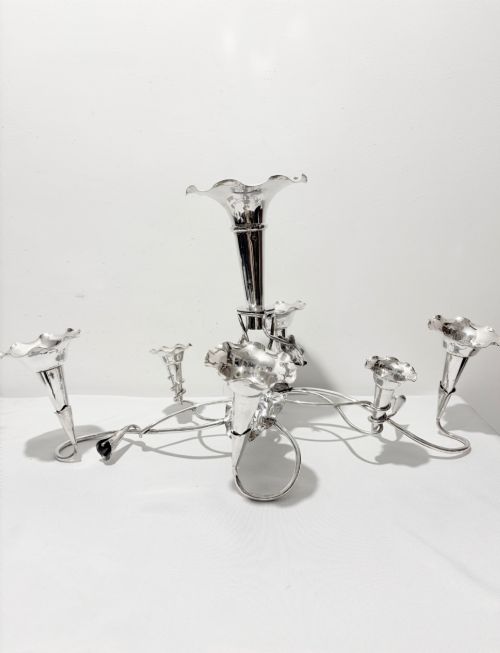
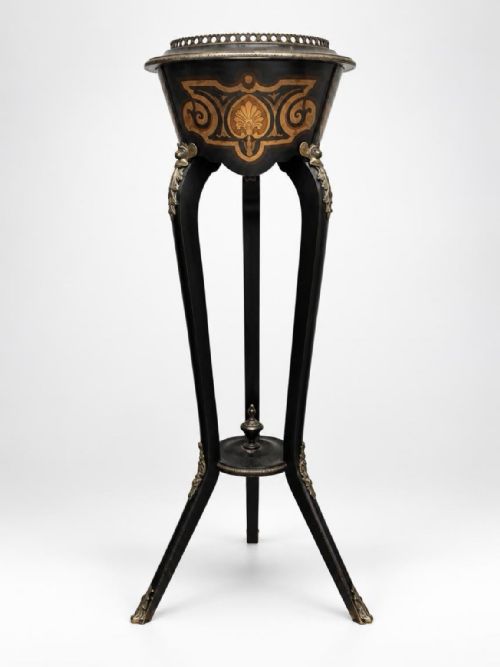
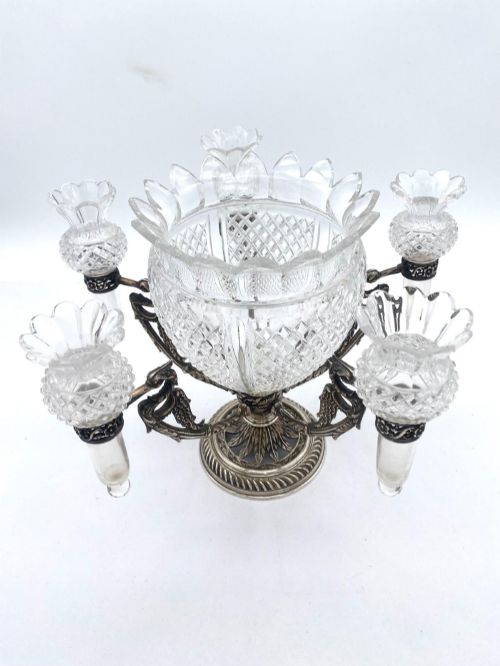
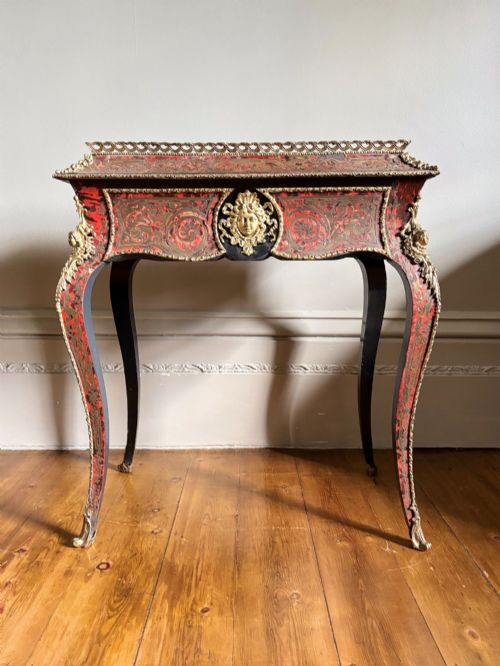
An antique flower stand encompasses a diverse range of plant supports, jardinieres, and pedestals designed to elevate greenery and floral arrangements within domestic interiors. Buyers examining this category encounter pieces originating from Victorian, Edwardian, and Regency periods, alongside continental and Chinese export designs.
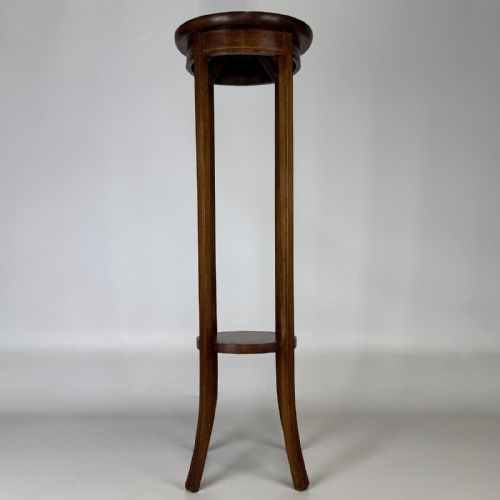
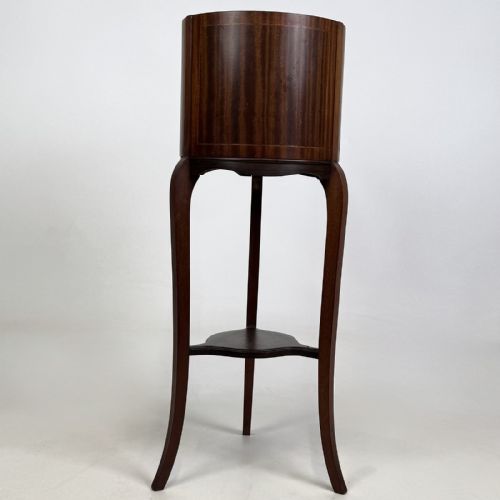
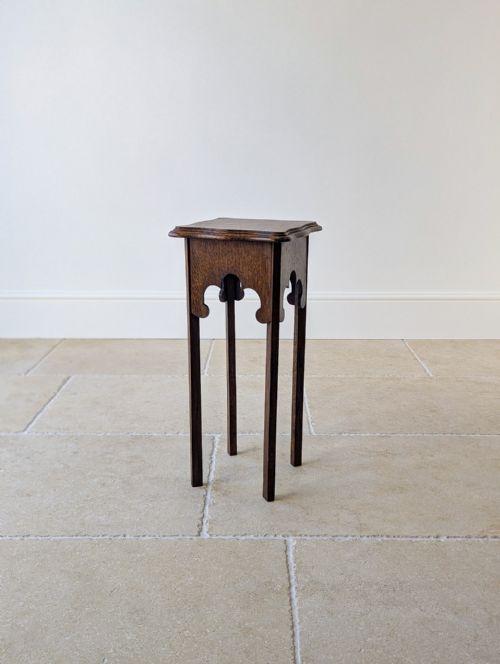
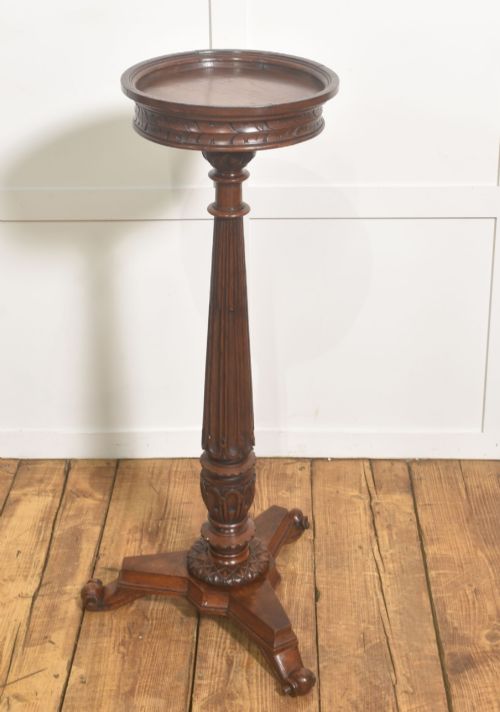
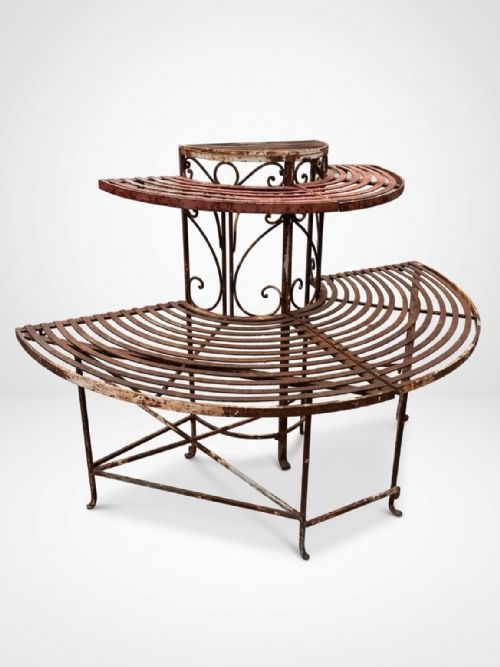
The physical formats vary from tall wooden pedestals and multi-tiered oak structures to metal wirework frames and stone-topped tables. Many examples integrate specialised holders like cachepots, troughs, and low pot stands intended for individual specimens or elaborate interior displays.
Standards of Craftsmanship
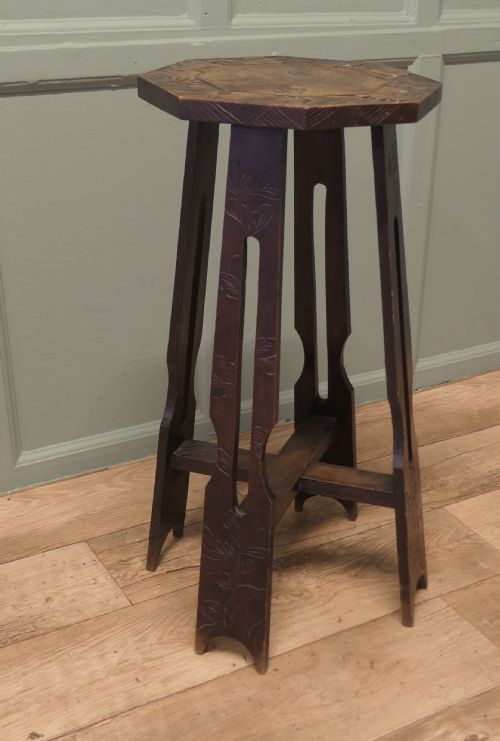
Quality rests upon the precision of the joinery and the integrity of the materials, distinguishing utilitarian workshop output from ambitious cabinet work or fine carving. Dense hardwoods with crisp, deep hand-carving command greater appreciation than softer woods or mechanical imitation.
The integration of secondary materials, such as a well-fitted variegated marble insert or undamaged cloisonné and brass mounts, elevates a piece. Preservation of original surface finishes, including early paint or patinated bronze, further determines the standing of an example.
Antique Flower Stand Retail Price Guide 2026
Typical asking prices for flower stand among the pieces listed under this phrase on Sellingantiques today, from the lower quarter to the upper quarter. They describe what is for sale here now, not the wider market.
Listings feature items spanning the eighteenth to the twentieth centuries, utilising oak, mahogany, brass, marble, and wrought iron.
Liberty of London·Thomas Hope·Royal Worcester
The Antique Flower Stand Glossary
- Jardinere
- A decorative pot or stand designed to hold a plant or floral arrangement. These vessels frequently sit within dedicated metal or wooden frames.
- Cachepot
- An ornamental container used to conceal an ordinary flowerpot. Examples often match or complement the supporting stand.
- Hongmu
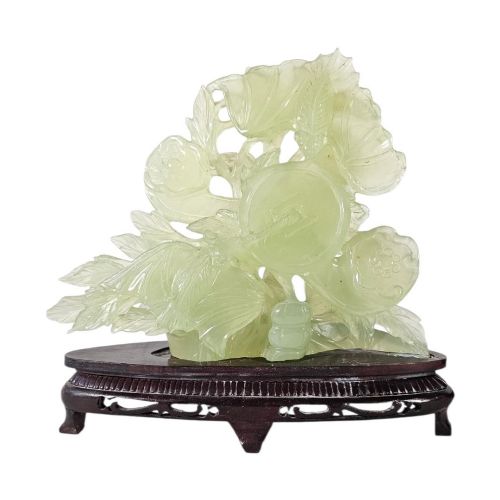
- A dense, dark Chinese hardwood frequently utilised for carved furniture and low pot stands. The term translates literally as red wood.
- Wirework
- Framework constructed from bent metal wire, common in garden and conservatory stands from the nineteenth century. This technique allowed for light, airy structures capable of supporting multiple tiers of pots.
Antique Flower Stand: Frequently Asked Questions
What is an antique flower stand used for?
These pieces served to elevate potted plants, jardinieres, and floral arrangements off the floor or furniture surfaces within parlours, conservatories, and drawing rooms.
By lifting greenery into the light, they protected interior surfaces from moisture while displaying botanical specimens as decorative focal points in the home.
How do I care for wooden plant stands?
Maintenance requires protecting timber and veneer surfaces from direct moisture by using suitable saucers or liners inside any attached pots or jardinieres.
Regular dusting and occasional application of appropriate furniture wax preserve the finish without damaging historical patination.
How can I tell Edwardian stands from Victorian ones?
Victorian examples often display heavier proportions, darker woods, and elaborate cast iron or walnut ornamentation reflecting mid-to-late nineteenth-century tastes.
Edwardian pieces generally lean towards lighter oak constructions, simpler Arts and Crafts lines, and brighter mahogany frames from the early twentieth century.
Are marble tops original to these stands?
Marble and onyx inserts were commonly integrated by makers to provide a cool, waterproof surface that withstood damp flower pots and watering.
These stone slabs were fitted directly into the timber frame during manufacture to combine durability with decorative contrast.