


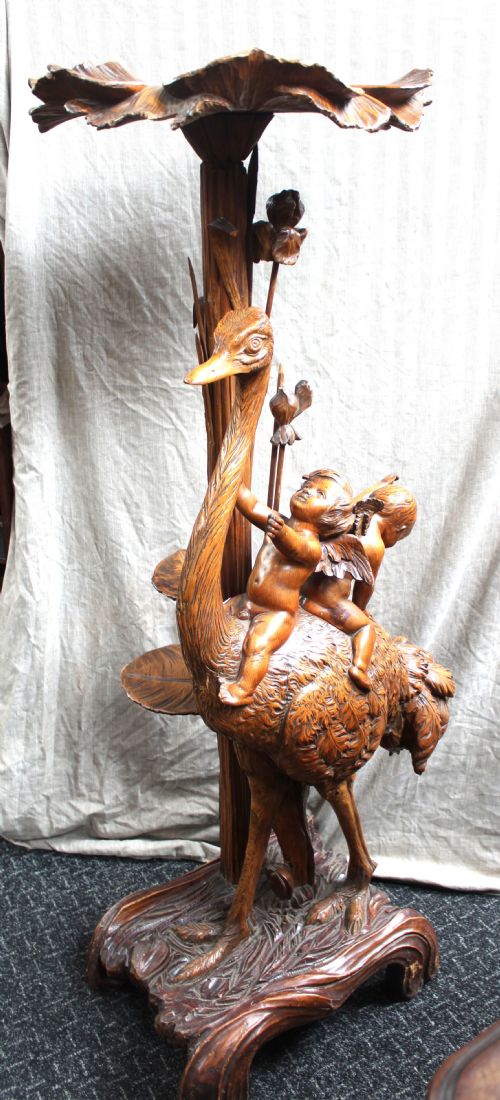
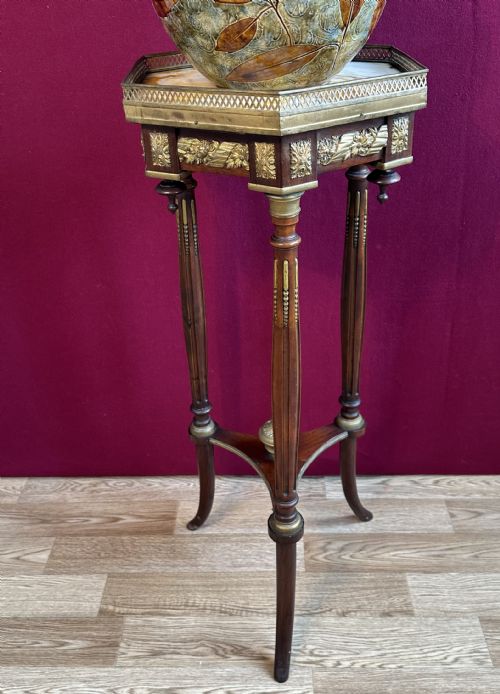
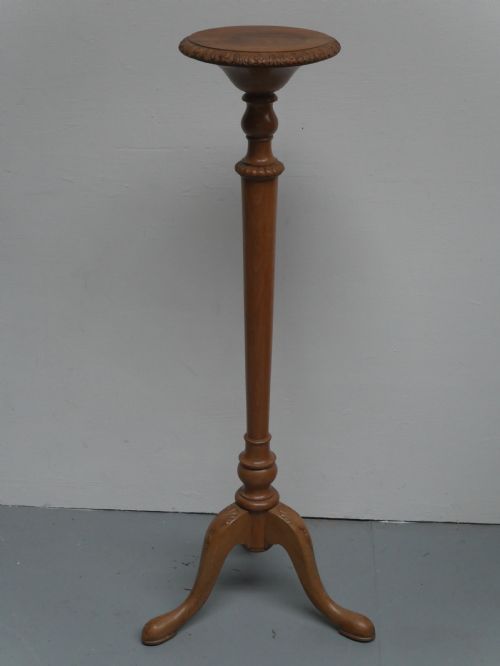
Carved Wooden Jardiniere
A carved wooden jardiniere brings natural texture and structural height indoors, framing plants or flowers with traditional craftsmanship.
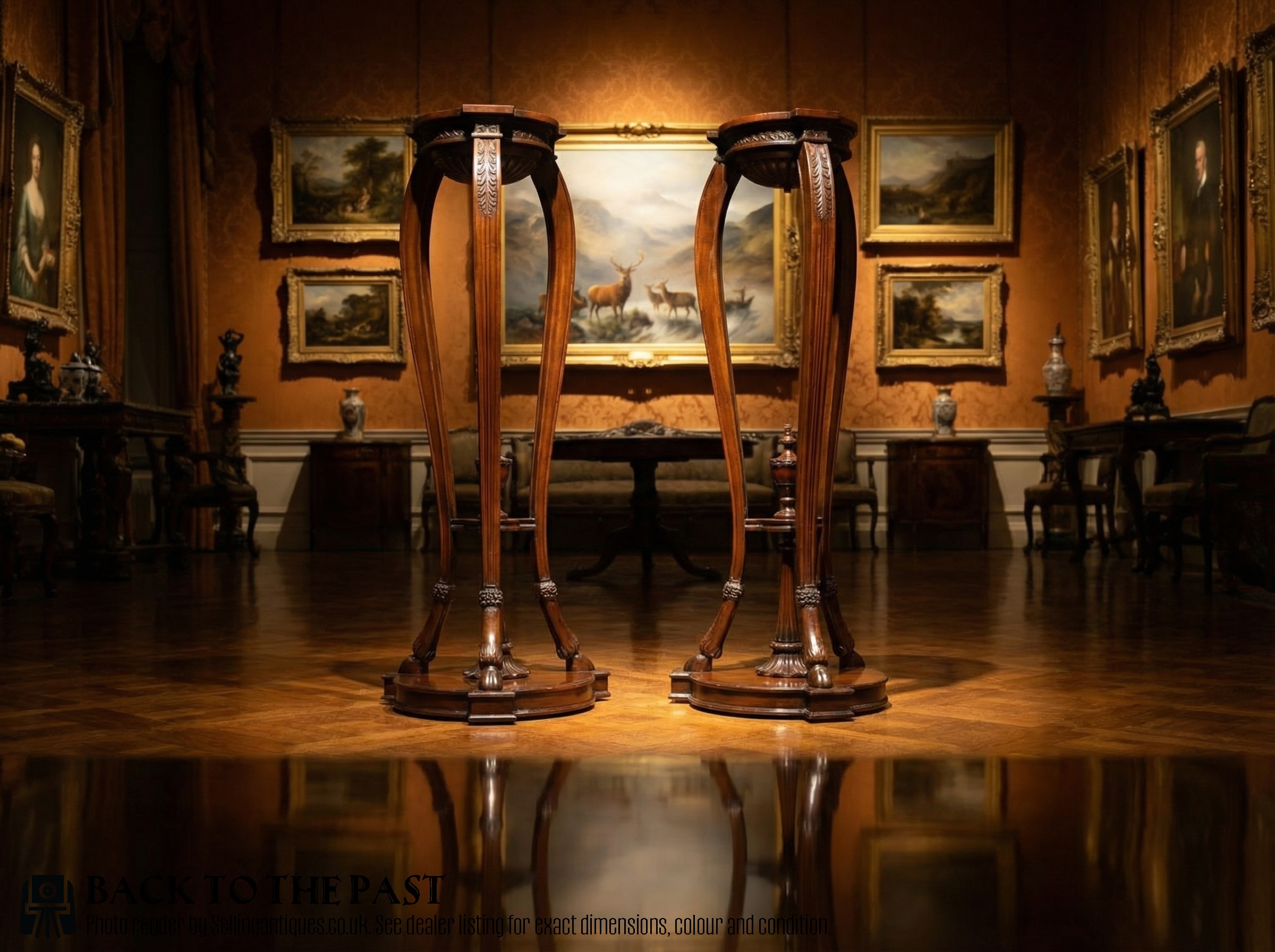
Carved Wooden Jardiniere
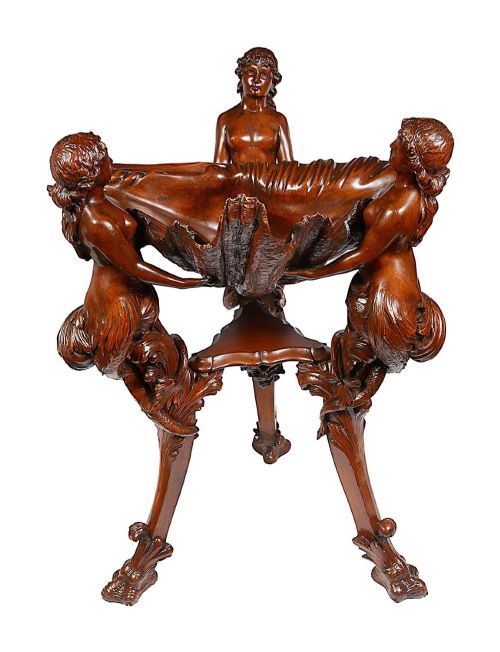
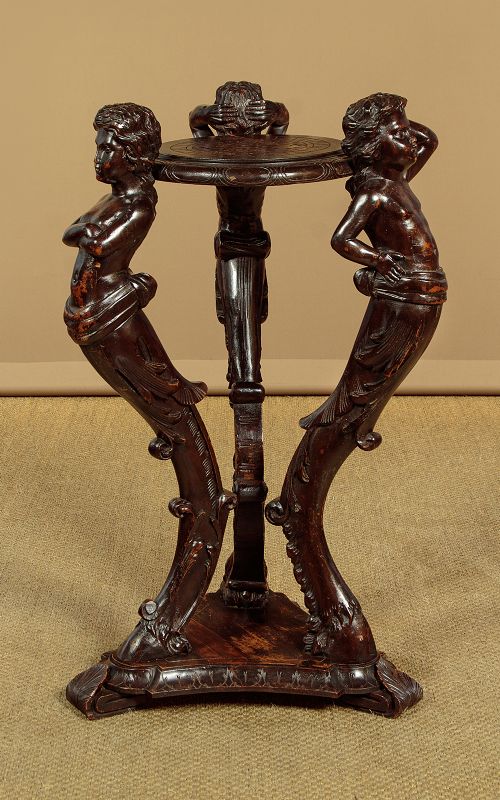
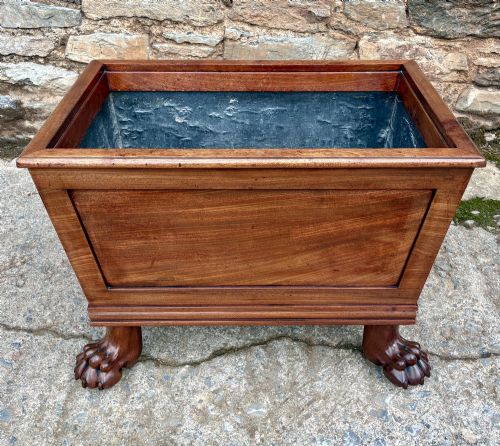
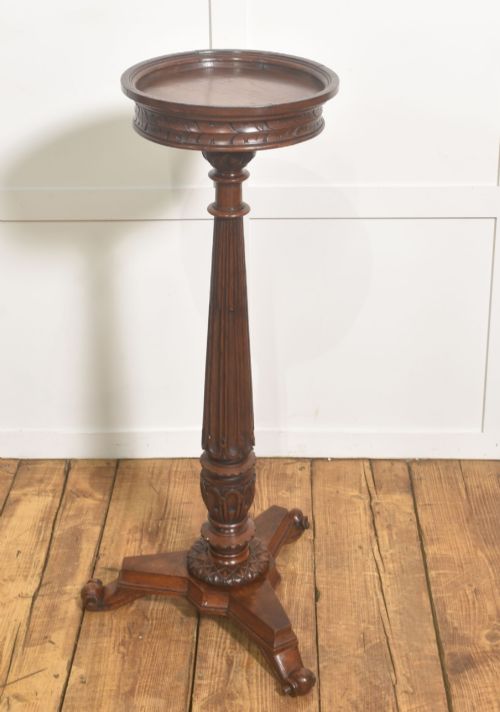
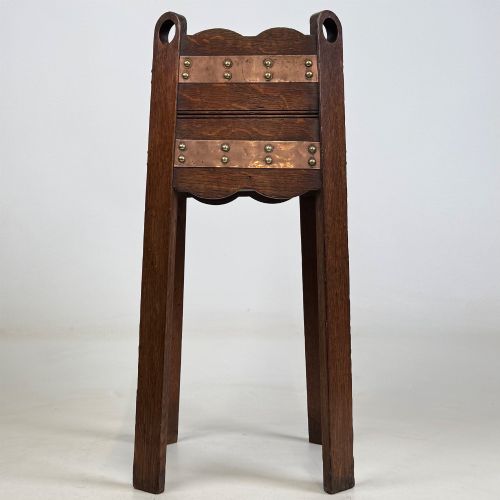
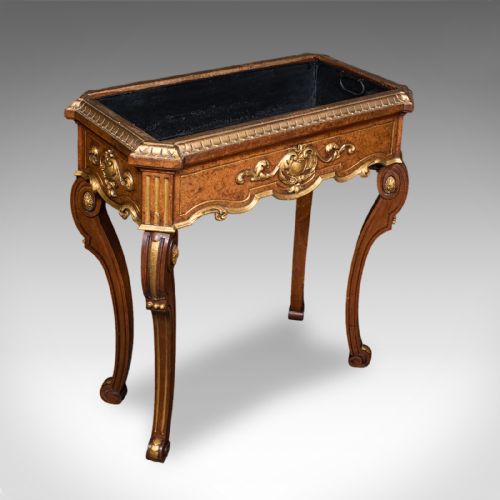
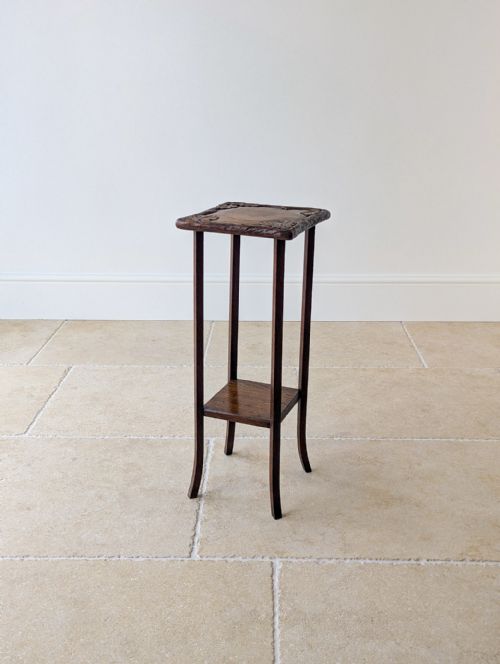
A carved wooden jardiniere serves as a dedicated plant stand, planter, or display pedestal for indoor greenery and decorative urns. Buyers searching for a carved wooden jardiniere encounter forms ranging from tall plant stands and two-tier tables to low planters and wine coolers.
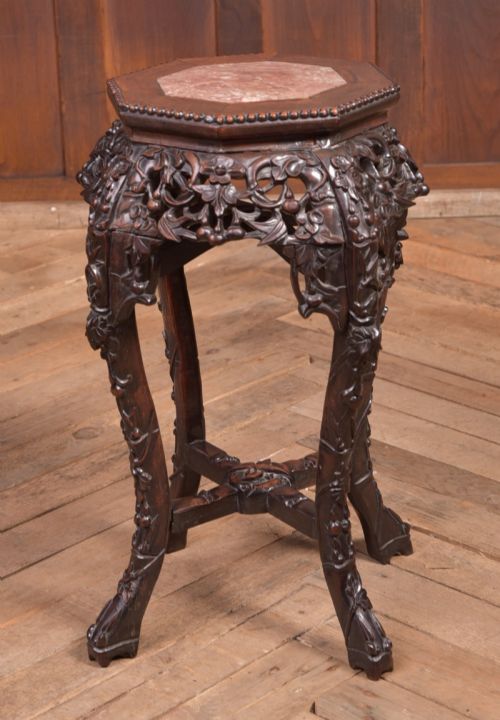
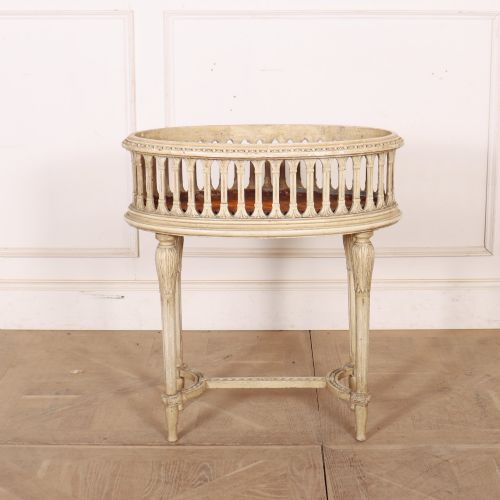
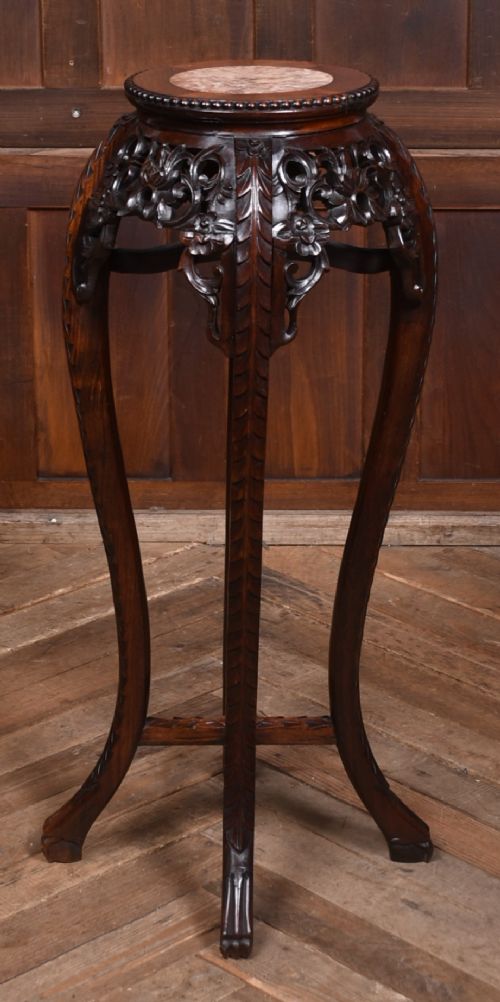
The selection includes examples from the nineteenth and twentieth centuries, spanning Victorian, Edwardian, Arts and Crafts, and Oriental traditions. Oak, walnut, and mahogany dominate the structural forms, frequently paired with inset marble tops or metal liners.
Origin points vary widely, covering English oak pieces, French walnut tables, and intricately carved hardwood stands from Chinese and Anglo-Indian workshops. Most items function equally well as lamp tables or pedestals for sculpture and vases.
Materials and Construction
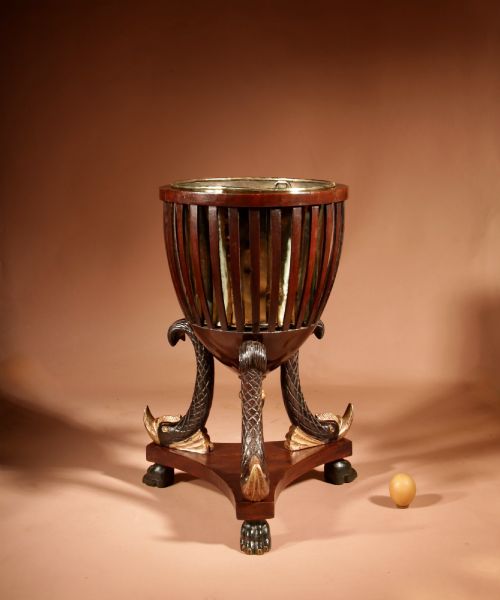
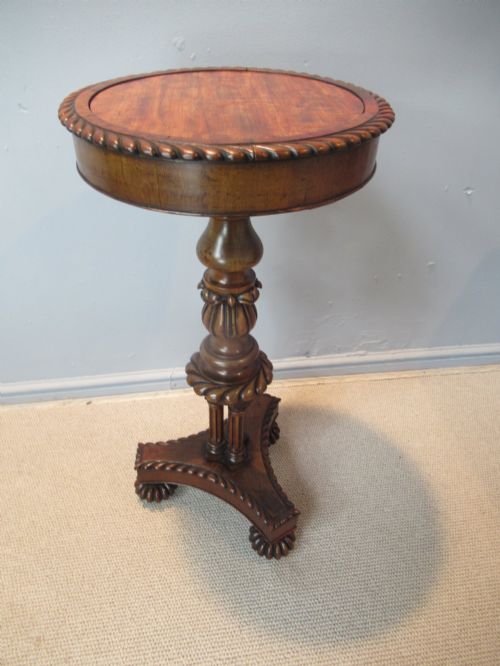
Cabinetmakers utilised dense timbers such as mahogany, walnut, oak, and ebony to support the weight of wet soil, heavy porcelain, and stone inserts. These hardwoods were turned, carved, and joined to create sturdy tripod bases, barley twist legs, and multi-tier display surfaces.
Many planters incorporate functional linings of zinc or brass to contain moisture and protect the surrounding wooden structure from water damage. Marble tops provide a durable, cool surface resistant to dampness from potted plants.
Surface ornamentation relies on hand carving, ranging from deep floral reliefs in the Arts and Crafts taste to precise Oriental motifs on exotic hardwoods. Some examples feature painted finishes, lacquer, or gilt details applied over the timber base.
Carved Wooden Jardiniere Retail Price Guide 2026
Typical asking prices for carved wooden jardiniere among the pieces listed under this phrase on Sellingantiques today, from the lower quarter to the upper quarter. They describe what is for sale here now, not the wider market.
Several stands feature barley twist legs that make even a humble fern look like it is doing a traditional dance.
Assessing Quality and Execution
The standard of carving dictates much of the visual distinction, separating mechanically produced decoration from crisp, hand-chiselled depth. Deeply undercut foliage and precise geometric turns demonstrate superior workshop proficiency.
Structural integrity depends on the seasoning of the timber and the rigidity of the joints, particularly in tall stands and tripod bases that must bear eccentric loads. Superior pieces maintain stable alignment without wobble, despite changes in household humidity.
The integration of secondary materials, such as closely fitted marble slabs and intact metal liners, indicates the original intended utility and completeness of the piece. High-grade examples retain harmonious proportions between the support structure and the vessel it holds.
Liberty of London
The Carved Wooden Jardiniere Glossary
- Jardiniere
- An ornamental pot or stand for holding plants or flowers. Originating from the French word for gardener, the term applies to both the vessel and its supporting table.
- Torchere
- A tall stand or pedestal originally designed to hold a candelabrum or torch. These slender supports are frequently adapted today as plant or vase stands.
- Padouk
- A heavy, durable tropical hardwood with a reddish tint, utilised extensively in Chinese export furniture. It accepts fine detail work and holds sharp carved edges.
- Barley Twist
- A type of turning resembling a twisted rope, common on seventeenth-century English furniture and revived during the Arts and Crafts and Edwardian periods.
- Marble Top
- A stone slab fitted into the upper surface of a stand to provide a waterproof platform. This feature protects the timber frame from spilled water during plant watering.
Carved Wooden Jardiniere: Frequently Asked Questions
What is a carved wooden jardiniere used for?
These pieces function primarily as decorative plant stands, holding potted ferns, flowering plants, or large floral arrangements off the floor. They elevate greenery to eye level and add architectural interest to interior spaces.
Beyond horticulture, many owners repurpose them as lamp tables, display surfaces for ceramics, or bedside pedestals. Their sturdy construction and raised rims make them versatile furniture items for holding everyday objects.
How do I protect the wood from water damage?
Most antique planters feature removable metal liners, such as zinc or brass, designed to catch excess moisture from watering. Using these liners prevents water from reaching the vulnerable interior wood.
If a liner is missing, placing a modern saucer or a waterproof tray inside the wooden vessel provides the necessary barrier. Regular maintenance with appropriate wax helps preserve the exterior finish against ambient humidity.
How do I date an antique plant stand?
Dating relies on examining the timber species, construction methods, and stylistic cues characteristic of specific design movements. For instance, heavy oak frames with geometric turnings often point toward the Arts and Crafts period around nineteen hundred.
Finer mahoganies, Regency brass mounts, or hand-carved Oriental hardwoods each carry distinct technological markers. Tool marks on the underside of the wood and the type of fixings used also help establish the era of manufacture.
Are these stands strong enough for heavy pots?
Most historical stands were engineered specifically to bear the substantial weight of wet soil, dense foliage, and thick ceramic or stone vessels. Hardwood frames and stable tripod or four-legged bases provide the necessary load-bearing capacity.
However, inspecting the joints where the legs meet the top or shelf ensures the structure remains secure over time. Stands with inset marble tops offer particularly robust, stable platforms for heavy displays.