


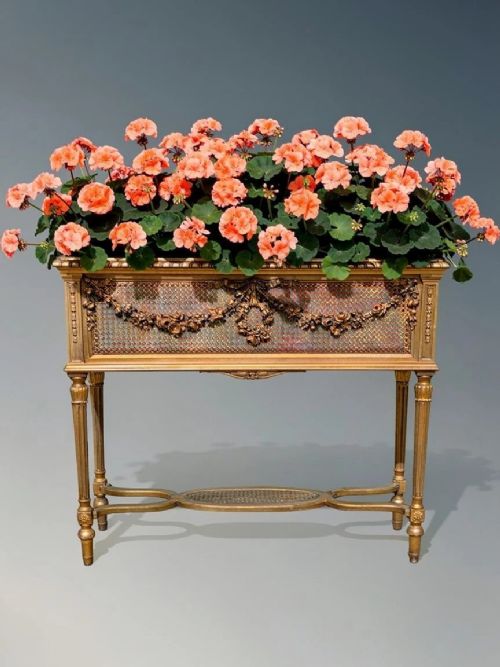


Antique Plant Trough
These antique plant trough pieces offer functional botanical display, bringing period character and horticulture together in domestic spaces.
Antique Plant Trough
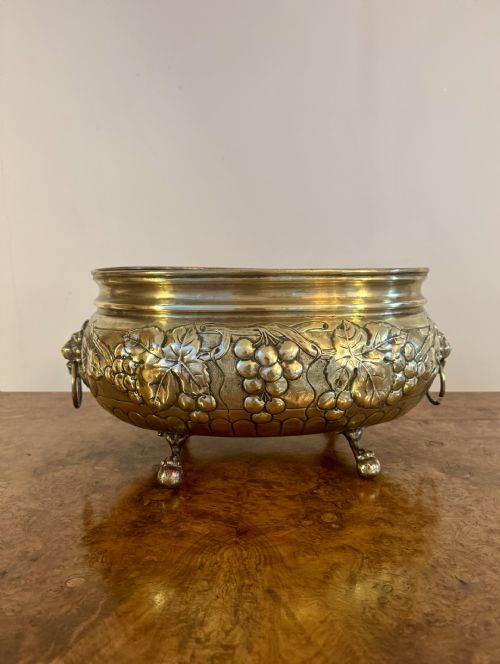
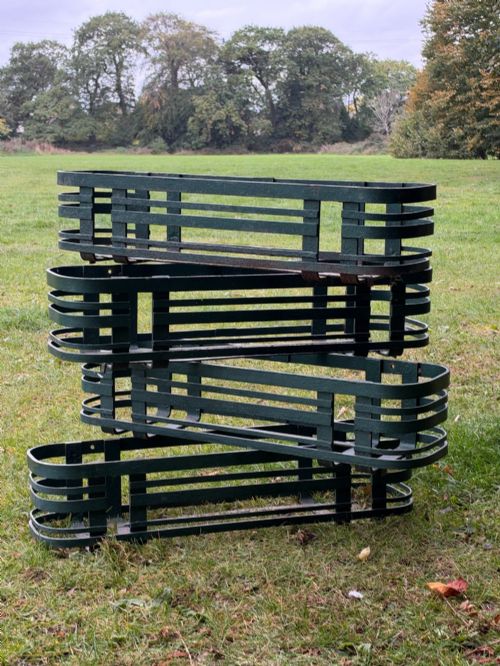
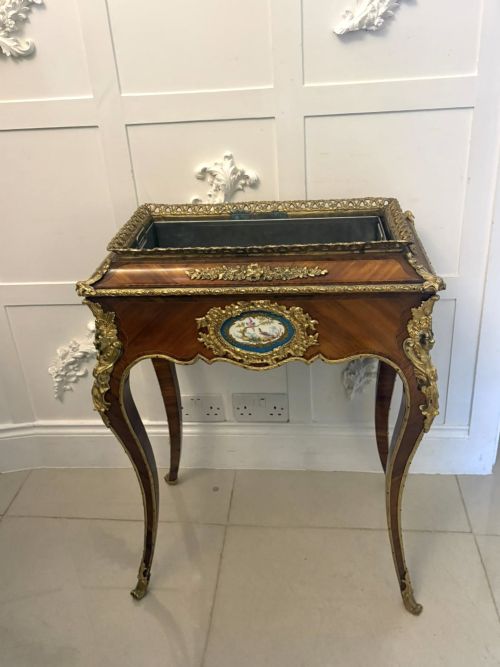
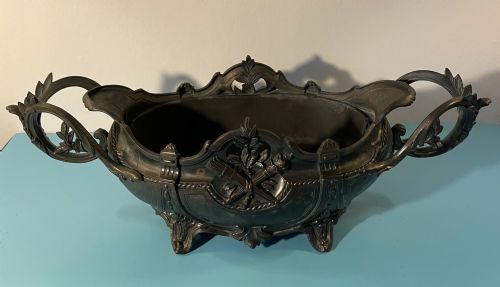
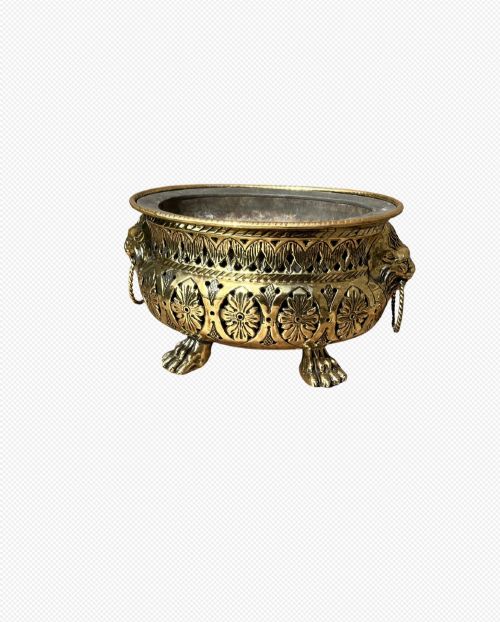
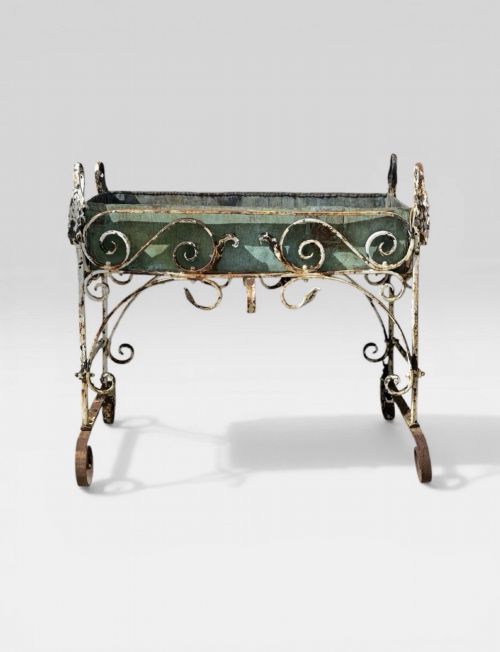
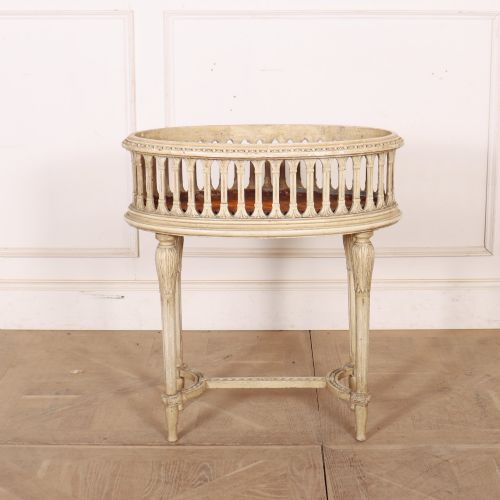
An antique plant trough serves as a decorative vessel for housing indoor plants, ranging from substantial floor-standing jardinieres to window boxes and table centrepieces. When exploring this selection, buyers frequently encounter refined nineteenth-century timber boxes, metal-lined containers, and ceramic-trimmed receptacles designed to protect fine furniture from moisture.
The objects recorded here span the Victorian era alongside French Revival, Art Nouveau, and Chippendale styles, demonstrating both domestic utility and formal reception-room display. Makers and manufacturers utilised diverse forms, incorporating metal liners and decorative stands to elevate greenery within nineteenth-century interiors.
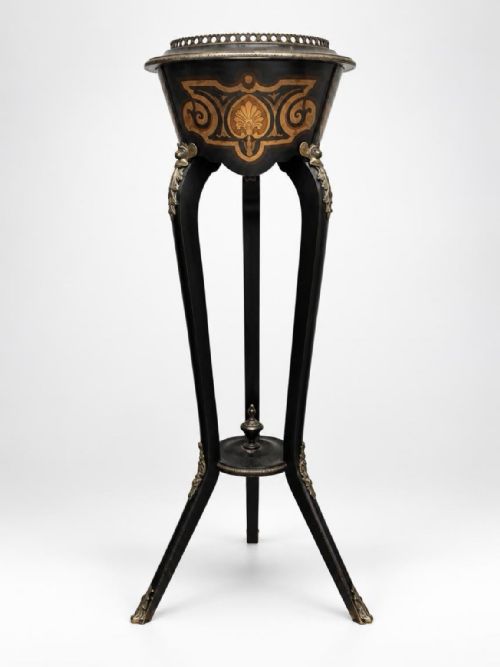
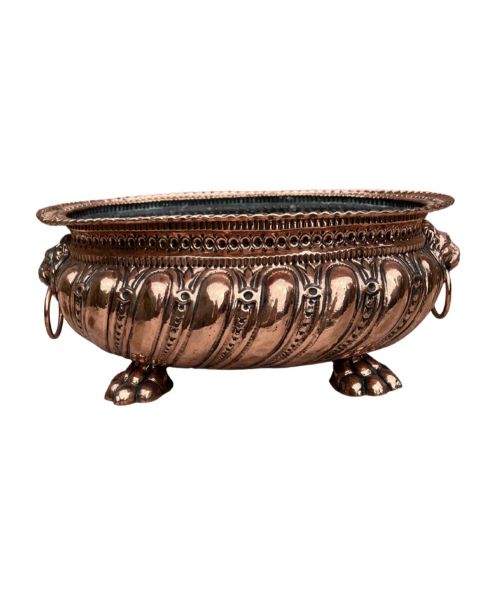
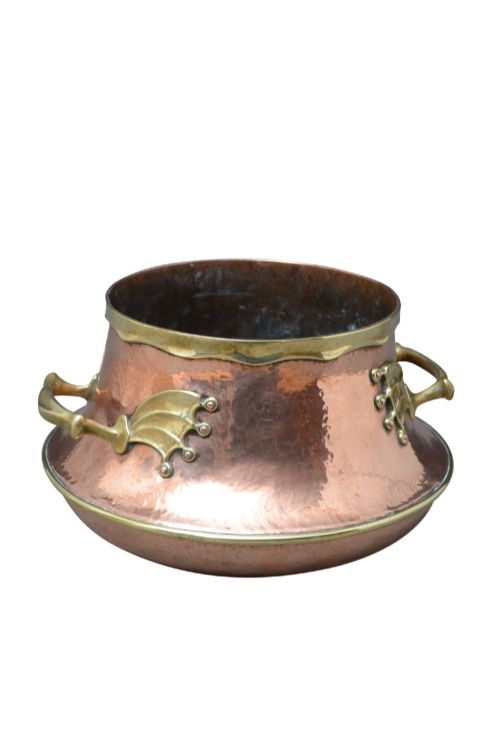
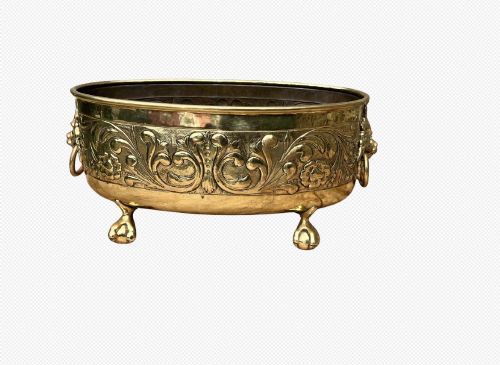
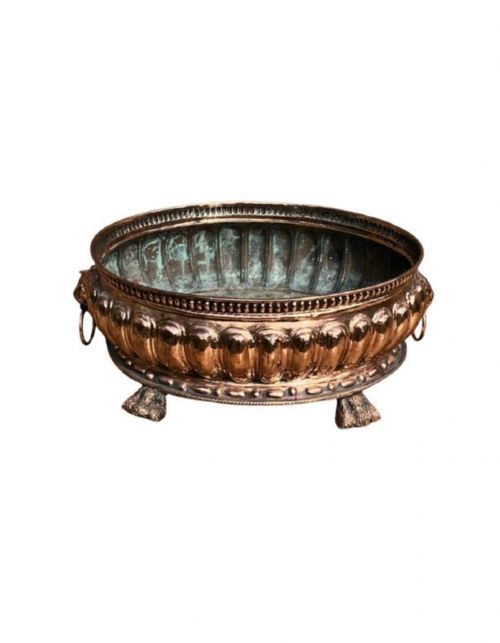
The physical evidence includes cedar, oak, mahogany, walnut, and satinwood alongside metals such as zinc, brass, copper, and cast metal. Specific items incorporate intricate marquetry, ebonised finishes, ormolu mounts, and hand-carved details that reflect the aesthetic ambitions of their period.
Materials and construction
Craftsmen built these troughs using dense cabinet timbers like mahogany, walnut, oak, and satinwood, frequently employing techniques such as intricate marquetry, ebonising, and elaborate carving. Many examples feature specialised metal liners in zinc or copper to contain damp soil and water without damaging the surrounding wooden structure.
Decorative surfaces often integrate cast brass or ormolu mounts, gilded gesso, and ceramic tiles, demonstrating multi-disciplinary workshop collaboration. Riveted metal joints and secure joinery ensured structural integrity under the weight of wet earth and growing plants.
Antique Plant Trough Retail Price Guide 2026
Typical asking prices for plant trough among the pieces listed under this phrase on Sellingantiques today, from the lower quarter to the upper quarter. They describe what is for sale here now, not the wider market.
Factors of quality
Quality rests in the crispness of timber carving, the precision of marquetry inlay, and the integrity of internal metal linings. Superior examples maintain original structural components without extensive timber replacement or mismatched hardware.
Design ambition separates standard commercial boxes from exceptional pieces, particularly where French revival mounts, giltwood detailing, or integrated stands display cohesive artistic direction.
W.F. Needham
The Antique Plant Trough Glossary
- Jardiniere
- An ornamental pot or stand for holding plants or flowers. These items often feature decorative metal liners or exterior carving.
- Ormolu
- Gilded bronze used widely for furniture mounts and decorative hardware during the nineteenth century. It adds bright metallic contrast to dark timber surfaces.
- Marquetry
- The art and craft of applying decorative veneer pieces to a structure to form intricate designs. This technique frequently defines high-status cabinet work.
- Majolica
- A type of tin-glazed earthenware popular during the Victorian period. It provides colourful, glossy surfaces suited to decorative plant containers.
- Spelter
- A zinc alloy frequently cast into decorative figures and mounts. It served as a cost-effective alternative to bronze in nineteenth-century decorative items.
Antique Plant Trough: Frequently Asked Questions
How were plant troughs used historically?
Victorian and nineteenth-century households used these troughs to bring greenery into parlours, drawing rooms, and hallways. They allowed homeowners to display ferns and flowering plants safely indoors.
Water-tight liners protected polished furniture surfaces from moisture, making botanical decoration practical in formal living spaces.
How do I care for an antique trough?
Protect wooden frames and metal surfaces by using inner pots or removable plastic liners rather than planting directly into the antique container. Wipe down metal components gently and avoid excess standing water.
Keep wooden items away from direct heat sources and sudden humidity changes to preserve original finishes and prevent timber splitting.
How do I identify Victorian plant troughs?
Victorian pieces frequently display characteristic stylistic markers such as bamboo details, tiled ceramic inlays, or heavy oak and walnut construction. Look for period joinery and materials typical of the late nineteenth century.
Stylistic influences range from Gothic revival to Arts and Crafts, often matching contemporary interior decoration trends of the era.