


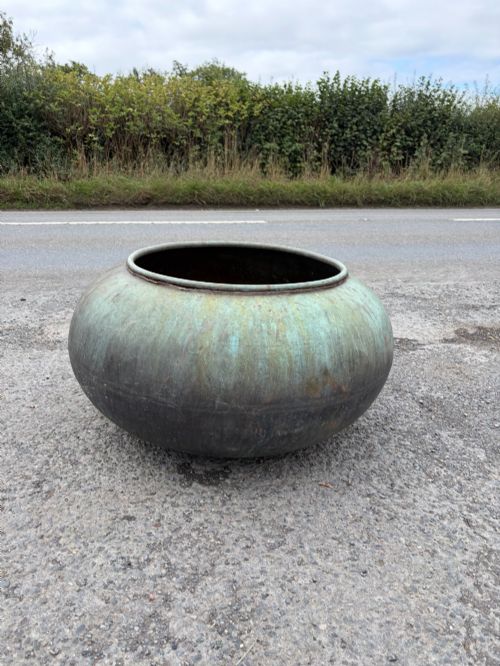
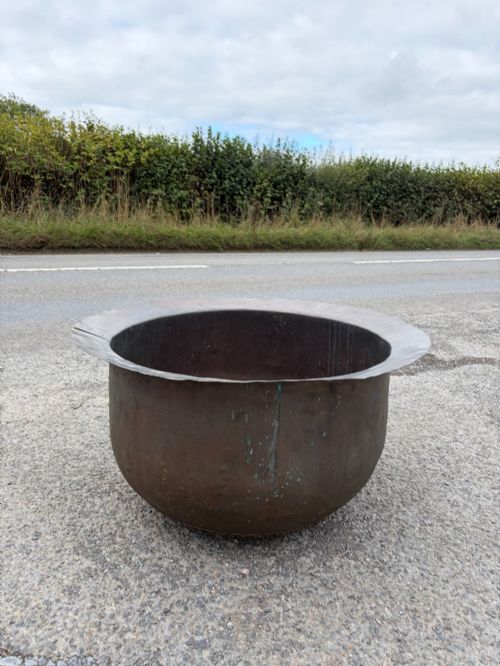
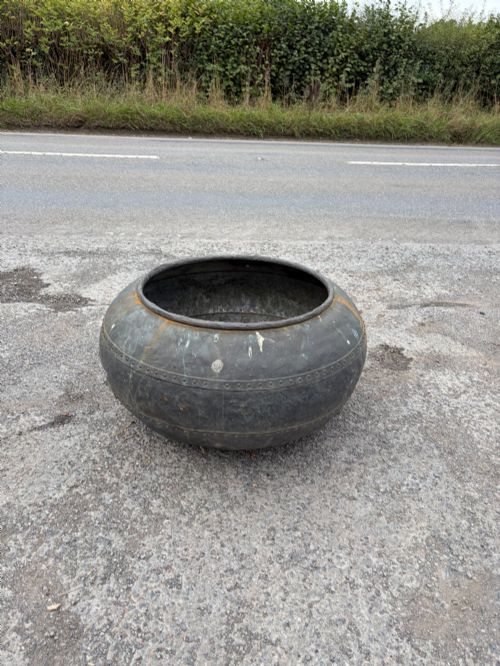
19th Century Planter
A 19th century planter brings heavy metal vessels, glazed ceramics and carved stone into domestic and garden spaces.
19th Century Planter
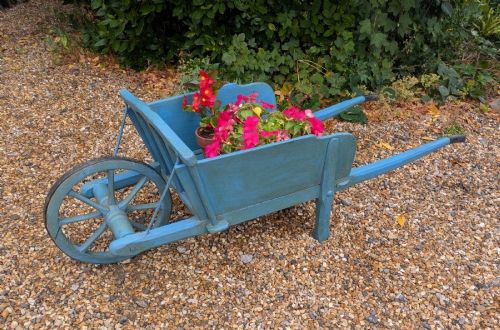
The 19th century planter category encompasses diverse vessels designed to hold greenery, flowers, or water, ranging from indoor table pedestals to large garden urns. Buyers encounter heavy metal pots, ceramic jardinieres, and stone troughs created during the Victorian, Georgian, and later nineteenth-century periods.
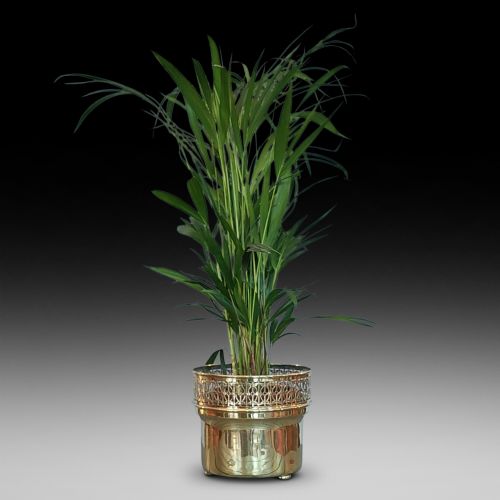
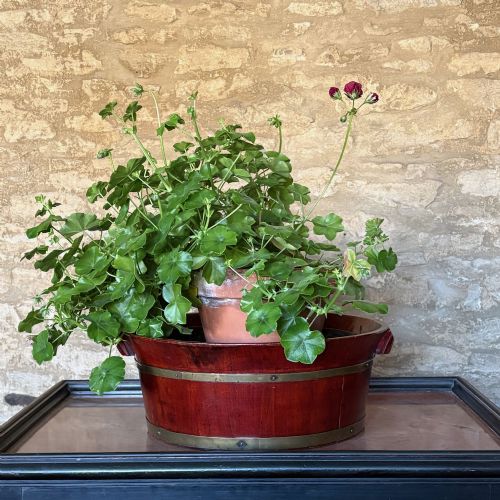
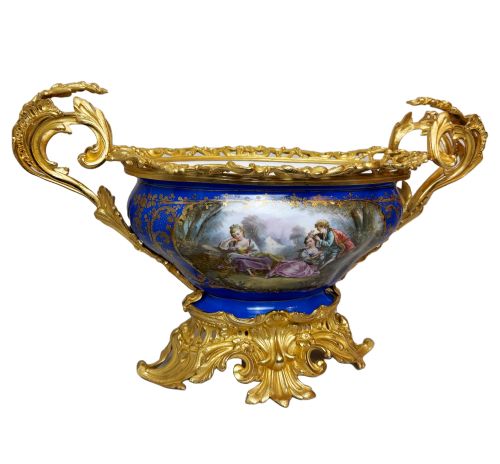
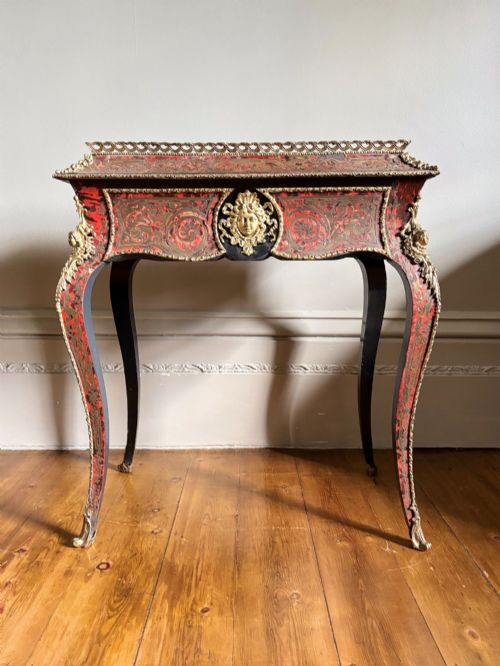
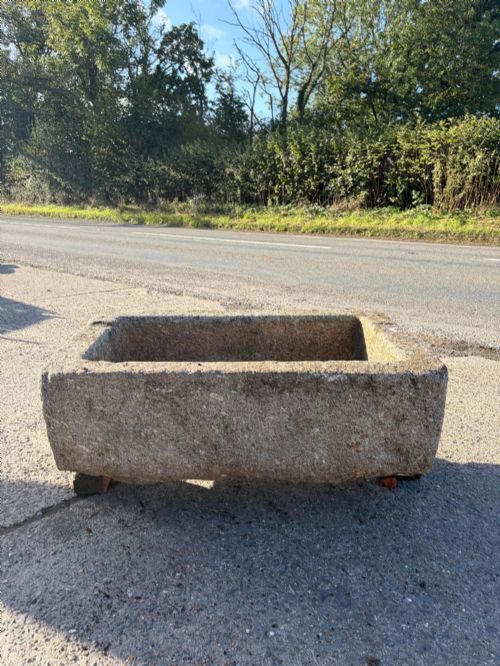
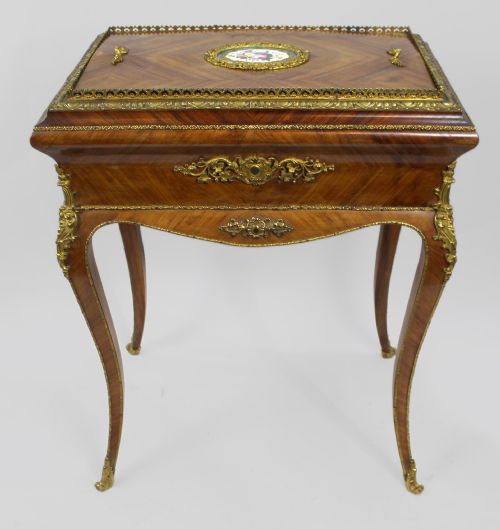
Domestic examples often take the form of copper pots, brass cachepots, and porcelain ormolu-mounted table planters, while larger architectural pieces include cast iron campana urns and gritstone troughs. Many items share functional overlap with wine coolers, log bins, and wash vessels.
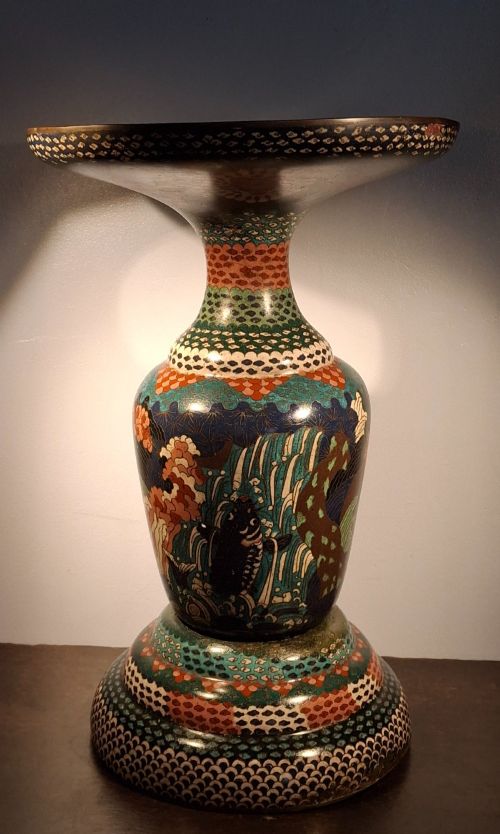
Originating from English, French, Japanese, and Chinese workshops, these objects reflect distinct regional aesthetics from Gothic Revival to Meiji bronzes and Anglo-Indian designs.
Materials and Construction
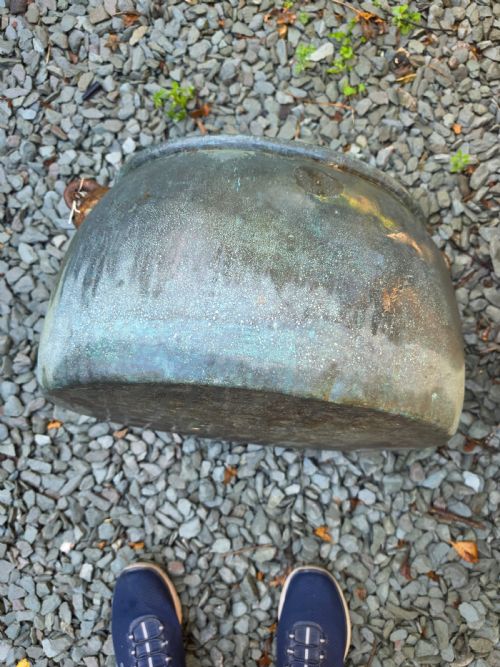
Metal vessels rely on hand-riveting, casting, and repoussé work, frequently utilising copper, brass, cast iron, and bronze. Artisans joined heavy sheets with visible rivets or cast molten metal into detailed moulds to create decorative shields, handles, and lion-head mounts.
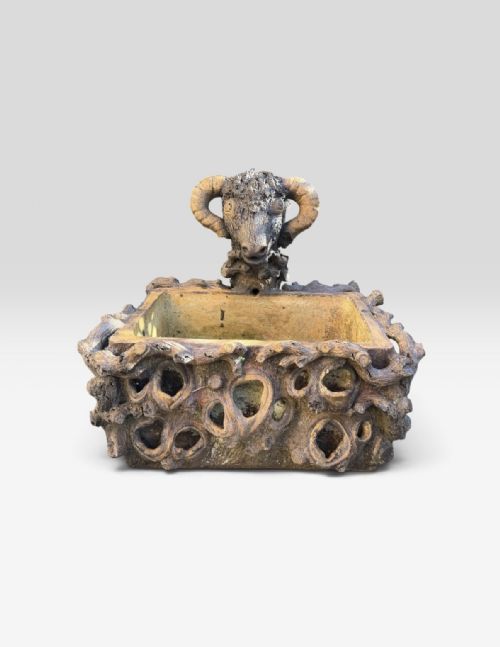
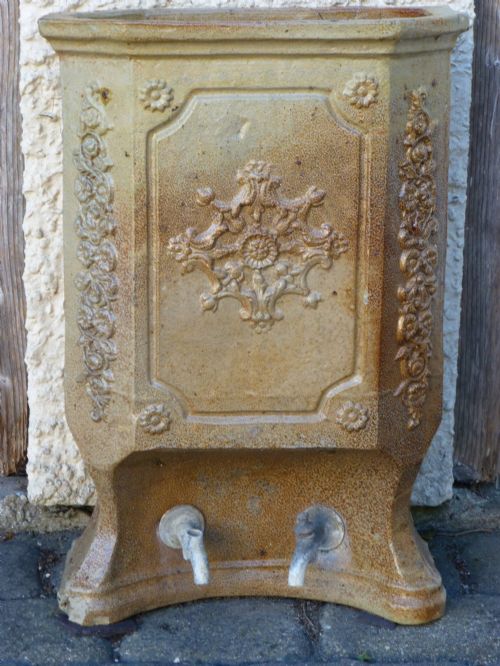
Ceramic and stone versions involve stoneware, terracotta, salt glazing, and hand-carved gritstone or composite stone. Workshops fired earthenwares at high temperatures and applied blue-and-white glazes, porcelain plaques, or majolica decoration.
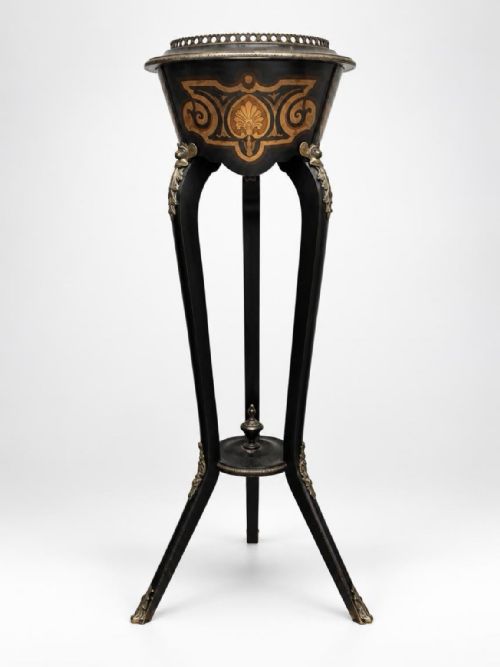
Wooden items incorporate ebonised wood, mahogany, oak, and walnut, often joined with brass banding, marquetry, or parquetry work.
19th Century Planter Retail Price Guide 2026
Typical asking prices for 19th century planter among the pieces listed under this phrase on Sellingantiques today, from the lower quarter to the upper quarter. They describe what is for sale here now, not the wider market.
Assessing Quality and Execution
Quality rests upon the weight of the material, the crispness of cast details like scrollwork and mounts, and the integrity of construction. Heavy, hand-riveted copper walls and thick-walled cast iron or bronze demonstrate superior durability.
Decorative refinement distinguishes standard utility vessels from fine salon pieces, such as the precision of hand-painted porcelain plaques, Sevres inserts, or intricate ormolu mounts. The natural patina accumulated on copper and bronze over decades adds visual depth to well-preserved examples.
Andrew Handyside·Guichard Carriès·Minton
The 19th Century Planter Glossary
- Jardiniere
- An ornamental pot or stand for holding plants or flowers, usually designed for indoor display.
- Cachepot
- An outer pot or decorative container used to conceal an unadorned flowerpot holding a plant.
- Campana
- A bell-shaped garden urn or vessel mounted on a pedestal, popular in classical and nineteenth-century landscape design.
- Ormolu
- Gilt bronze mounted onto furniture, porcelain, or decorative vessels as decorative trim.
- Majolica
- Tin-glazed earthenware decorated with brightly coloured enamel paints over an opaque white glaze.
- Trough
- A long, narrow rectangular vessel carved from stone or cast in metal or concrete for planting greenery.
19th Century Planter: Frequently Asked Questions
Can these metal planters hold soil directly?
Many copper, brass, and iron vessels were originally made with internal metal liners or used as cachepots to hold separate potted plants.
Placing wet soil directly into unlined historic metal can accelerate corrosion, so using a modern plastic insert helps preserve the interior.
How do I care for copper and brass patina?
The natural dark oxidation and verdigris accumulated over time form part of the historical character of nineteenth-century metalwork.
Most collectors prefer to leave the surface untouched rather than polishing away the aged finish.
Are cast iron urns frost resistant?
Cast iron and stone pieces are generally heavy and durable, but trapped water freezing inside unglazed earthenware or stone can cause cracking.
Moving heavy garden urns under cover during severe winter frosts prevents structural damage.
How do I identify a Meiji period bronze?
Japanese bronzes from the Meiji era often feature intricate cast or chased motifs such as birds, blossom, and dragons.
These pieces typically display dense metal weight and fine surface detail characteristic of late nineteenth-century Asian export metalwork.