



Victorian Garden Ornament
A victorian garden ornament brings character to grounds and terraces through enduring cast iron, lead, terracotta, and stone forms.
Victorian Garden Ornament
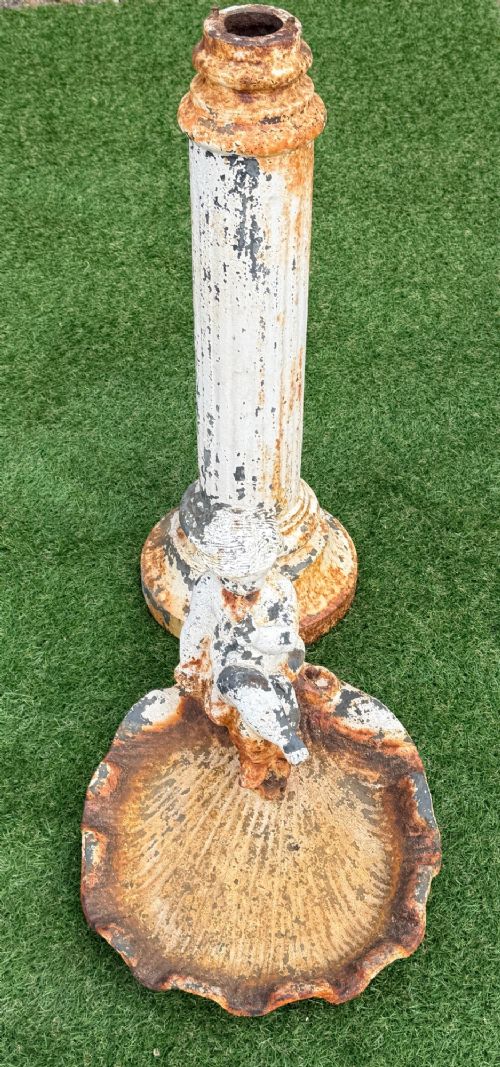
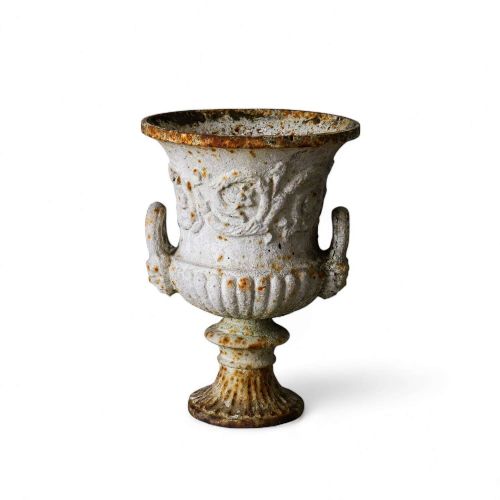
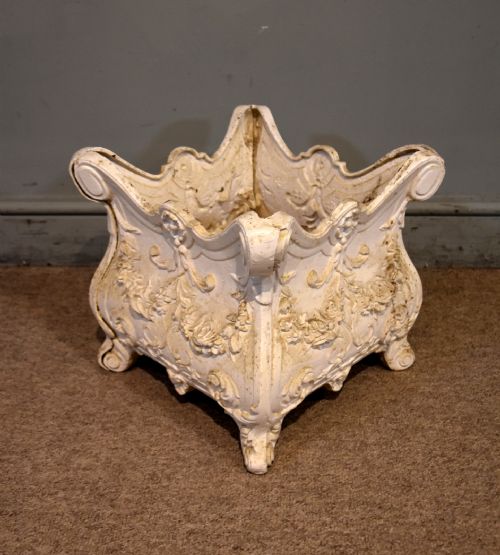
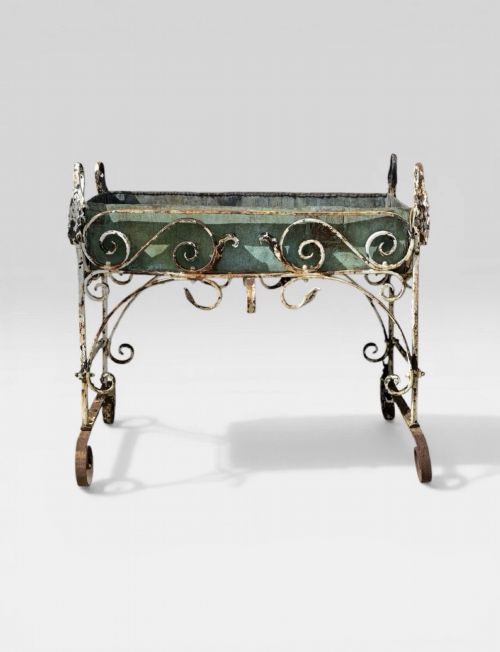
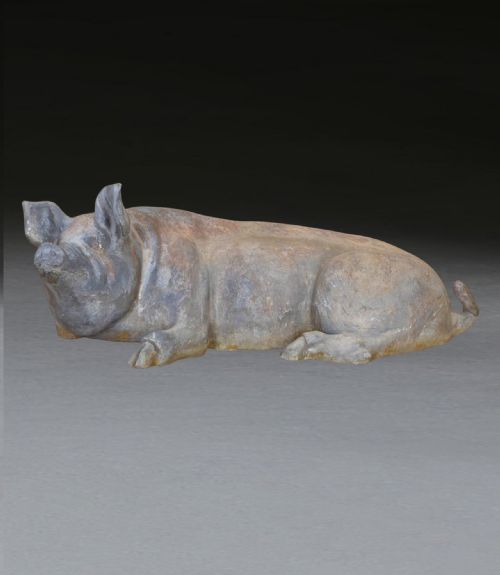
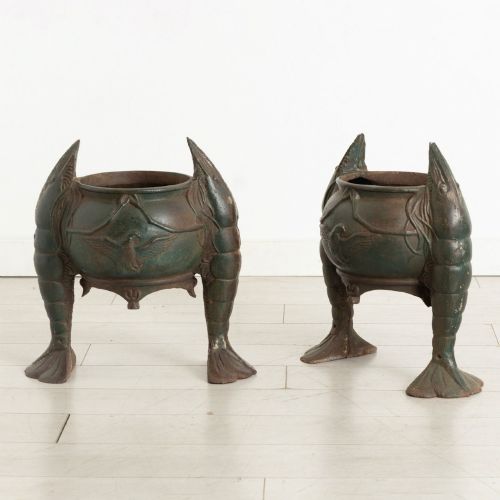
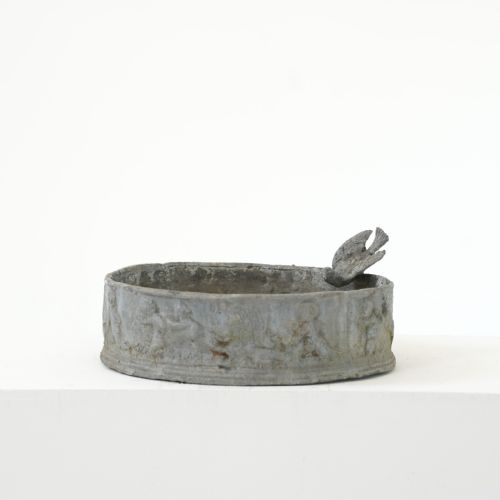
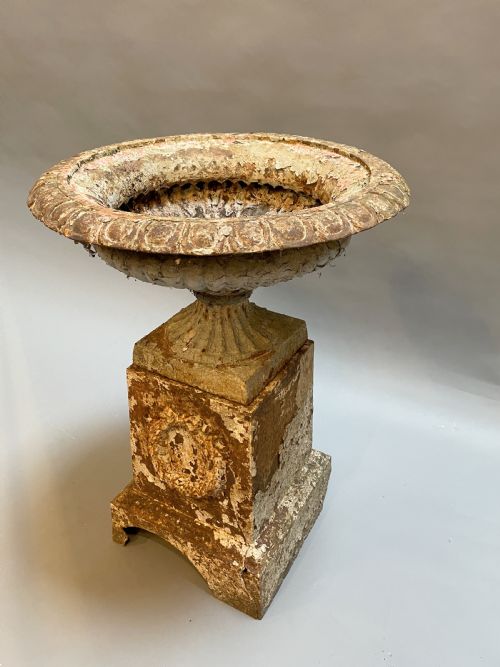
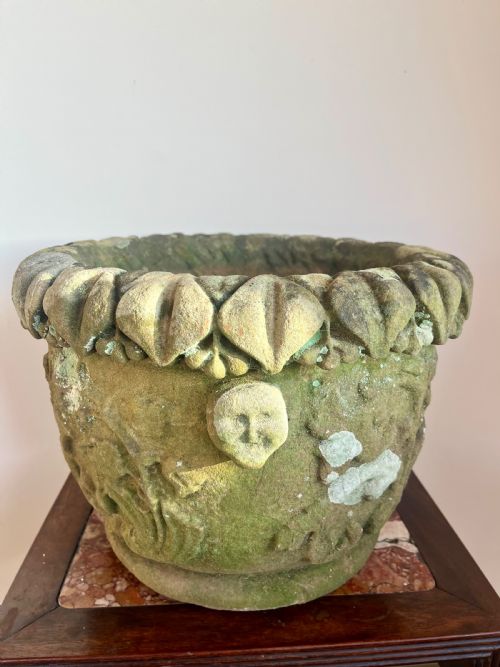
A victorian garden ornament encompasses a diverse range of outdoor items designed to punctuate landscapes, including campana urns, planter boxes, bird baths, sundials, and animal figures. Buyers exploring this phrase encounter robust cast iron vessels, moulded terracotta lions, and heavy lead sculptures originating from the nineteenth century.
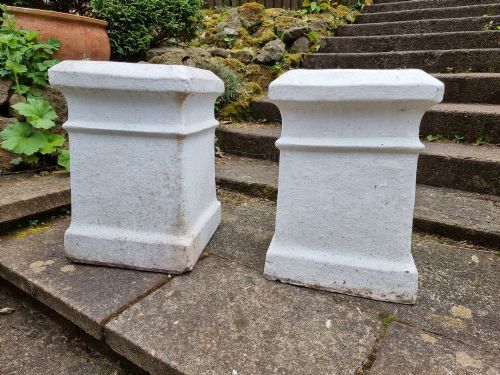
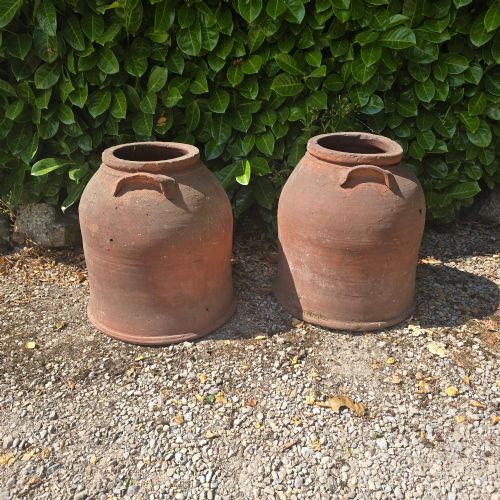
The objects most frequently met on this page are cast iron urns, lead planters, and terracotta statues styled in classical revival or country house aesthetics. These pieces served practical and decorative functions in historical estates, ranging from gate post ornaments to functional rhubarb forcers and chimney pot pedestals.
Makers and foundries of the period produced both utilitarian items and sculptural centerpieces using durable outdoor media. Surviving examples demonstrate the nineteenth century preference for incorporating classical iconography, such as cherubs, satyrs, and mythological figures, directly into domestic and civic grounds.
What Varies In Quality
Material thickness and original structural integrity dictate longevity and balance. Heavier castings, substantial lead walls, and dense stone or salt glazed bodies indicate a higher grade of manufacture intended for prominent country house installations rather than domestic utility.
Artistic execution separates standard utilitarian garden vessels from exceptional sculptural works. Pieces associated with named foundries or exhibiting skilled sculptural modeling in the round command greater attention from collectors.
Victorian Garden Ornament Retail Price Guide 2026
Typical asking prices for victorian garden ornament among the pieces listed under this phrase on Sellingantiques today, from the lower quarter to the upper quarter. They describe what is for sale here now, not the wider market.
Coalbrookdale·Andrew Handyside·Hurlford Kilmarnock
The Victorian Garden Ornament Glossary
- Campana urn
- A bell-shaped garden vessel with a flared rim, often mounted on a pedestal base. These classical forms were frequently cast in iron or moulded in terracotta during the nineteenth century.
- Rhubarb forcer
- A heavy ceramic or terracotta vessel placed over crowns to exclude light and accelerate growth. These agricultural items are now collected as sculptural garden antiques.
- Salt glaze
- A vitreous coating formed by throwing common salt into the kiln during high-temperature firing. This process creates a durable, glossy surface impervious to moisture.
- Weathervane
- A movable device attached to an elevated structure to indicate wind direction, typically forged from copper or iron. Examples often feature folk art silhouettes of animals or symbolic objects.
- Patina
- The surface alteration and oxidation acquired by metal, stone, or terracotta through age and exposure to the elements. A natural patina indicates genuine outdoor weathering.
Victorian Garden Ornament: Frequently Asked Questions
What materials were used for these ornaments?
Nineteenth-century garden pieces utilised cast iron, lead, terracotta, salt glazed pottery, stone, and copper. Each material weathered differently over decades of exposure to the elements.
Foundries selected these media specifically for their durability in outdoor environments, ensuring structures could support planting or stand independently on terraces and lawns.
How do I identify a period piece?
Authentic items display the weight, construction methods, and material characteristics consistent with nineteenth-century manufacturing techniques. Look for sand-cast iron textures, hand-worked lead seams, and historical foundry marks.
Natural surface oxidation and weathering patterns also provide reliable indicators of age, distinguishing historic garden ornaments from modern reproductions.
Where were these placed in gardens?
Ornaments were positioned along stone pathways, framing entrance gates, centring formal lawns, or decorating patio walls. Larger urns and figures anchored visual sightlines across country house grounds.
Smaller items like bird baths and planters functioned practically while adding decorative focal points to kitchen gardens and intimate terrace seating areas.
How should I care for outdoor metal and stone?
Cast iron and lead require minimal intervention, as their accumulated surface oxidation helps protect the underlying material from further corrosion. Periodic gentle cleaning removes organic debris without stripping the historical patina.
Porous terracotta and stone pieces benefit from protection against severe frost expansion during winter months to prevent cracking or structural damage.