


Patinated Metal Planter
A patinated metal planter brings garden greenery indoors with heavy bronze, copper and cast iron shaped across centuries.
Patinated Metal Planter
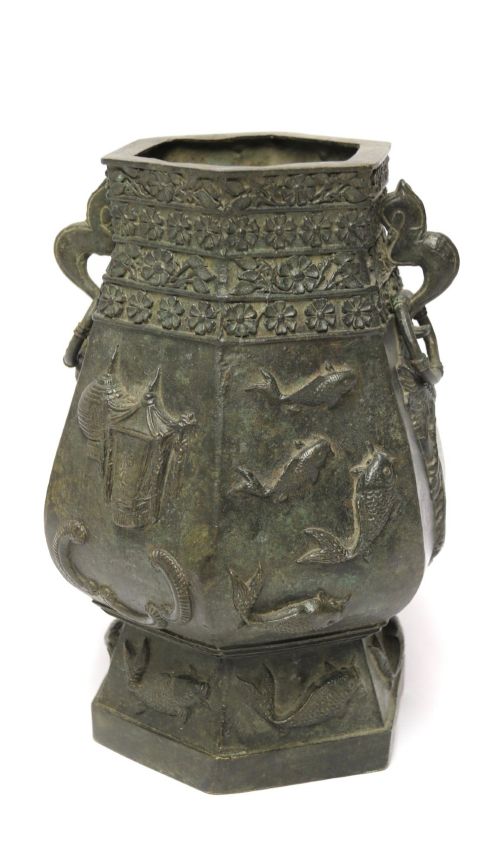
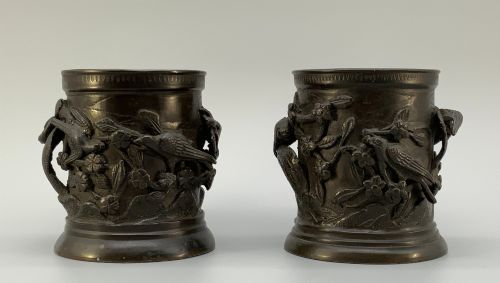
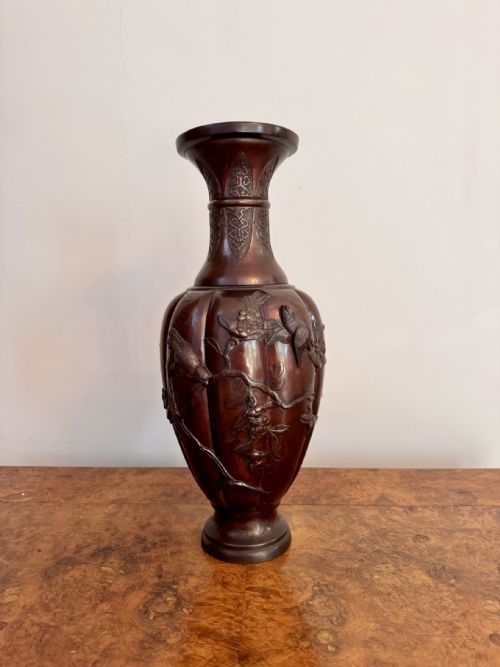
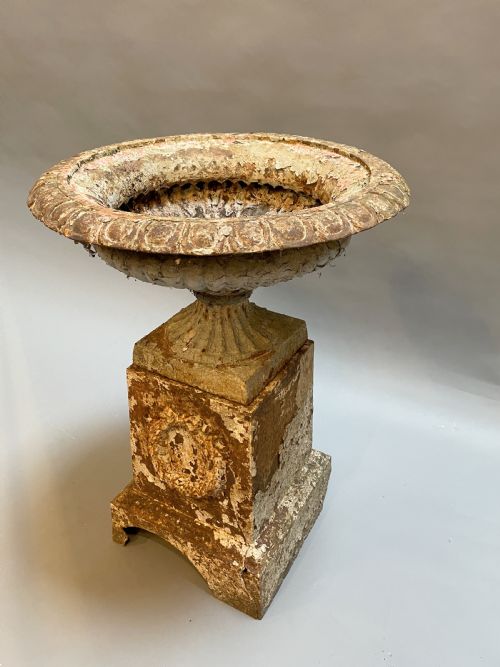
A patinated metal planter covers a diverse range of heavy vessels intended for flora, spanning garden urns, indoor jardinières and large display pots. When searching for a patinated metal planter, buyers encounter objects ranging from heavy cast iron garden pieces to delicate Japanese Meiji bronze vases repurposed for plants.
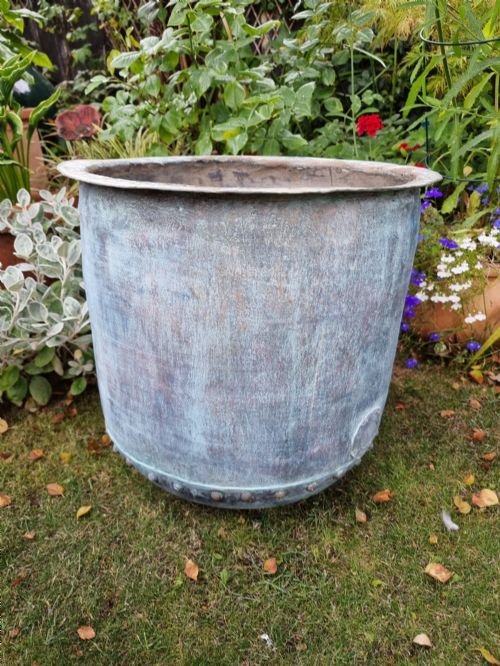
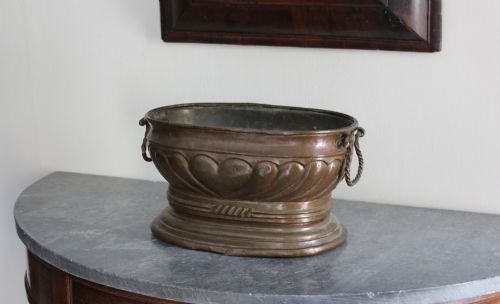
The selections on this page draw from multiple centuries, running through 18th-century copper wine coolers, Regency Grand Tour campana urns and Victorian cauldrons. Forms stretch from simple copper buckets and log bins to monumental temple vases and ritual Chinese bronze vessels.
Origins divide between European kitchen and garden wares in iron and copper, and Oriental bronze works from the Qing Dynasty and Japanese Meiji periods. Buyers meet these varied vessels functioning as log bins, wine coolers, flower pots and structural garden urns.
How they were made
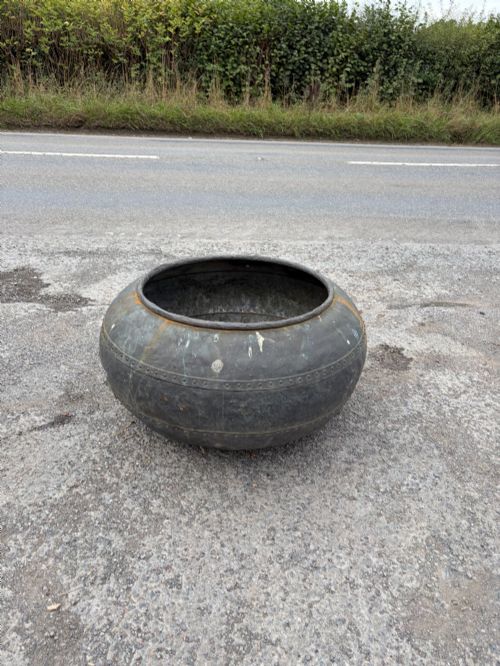
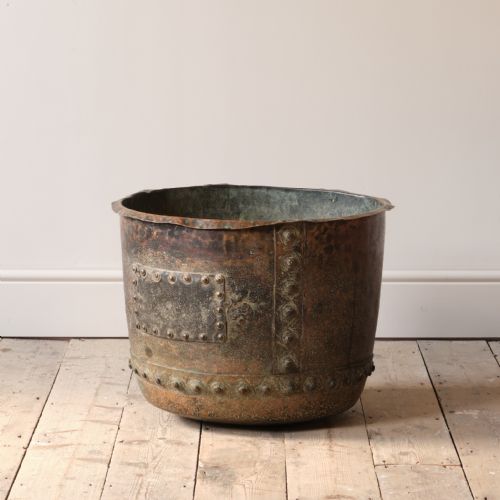
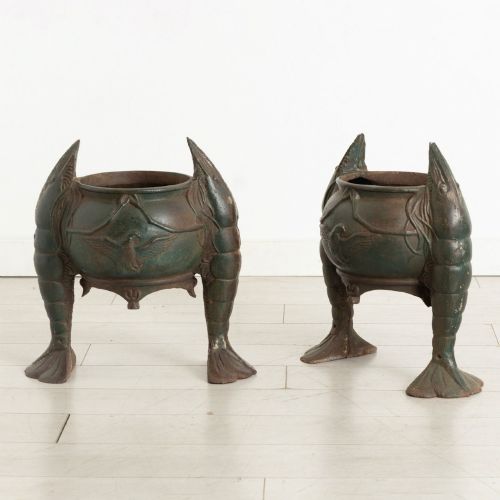
Makers utilised cast bronze, forged copper, cast iron and sheet steel, joining heavy metal plates with visible rivets or casting liquid metal into detailed moulds. Surfaces acquired their characteristic dark patination through natural oxidation over decades or chemical treatments applied during production.
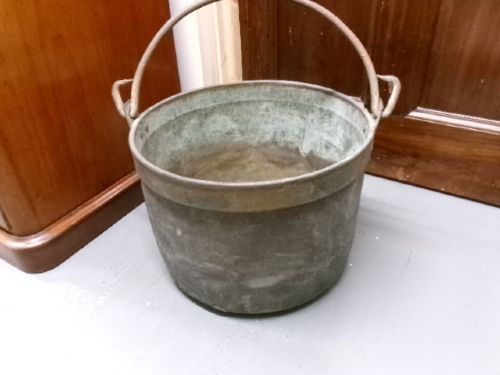
Japanese and Chinese bronzes involved complex lost-wax casting, often finished with fine chiselling to render birds, blossoms and narrative scenes across the exterior walls. European copper vessels relied on hand-beating sheet metal over wooden forms, reinforced with brass swing handles or iron rims.
Listings feature heavy bronze, copper, cast iron and brass formed into planters, urns and log bins across the 18th, 19th and early 20th centuries.
What varies in quality
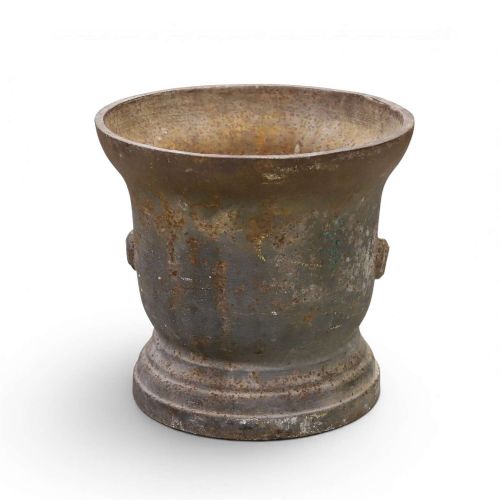
Quality rests in the weight of the metal, the crispness of cast relief decoration and the integrity of the original surface patination. Heavy bronze bowls and thick-walled cast iron urns demonstrate superior material substance compared to thinner commercial sheet metal.
Casting definition separates standard utility vessels from masterworks, visible where feathers on birds, floral stems and classical figures retain sharp relief. The natural skin of the metal, undisturbed by aggressive cleaning, marks the distinction between a preserved antique and a stripped surface.
Barbedienne
The Patinated Metal Planter Glossary
- Patination
- The natural or induced chemical alteration of a metal surface over time, producing varied colour and texture. This aged skin distinguishes genuine period pieces from modern reproductions.
- Jardiniere
- A large ornamental pot or stand designed to hold growing plants or flowers indoors. These vessels often feature flat bases and decorative exterior relief work.
- Campana Urn
- A classical bell-shaped garden vessel with an everted rim and pedestal foot, originating in ancient Rome. Grand Tour examples replicate these ancient forms in bronze.
- Warwick Vase
- A monumental Roman marble vase discovered near Tivoli and replicated in bronze during the 19th century. These pieces feature deep relief masks and entwined vine handles.
- Log Bin
- A robust metal bucket or tub originally utilised for storing hearth logs near a fireplace. Their deep proportions make them suitable for housing large indoor plants.
Patinated Metal Planter: Frequently Asked Questions
How do I clean a patinated metal planter?
Wash the surface gently with warm water and a soft cloth to remove dust and dirt. Avoid harsh chemical cleaners or abrasive pads that strip away the aged patination.
Apply a light coat of microcrystalline wax to protect copper and bronze surfaces from further oxidation. Buff gently with a dry cloth once the wax has dried.
Can these planters be used outdoors?
Cast iron and heavy bronze vessels tolerate outdoor conditions well due to their robust material composition. Protect them from standing water during freezing winter months to prevent cracking.
Copper and brass items suit sheltered garden areas or interior spaces best. Extended exposure to harsh weather accelerates the breakdown of historical surfaces.
How do I date a bronze vessel?
Examine the casting method, tool marks and the depth of the metal patination. Hand-chased details and wear patterns provide clues regarding the period of production.
Compare stylistic motifs, such as Meiji period Japanese flora or Neoclassical Roman shapes, against known historical baselines. Maker signatures or foundry marks offer definitive chronological anchors.
What is a Grand Tour piece?
Grand Tour items are bronze vessels and sculptures acquired by wealthy travellers visiting European cultural sites during the 18th and 19th centuries. These objects typically replicate famous classical antiquities.
These pieces served as academic souvenirs and displays of refined taste in British and European homes. They are prized for their detailed foundry work and historical associations.