
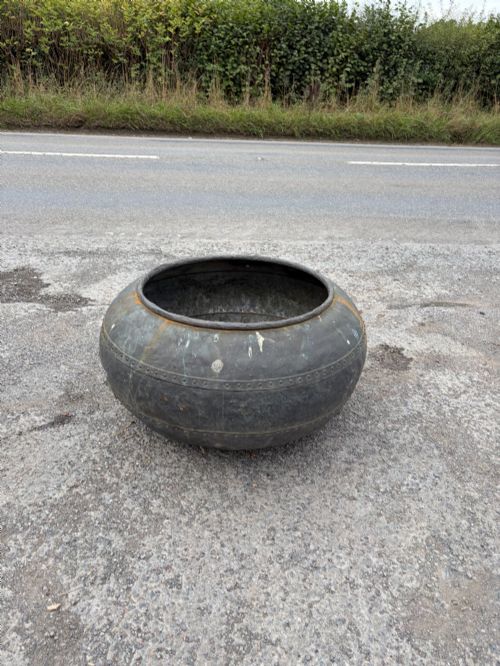
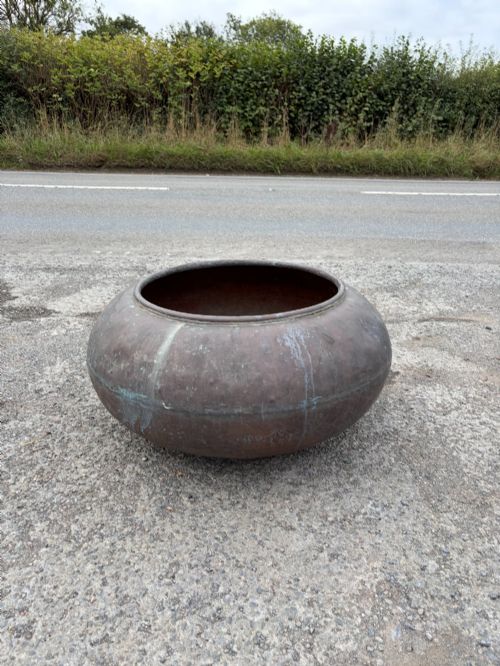
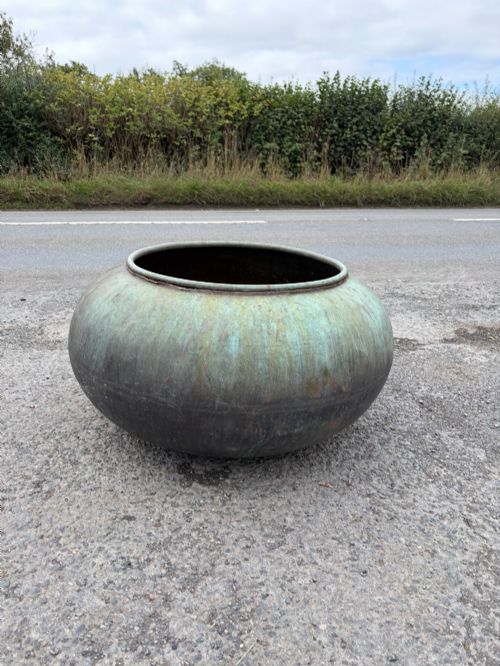
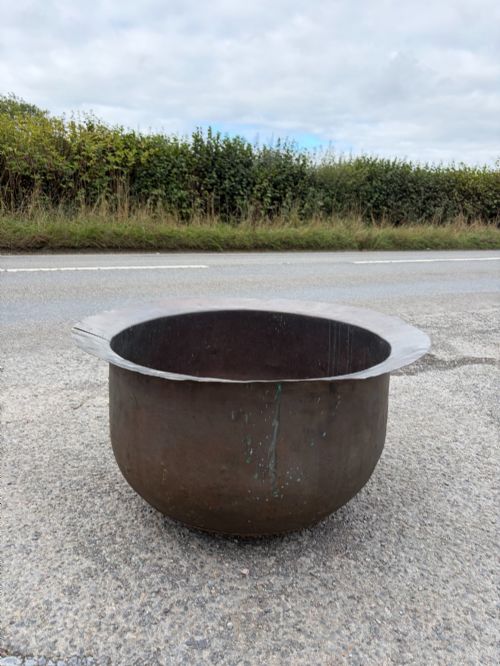
Rustic Garden Planter
A rustic garden planter brings practical charm to outdoor spaces, offering enduring forms shaped from sturdy cast iron, natural stone, and weathered wood.
Rustic Garden Planter
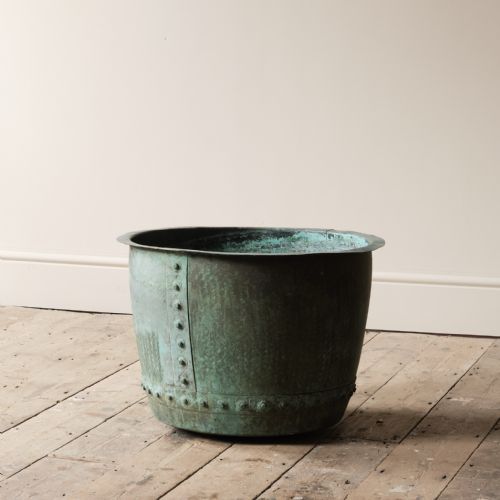
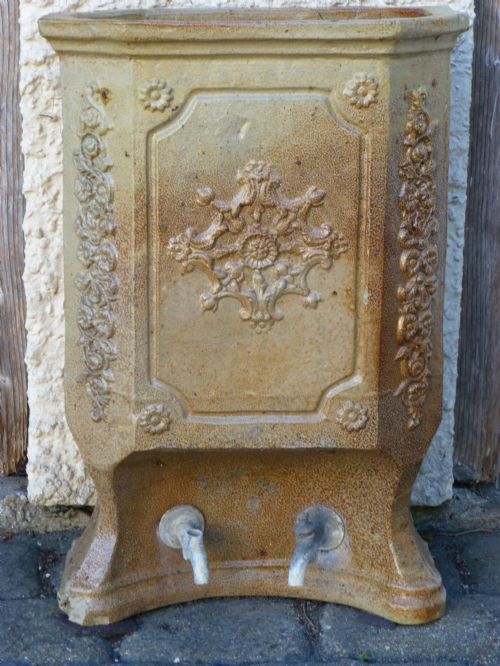
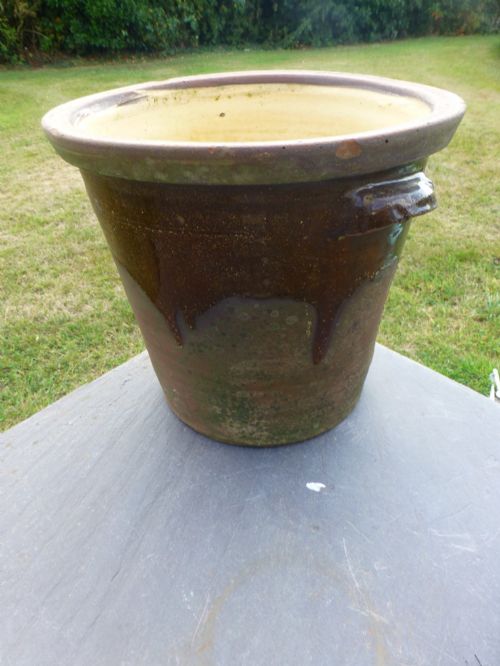
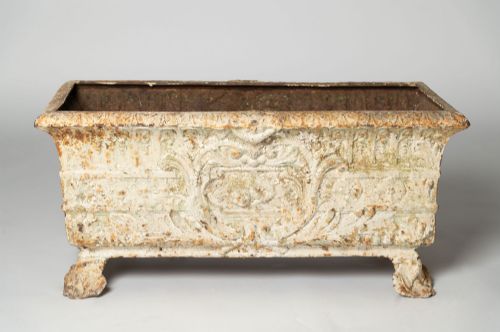
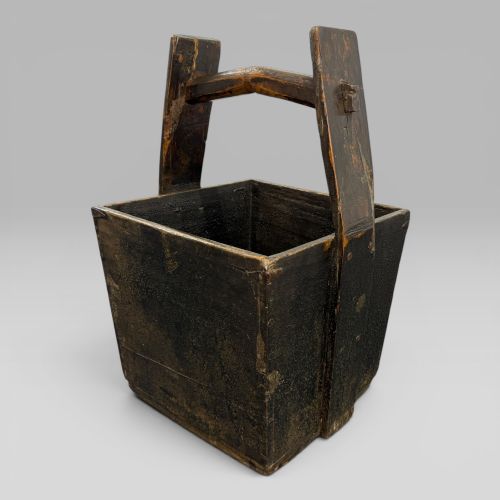
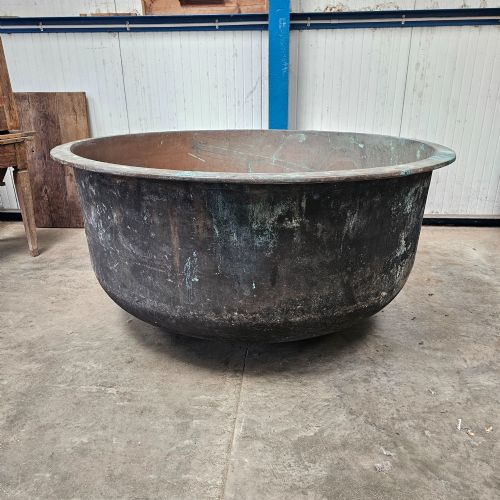
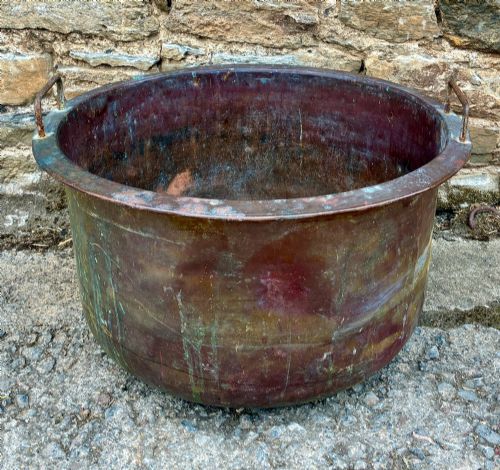
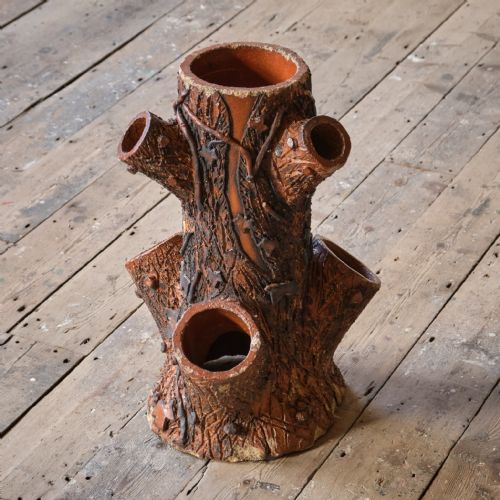
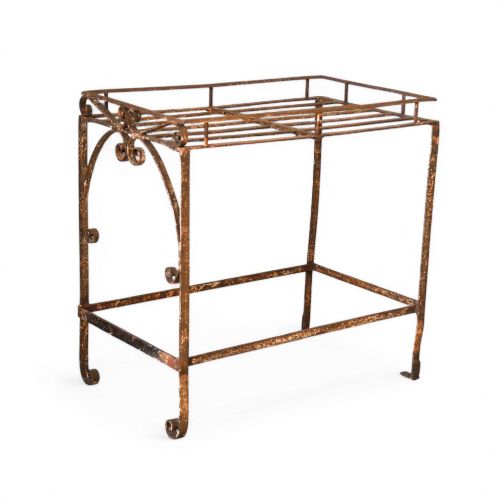
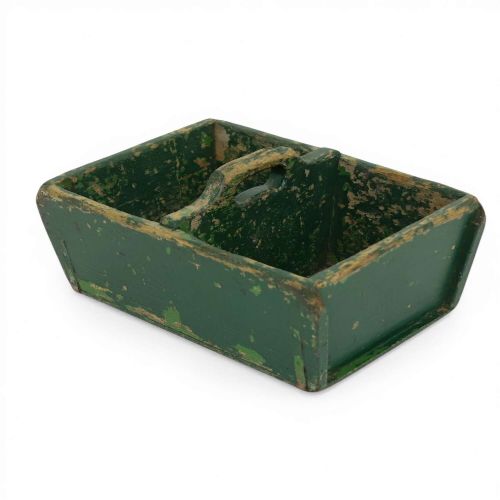
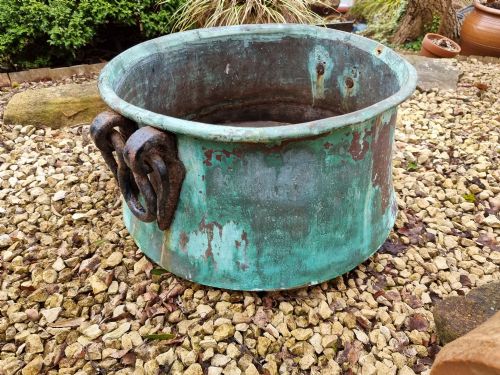
When you search for a rustic garden planter, you encounter robust objects designed for practical outdoor use that now bring character to patios and lawns. The selection spans distinct forms, ranging from solid stone vessels and cast iron urns to timber well buckets and zinc dolly tubs.
The versions most commonly met on this page date from the Georgian era through the Victorian period and into the early twentieth century. These pieces reflect utilitarian origins, created for estate gardens, farms, and everyday domestic chores before finding a second life as decorative containers.
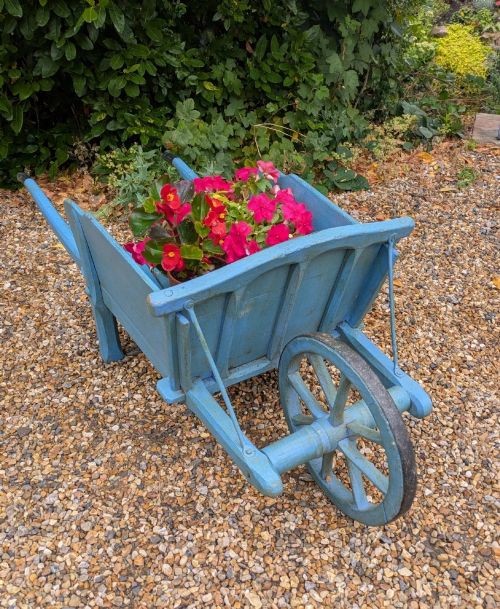
Makers shaped these items using enduring materials including sandstone, oak, iron, and paint. Whether configured as a wheelbarrow, a tub on a stand, or a classical urn, each object displays the marks of heavy outdoor service and age.
Materials and construction
Makers constructed these pieces from robust materials selected to withstand heavy outdoor use and the elements. Cast iron and natural sandstone provide immense weight and structural permanence, while oak and zinc offer alternative textures suited to damp garden environments.
Techniques varied by medium, encompassing carved stone masonry, foundry casting for iron urns, and cooperage for wooden buckets bound with metal hoops. Surfaces frequently retain traces of old paint, showing the weathering of decades spent outdoors.
Rustic Garden Planter Retail Price Guide 2026
Typical asking prices for rustic garden planter among the pieces listed under this phrase on Sellingantiques today, from the lower quarter to the upper quarter. They describe what is for sale here now, not the wider market.
Listings feature items spanning the Georgian, Victorian, and Edwardian eras, constructed from cast iron, natural stone, oak, and zinc.
Assessing quality and character
Quality in these items lies in the integrity of the material and the authenticity of the weathering rather than pristine condition. Superior examples display honest patination, deep mineral staining on stone, and well-preserved structural joins in timber and iron.
Proportion and weight separate standard utility vessels from more ambitious garden ornaments. A heavy, hand-carved stone basin or a finely cast iron Victorian urn demonstrates a higher grade of design than later, mass-produced counterparts.
The Rustic Garden Planter Glossary
- Cast iron
- A heavy alloy poured into moulds to create rigid forms. This material allowed nineteenth-century foundries to produce ornate garden urns with classical relief decoration.
- Dolly tub
- A deep cylindrical vessel historically used for washing laundry. These galvanized or zinc containers were later repurposed as robust garden planters.
- Sandstone
- A sedimentary rock composed of quartz grains, valued by masons for its durability. Garden planters hewn from this material weather slowly to develop deep lichen growth.
- Well bucket
- A deep wooden container suspended on a rope to draw water. Old examples made from oak are frequently repurposed to hold soil and plants.
Rustic Garden Planter: Frequently Asked Questions
Are these planters frost proof?
Most traditional materials like cast iron, natural stone, and heavy zinc handle cold weather well, provided drainage holes remain clear of debris.
Wooden items benefit from being kept raised off frozen ground during the coldest winter months to prevent moisture absorption at the base.
How do I plant directly in them?
Larger stone vessels and cast iron urns can hold soil directly, though lining wooden buckets with protective membrane helps preserve the original timber.
Ensuring adequate drainage at the bottom prevents water retention and protects both the plant roots and the antique material.
How do I clean old metal planters?
Gentle washing with warm water and a soft brush removes dirt while preserving the aged surface character and traces of historic paint.
Harsh chemical cleaners and abrasive scrubbing should be avoided because they strip away the desirable patination accumulated over generations.
Can I use them indoors?
Many of these pieces, particularly zinc dolly tubs and smaller wooden buckets, function effectively inside homes as fireside storage or indoor plant holders.
Placing a protective saucer underneath ensures that moisture and soil do not damage interior flooring surfaces.