
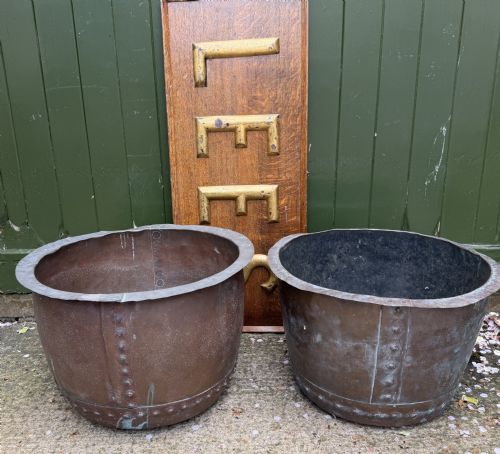


Vintage Wash Tub
A vintage wash tub brings robust utility and deep metallic warmth to modern interiors as a planter, log bin or vessel.
Vintage Wash Tub
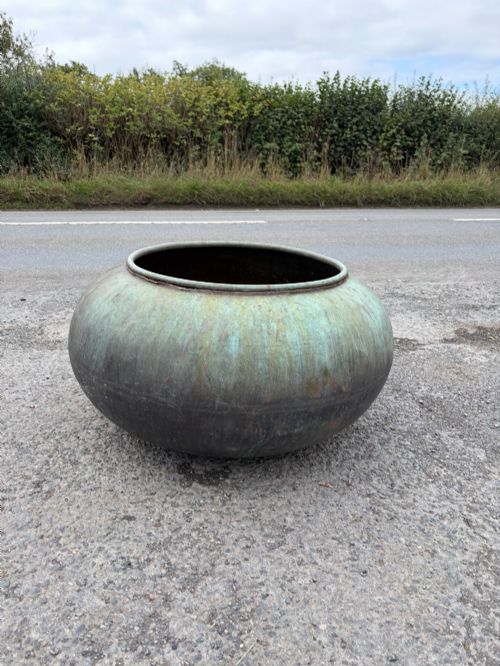
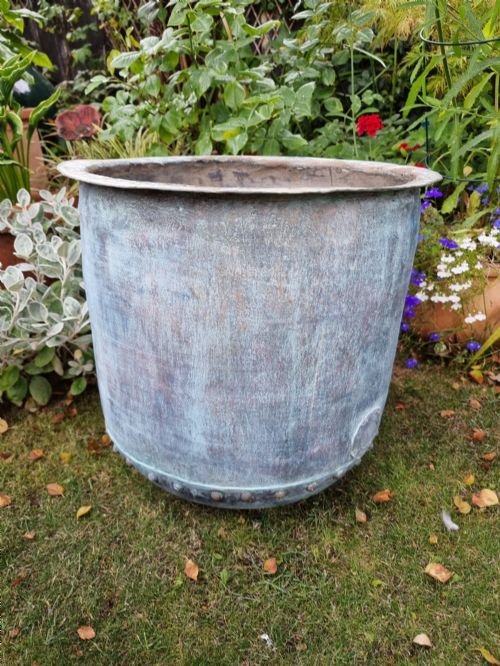
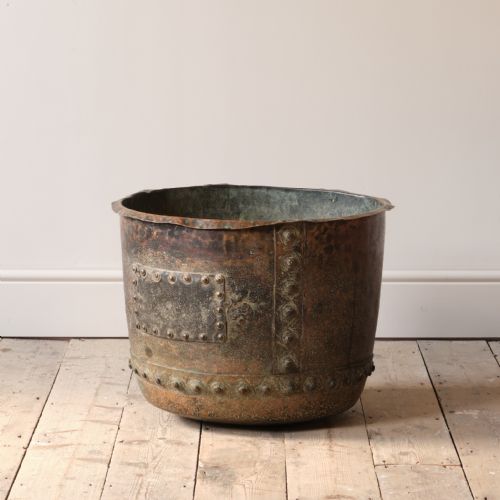
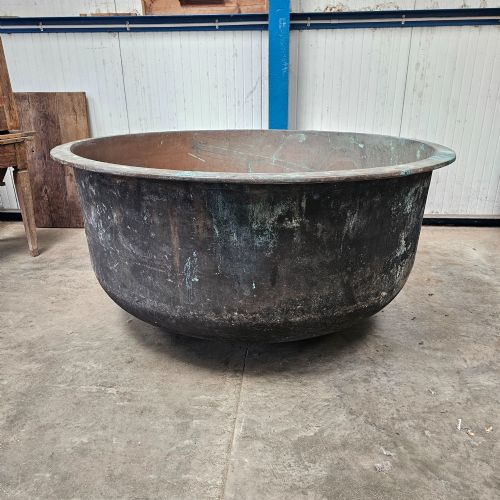
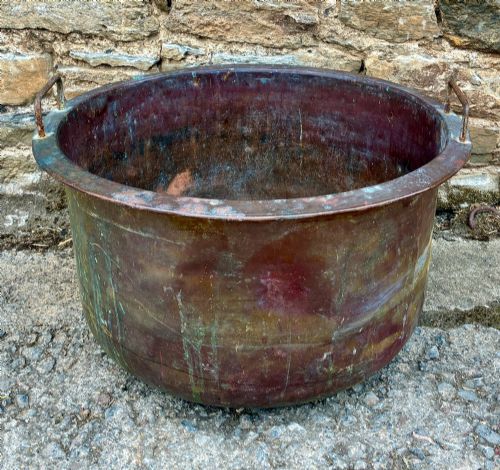
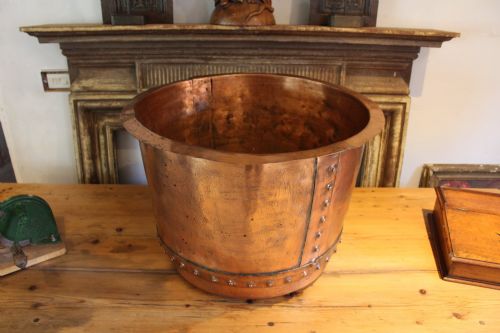
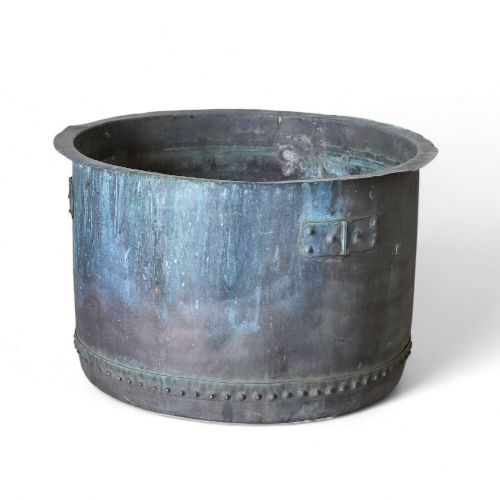
A vintage wash tub encompasses heavy metal domestic and agricultural vessels originally designed for laundering, bathing or food preparation. On this page, the most frequently encountered examples are large copper pots, cauldrons and garden planters dating from the nineteenth century. These utilitarian objects now find a second life holding logs, earth or water in contemporary homes and gardens.
How they were made
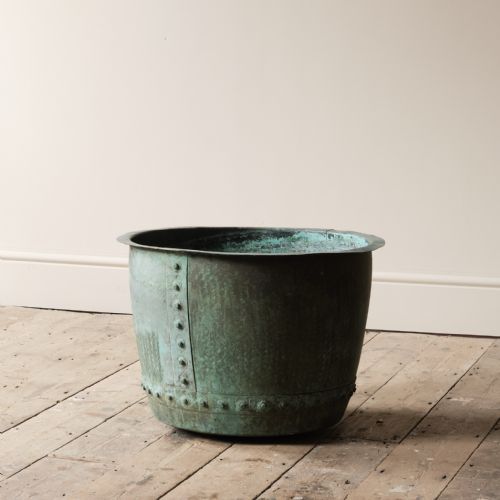
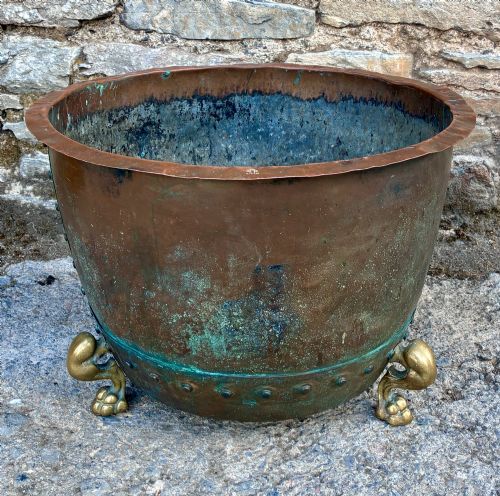
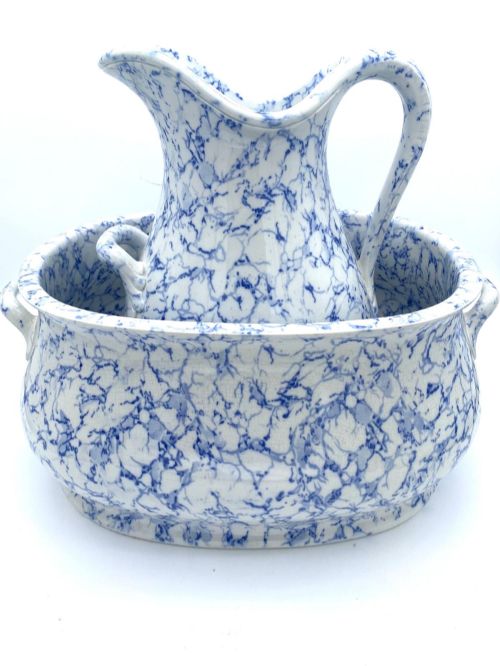
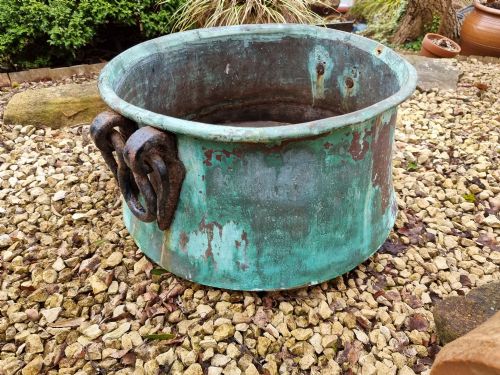
Makers fashioned these vessels primarily from heavy sheet copper, iron, brass and zinc, often joining seams with hand-driven rivets. Wrought iron handles, swing Bails and cast iron mounts provided the necessary strength for lifting heavy wet loads. Stoneware and earthenware varieties like creamware and flow blue utilised traditional ceramic moulding and glazing techniques.
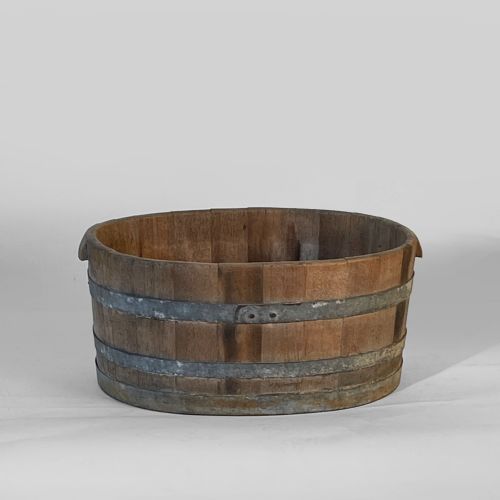
Coopered wooden versions relied on tight pine staves bound by metal hoops, demanding precise woodworking skills. Metal surfaces developed their characteristic patinas and verdigris finishes through years of exposure to water, heat and atmospheric oxidation.
Listings feature pieces spanning the eighteenth, nineteenth and early twentieth centuries, constructed from copper, iron, brass, zinc, earthenware and pine.
What varies in quality
Quality rests in the weight of the metal, the integrity of the hand-beaten seams and the honesty of the surface wear. Thicker gauge copper maintains its structural rigidity better over centuries, whereas thinner vessels show more distortion from heavy use. Original wrought iron fixings and authentic weathered patinas distinguish superior utilitarian survivals from lesser pieces.
Proportion and scale also dictate desirability, particularly in large cauldrons, cheese vats and footbaths. Clear maker marks, regional stamps or specific historic uses add documented context to the physical substance of the vessel.
The Vintage Wash Tub Glossary
- Verdigris
- A green patina that forms naturally on copper, brass or bronze through prolonged atmospheric exposure. This chemical layer protects the underlying metal and signals considerable age.
- Coopered
- Constructed from wooden staves fitted together and bound by metal hoops, much like a barrel. This traditional method kept liquid containers watertight.
- Cauldron
- A large metal pot with a wide opening, frequently fitted with a swing handle for suspending over fires or hearths. These heavy vessels were essential for large-scale boiling and brewing.
- Footbath
- A deep ceramic or metal basin designed for soaking the feet, often featuring decorative transfers in blue and white. In modern settings, they frequently serve as planters or display bowls.
- Galvanised
- Iron or steel coated with a protective layer of zinc to prevent rusting. This process became widespread in the nineteenth century for durable domestic washing equipment.
Vintage Wash Tub: Frequently Asked Questions
How are vintage wash tubs used today?
These vessels transition easily into practical household and garden containers. Many people utilise copper pots and galvanised tubs as log baskets beside fireplaces or as large planters for trees and shrubs.
Their robust construction makes them equally suitable for holding umbrellas in hallways or storing blankets in living spaces. The waterproof nature of metal and ceramic options allows for direct planting when provided with proper drainage.
How do I clean a copper wash tub?
Cleaning depends entirely on whether you prefer a bright polished finish or wish to preserve the historical surface. Mild soap and warm water remove standard dust and dirt without disturbing the underlying oxidation.
Aggressive metal polishes strip away the natural verdigris and dark patinas that collectors value. Most buyers choose to leave the weathered skin untouched to maintain the antique character.
How can I date an old metal tub?
Dating relies heavily on manufacturing methods, material choices and assembly marks. Hand-riveted seams and heavy gauge hand-beaten copper typically indicate nineteenth-century or earlier origins, whereas machine-rolled edges and galvanised coatings point towards the late Victorian era or the early twentieth century.
Maker stamps, registry marks and regional design variations also help narrow down the decade of production.