




Carved Stone Trough
These carved stone trough pieces bring immediate architectural weight to a garden, offering enduring utility shaped by centuries of weather.
Carved Stone Trough
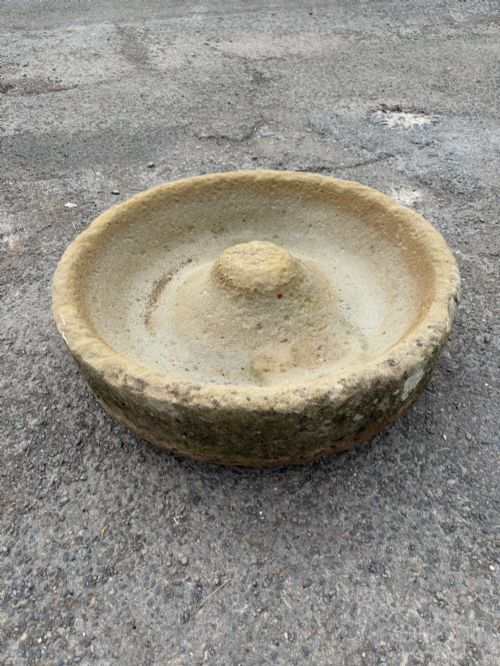
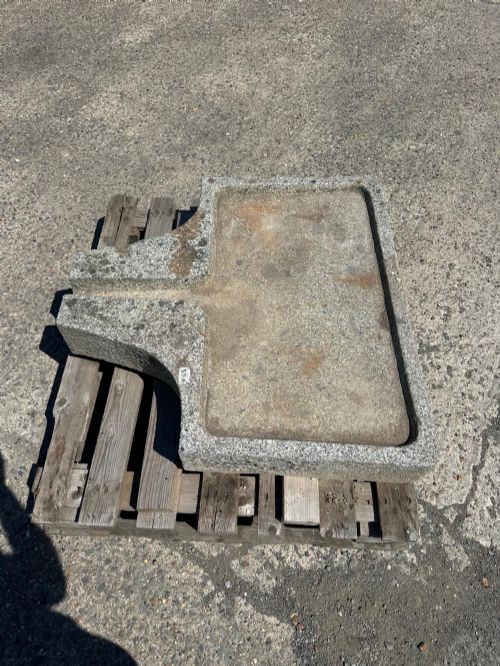
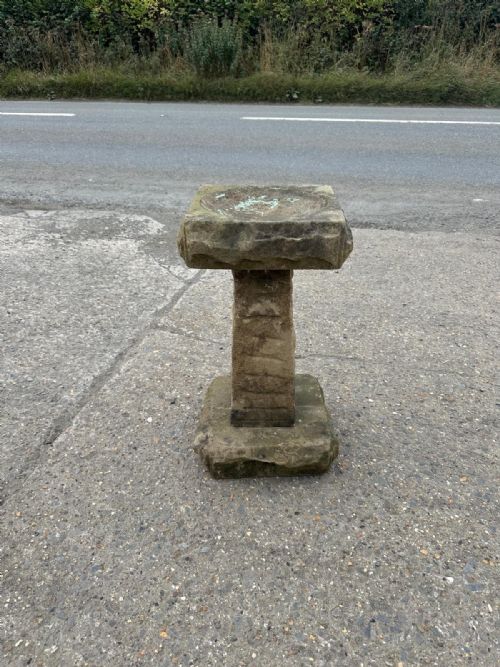
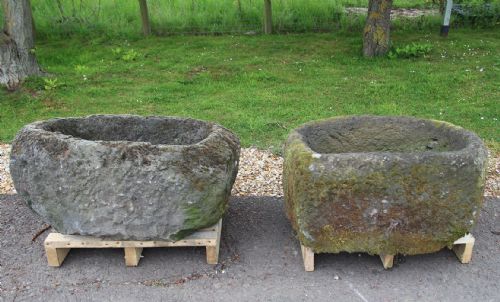
A carved stone trough serves as a robust focal point in gardens and grounds, functioning variously as a planter, bird bath, or architectural salvage. Buyers searching for a carved stone trough encounter heavy utilitarian vessels shaped from durable natural materials designed for long outdoor use.
The selection ranges from early hand-carved sandstone and limestone examples to later granite presses and reconstituted stone vessels. Most pieces on this page originate from the eighteenth and nineteenth centuries, displaying the weathered patinas accumulated through generations of agricultural or domestic service.
Form follows function closely in these objects, yielding rectangular, D-end, and partitioned shapes with rounded corners. Many double as garden cisterns, mortars, or garden planters, bringing historic utility directly into modern landscape design.
How they were made
Stonemasons shaped these vessels using hard natural materials including sandstone, limestone, granite, and Purbeck stone, often working blocks by hand with basic chisels and mallets. This direct reduction method left distinct tool marks across the exterior walls and interior cavities of each trough.
Some later iterations utilise cast or reconstituted stone, pressing aggregate mixes into moulds to replicate the heft and texture of quarried rock. Earlier pieces rely entirely on the natural cleavage and density of the parent stone to hold water and resist frost action over centuries.
One exceptional piece incorporates stone salvaged directly from the Houses of Parliament after bomb damage during the Blitz in World War Two.
What varies in quality
Quality rests in the integrity of the stone block and the honesty of the hand-carved surfaces rather than any decorative flourish. Uniformity of wall thickness and purposeful proportions distinguish vessels intended for formal garden display from rough agricultural utility pieces.
The degree of weathering significantly affects the visual appeal, with deep lichen growth and softened edges denoting prolonged atmospheric exposure. Original tooling marks that survive centuries of use elevate the character and desirability of an individual trough.
The Carved Stone Trough Glossary
- D End Trough
- A container featuring one semicircular end and one straight end, shaped specifically for agricultural or domestic washing tasks. This distinct geometry helps collectors identify specific periods of functional use.
- Architectural Salvage
- Building materials and fixtures rescued from demolition or alteration, repurposed for garden and landscape design. These elements retain historical value through their original structural context.
- Mill Stone Base
- A heavy circular stone component that once supported grinding machinery, often repurposed as a low garden feature. Their dense composition ensures exceptional survival outdoors.
- Reconstituted Stone
- A composite material made from crushed stone aggregate and binding agents, cast into moulds to imitate natural quarried rock. It offers durability and consistency in architectural ornaments.
Carved Stone Trough: Frequently Asked Questions
How do I clean a stone trough?
Gently brush away loose dirt and debris using a soft-bristled brush and plain water. Avoid harsh chemical cleaners or pressure washers, which can erode the weathered patina and damage the historic stone surface.
Allow beneficial lichens and mosses to remain where possible, as they enhance the authentic appearance of older garden stone. Regular gentle rinsing keeps organic buildup under control without harming the material.
Can stone troughs stay outside in winter?
Natural stone vessels withstand freezing temperatures effectively if they are positioned to drain properly. Ensure that drainage holes remain clear so that standing water does not freeze and crack the walls.
Elevating the base slightly off the ground on small stones prevents moisture from drawing up through the bottom during prolonged frosts. This simple precaution protects both antique sandstone and harder granite troughs alike.
Are these troughs heavy to move?
Solid stone vessels possess substantial weight due to their dense material composition and thick walls. Moving them typically requires mechanical assistance, lifting equipment, or professional garden machinery.
Plan the exact placement in the garden carefully before transport to avoid repetitive heavy lifting. Once positioned, their sheer mass keeps them stable on the ground without additional anchoring.
How do I date a stone trough?
Examine the tool marks left on the stone surfaces, as hand-chiselled facets differ significantly from later mechanical sawing techniques. The geological type of the stone and the vessel's specific form also offer strong clues to its era of production.
Compare the profile against standard agricultural and domestic containers from known periods like the eighteenth or nineteenth century. Weathering patterns provide a general sense of age, though context and material remain the most reliable guides.