




Grey Stone Garden Trough
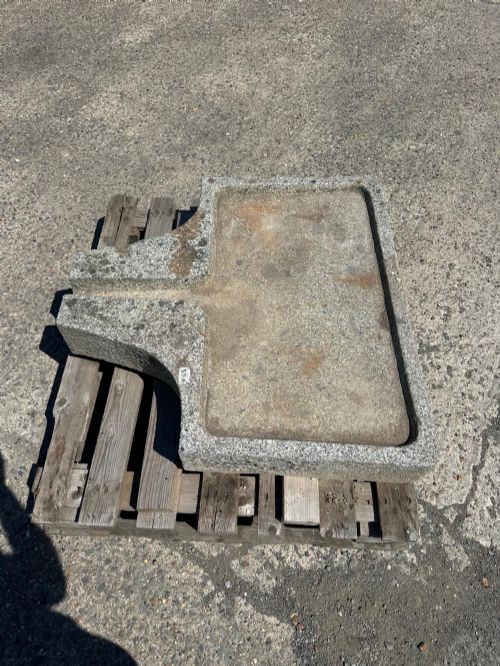
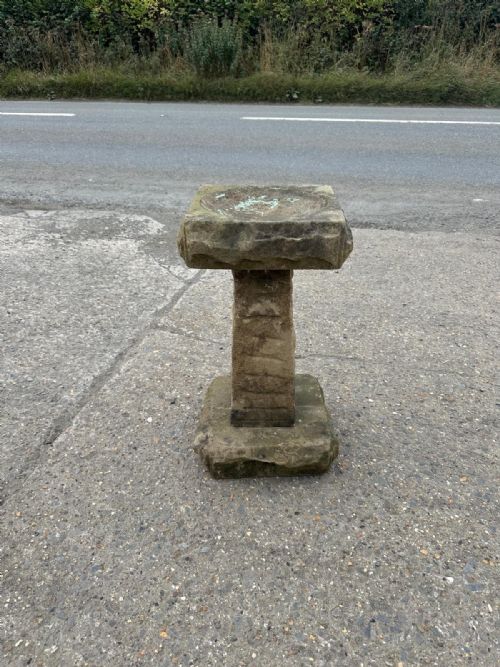
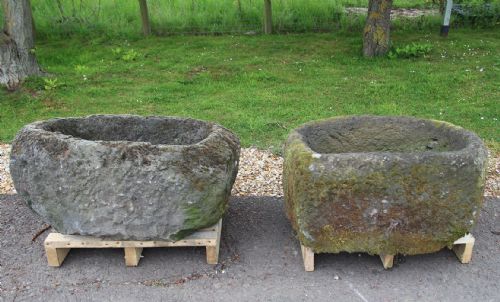
A grey stone garden trough anchors a terrace or courtyard with genuine age, offering robust utility for planting.
Grey Stone Garden Trough
A grey stone garden trough search reveals heavy utilitarian vessels, cisterns and mortars adapted for modern planting schemes. You encounter rectangular troughs alongside circular mortars and press bases spanning several centuries.
The nineteenth century provides the majority of surviving examples, often showing simple rustic vernacular forms intended for agricultural or domestic use. Earlier seventeenth and eighteenth century pieces appear occasionally, carrying distinct hand-chiselled tool marks.
Makers shaped these solid mineral blocks for practical tasks like watering livestock or milling grain, long before gardens claimed them as focal ornaments. Today, buyers select them to introduce weathered texture and structural weight to garden layouts.
Materials and Construction
Masons shaped these durable objects from sandstone, limestone, granite and Purbeck stone using manual chisels and gouges. Each block required heavy labour to hollow out the interior cavity while leaving thick, stable exterior walls.
Natural weathering and prolonged outdoor exposure etch the surfaces over decades, softening sharp edges and encouraging moss growth. Some examples incorporate composite or cast stone formulations from later periods alongside reclaimed architectural fragments.
One extraordinary planter incorporates salvaged stone from the Houses of Parliament after damage sustained during the Blitz in World War II.
Factors of Quality
The integrity of the original stone block dictates the overall quality, with dense granites and limestones resisting frost better than softer sediments. Superior examples display honest tool marks from the mason rather than mechanical smoothing.
Proportions matter significantly, as well-balanced rectangular forms command more attention than clumsy or heavily repaired vessels. The depth of the internal basin relative to the thick outer rim determines how successfully the piece functions as a planter.
The Grey Stone Garden Trough Glossary
- Trough
- A long, narrow open container traditionally used for feeding livestock or holding water. In a garden setting, it functions as a durable planter for alpines and dwarf shrubs.
- Mortar
- A heavy bowl-shaped vessel in which materials were crushed or ground with a pestle. Antique stone versions now serve as decorative garden basins.
- Mill stone base
- The solid lower mounting stone associated with a mill mechanism. These heavy circular slabs provide stable foundations for garden displays.
- Vernacular
- Architecture or objects built by local craftspeople using traditional local materials and methods, without academic architectural styling. These pieces reflect regional working practices.
- Purbeck stone
- A distinctive limestone quarried on the Isle of Purbeck in Dorset, often containing fossilised shells. It forms durable garden bird baths and troughs.
Grey Stone Garden Trough: Frequently Asked Questions
How do I plant in a stone trough?
Ensure the drainage hole at the base remains clear to prevent waterlogging during heavy rainfall. Fill the lower section with gravel or broken crocks before adding a suitable soil mix for your chosen plants.
Select slow-growing alpines, succulents or dwarf conifers that suit shallow soil and will not outgrow the confines of the vessel. Top dress the surface with gravel to match the historic grey stone aesthetic.
Are these troughs frost proof?
Natural stone vessels made from dense materials like granite or limestone generally withstand winter freezing temperatures well. Porous stones can occasionally crack if saturated water expands rapidly inside hairline fractures.
Elevate heavy troughs slightly on small stone feet during winter to allow moisture to drain freely from the base. Avoid sealing the stone with modern impermeable coatings, which trap moisture and cause surface flaking.
How heavy are antique stone troughs?
These vessels are exceptionally heavy due to the density of natural sandstone, limestone and granite. Even modest examples require multiple people or mechanical lifting equipment to position safely.
Plan the exact placement in your garden before delivery, as moving them across soft lawns or up steps presents a significant challenge once installed.
How do I clean an old stone trough?
Rinse the surfaces gently with plain water and a soft brush to remove loose soil and accumulated debris. Preserve the natural lichens and mosses, which contribute significantly to the aged character of the piece.
Refrain from using harsh chemical cleaners, pressure washers or wire brushes, as these aggressive methods strip away centuries of desirable weathering and damage the stone surface.