

Vintage Garden Planters
These vintage garden planters bring character to outdoor spaces through heavy cast iron, weathered terracotta, and hand-riveted copper.
Vintage Garden Planters
Vintage garden planters encompass utilitarian vessels, decorative urns, and plant stands designed to hold foliage in outdoor settings. Buyers searching for vintage garden planters encounter forms ranging from heavy nineteenth-century metal urns to salt-glazed stoneware and weathered terracotta pots.
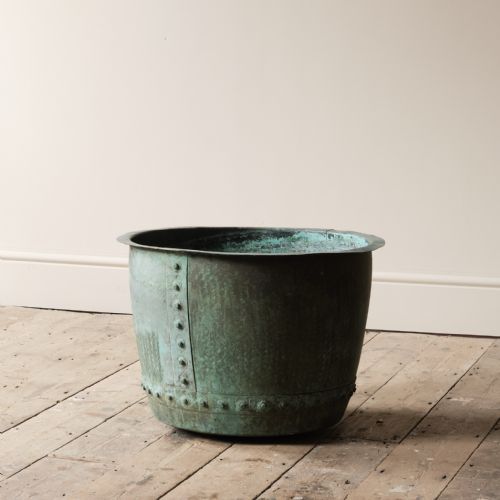
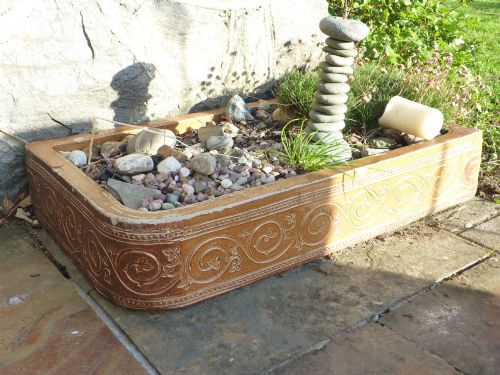
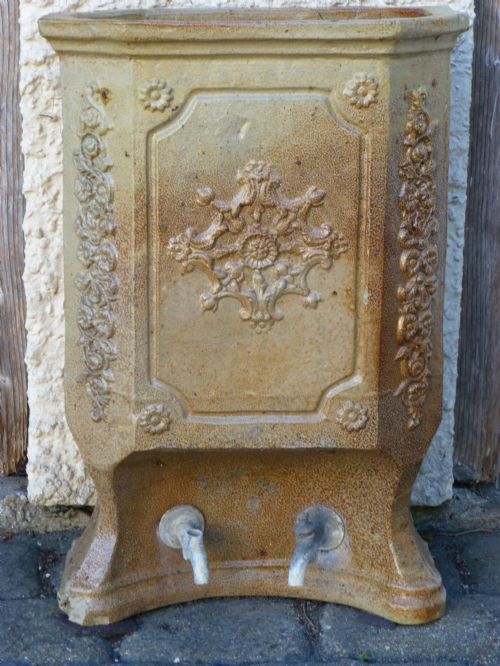
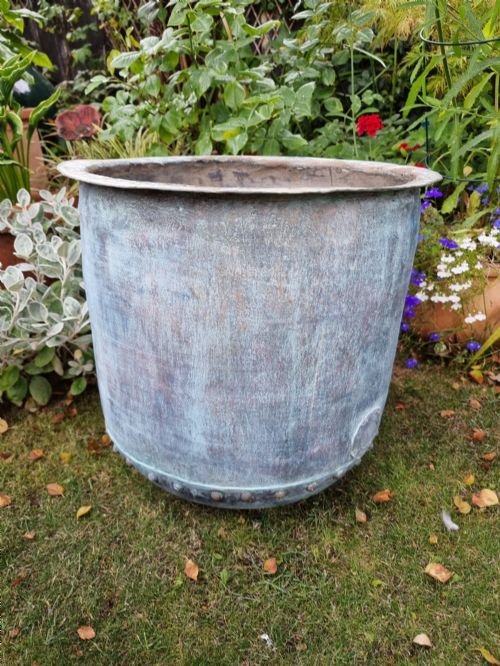
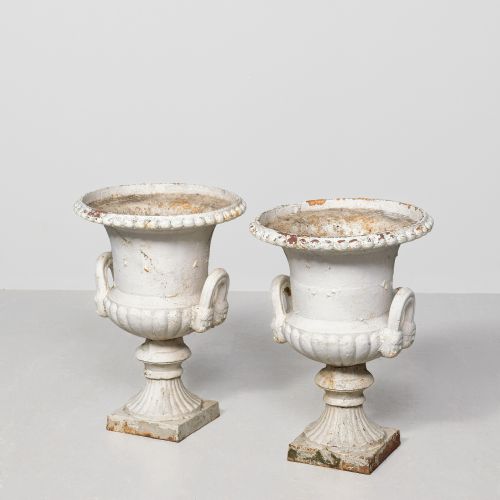
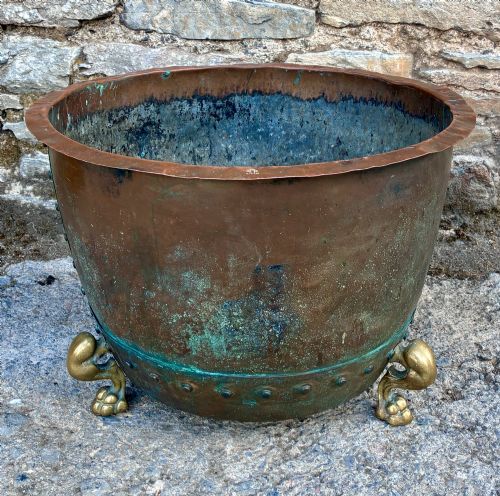
The selection includes French salt-glazed troughs, Campana cast iron urns on pedestals, and riveted copper vessels originally built for agricultural or domestic use. Many pieces date from the nineteenth century, including Victorian designs and Edwardian garden accessories.
Makers and foundries such as Coalbrookdale and Val d'Osne produced notable cast iron examples, while French and Scottish potteries supplied domestic terracotta and stoneware. Buyers find both classical Neoclassical styles and rustic farmhouse pieces intended for patios and gardens.
How they were made
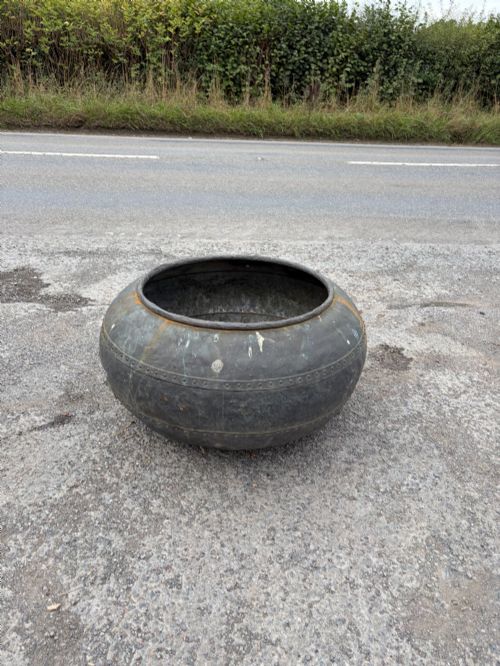
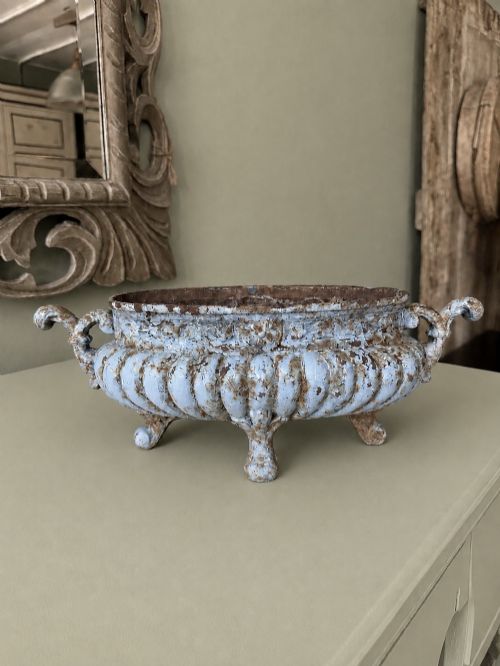
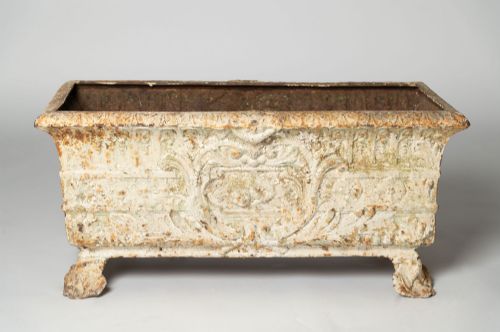
Metal planters rely on foundry casting for iron urns, utilising moulds to create classical details, whilst copper vessels employ hand-riveting to join heavy sheets together. Iron pieces often feature painted surfaces or develop natural verdigris finishes through weathering.
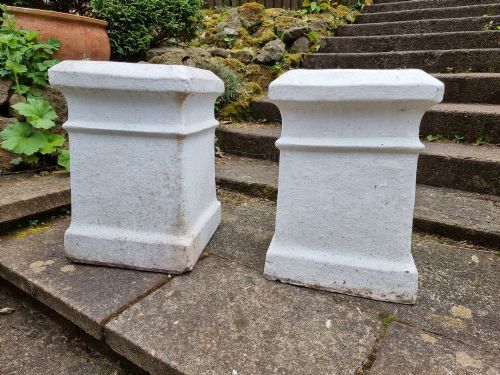
Ceramic and stone versions utilise terracotta, salt-glazed stoneware, and cast stone moulded into traditional forms like chimneypots, rhubarb forcers, and Biot jars. Artisans shaped these materials to withstand outdoor conditions, leaving tool marks and surface variations visible on the finished bodies.
A pair of antique cast iron planters shaped as shrimp brings unexpected crustacean charm to Victorian garden displays.
What varies in quality
Quality rests in the crispness of foundry casting on iron urns and the proportional balance of classical motifs like handles, pedestals, and fluting. Pieces carrying foundry stamps or originating from recognised makers demonstrate superior workshop standards.
Surface patination and the integrity of the material dictate desirability, with well-weathered copper, original paint layers, and undamaged stoneware surfaces commanding attention. Heavy gauge metals and thick-walled terracotta indicate durable construction intended for estate use.
Coalbrookdale Urns·Andrew Handyside·Val d'Osne Foundry·Guichard Carriès
The Vintage Garden Planters Glossary
- Campana
- A bell-shaped garden urn originating from classical antiquity, featuring a flared rim and mounted on a pedestal base. These metal or stone vessels often display decorative friezes.
- Jardiniere
- An ornamental pot or stand designed to hold growing plants, typically displayed on a patio or within a garden scheme.
- Biot Jar
- A large glazed or unglazed earthenware storage vessel from Provence, traditionally utilised for olive oil and repurposed as a garden planter.
- Rhubarb Forcer
- A ceramic cover placed over rhubarb plants to exclude light and encourage early, tender shoots, now frequently used as a garden planter.
- Verdigris
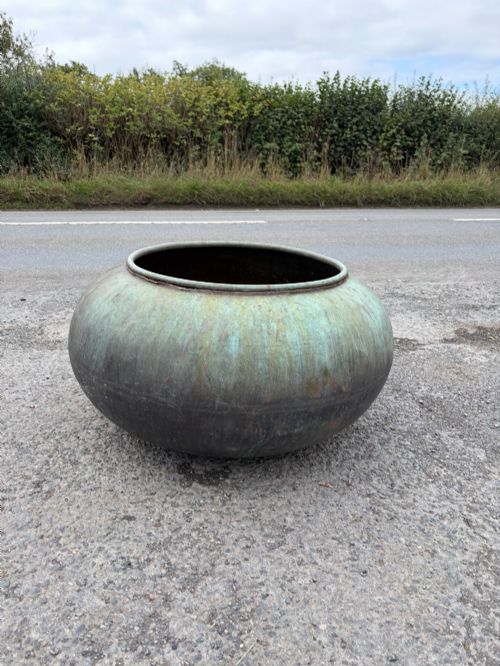
- The green patina that forms naturally on copper, brass, or bronze through atmospheric oxidation and weathering over decades.
Vintage Garden Planters: Frequently Asked Questions
How do I care for cast iron planters?
Cast iron planters withstand outdoor exposure well, though winter frost can crack damp iron if water pools inside the vessel. Applying protective coatings helps preserve remaining original paint and slows down active rusting.
Elevating heavy iron urns off stone or soil on small feet prevents moisture retention at the base. Regular cleaning with a soft brush removes debris without damaging the weathered surface patina.
Are copper pots frost proof?
Copper pots tolerate cold weather because the metal flexes slightly, but sitting water that freezes solid can still distort thin seams. Riveted copper vessels used outdoors develop a stable verdigris layer that protects the underlying metal.
Emptying standing soil and water during freezing months prevents structural stress on historical hand-riveted joints. Storing large copper cheese vats or wash tubs under cover prolongs their decorative finish.
How do I identify nineteenth century terracotta?
Nineteenth-century terracotta exhibits variation in clay colour, ranging from pale buff to deep orange, alongside hand-finished surface textures and minor kiln flaws. Scottish and English potteries produced garden urns with porous bodies that absorb moisture and support organic weathering.
Examining the interior walls often reveals throwing rings or mould seams consistent with period manufacturing techniques. Accumulated moss and lichen growth on unglazed terracotta surfaces indicate age and weathering outdoors.
Can antique stoneware stay outside year round?
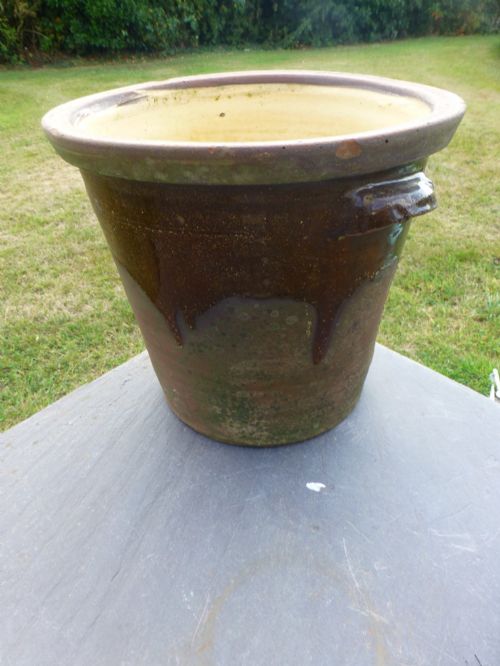
Salt-glazed stoneware and cast stone planters handle outdoor environments effectively due to their dense, fired composition or robust aggregate mix. Salt glazing creates an impermeable surface that resists moisture penetration during wet weather.
Placing stoneware pots on bricks or pot feet during winter ensures proper drainage and prevents water logging. Earthenware variants require closer attention to freezing temperatures compared to high-fired salt-glazed troughs.