





Cast Iron Jardiniere
These cast iron jardiniere pieces bring architectural weight to planting, shaped by nineteenth-century foundry traditions.
Cast Iron Jardiniere
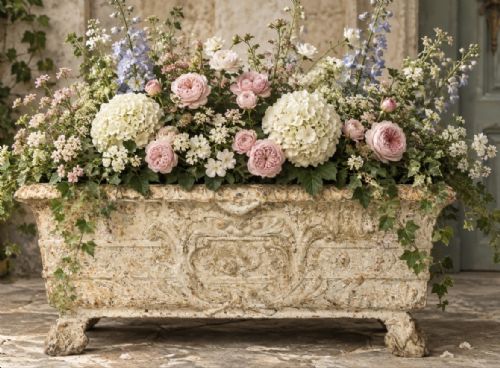
A cast iron jardiniere provides sturdy housing for flora, taking forms from simple footed pots to tiered plant stands and ornate garden urns. You will frequently meet nineteenth-century French and English examples across these listings, alongside Victorian novelties.
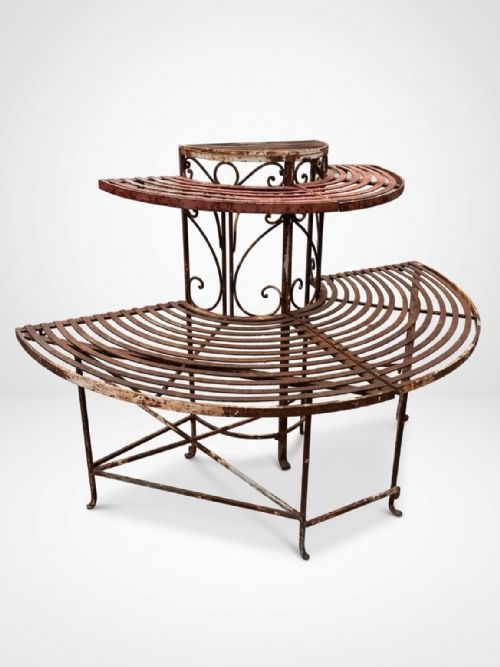
The objects span domestic conservatory furniture and heavy garden planters, often designed to hold potted plants indoors or upon terraces. Victorian examples frequently utilise multi-tier arrangements for displaying foliage at varying heights.
What varies in quality
The clarity of the casting separates standard production from superior pieces, with sharper surface detailing indicating better-executed original moulds. Heavier walls and balanced proportions demonstrate a higher standard of nineteenth-century foundry work.
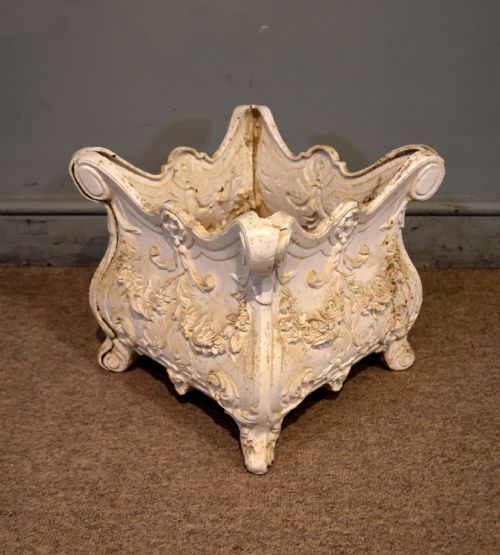
The refinement of decorative flourishes, from neoclassical swags to unusual forms such as shrimp motifs, determines the visual distinction of an individual planter. Original structural elements, intact tiers, and well-preserved paint layers also contribute to the standing of the piece.
Cast Iron Jardiniere Retail Price Guide 2026
Typical asking prices for cast iron jardiniere among the pieces listed under this phrase on Sellingantiques today, from the lower quarter to the upper quarter. They describe what is for sale here now, not the wider market.
Nineteenth-century foundries occasionally cast planters shaped like giant shrimp, proving Victorian gardeners enjoyed a distinctly marine sense of humour.
Coalbrookdale
The Cast Iron Jardiniere Glossary
- Jardiniere
- A decorative pot or stand designed to hold plants or flowers. This vessel sits either on the floor or upon a raised pedestal.
- Urn
- A vase-shaped vessel, frequently mounted on a footed base, used historically for ornamental garden planting. These pieces draw heavily on classical architecture.
- Coalbrookdale
- A historic English ironworks famous for producing ornamental cast iron garden furniture and planters during the nineteenth century. Their castings often display sophisticated botanical and figural designs.
- Conservatory stand
- A multi-tiered metal structure built to display potted plants inside a glasshouse or orangery. These stands maximise floor space and improve light exposure for ferns and flowering specimens.
- Wirework
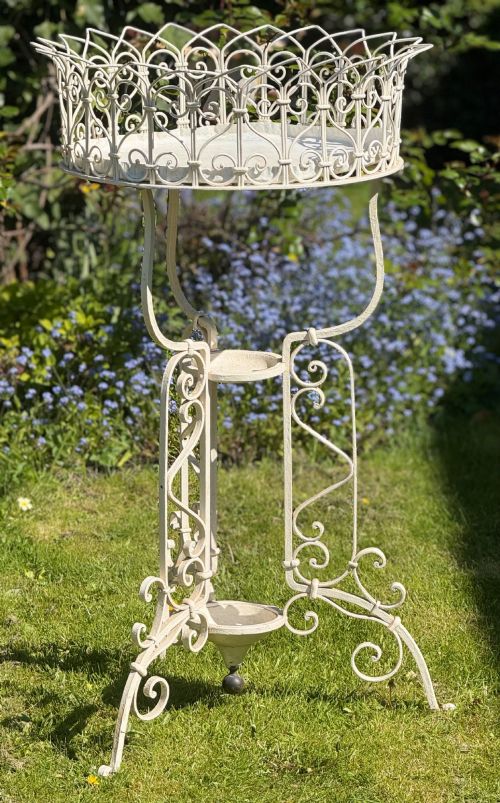
- A technique utilising bent and welded metal wire to create lightweight, open-framework plant stands and holders. This material offers a delicate visual contrast to heavy cast iron.
Cast Iron Jardiniere: Frequently Asked Questions
Can I leave my cast iron jardiniere outside year-round?
Most nineteenth-century cast iron planters withstand outdoor environments successfully due to the durability of the metal. Protective paint layers help prevent rust from forming during wet winter months.
Gardeners often elevate planters slightly off damp ground using stone or brick feet to improve drainage and protect the base. Checking the interior for trapped freezing water prevents potential cracking in severe frost.
How do I clean and protect the metal surface?
Regular dusting and gentle washing with mild soapy water remove accumulated dirt from intricate surface castings. Avoid harsh metal scrapers that might strip historic paint layers.
Applying a specialised wax or protective coating can help preserve weathered black paint and exposed iron surfaces. Maintaining this barrier guards against moisture damage while retaining the historic character of the piece.
How do I date a Victorian plant stand?
Examining the construction methods, fastener types, and surface finishes provides key clues regarding the age of a nineteenth-century stand. Serial numbers, registry marks, and foundry stamps sometimes appear cast into the underside of the base.
Stylistic markers also help narrow the timeline, such as the heavy neoclassical revival motifs popular around eighteen-fifty versus later wirework or novelty designs from nineteen-hundred.