
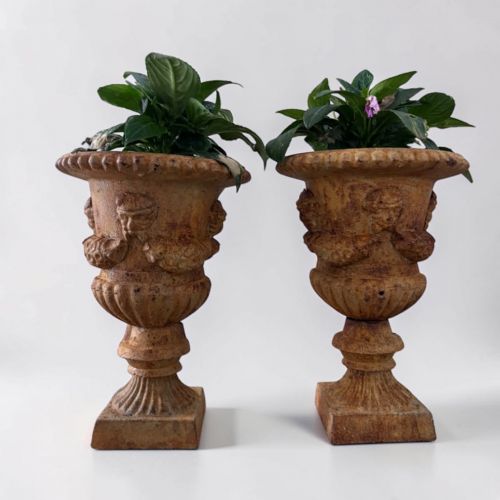


19th Century Garden Urns
These 19th century garden urns bring classic sculptural presence to outdoor spaces, built to anchor paths and terraces with enduring weight.
What 19th century garden urns are
When you search for 19th century garden urns, you encounter robust vessels designed primarily for exterior display in formal grounds and domestic gardens. The examples recorded here span the Victorian era, bringing established nineteenth-century classical taste directly to patios and lawns.
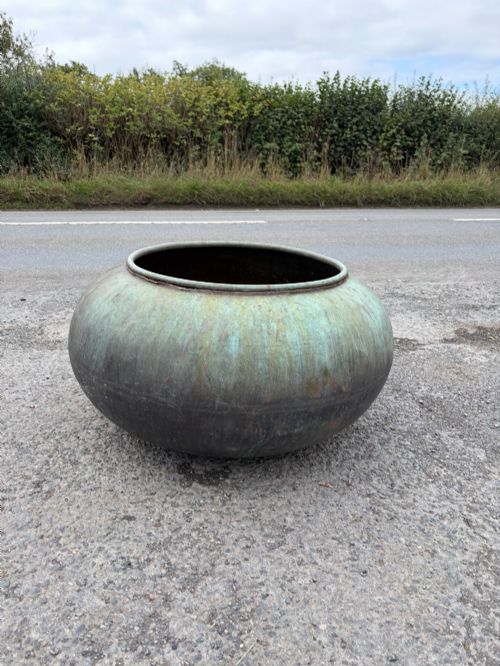
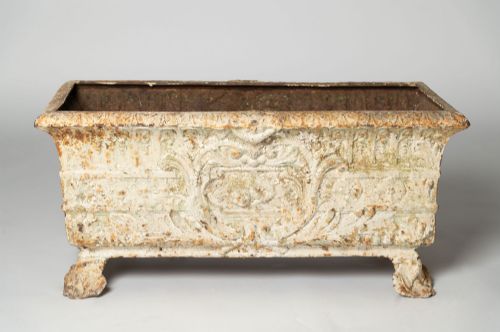
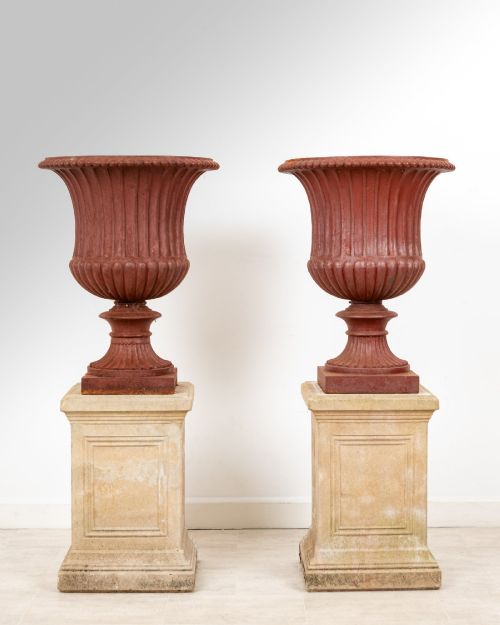
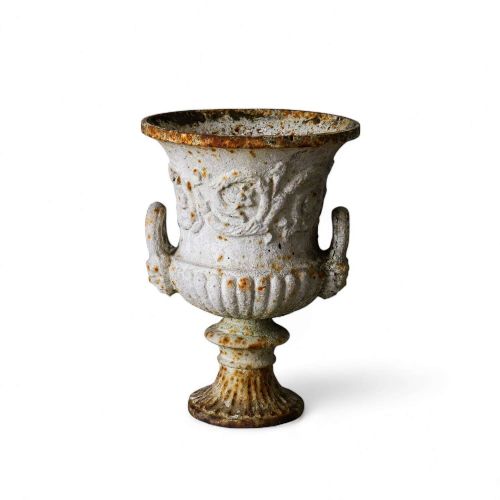
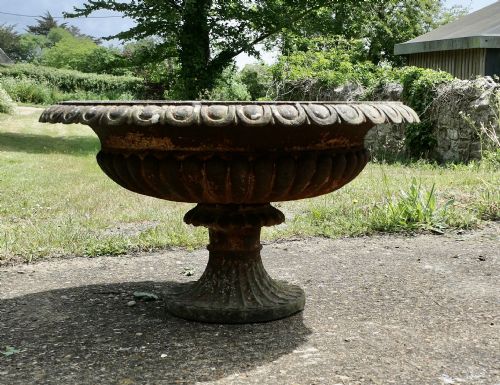
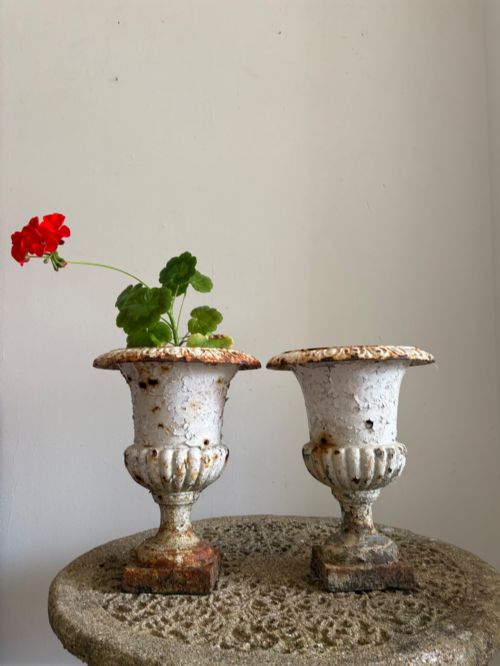
You meet these pieces most frequently in pairs, shaped as traditional campana vessels or broad garden planters. They sit directly upon the ground, atop matching stone pedestals, or raised on dedicated iron stands to elevate their profile.
The origins reflect English and French foundry production from the mid to late nineteenth century. These items served as focal points for historic landscape design, holding seasonal plantings or standing alone as architectural ornaments.
How they were made
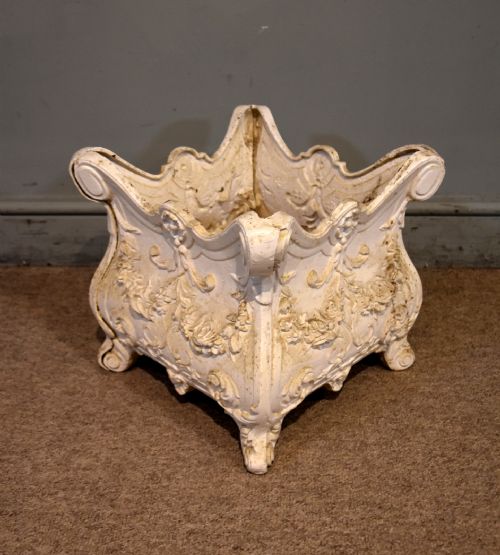
Foundries produced these items using heavy cast iron poured into intricate moulds, resulting in thick vessel walls and substantial overall weight. Surviving pieces often retain traces of original painted surfaces applied to protect the metal from weathering.
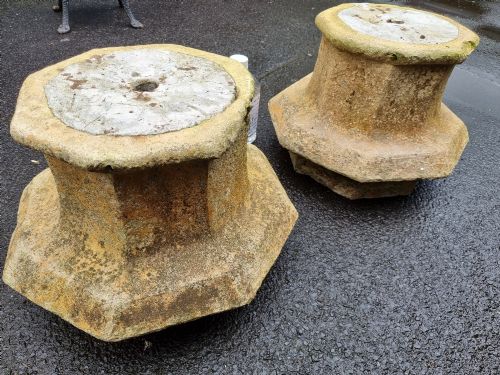
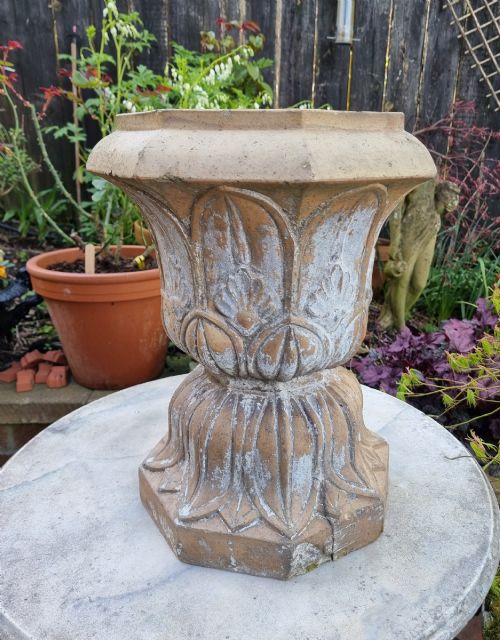
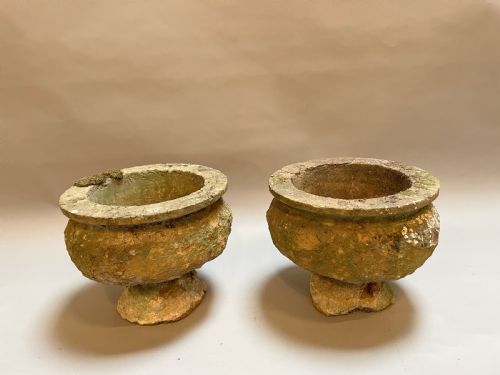
Certain examples incorporate stone components, utilising solid stone pedestals or bases to support the heavy iron bodies above damp ground. This combination of cast iron and stone provided the structural stability required for permanent outdoor positioning.
Retail Price Guide 2026
Typical UK retail prices for 19th century garden urns, calculated from the Sellingantiques database of over a million retail prices indexed since 2003. This retail price guide relies exclusively on Sellingantiques data; no external sources or auction records are used, so the figures do not describe the wider market.
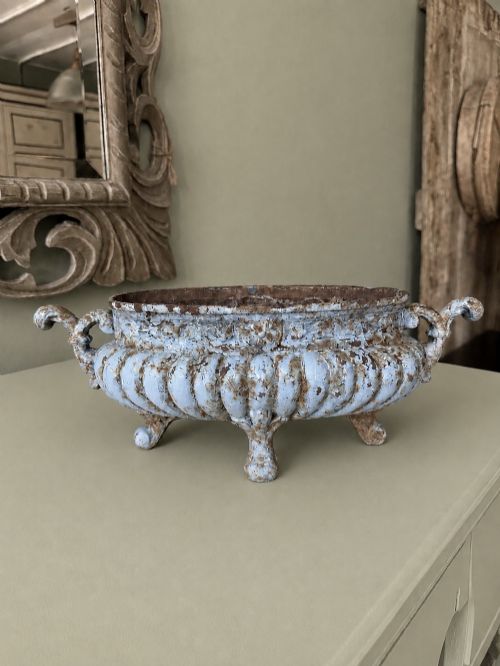
Several heavy iron urns arrived from gardens with generations of old green paint clinging stubbornly to their classical handles.
What varies in quality
The refinement of the casting separates standard utility pieces from more ambitious decorative examples. Crisp detailing in the classical moulding and substantial wall thickness indicate superior foundry work.
Proportion and scale dictate the visual impact of each vessel, with larger campana forms and matching pairs commanding greater presence. The survival of original painted finishes or stable patination adds depth to the surface character.
The 19th Century Garden Urns Glossary
- Campana urn
- A bell-shaped garden vessel with a flared rim and tapering body, widely produced in the nineteenth century for classical landscape schemes. This form derives directly from ancient Roman pottery and stone prototypes.
- Cast iron
- A strong, heavy iron-carbon alloy poured into moulds while molten to create detailed exterior ornaments. It forms the primary structural material for the vast majority of nineteenth-century garden vessels.
- Pedestal
- A structural block or column that elevates an urn above ground level to improve its garden sightlines. These supports are frequently formed from matching stone or integrated iron stands.
- Distressed paint
- Surface coating that shows age, weathering, and flaking through decades of exterior exposure. Many collectors value this patinated finish for its authentic historical appearance.
Frequently Asked Questions
Are these urns heavy?
These vessels possess substantial weight due to their thick cast iron construction and large proportions. Two or more people are generally required to lift and position them safely.
Their heavy mass ensures they remain stable on terraces and lawns without needing permanent ground fixings.
Can I leave them outside?
Cast iron garden vessels withstand external weathering year-round, as nineteenth-century foundries engineered them specifically for outdoor display. Rain and frost affect the surface over decades without compromising the structural integrity of the heavy metal walls.
Applying protective coatings periodically helps preserve the remaining paint and slows down ongoing oxidation.
How do I plant in them?
Placing potted plants inside the bowl rather than filling the entire urn with soil helps manage moisture levels and weight. Drainage holes at the base allow excess water to escape freely after heavy rain.
Lining the interior carefully prevents stagnant water from sitting against the cast iron surface.