





Antique Cast Iron Trough
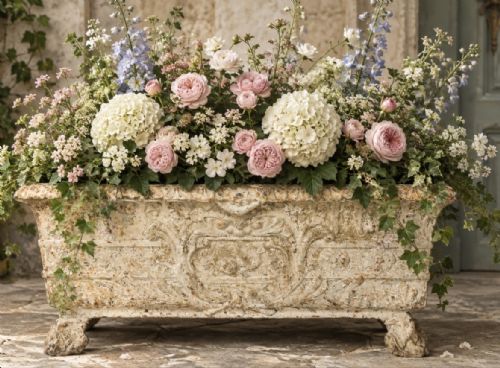
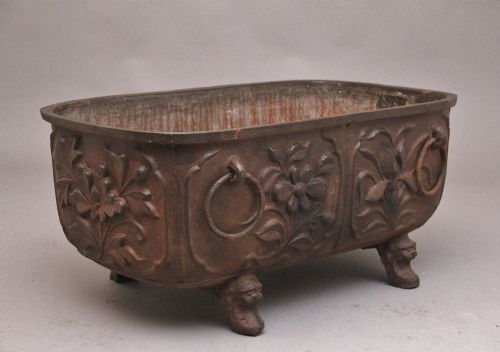
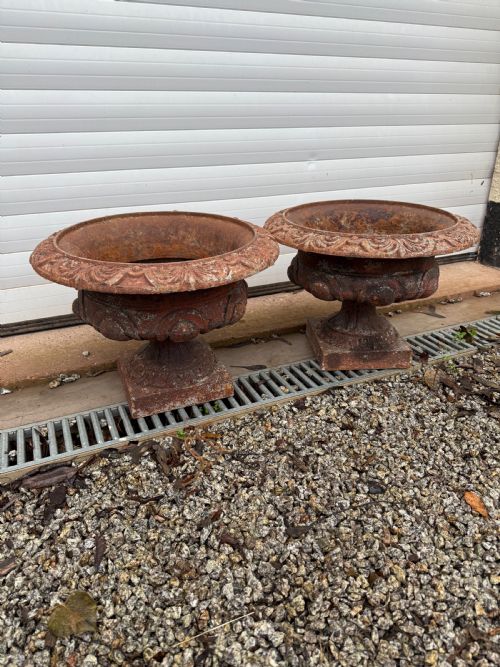
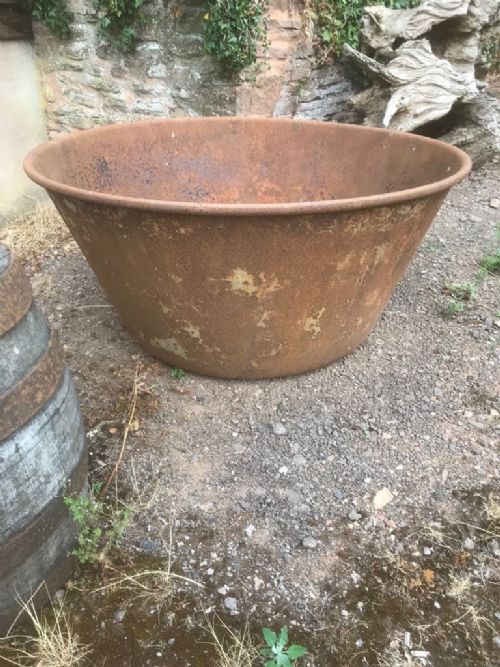
These antique cast iron trough pieces are heavy metal garden planters and architectural vessels shaped for utility and display.
Antique Cast Iron Trough
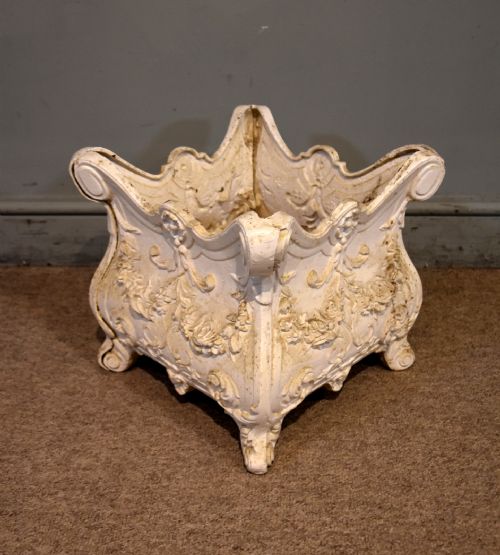
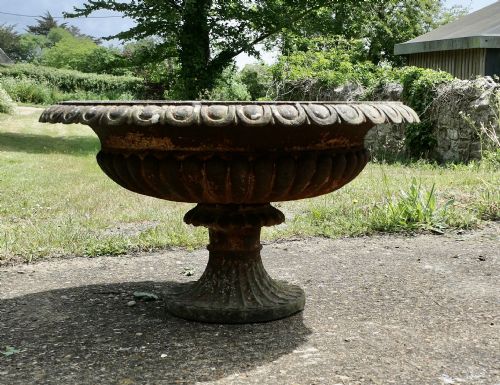
An antique cast iron trough encompasses heavy metal garden planters, jardinieres, urns, and architectural salvage designed for practical containment outdoors. Buyers searching this phrase most frequently encounter nineteenth-century French and English garden planters alongside industrial pieces.
Materials and construction
Foundries utilised heavy cast iron, wrought iron, and steel poured into moulds to achieve durable garden vessels and architectural salvage. Many examples retain traces of old paint or exhibit weathered rusted surfaces accumulated over decades outdoors.
Makers integrated decorative Neoclassical motifs, crisp casting lines, and functional mounting brackets on wall racks. The metalwork reflects nineteenth-century manufacturing methods tailored for agricultural, domestic, and garden use.
Antique Cast Iron Trough Retail Price Guide 2026
Typical asking prices for cast iron trough among the pieces listed under this phrase on Sellingantiques today, from the lower quarter to the upper quarter. They describe what is for sale here now, not the wider market.
Listings feature nineteenth-century cast iron troughs, jardinieres, and garden urns spanning French, English, and Chinese origins.
Judging quality in iron troughs
Quality rests upon the crispness of the casting detail, the integrity of the heavy iron walls, and the elegance of the proportion. Pieces bearing maker attributions or distinct stylistic elements command greater attention from collectors.
Surface texture and material preservation distinguish superior examples, whether through undisturbed patination or clean nineteenth-century lines. The weight and thickness of the cast metal dictate the structural longevity of each planter.
Coalbrookdale
The Antique Cast Iron Trough Glossary
- Cast iron
- A strong, hard iron alloy poured into a mould to shape planters, urns, and architectural salvage. This material resists weathering while developing a rich surface rust over decades.
- Jardiniere
- An ornamental pot or stand designed to hold growing plants or flowers. These vessels often feature decorative surface relief and substantial weight.
- Hay rack
- An agricultural wall rack originally utilised for feeding livestock, repurposed today as a wall-mounted planter. These iron items bring industrial and agrarian character to interior or exterior walls.
- Architectural salvage
- Building elements and metal fixtures rescued from older structures for reuse. Items such as iron troughs and baths find new purpose in modern gardens.
Antique Cast Iron Trough: Frequently Asked Questions
How do I use an antique iron trough in the garden?
These heavy metal vessels serve primarily as garden planters for flowers, shrubs, or small trees. Their substantial weight keeps them stable on patios, lawns, or terraces.
Ensure adequate drainage if planting directly into the iron, or place potted plants inside to protect the metal from prolonged moisture retention.
Can iron troughs stay outdoors all year?
Cast iron and wrought iron withstand outdoor elements effectively due to their heavy metal construction. Over time, exposure to weather develops a natural rusted patina.
To preserve painted surfaces or delicate casting details, position the pieces in sheltered garden spots during harsh winter months.
How do I identify a nineteenth-century cast iron trough?
Examine the weight, thickness, and surface texture of the metal for signs of nineteenth-century foundry work. Look for Neoclassical styling, French aesthetic details, or specific maker marks.
Older pieces typically display hand-finished casting seams and accumulated patination rather than uniform modern machine production.
What is the difference between a jardiniere and a trough?
A jardiniere generally describes an ornamental pot or urn designed specifically for floral displays, often featuring decorative relief or classical shaping. A trough is typically an elongated rectangular vessel rooted in agricultural or architectural utility.
Both forms appear frequently in nineteenth-century cast iron garden collections.