




Coopered Wooden Planters
Coopered wooden planters bring traditional vessel-making craft into the home as sturdy botanical displays.
Coopered Wooden Planters
Coopered wooden planters derive their form from traditional barrel-making techniques, utilising tightly fitted vertical wooden staves held together by metal bands. These pieces span utility and decoration, originating as peat buckets, wine coolers, washing tubs, and tea stoves before finding new life holding plants.
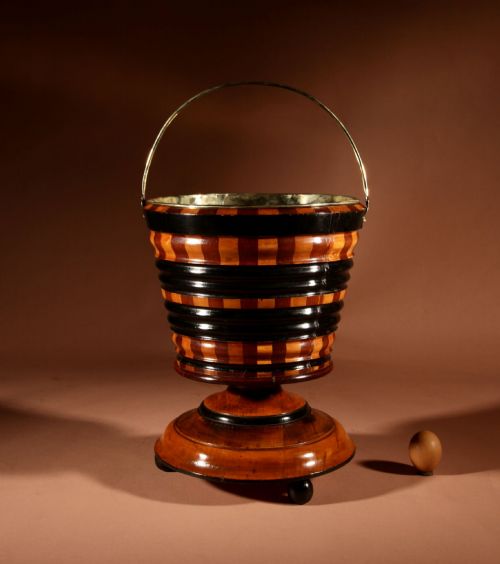
The selections here encompass Victorian and Edwardian examples alongside pieces from the early twentieth century, with styles ranging from rustic country and Dutch traditional to Georgian-influenced designs. Oak and mahogany form the primary body of these vessels, frequently augmented by brass or iron bindings.
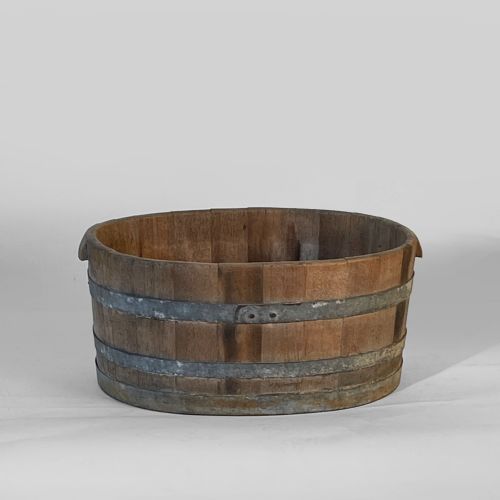
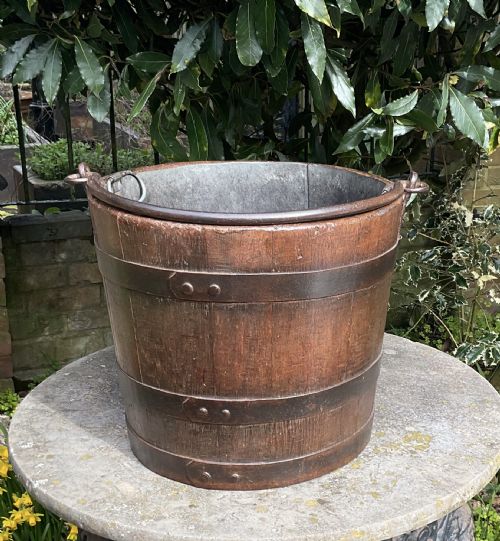
Buyers meeting these items on this page will encounter various forms including barrel stick stands, jardinières on stands, and handled troughs. Each piece displays the characteristic curved silhouette of traditional cooperage adapted for botanical display.
What varies in quality
Quality rests in the precision of the stave joints and the snugness of the metal bands, which should hold the vessel rigid without modern adhesive assistance. Superior examples display carefully selected timber grains and well-finished turned handles or original brass swing bails.
The presence of maker attribution, matched metal fittings, and integrated internal liners separates utilitarian vessels from high-status decorative pieces. Original stands and ebonised details further distinguish the upper range of surviving items.
Materials recorded across the inventory include oak, mahogany, walnut, teak, brass, iron, copper, and zinc.
Lister and Co
The Coopered Wooden Planters Glossary
- Coopered
- Constructed from curved wooden staves bound tightly together with metal hoops. This historic method built vessels that held liquids or dry goods safely.
- Stave
- A narrow strip of wood with bevelled edges designed to fit edge-to-edge in a curved assembly. Multiple staves form the walls of barrels and planters.
- Jardinière
- An ornamental pot or stand intended for holding growing flowers or plants. These vessels often sit on dedicated stands or legs.
- Peat bucket
- A traditional vessel used to hold fuel near a hearth, frequently repurposed as a planter today. Their deep bodies suit potted greenery well.
- Ebonised
- Wood treated with a dark finish to resemble ebony. This technique was popular in Victorian design for creating sharp contrast against metal bands.
Coopered Wooden Planters: Frequently Asked Questions
Are these planters waterproof?
Many of these vessels were originally designed to hold liquids, peat, or ice, meaning traditional construction relied on tight wooden joints and metal bands.
However, age can dry out timber staves, so modern usage typically involves placing a potted plant with its own saucer inside rather than filling the vessel directly with soil.
How do I date a coopered planter?
Dating relies on timber choice, mounting styles, and the type of metal used for the bands. Victorian and Edwardian pieces often utilise quarter-sawn oak with heavy brass mounts, while nineteenth-century Dutch examples frequently combine mahogany or walnut with turned feet.
Hardware details like forged iron versus machine-pressed brass also provide clues to the manufacturing decade.
What is a wine cooler bucket?
Wine cooler buckets are deep coopered vessels historically filled with ice to chill bottles at the dining table. Their sturdy construction and metal liners made them ideal for holding wet contents without leaking.
Today, their generous proportions make them well-suited for housing large indoor houseplants.