


Edwardian Wooden Jardinieres
Edwardian wooden jardinieres are functional vessels designed to display indoor plants, bringing a touch of refined horticulture into period rooms.
Edwardian Wooden Jardinieres
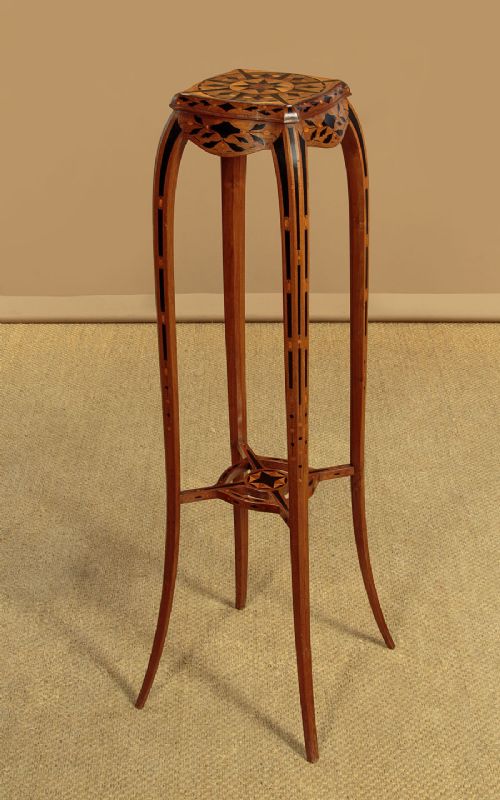
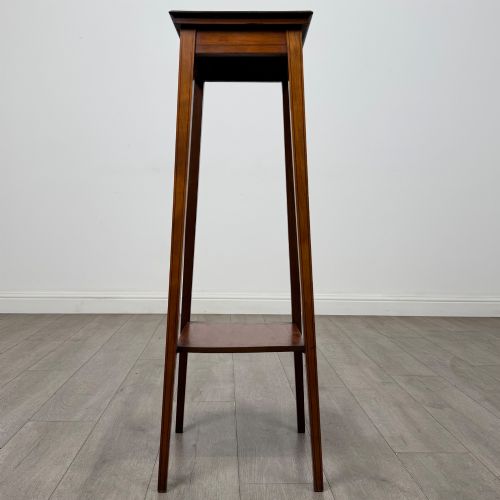
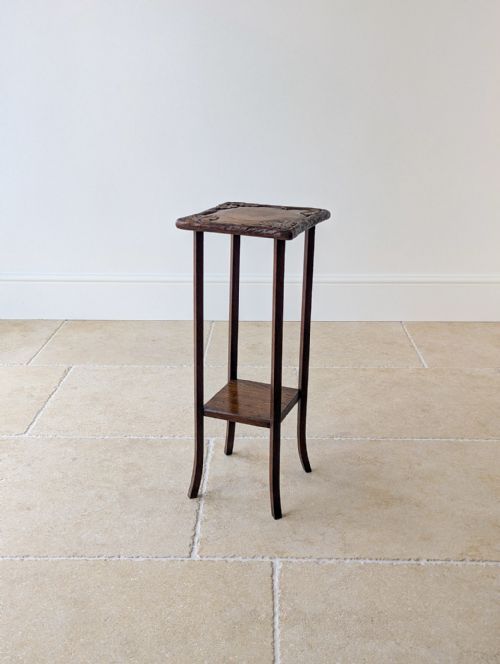
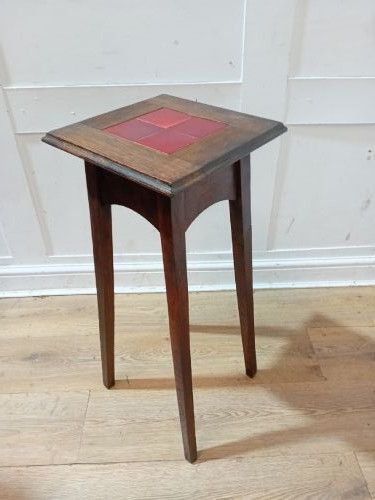
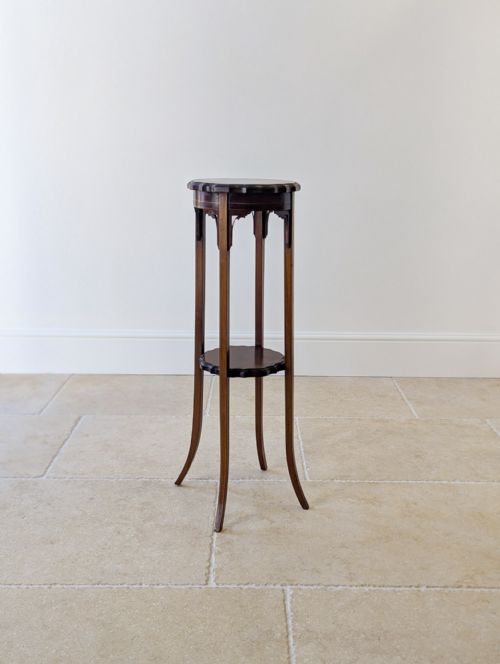
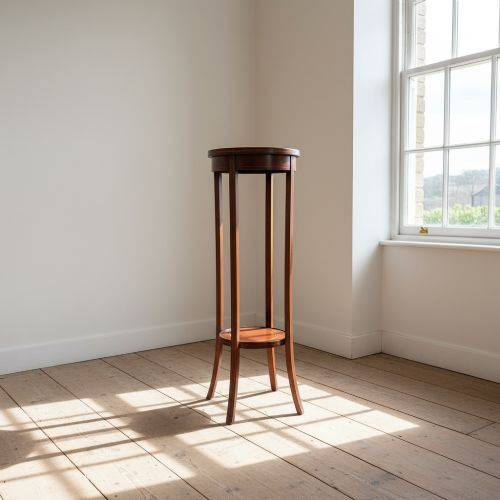
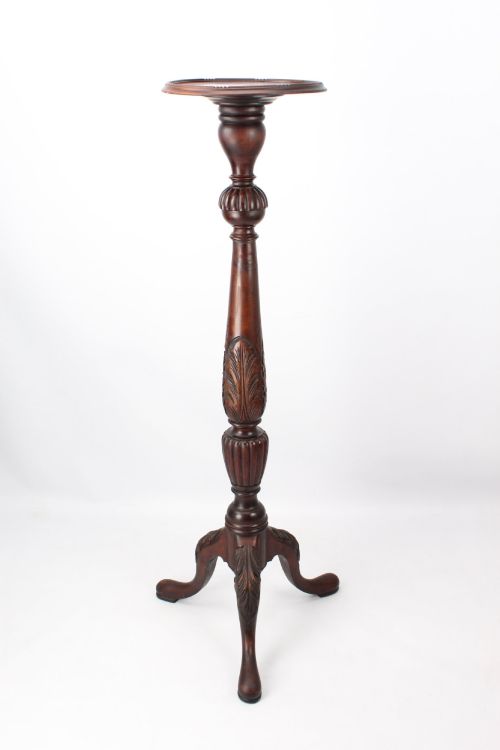
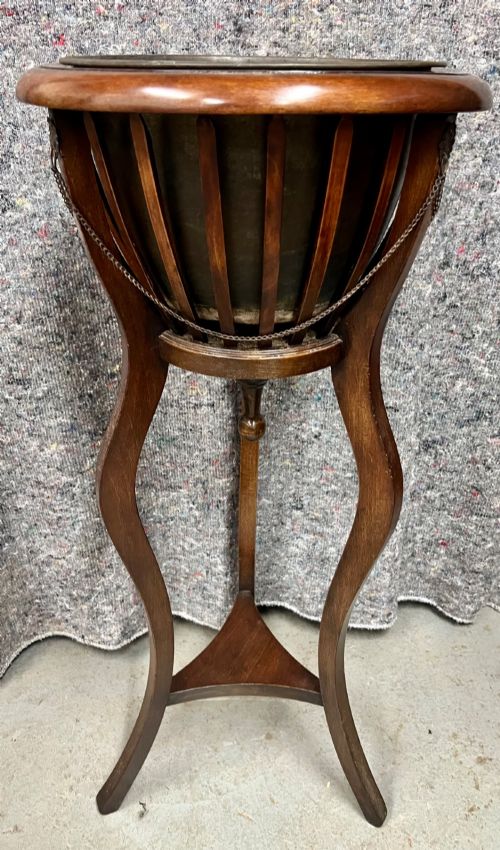
When searching for edwardian wooden jardinieres, buyers encounter a diverse selection of plant stands, occasional tables, and coopered planters originating primarily from the early twentieth century. These pieces bridge domestic furnishing and interior botany, designed specifically to hold potted greenery or floral arrangements within a drawing room or hallway.
How They Were Made
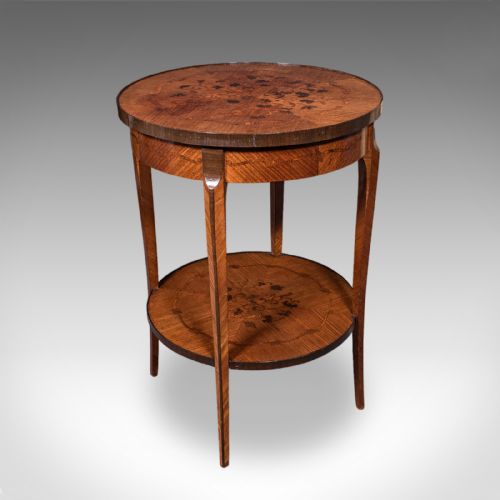
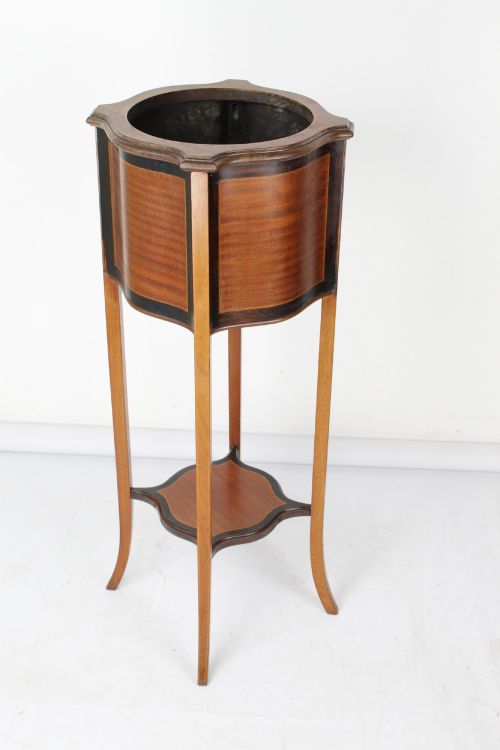
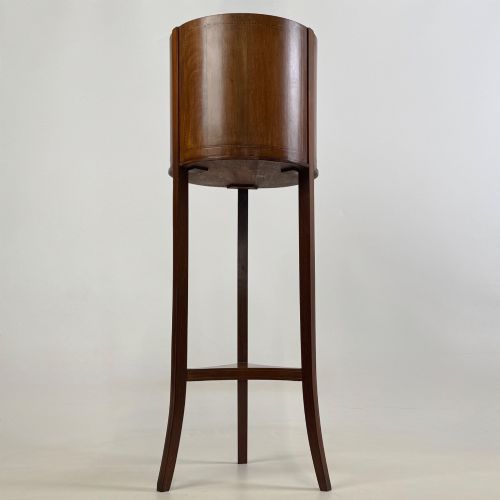
Cabinetmakers utilised dense timbers such as mahogany, walnut, and oak, often enhancing the natural grain with satinwood inlay or contrasting stringing. Structural support was achieved through turned legs, barley twist supports, and occasional coopered barrel construction for circular planters.
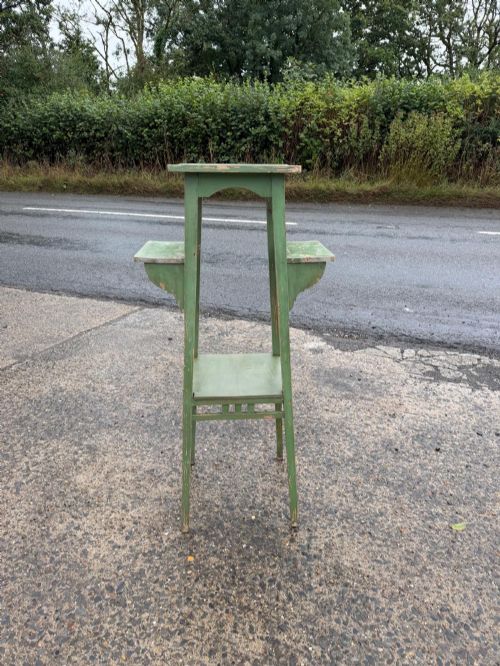
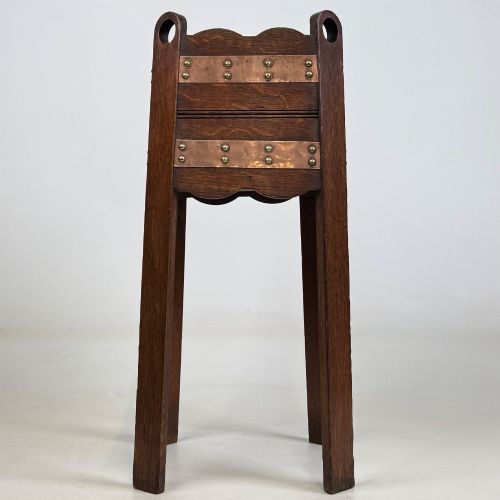
Metal components played a dual role in construction and decoration, with brass banding providing structural integrity to wooden staves while adding visual contrast. Carved detailing and surface painting appear across various pieces, reflecting both formal Edwardian cabinetmaking and the simpler vernacular of the Arts and Crafts movement.
Materials recorded across the inventory include mahogany, oak, satinwood, walnut, brass, and coopered box tree.
What Varies in Quality
Differentiation in these pieces often rests on the sophistication of the timber selection and the precision of the inlay work, such as delicate satinwood banding or marquetry. The integrity of the internal construction, particularly in coopered oak vessels where metal bands secure wooden staves, indicates the original standard of manufacture.
Design ambition further distinguishes the range, moving from utilitarian plant stands to pieces incorporating multiple tiers, carved ornamentation, or branded workshop provenance. The survival of original painted finishes or integrated brass liners also influences the character and integrity of individual examples.
Liberty of London·Lister and Co
The Edwardian Wooden Jardinieres Glossary
- Jardiniere
- A decorative pot or stand designed to hold a plant or flower arrangement. These pieces often feature waterproof liners or metal banding.
- Torchere
- A tall, slender stand designed to support a lamp, vase, or plant. Originating as lighting supports, they were frequently adopted for botanical display.
- Coopered
- Constructed using narrow wooden staves fitted together side by side and bound by metal hoops, similar to barrel-making techniques.
- Stringing
- A narrow strip of contrasting wood inlaid into the surface of a piece in a shallow channel. This technique defines panel borders on cabinet furniture.
- Barley twist
- A type of turning resembling a spiral or rope twist, commonly found on the legs of tables and stands from the period.
Edwardian Wooden Jardinieres: Frequently Asked Questions
What is an Edwardian wooden jardiniere used for?
These vessels were created to house potted plants inside the home, allowing homeowners to introduce greenery into reception rooms and parlours.
They function primarily as decorative stands or planters, elevating flora to eye level while protecting domestic surfaces from moisture.
How do I distinguish Edwardian pieces from Victorian ones?
Edwardian examples generally favour lighter timbers, simpler lines, and restrained inlay work compared to heavier, more heavily carved earlier Victorian furniture.
The aesthetic shifts towards brighter satinwood and mahogany finishes that reflect a lighter domestic interior style.
Are these planters suitable for holding real plants?
Many period jardinieres feature metal liners or are coopered like barrels to handle damp soil and watering.
Collectors often use protective inner pots to prevent direct moisture contact with the historic wood.
What styles are common in wooden plant stands?
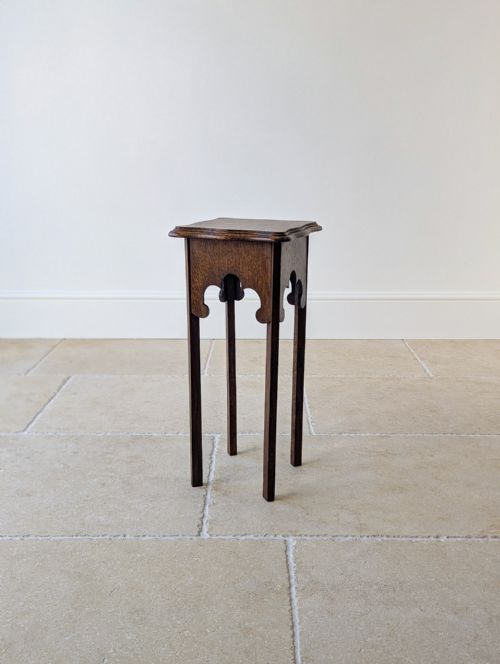
The selection encompasses straightforward Edwardian utility alongside Arts and Crafts designs that emphasise exposed timber and construction methods.
Revival styles drawing on Georgian or French aesthetics also appear frequently across the available inventory.