
Vintage Plant Pots
These vintage plant pots bring structural presence and texture to indoor and garden spaces alike.
Vintage Plant Pots
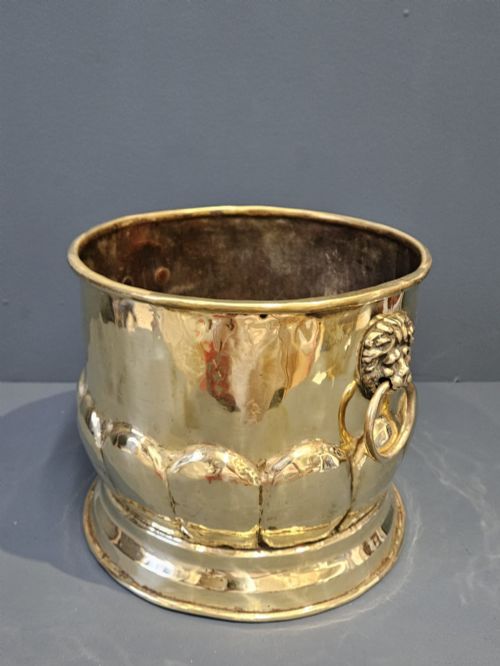
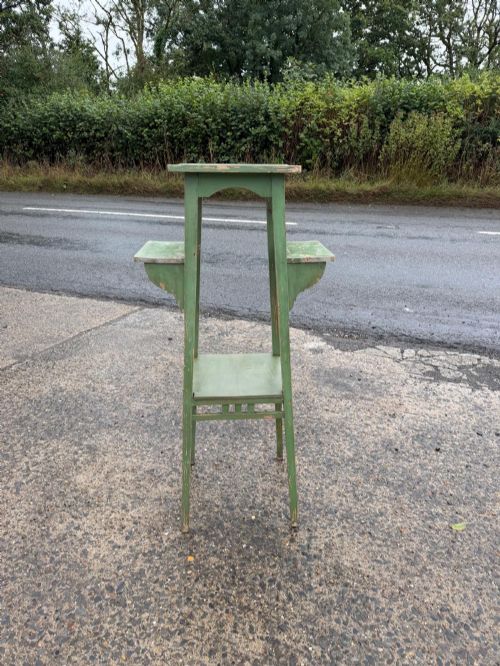
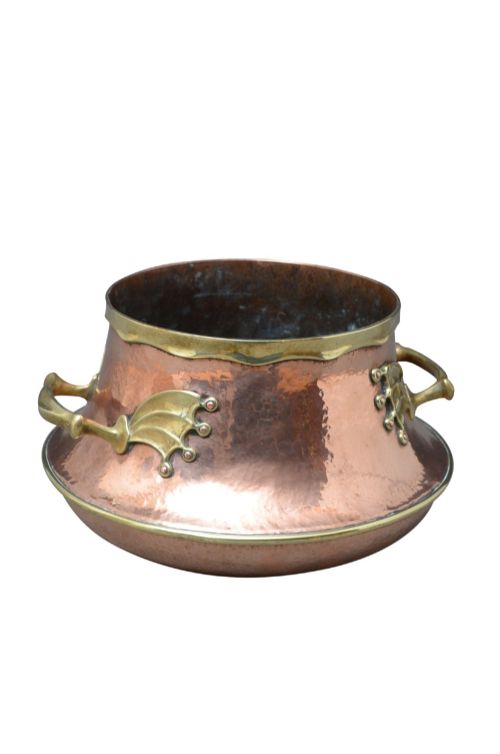
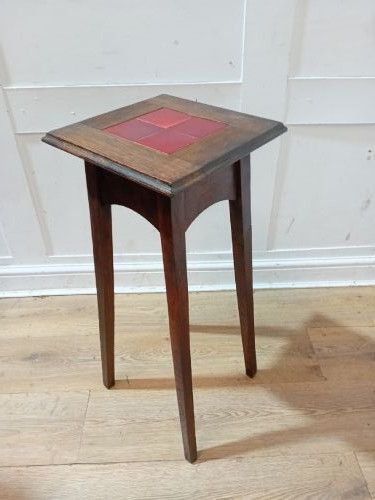
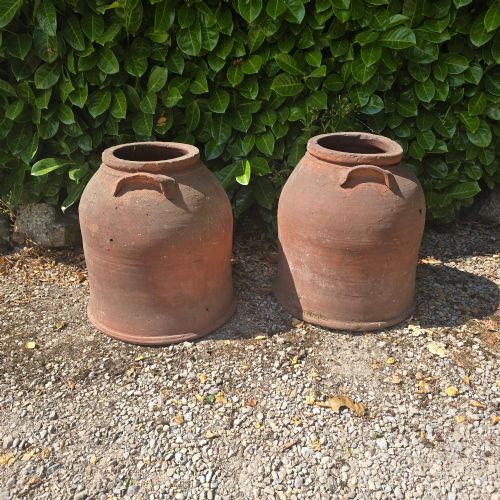
Vintage plant pots encompass a varied group of utilitarian and decorative vessels designed for housing flora, ranging from interior display pieces to heavy garden furnishings. When searching for vintage plant pots, buyers commonly encounter brass and copper jardinières, terracotta garden urns, and timber plant stands dating from the Victorian and Edwardian eras.
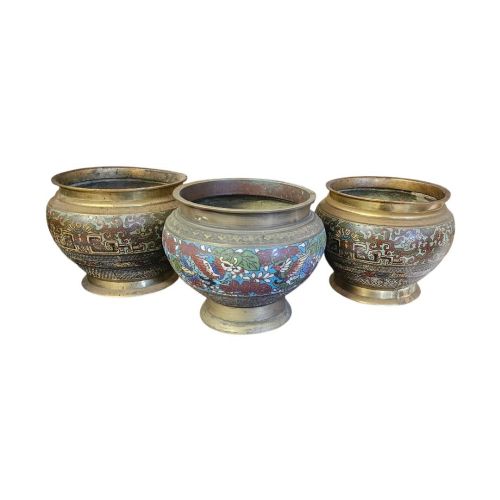
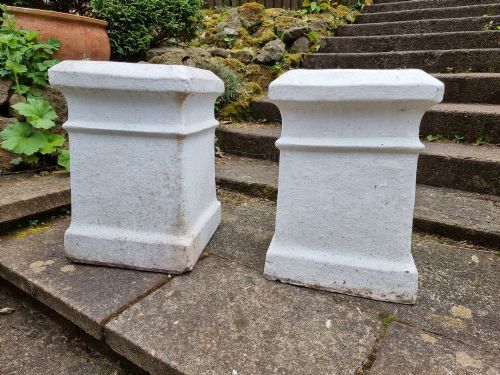
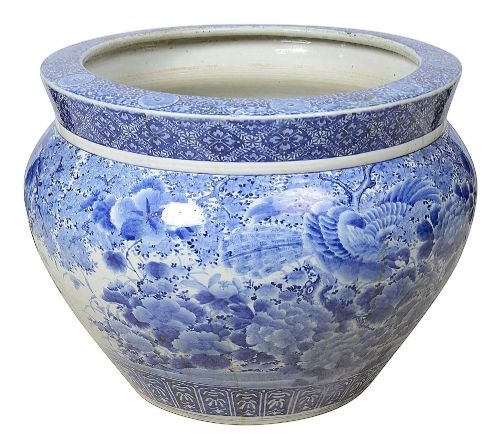
The selection includes specialised forms such as chimney pot pedestals, cachepots, and large Chinese porcelain or cloisonné vessels alongside utilitarian items like watering cans and potting tables. Pieces originating from French, Dutch, and British workshops demonstrate the broad geographical spread available within this category.
How they were made
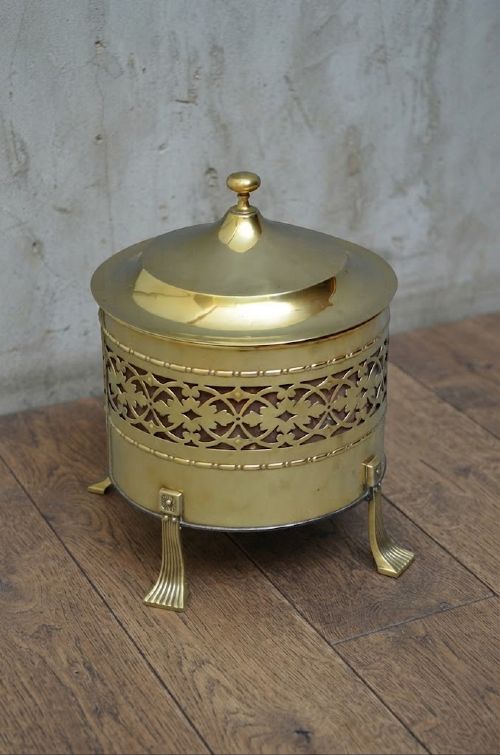
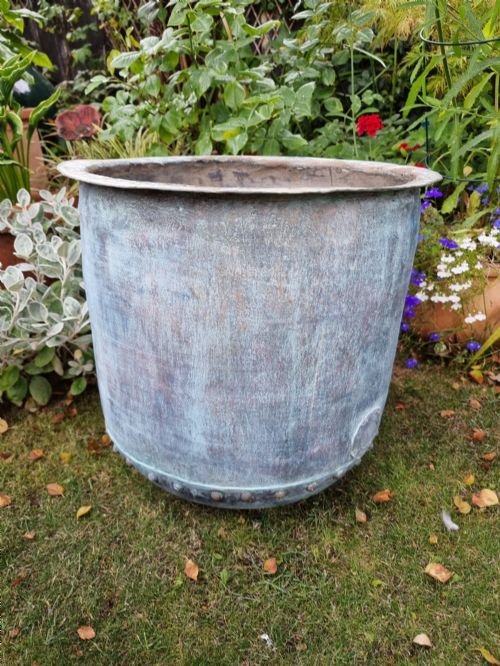
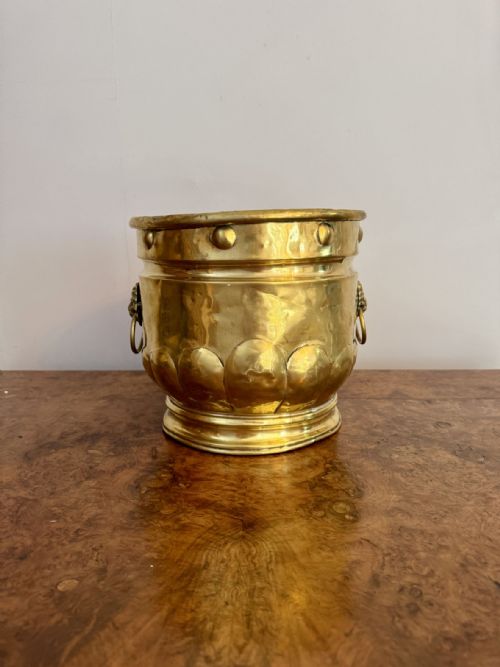
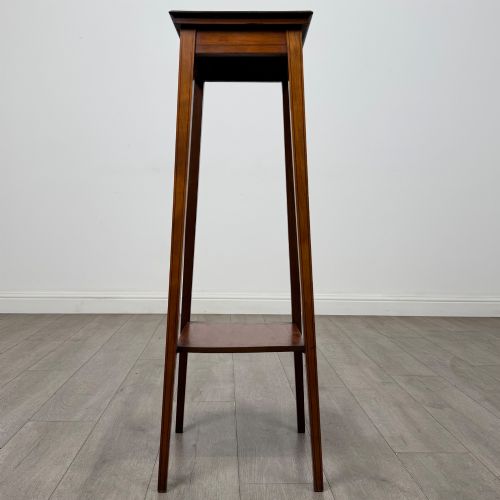
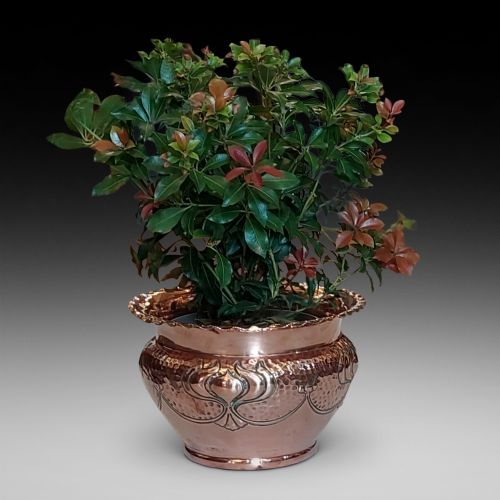
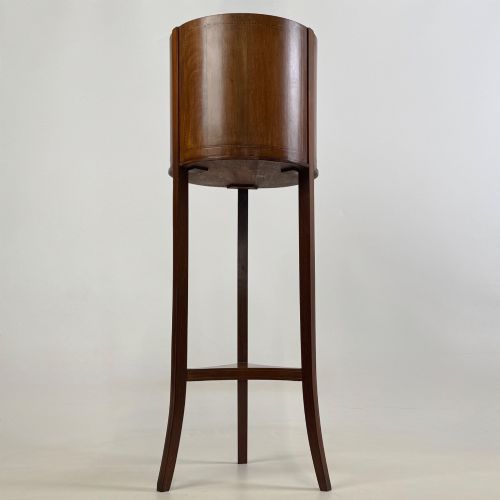
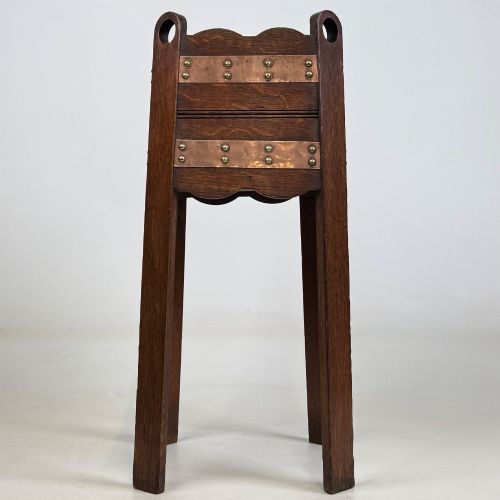
Metal vessels in this category rely heavily on traditional hand-working techniques, utilising hammered sheet copper and pierced or fretwork brass mounted with swing handles or cast feet. Wood-based stands and tables employ standard period joinery in mahogany, satinwood, oak, and pine.
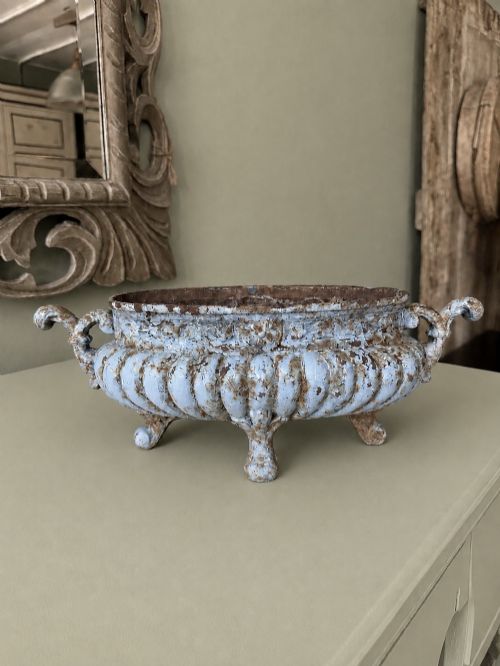
Ceramic and stone items incorporate thrown or moulded stoneware, terracotta, and porcelain, sometimes featuring drip glazes or hand-painted decoration. Iron pieces depend on durable casting methods to form structural campana urns and detailed ornamental shapes.
Cast iron planters cast in the literal form of shrimp offer a surprisingly playful touch to nineteenth-century garden displays.
What varies in quality
Quality in these vessels rests upon the integrity of the original construction and the crispness of decorative details such as crests, hammered textures, and pierced brass patterns. Superior metal pieces display robust gauges of copper and brass that retain their structural form under heavy use.
For ceramic and cast iron items, distinction lies in the depth of the glaze, the clarity of moulded relief work, and the stability of the material against weathering or age. Original stands, matching pairs, and retained surface patination elevate the standing of an individual piece.
The Vintage Plant Pots Glossary
- Jardiniere
- An ornamental pot or stand designed to hold flowers or plants, typically intended for indoor placement. These vessels appear frequently in brass, copper, and ceramic variants.
- Campana urn
- A bell-shaped garden vessel originating from classical antiquity, usually mounted on a pedestal base. These are commonly found in cast iron or terracotta.
- Cachepot
- A decorative outer pot or container that hides a less attractive inner flowerpot. They are often produced in glazed ceramic or porcelain.
- Rhubarb forcer
- A specialised agricultural vessel placed over emerging plants to exclude light and blanch the stalks. Victorian examples are typically heavy terracotta.
- Cloisonne
- An ancient technique for decorating metal object surfaces using enamel held in place by wire partitions. Pieces utilising this method often originate from Asian workshops.
Vintage Plant Pots: Frequently Asked Questions
How do I clean antique brass planters?
Cleaning depends on the preservation of the surface patination, which many collectors prefer to leave undisturbed. Light dusting with a dry cloth is usually sufficient for everyday maintenance.
Harsh chemical polishes should be avoided because they strip away historical layers and damage delicate fretwork or hammered details. Gentle wiping with a damp cloth maintains the material without altering its aged character.
Can terracotta garden urns stay outside in winter?
Terracotta is a porous material that absorbs moisture, making it susceptible to cracking if water freezes within the clay body during cold weather. Moving heavier urns indoors or under shelter protects them from frost damage.
Raising containers off the ground using pot feet also improves drainage and prevents moisture retention during wetter months.
What is the difference between a jardiniere and a cachepot?
A jardiniere is typically a substantial decorative vessel meant to display plants directly or hold multiple pots within a main chamber. They often feature structural stands or handles.
A cachepot functions strictly as a sleeve or outer cover designed to conceal a plain plant pot underneath. These are generally smaller and lack drainage holes.
How can I date a cast iron garden urn?
Dating cast iron involves examining the casting seams, the weight of the metal, and stylistic indicators such as neoclassical or Victorian motifs. Earlier pieces often exhibit hand-finished surfaces where casting marks were filed down.
Matching the design to period foundry catalogues or typical nineteenth-century garden ornament forms provides a reliable chronological frame.