




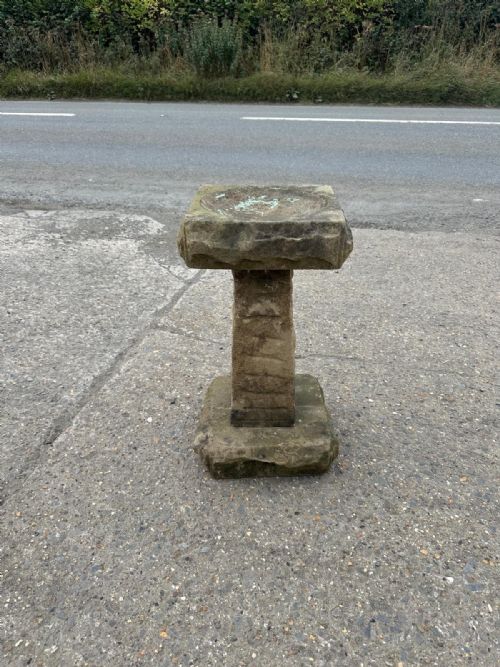


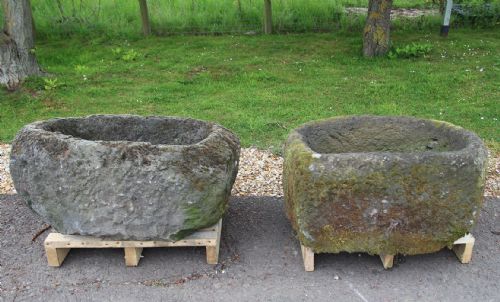
Rustic Stone Basin
When you search for a rustic stone basin, you are looking at heavy utility pieces hewn from marble, sandstone, and limestone for garden and kitchen use.
Rustic Stone Basin
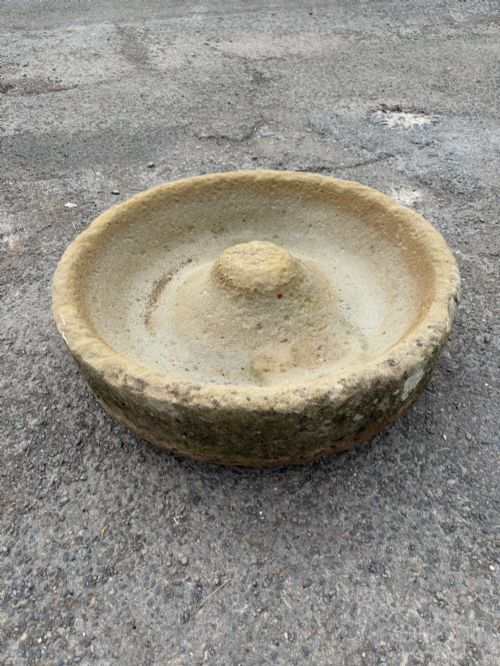
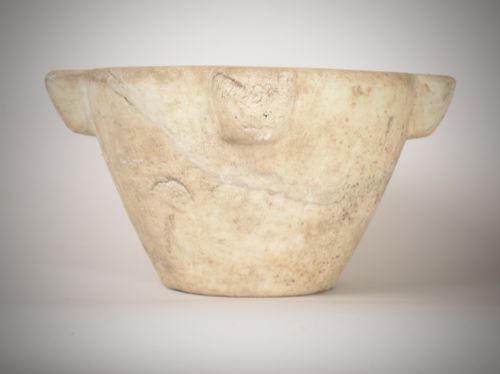
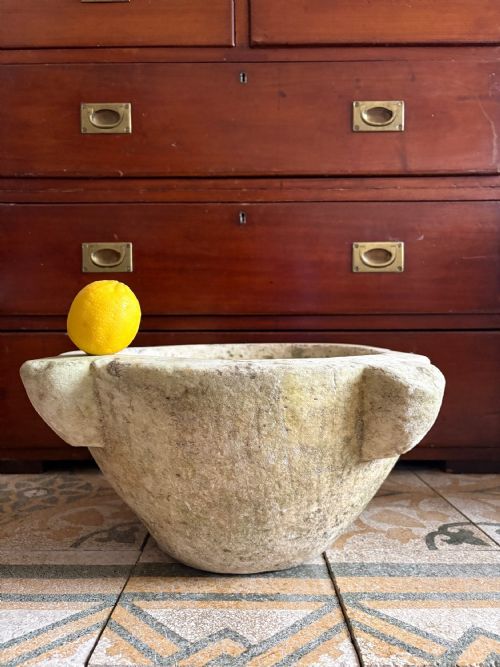
A rustic stone basin encompasses functional items like kitchen mortars, garden troughs, planters, and bird baths found across various periods from the seventeenth century onward. Buyers searching this phrase most commonly meet heavy stone troughs, large marble mortars, and carved bird baths shaped for practical use.
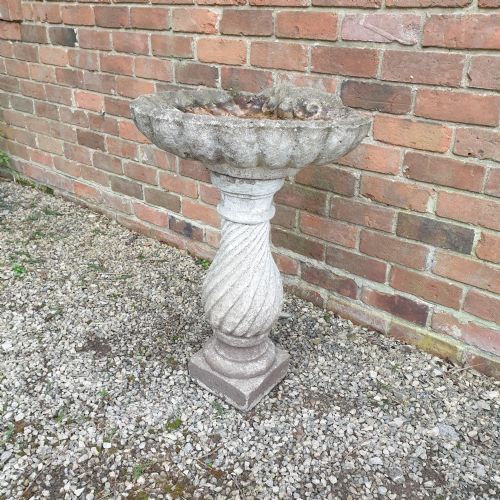
The forms range from square antique stone troughs and circular mortars to shell-shaped bird baths and garden pancheons. Many examples originate from English and Italian traditions, displaying the robust proportions required for manual labour or outdoor weathering.
Materials and construction
Masons shaped these vessels from blocks of sandstone, Purbeck limestone, and white marble using hand tools that left tool marks across the exterior surfaces. Reclaimed materials also appear, including stone sourced from historic buildings damaged during the Second World War.
Natural weathering, moss accumulation, and centuries of use have altered the textures of the stone, accentuating the natural grain and mineral deposits within the marble and limestone.
One listed planter incorporates reclaimed stone salvaged from the Houses of Parliament after being damaged during the Blitz in World War II.
Qualities of the stone
The distinction between ordinary utility items and finer examples rests on the quality of the raw stone and the precision of the carving. A block of white marble with even veining commands attention compared to coarser sandstone or concrete substitutes.
Proportion and integrity also define the piece. Examples with thick, balanced walls and intact rims show superior stone-working skill, whereas heavy weathering can obscure structural losses or later alterations.
The Rustic Stone Basin Glossary
- Mortar
- A heavy bowl used with a pestle for grinding food or substances, often carved from solid marble or stone. These vessels possess thick walls designed to withstand heavy downward force.
- Trough
- A long, narrow container traditionally used for feeding livestock or watering plants, shaped from a single block of stone. Antique versions show considerable weight and utilitarian design.
- Purbeck limestone
- A fossiliferous limestone quarried in Dorset, prized for its durability and distinctive shelly composition. It frequently appears in British bird baths and troughs.
- Pancheon
- A large, shallow earthenware or stone vessel used in dairies for setting milk or in domestic kitchens for mixing. Stone variants offer robust capacity.
- Reconstituted stone
- A composite material made from crushed stone and cement moulded to resemble natural carved rock. It provides a uniform alternative to quarried blocks.
Rustic Stone Basin: Frequently Asked Questions
How do I clean a stone basin?
Wash the surface gently with water and a soft brush to remove dirt and loose debris without damaging the stone. Avoid harsh chemicals that strip natural patinas and moss accumulation.
Allow the stone to dry naturally after cleaning. Excessive scrubbing can erode tool marks left by the original mason.
Can these stone basins stay outside?
Most natural stone vessels, including sandstone troughs and Purbeck limestone bird baths, withstand outdoor weathering well. Their dense composition resists normal frost action when drainage is maintained.
Ensure water does not pool and freeze inside unsealed bowls during harsh winter months. Elevating the base prevents moisture absorption from damp ground.
What is the difference between a trough and a mortar?
A trough is typically an elongated rectangular vessel designed for holding water or garden plants. Its long cavity accommodates planting or livestock feeding.
A mortar is a deep, rounded bowl shaped for grinding and food preparation. These pieces feature thick rims and heavy bases to stay stable during use.
How do I date an old stone basin?
Examine the tool marks and surface wear to understand the manufacturing technique. Hand-chiselled surfaces and irregular proportions often indicate earlier periods of production.
Consider the specific type of stone and regional style. Purbeck limestone and Italian marble provide geographic and temporal clues regarding their origin.