
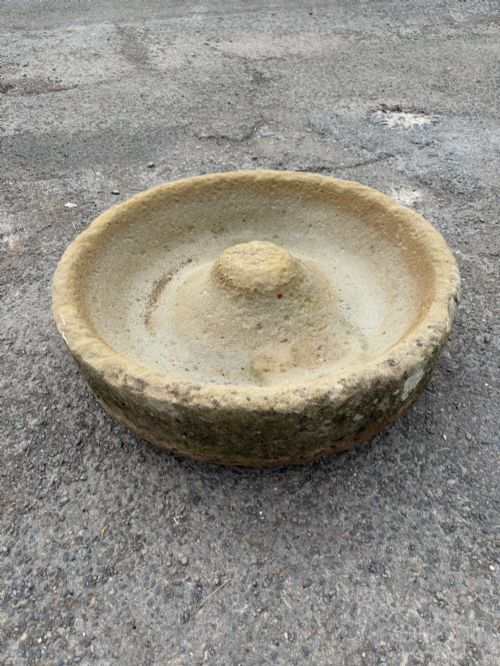
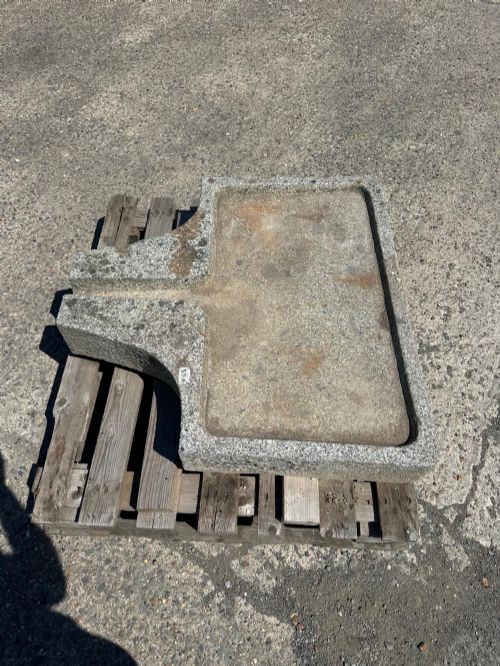


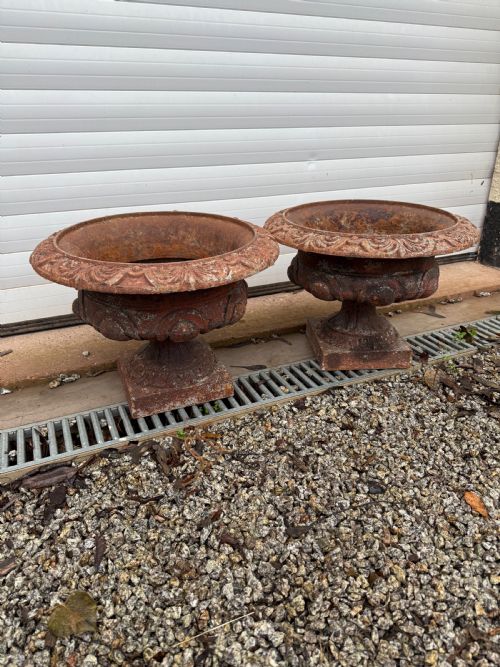
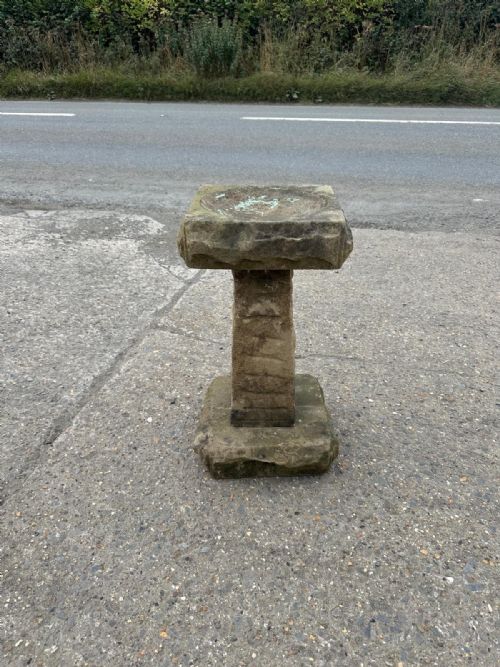


Stone Garden Trough
These stone garden trough pieces bring rugged practicality and historic character to outdoor spaces, offering enduring utility shaped by centuries of weathering.
Stone Garden Trough
The selection encompasses rustic vernacular pieces alongside more formal designs, such as late eighteenth-century neoclassical marble cisterns and Georgian revival vessels. This mix reflects how utilitarian items like presses, mortars, and pancheons were repurposed for garden display over generations.
Materials and Techniques
The construction of these pieces relies upon durable geological materials such as sandstone, limestone, granite, and natural stone, hewn or cast to withstand the elements. Masons shaped these hard minerals using traditional hand tools, leaving tooling marks that remain visible on eighteenth and nineteenth-century examples.
Later pieces incorporate composite stone, cast stone, or terracotta, reflecting industrial advancements in moulding and casting during the nineteenth and twentieth centuries. Weathering plays a vital role, as decades or centuries of exposure to rain, frost, and sun soften the edges and encourage lichen growth on the stone surface.
Stone Garden Trough Retail Price Guide 2026
Typical asking prices for stone garden trough among the pieces listed under this phrase on Sellingantiques today, from the lower quarter to the upper quarter. They describe what is for sale here now, not the wider market.
Assessing Quality and Character
Quality in a stone garden trough rests upon the integrity of the geological material and the honesty of its weathering. Pieces hewn entirely from natural stone like Purbeck limestone or granite exhibit a dense, resilient structure that age more harmoniously than softer or cast substitutes.
Proportion and scale dictate the visual weight of the vessel in a landscape, with deeply weathered surfaces and original tool marks distinguishing pieces shaped by hand over centuries from later reproductions.
The Stone Garden Trough Glossary
- Purbeck stone
- A distinctive limestone quarried in Dorset, known for its durability and use in traditional bird baths and architectural elements. It possesses a fossiliferous texture that becomes pronounced through weathering.
- Pancheon
- A wide, shallow earthenware or stone vessel traditionally used in dairies for setting milk. In a garden context, these heavy bowls serve as low planters.
- Mortar
- A heavy stone bowl historically used for grinding grain, herbs, or minerals with a pestle. These solid vessels translate well into compact garden planters.
- Neoclassical
- A style spanning the eighteenth century that drew inspiration from the classical art and architecture of ancient Greece and Rome. Pieces from this tradition display formal symmetry and restrained carved detail.
- Weathering
- The natural alteration of stone surfaces through prolonged exposure to outdoor elements. This process creates the coveted patination and biological growth that collectors prize.
Stone Garden Trough: Frequently Asked Questions
How do I care for an antique stone trough?
Position the vessel on a well-drained surface to prevent water accumulation from freezing and cracking the stone during winter months. Avoid harsh chemical cleaners or pressure washing, which can strip away historic patina and delicate lichen growth.
Gentle brushing with water suffices to remove debris. Ensure drainage holes remain clear if planting directly into the cavity.
Can these troughs stay outside in winter?
Natural stone vessels withstand frost well due to their dense composition and age. However, severe freezing temperatures can impact stone filled with saturated soil or stagnant water.
Elevating the base slightly on pot feet prevents moisture from freezing underneath. Checking drainage prevents internal ice pressure from expanding within the carved cavity.
How do I identify the age of a stone trough?
Examine the tool marks left on the exterior surfaces, as hand-chipped chisel marks indicate earlier periods of production before mechanical saws became widespread. Weathering patterns, such as deep erosion and established moss or lichen, also offer clues to antiquity.
Comparing the geological material to known regional stone types helps narrow down the probable era and origin.
What is the difference between natural stone and cast stone?
Natural stone is hewn directly from a solid block of quarried mineral like limestone or granite by a mason. Each piece displays unique geological inclusions and hand-worked tool marks.
Cast stone is manufactured by pouring a mixture of aggregate and cement into a mould. This technique allows for uniform production and reproducible decorative motifs.