




Grey Stone Trough
A grey stone trough is a utilitarian carved vessel that brings genuine rustic character and solid presence to a garden.
Grey Stone Trough
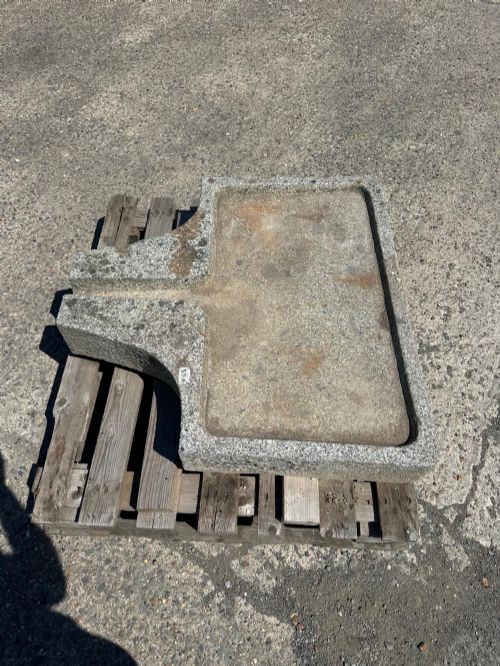
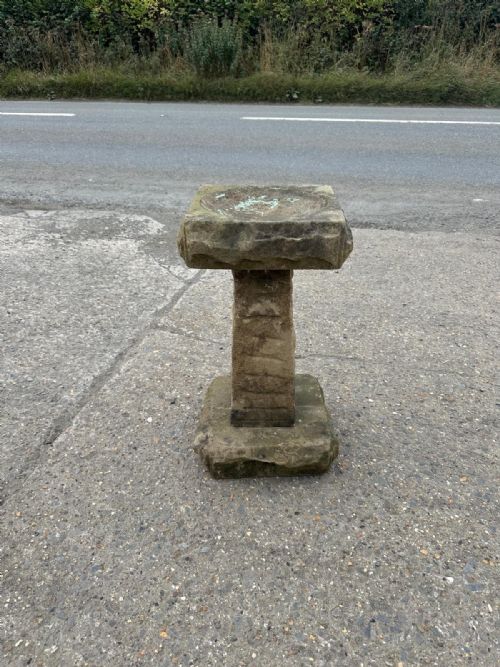
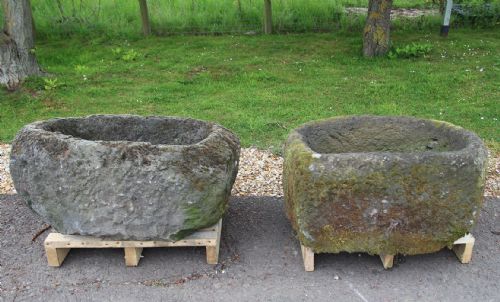
A grey stone trough is a heavy, functional basin shaped from natural rock for agricultural or domestic use, most commonly encountered here as garden planters, cisterns, and mortars from the eighteenth and nineteenth centuries. These sturdy objects range from simple rectangular farm vessels to neoclassical cisterns carved in Carrara marble, alongside smaller domestic mortars and press bases.
The selection on this page demonstrates the wide variety of utilitarian forms produced across different periods, including squared eighteenth-century examples and turn-of-the-century granite presses. Buyers often choose these pieces to anchor planting schemes or add historical weight to terraces and lawns.
Materials and construction
These vessels are hewn from hard geological materials including granite, limestone, Purbeck stone, and sandstone using traditional manual chisel and mallet techniques. The resulting surfaces bear the distinct tool marks of the mason, leaving a rugged exterior texture that weathers naturally over centuries of exposure.
Some specialised forms, such as press bases and mortars, require dense stone capable of enduring heavy crushing and grinding forces without fracturing. Architectural salvage and composite or cast stone variants also appear, representing later methods of replicating durable garden vessels.
One extraordinary listed piece incorporates stone salvaged directly from the Houses of Parliament after damage sustained during the Blitz in World War II.
Assessing quality and character
Quality in a grey stone trough rests upon the integrity of the carved block and the honesty of its wear, where deep patination and organic weathering signal genuine age. Pieces sculpted with refined architectural details, such as neoclassical mouldings in marble, occupy the upper tier of craftsmanship compared to purely utilitarian agricultural troughs.
The proportional balance of the vessel and the thickness of its remaining walls dictate both its aesthetic appeal and its structural survival. An uncompromised block with crisp original tool marks and harmonious proportions represents the highest standard of these sturdy survivals.
The Grey Stone Trough Glossary
- Cistern
- A large open container for storing water or liquids, often adapted for use as a garden planter. These vessels frequently feature decorative carving or substantial panelled sides.
- Mortar
- A heavy bowl-shaped vessel used with a pestle for grinding materials, typically carved from a single block of dense stone. Smaller antique examples serve as decorative interior or garden bowls.
- Purbeck stone
- A fossiliferous limestone quarried in Dorset, known for its durability and inclusion of small freshwater shells. It appears frequently in traditional bird baths and architectural elements.
Grey Stone Trough: Frequently Asked Questions
Are antique stone troughs heavy?
Yes, natural stone vessels are extremely dense and heavy, often requiring mechanical lifting equipment for placement. This weight ensures they remain stable in exposed garden locations without anchoring.
Plan the exact final location before delivery, as moving a large granite or limestone trough once filled with soil is nearly impossible by hand.
How can I tell the age of a stone trough?
Age is determined by tool marks, geological material, and the natural weathering patination accumulated across centuries of exposure. Hand-chiselled surfaces differ significantly from later mechanical quarrying methods.
Compare the specific stone type and form against documented examples from periods like the eighteenth or nineteenth century to narrow down the era of production.
Will winter frost crack an old stone trough?
Dense natural stones like granite, Purbeck stone, and hard limestone generally withstand freezing temperatures well if water does not pool and expand in blocked drainage holes. Clearing debris from the drainage outlet prevents ice accumulation.
Elevating the vessel slightly on small feet prevents moisture from freezing underneath and keeps the base from sitting in standing winter water.