




Carved Stone Planter
These heavy carved stone planter vessels bring weight and architecture to a garden, offering lasting structure for planting.
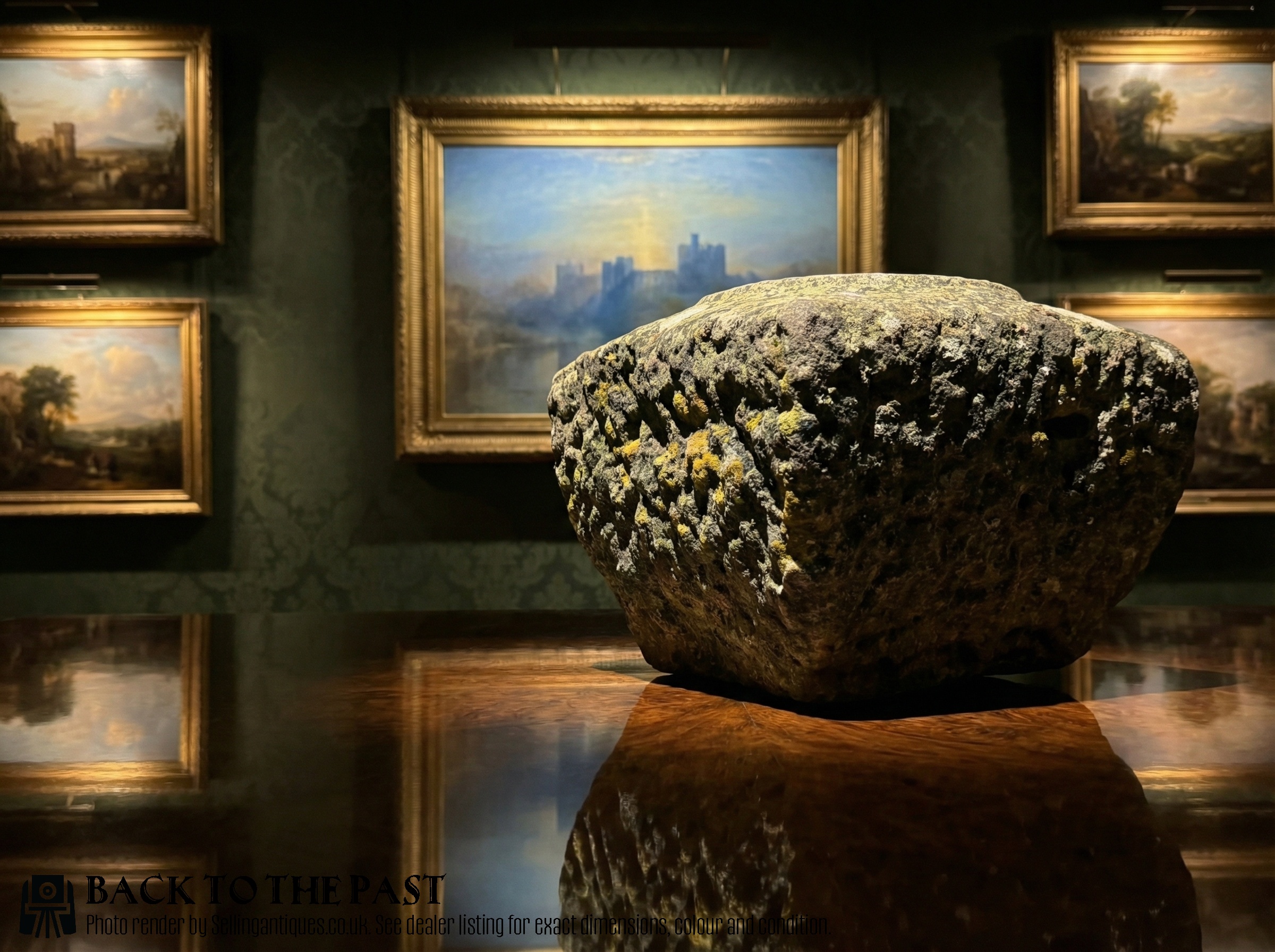
Carved Stone Planter
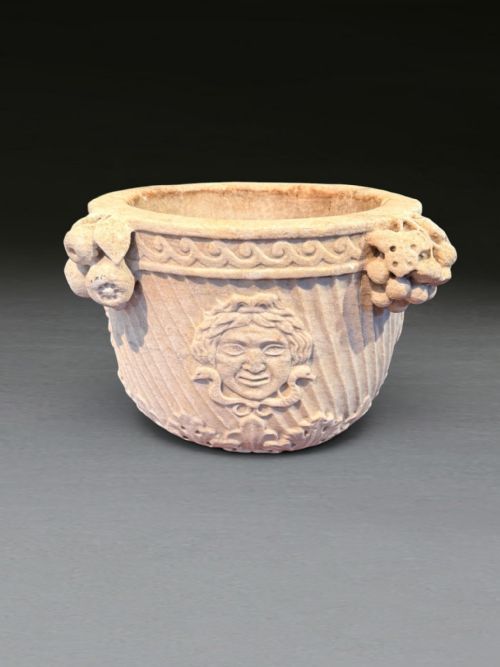
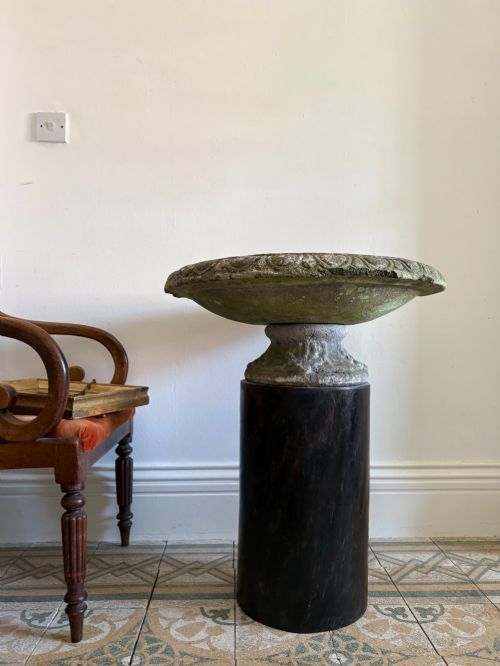
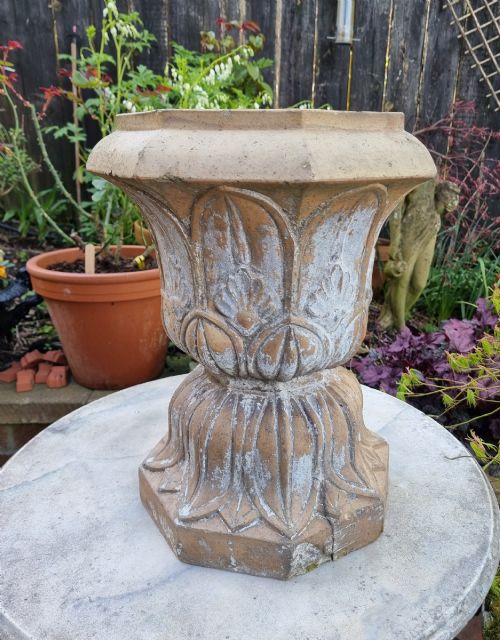
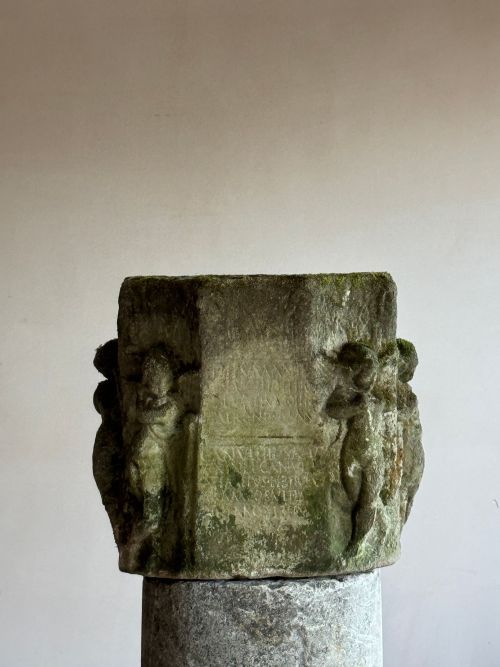
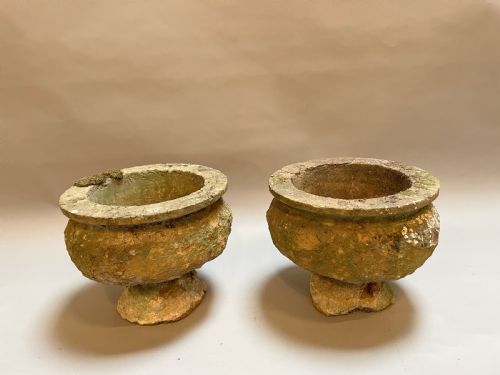
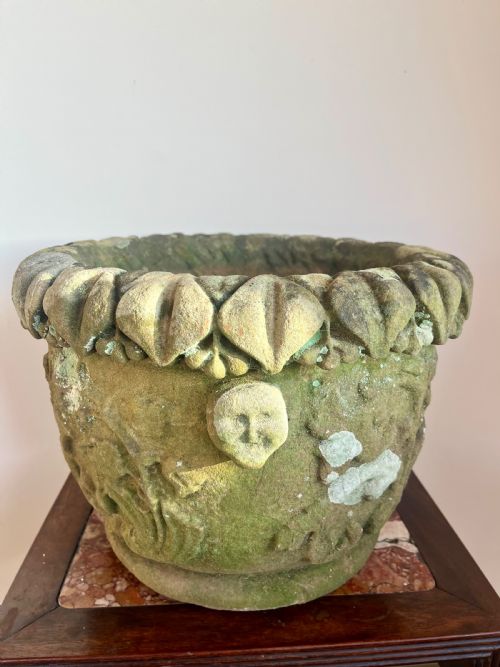
A carved stone planter provides a substantial vessel for garden greenery, appearing in forms ranging from classical campana urns and tazzas to utilitarian troughs and mortars. When you search for a carved stone planter, you encounter vessels shaped from natural rock, limestone, marble, and terracotta across centuries of garden design. The pieces on this page lean heavily towards nineteenth-century examples and earlier architectural remnants, though twentieth-century cast and reconstituted stone versions also appear.
Forms vary from simple round and seven-sided garden containers to elaborate Italian marble urns and carved stone baskets. Many function as garden planters, birdbaths, or structural cisterns, carrying patination earned through decades or centuries of exposure outdoors. These objects anchor garden layouts, often standing on plinths or bases that elevate the planting above the ground.
Materials and construction
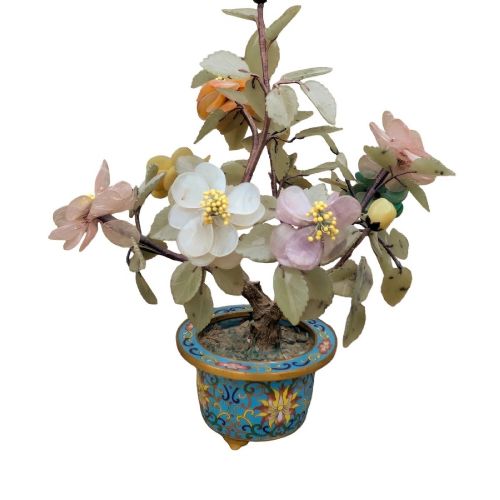
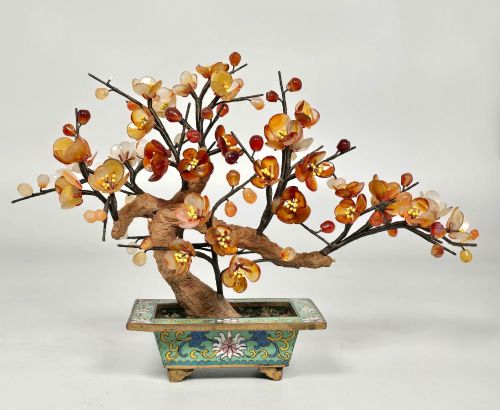
Masons shape these pieces from natural materials including limestone, sandstone, Purbeck stone, Cotswold stone, and Carrara marble using direct carving techniques. Hardstone and alabaster appear in more decorative interior or tabletop botanical pieces, while terracotta and salt-glazed stoneware offer fired alternatives to carved rock.
Moulded composition arrives through cast stone and reconstituted stone, where aggregate binds together to replicate the appearance of hand-carved masonry. Many vessels show the tool marks of the mason or the softening effects of weathering over centuries of use.
Carved Stone Planter Retail Price Guide 2026
Typical asking prices for carved stone planter among the pieces listed under this phrase on Sellingantiques today, from the lower quarter to the upper quarter. They describe what is for sale here now, not the wider market.
Judging quality in stone planters
Quality rests upon the crispness of the original carving and the integrity of the geological material selected by the mason. Fine marble and dense limestone hold detail sharper and longer than softer stones or lower-grade composites.
Surface patination and weathering dictate visual success, where organic lichens and gentle erosion enhance the stone rather than obscure its form. The harmony of proportions, particularly in classical campana shapes and architectural urns, separates masterwork carving from routine yard ornaments.
The Carved Stone Planter Glossary
- Campana urn
- A bell-shaped garden vessel with flared rims and a footed base, frequently carved from marble or stone in the classical manner.
- Tazza
- A shallow saucer-like ornamental cup or urn raised on a stem and foot, often carved from Italian marble.
- Terracotta
- Fired unglazed clay used for garden pots and urns, taking botanical decoration and moulded heads on handles.
- Reconstituted stone
- A manufactured material made from crushed stone or aggregate mixed with cement, moulded to imitate natural carved masonry.
- Plinth
- A heavy stone base or block supporting an urn, planter, or garden sculpture.
Carved Stone Planter: Frequently Asked Questions
Can carved stone planters stay outside in winter?
Most natural stone and dense cast stone vessels withstand winter frost due to their solid mass and porous drainage.
However, trapped water inside unsealed vessels can freeze and expand, so elevating planters on feet helps prevent cracking during sustained sub-zero temperatures.
How do I clean an old stone planter?
Gentle washing with water and a soft brush removes loose dirt without damaging the historical surface patination.
Avoid harsh pressure washers and chemical cleaners that strip away weathering and erode the outer layer of soft limestone or marble.
How can I tell the age of a stone planter?
Tool marks, weathering patterns, and geological material offer primary clues to a vessel's age and origin.
Hand-chiseled surfaces and deep mineral staining usually point to earlier periods, while uniform cast stone often suggests twentieth-century production.
Are these planters too heavy for a terrace?
Large natural stone and marble planters possess considerable weight that requires a structurally sound base.
Checking load limits on elevated balconies or wooden decking remains essential before positioning heavy stone garden vessels.