






Rustic Stone Trough
These heavy garden troughs bring hard-wearing utility to planting and landscaping, hewn from natural stone to weather centuries outdoors.
Rustic Stone Trough
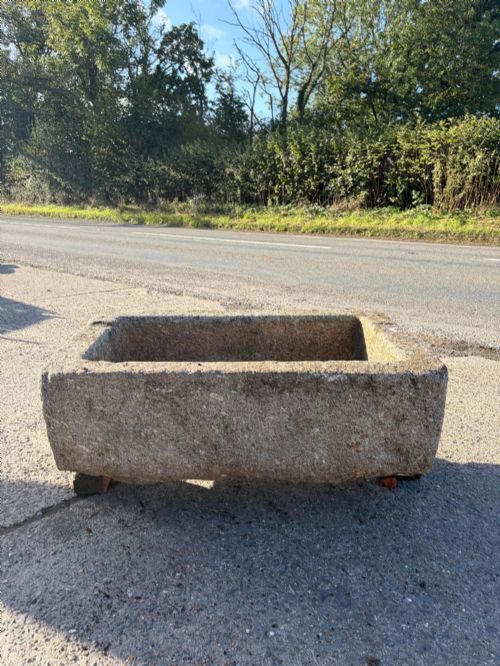
A rustic stone trough provides a sturdy vessel for garden planting and architectural display, drawing on centuries of utilitarian forms. When you search for a rustic stone trough, you find heavy vessels carved from solid rock to serve agricultural, domestic or architectural purposes.
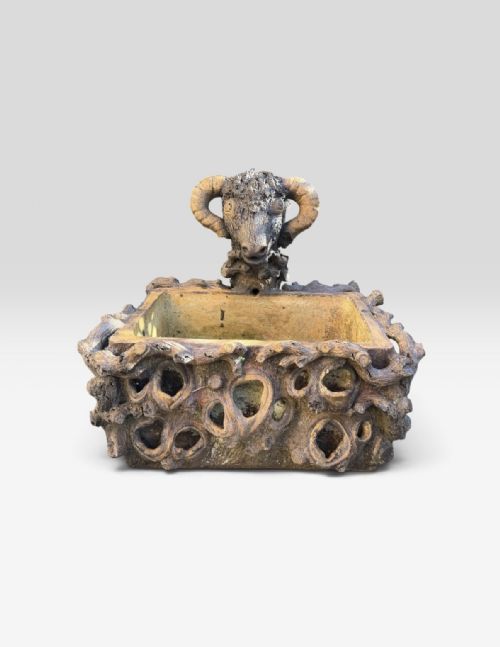
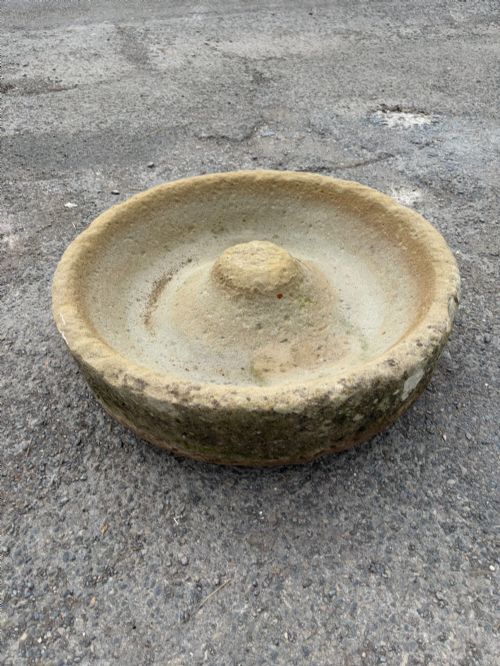
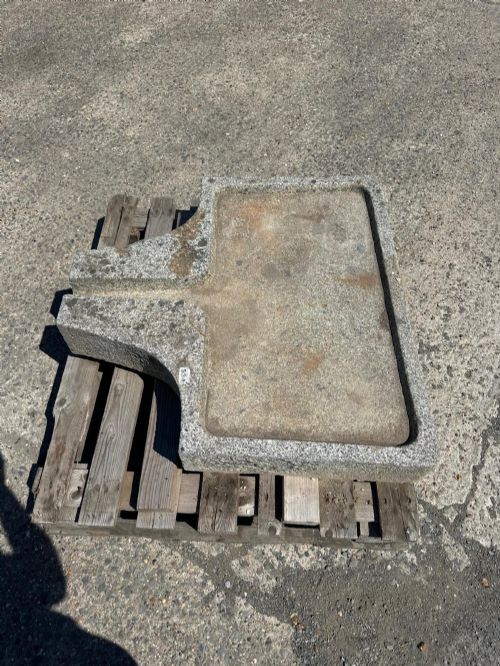
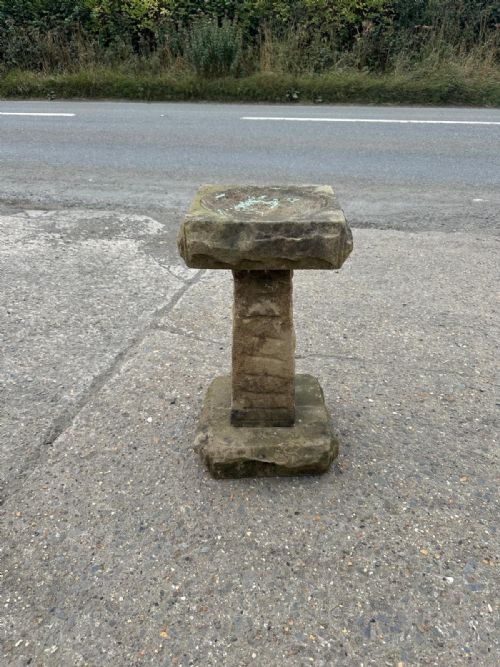
The pieces appearing on this page span several centuries, reaching from the pre-sixteenth century through to the Edwardian period. Forms range from square garden troughs and bird baths to mortars, bowls and millstone bases.
Sandstone, limestone, granite and Purbeck limestone dominate the selection, often bearing natural patinas of moss. You encounter items originating from English country and farmhouse contexts, as well as occasional industrial or Gothic revival examples.
How they were made
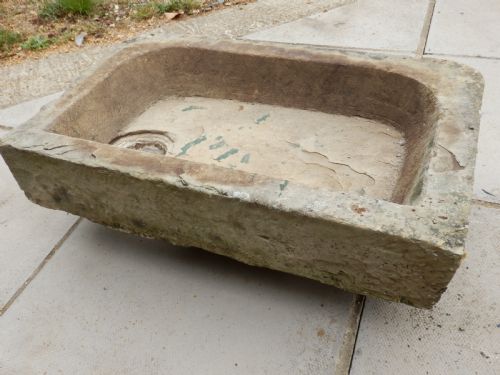
Masons shaped these troughs using hard natural stones such as granite, sandstone and limestone, chiselling the dense material out of solid blocks by hand. This subtractive process left tool marks across the exterior walls and created thick, resilient rims designed to endure heavy work.
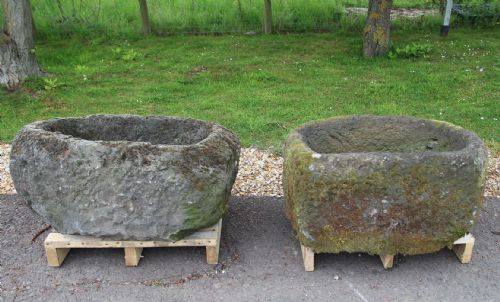
Over long exposure to the elements, organic growth such as moss established itself across the surfaces of these natural stone vessels. Some pieces also integrate reclaimed materials, including stone salvaged from historic structures damaged during wartime.
Rustic Stone Trough Retail Price Guide 2026
Typical asking prices for rustic stone trough among the pieces listed under this phrase on Sellingantiques today, from the lower quarter to the upper quarter. They describe what is for sale here now, not the wider market.
Object types include garden planters, bird baths, architectural salvage, mortars, bowls and millstone bases.
What varies in quality
Quality in these vessels rests upon the integrity of the original carving and the depth of the stone block. Thicker walls and clean chisel work distinguish superior vessels from simpler utilitarian blocks.
The character of the weathering and the presence of integrated moss add depth to a piece. Provenance also shapes the interest of a trough, particularly when material links directly to significant historical architecture.
The Rustic Stone Trough Glossary
- Purbeck limestone
- A marine limestone quarried on the Isle of Purbeck in Dorset, prized for its fossiliferous content and durability. It frequently appears in traditional British building and monumental masonry.
- Granite
- An igneous rock composed mainly of quartz and feldspar, offering extreme hardness. Masons utilised this resilient material for heavy pressing and agricultural work.
- Sandstone
- A sedimentary rock formed from mineral particles or rock fragments, widely used for domestic and garden vessels. Its granular texture weathers distinctively over generations outdoors.
- Pancheon
- A large, wide earthenware or stone vessel traditionally used in dairies for setting milk or washing. In garden settings, these circular forms serve as robust planters.
- Mill stone base
- The lower stationary stone used in a mill for grinding grain or minerals. These heavy circular slabs provide stable foundations or focal points in garden design.
Rustic Stone Trough: Frequently Asked Questions
How heavy is a stone trough?
These vessels are carved from solid natural rock such as granite, sandstone and limestone, making them exceptionally heavy. Their substantial weight requires careful placement in the garden, as they cannot be easily moved once positioned.
Because of this mass, they remain stable outdoors in all weather conditions without needing additional anchoring. Mechanical lifting equipment is often necessary during delivery and installation.
Can I plant directly into them?
Natural stone troughs provide ideal environments for alpine plants, herbs and slow-growing perennials. Their thick walls protect root systems from sudden temperature fluctuations.
Ensure that any drainage hole functions properly to prevent waterlogging during wet winter months. Adding a layer of gravel at the base helps maintain healthy soil conditions.
How do I clean a stone trough?
Most owners prefer to leave the accumulated moss and lichen undisturbed, as organic weathering enhances the antique character of the stone. Gentle brushing with water is usually sufficient to remove excess debris without harming the surface patina.
Avoid using harsh chemical cleaners or pressure washers, which can strip away centuries of natural wear and pit the soft minerals in limestone and sandstone.
What is the difference between a trough and a mortar?
Troughs are typically elongated or square vessels designed for holding water, feeding livestock or planting gardens. Mortars are deeper, bowl-shaped vessels historically used alongside a pestle for crushing and grinding materials.
Both forms utilise the same durable natural stones, but their original functions dictated their distinct proportions and internal cavities.