







Weathered Stone Trough
These weathered stone trough examples are heavy garden vessels and cisterns offering centuries of patina and practical planting utility.
Weathered Stone Trough
A weathered stone trough is a utilitarian garden vessel shaped from natural or cast stone to hold water or plants. You encounter nineteenth-century examples most frequently on this page, alongside earlier pieces originating from the eighteenth century or earlier.
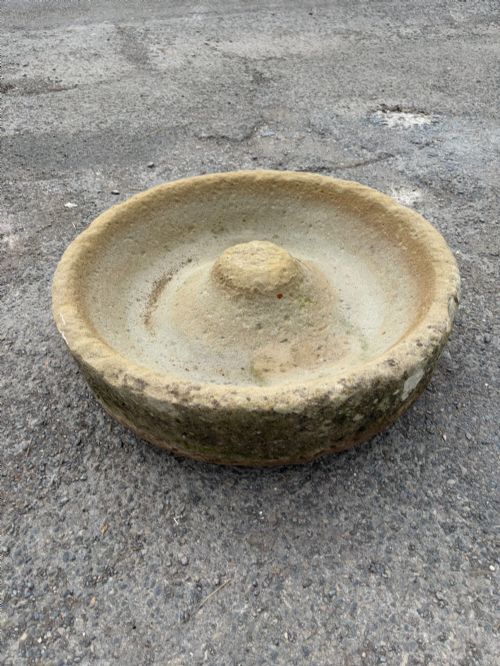
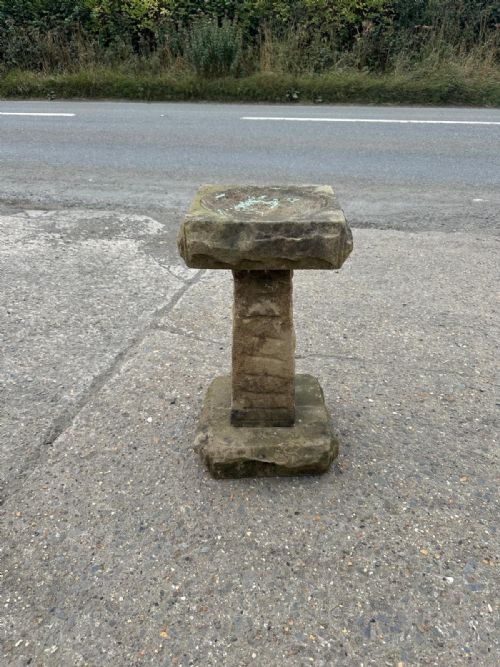
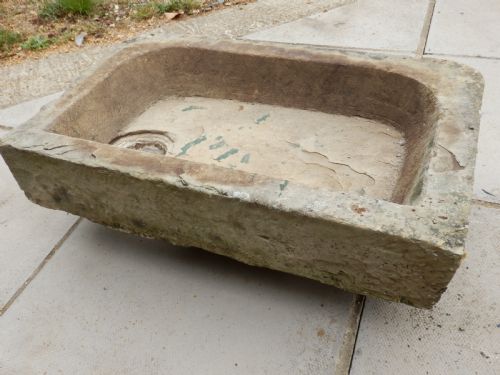
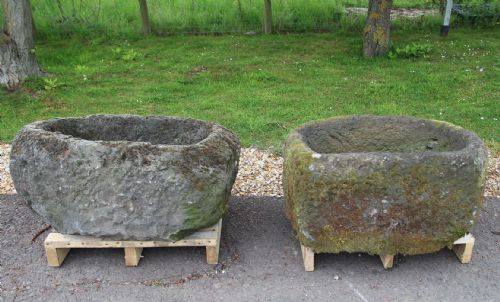
Forms range from large square agricultural troughs and rectangular garden planters to circular mortars, bird baths, and neoclassical cisterns. These items derive from rural vernacular settings, estate gardens, and architectural salvage.
The aesthetic appeal rests entirely upon surface weathering, lichen encrustation, and the marks of primary hand-tooling or quarry work. Buyers select them to anchor planting schemes in traditional and contemporary garden spaces.
How they were made
Masons shaped these vessels from blocks of sandstone, limestone, Purbeck stone, and Carrara marble using hand chisels and mallets. This direct subtraction from solid mineral left distinct tool marks across the exterior walls and interiors.
Later and alternative pieces utilise composite stone, cast stone, or reconstituted stone poured into moulds. These moulded iterations replicate the heft and texture of carved monoliths using aggregate mixes.
Weathered Stone Trough Retail Price Guide 2026
Typical asking prices for weathered stone trough among the pieces listed under this phrase on Sellingantiques today, from the lower quarter to the upper quarter. They describe what is for sale here now, not the wider market.
Listings feature sandstone, limestone, Purbeck stone, and Carrara marble across periods spanning from pre-sixteenth century to the Edwardian era.
What varies in quality
Quality depends upon the geological integrity of the stone and the proportion of hand labour involved in the initial carving. Deeply hollowed monolithic blocks display superior structural honesty compared to composite or thin-walled alternatives.
The depth and organic character of natural weathering dictate visual success. Pieces showing centuries of genuine exposure, lichen growth, and soft water erosion command greater visual presence in the garden.
The Weathered Stone Trough Glossary
- Sandstone
- A sedimentary rock composed mainly of quartz sand grains that provides durable frost-resistant material for carved troughs.
- Purbeck stone
- A fossiliferous limestone quarried in Dorset, frequently utilised for historic bird baths and regional garden vessels.
- Carrara marble
- A white or blue-grey Italian marble utilised for high-status neoclassical cisterns and carved decorative basins.
- Composite stone
- A manufactured material combining crushed stone and binding agents, poured into moulds to simulate carved monoliths.
- Architectural salvage
- Building elements and utilitarian garden items recovered from demolition or clearance for reuse in landscape design.
Weathered Stone Trough: Frequently Asked Questions
How do I clean a stone trough?
Scrub the surface gently with water and a stiff bristle brush to remove accumulated dirt while preserving the desirable lichen and moss.
Avoid chemical cleaners or pressure washers, as harsh methods strip away the historic patina and erode the softer outer layers of the stone.
Can these troughs stay outside in winter?
Natural stone vessels withstand frost successfully provided drainage holes remain clear and unobstructed by compacted soil or debris.
Elevating the base slightly on bricks prevents moisture absorption from frozen ground and protects the structure from thermal shock.
How heavy are these garden troughs?
Solid carved stone vessels possess significant weight due to their dense mineral composition and thick walls. Heavy lifting equipment or professional transport is necessary for positioning larger nineteenth-century specimens in the garden.
What can I plant in them?
Alpine plants, miniature conifers, and slow-growing perennials thrive in shallow stone environments with gritty, well-draining compost.
The restricted rooting space and mineral-rich surroundings suit drought-tolerant species that mimic natural rocky habitats.