




Grey Stone Planter
A grey stone planter brings solid weight and deep weathering to a terrace, turning raw mineral mass into a focal point for garden planting.
Grey Stone Planter
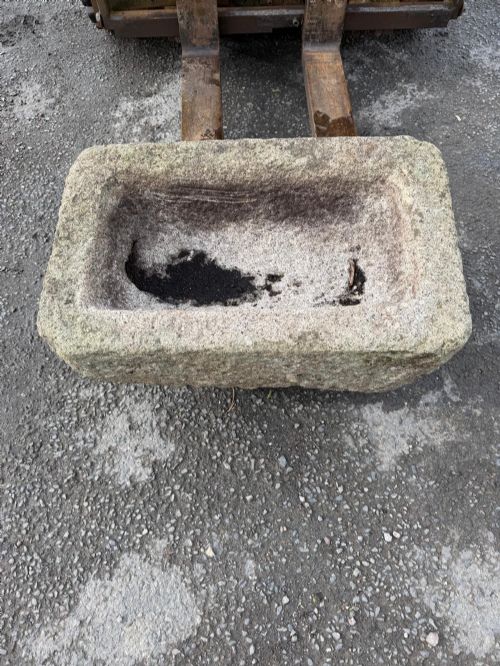
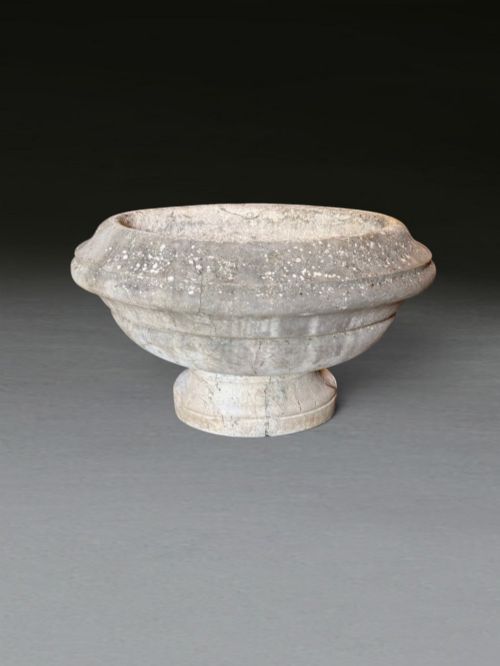
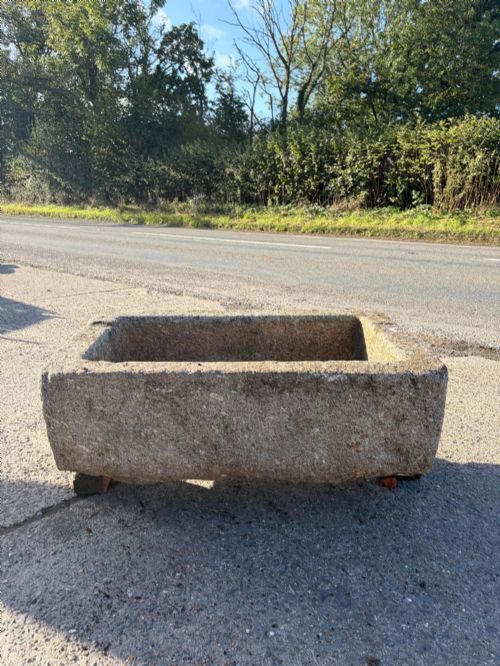
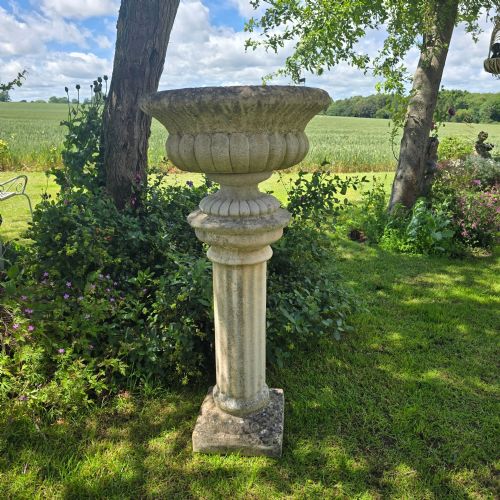
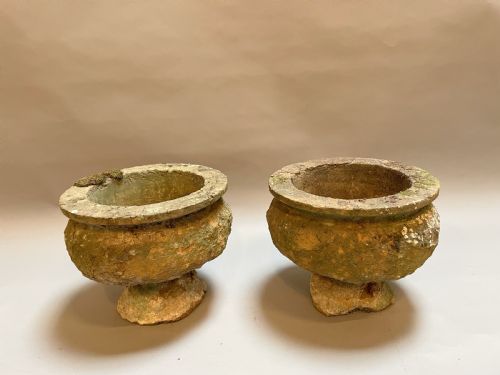
When you search for a grey stone planter, you encounter vessels shaped from natural rock, cast mixtures, and hard minerals designed to hold soil and plants outdoors. The selections on this page run from eighteenth-century troughs and carved marble cisterns to twentieth-century cast stone campana urns and utilitarian stone mortars.
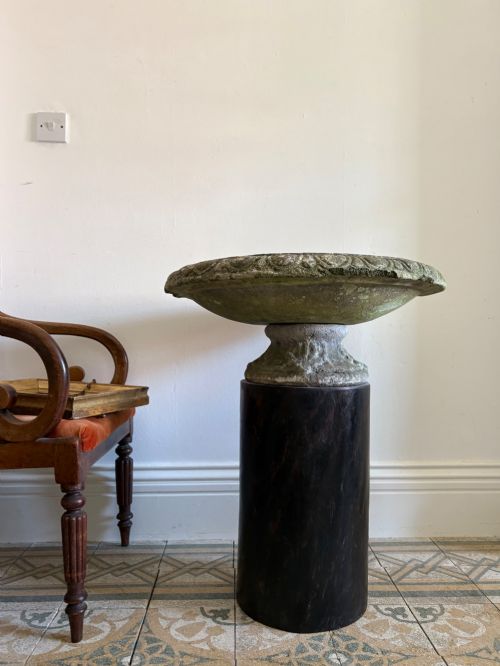
Most pieces you meet here originate from the eighteenth and nineteenth centuries, alongside early twentieth-century examples shaped in neoclassical or rustic farmhouse styles. Forms vary from simple square troughs and seven-sided urns to classical campana shapes paired with matching plinths.
Garden settings determine the scale of these items, with heavy granite grindstones, limestone bases, and natural stone troughs offering permanent fixtures for courtyards and lawns. Whether carved by hand or cast in moulds, each piece shows the natural weathering of mineral surfaces exposed to the elements.
How they were made
Makers shaped these pieces from natural materials including limestone, sandstone, Purbeck stone, granite, and marble using chisels, mallets, and hand-carving techniques. Alternatively, twentieth-century examples utilise cast stone, reconstituted stone, and composite stone poured into rigid moulds to replicate traditional carved surfaces.
Metal elements occasionally enter the construction through cast iron components or reinforcement, seen in period campana urns and garden planters produced by dedicated foundries. Surface texture relies entirely on the base material and the natural weathering acquired over decades outdoors.
Grey Stone Planter Retail Price Guide 2026
Typical asking prices for grey stone planter among the pieces listed under this phrase on Sellingantiques today, from the lower quarter to the upper quarter. They describe what is for sale here now, not the wider market.
Listings feature periods spanning from the seventeenth century through to the 1950s, alongside materials such as sandstone, limestone, marble, and cast iron.
What varies in quality
Quality rests in the harmony of the carving and the integrity of the mineral mass, where crisp neoclassical detail on a marble cistern or limestone urn elevates the piece above standard utilitarian vessels. Hand-carved examples display confident chisel work and balanced proportions that mark them out from simpler cast counterparts.
The degree and depth of natural weathering dictate the visual appeal of older items, with well-weathered surfaces showing authentic lichen, moss, and softened edges developed through long exposure. Structural preservation matters equally, distinguishing solid troughs and intact campana forms from heavily degraded stone.
Andrew Handyside
The Grey Stone Planter Glossary
- Campana urn
- A bell-shaped garden vessel with an everted rim, sweeping body, and a pedestal base. Originating in classical antiquity, this form became popular during the Regency and Victorian periods.
- Reconstituted stone
- A manufactured material made from crushed natural stone aggregates mixed with a binder such as cement. Makers pour this mixture into moulds to produce durable garden ornaments.
- Stone trough
- A rectangular or square agricultural vessel hewn from a single block of stone. Originally used for feeding livestock or watering, these pieces now serve as rustic garden planters.
- Plinth
- A heavy rectangular or square block that elevates an urn or planter above ground level. These architectural supports often share the same period and material as the vessel above.
Grey Stone Planter: Frequently Asked Questions
How do I clean a stone planter?
Wash the surface gently with water and a soft brush to remove loose dirt while preserving the accumulated lichen and weathering.
Avoid harsh chemical cleaners and high-pressure washers, which strip away the historic surface texture and damage softer limestones.
Will frost crack my stone planter?
Natural stone and well-cured cast stone generally withstand cold weather if the planter drains freely and water does not pool inside.
Raise vessels slightly off the ground on pot feet during freezing months to ensure drainage holes remain clear.
How do I date a stone planter?
Examine the tool marks, material composition, and overall style, comparing neoclassical proportions or rustic finishes with documented period examples.
Hand-chipped tooling points towards earlier centuries, while uniform aggregate textures typically indicate twentieth-century cast production.
Where should I place a heavy stone planter?
Position these substantial pieces on level ground, stable paving, or dedicated plinths where their considerable weight is evenly supported.
Consider sightlines from windows and doorways to make the weathered mineral form a permanent anchor in the garden design.