
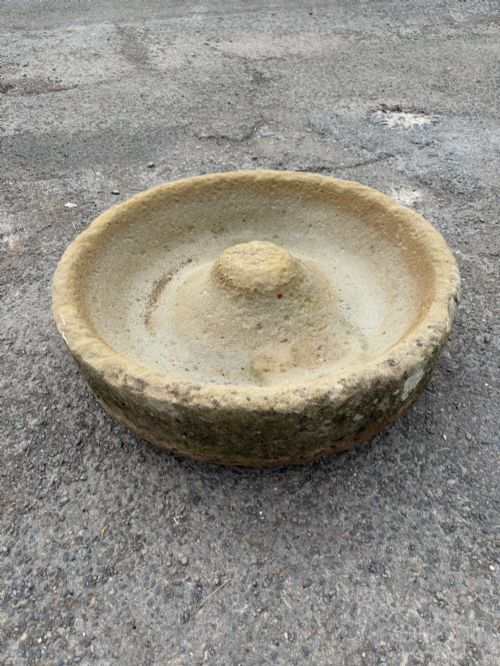
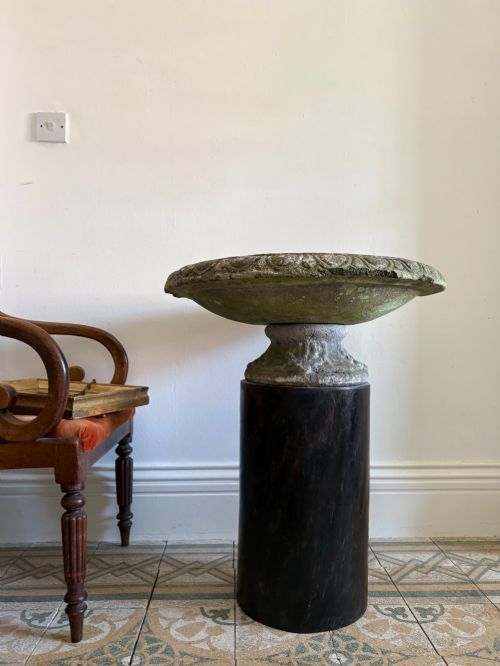
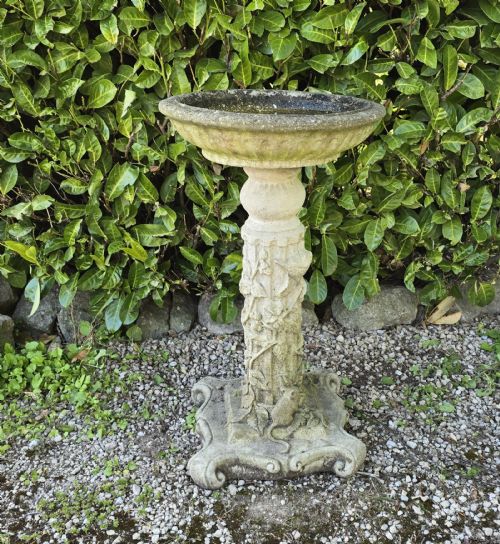


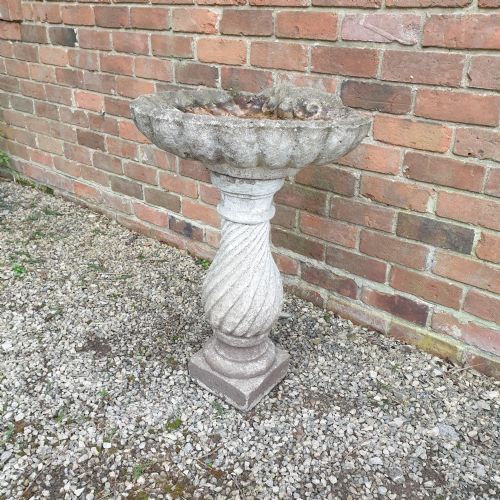

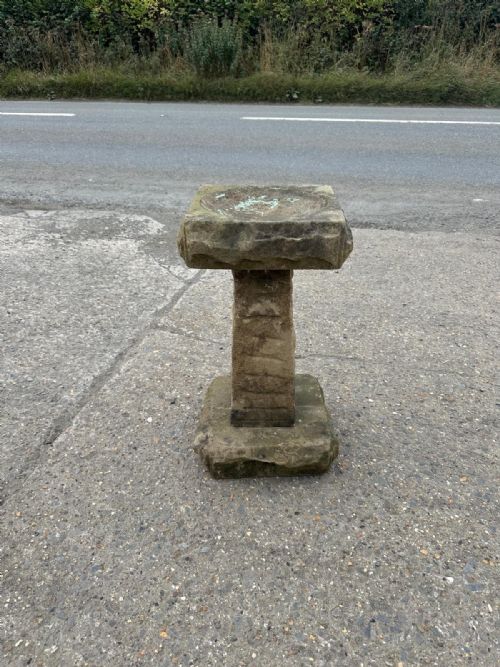


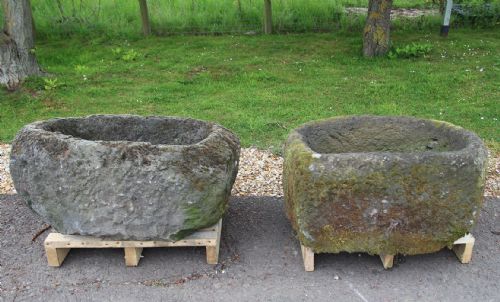
Weathered Stone Basin
A weathered stone basin brings centuries of garden history to your courtyard, offering deep stone troughs and birdbaths shaped by weather and time.
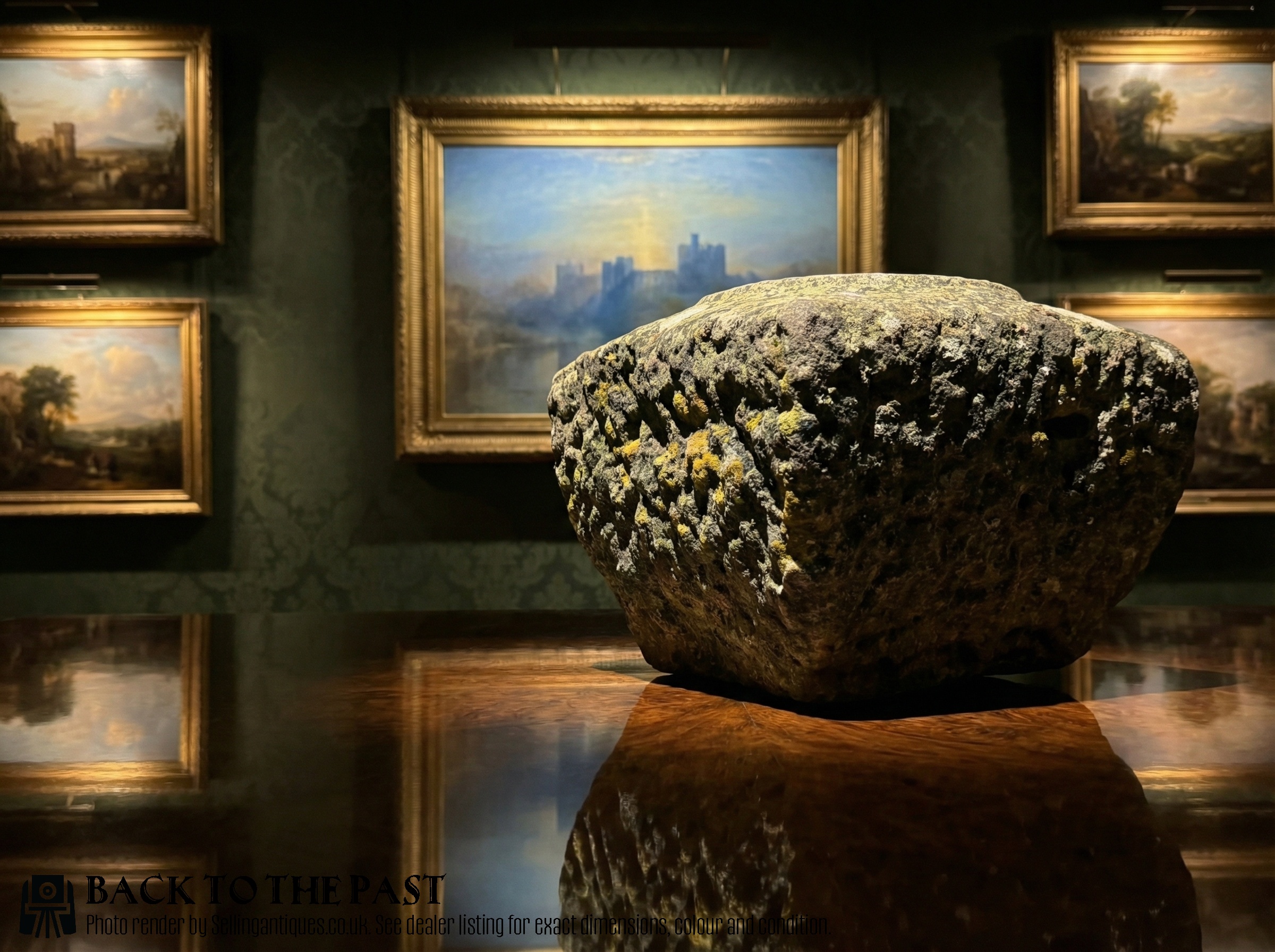
Weathered Stone Basin
A weathered stone basin spans utilitarian troughs, mortars, and garden birdbaths drawn from centuries of architectural and domestic use. Buyers seeking a weathered stone basin typically encounter items fashioned from sandstone, purbeck stone, and cast stone that have acquired natural patinas outdoors.
The forms range from square troughs and shell-shaped birdbaths to neoclassical cisterns and heavy planters. These objects serve practical roles in gardens while displaying the heavy mass and tactile surface of aged mineral materials.
How they were made
Masons shaped natural stone materials such as sandstone and purbeck stone using traditional chisels and bankers to carve heavy troughs and birdbaths from solid blocks. Other pieces utilise cast stone or reconstituted stone poured into moulds to replicate classical forms.
Exposure to weather over decades or centuries develops surface textures, incorporating moss and lichen directly onto the stone matrix. Reclaimed elements occasionally draw on masonry salvaged from historic buildings.
The listings span materials from natural sandstone and purbeck stone to nineteenth-century cast stone and eighteenth-century marble.
What varies in quality
Quality rests in the integrity of the original material and the depth of natural weathering rather than mere age alone. Hand-carved natural stone shows tool marks and geological variations that elevate standard utilitarian forms into sculptural focal points.
Proportions and period styling also dictate distinction, separating simple utility vessels from refined neoclassical cisterns and carved birdbaths.
The Weathered Stone Basin Glossary
- Purbeck stone
- A distinctive limestone quarried in Dorset, prized for fossil content and durability in outdoor garden architecture. It frequently appears in traditional birdbaths.
- Cast stone
- A refined building product manufactured from aggregate and cement to mimic natural cut stone. It allows complex neoclassical mouldings on birdbaths and planters.
- Trough
- A long, deep rectangular vessel originally used for feeding livestock or watering animals. Antique examples now function as stone garden planters.
- Cistern
- A large container for storing water, often carved from marble or stone with decorative exterior panels. Eighteenth-century examples display neoclassical motifs.
Weathered Stone Basin: Frequently Asked Questions
How do I place a stone basin in a garden?
Position your stone basin on level, firm ground to support the considerable weight of natural stone and wet soil. Ensure adequate drainage if using the basin as a planter.
Allow moss and lichen to remain undisturbed to preserve the authentic weathered patina accumulated over decades outdoors.
Are these stone basins frost proof?
Natural stone and dense cast stone generally withstand winter frost, provided water does not pool and freeze inside unplanted bowls. Freezing trapped water can crack even ancient sandstone or purbeck stone.
Empty birdbaths and troughs during severe freezing spells or cover them to protect the mineral structure.
How do I clean a weathered stone basin?
Wash the surface gently with water and a soft brush to remove loose dirt without disturbing the underlying moss and mineral crust. Avoid harsh chemical cleaners that strip the historic character from sandstone and marble.
Let the natural weathering process continue uninterrupted to maintain the aged appearance.
How do I identify the age of stone?
Examine tool marks, surface erosion, and the degree of mineral degradation across sandstone, purbeck stone, or marble surfaces. Hand-chiselled edges and deep weathering indicate earlier centuries of exposure.
Stylistic cues such as neoclassical proportions also point towards eighteenth-century or nineteenth-century origins.