




Vintage Stone Trough
These vintage stone trough examples bring weathered character to gardens and courtyards, offering robust utility rooted in centuries of rural and domestic history.
Vintage Stone Trough
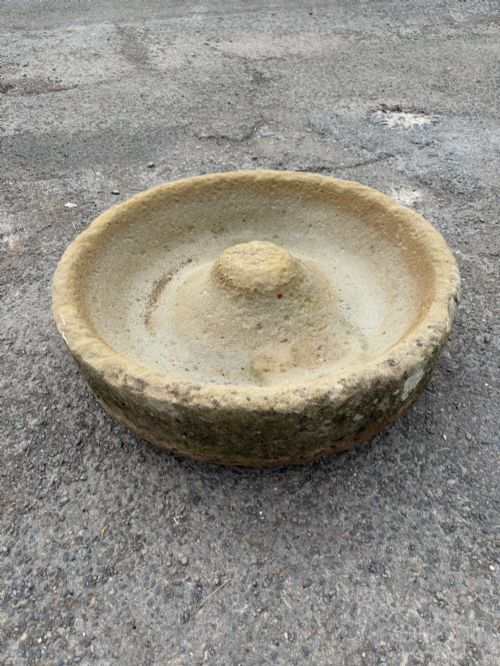
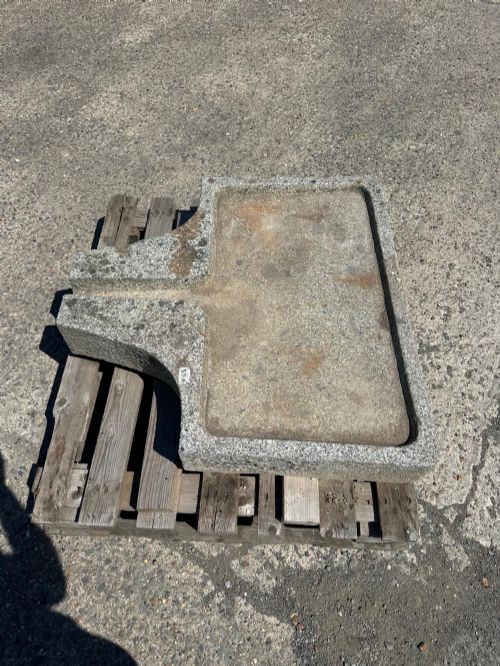
A vintage stone trough serves primarily as a robust garden planter, architectural salvage, or historic vessel for exterior display. Buyers searching for a vintage stone trough will encounter pieces adapted from utilitarian agricultural and domestic objects.
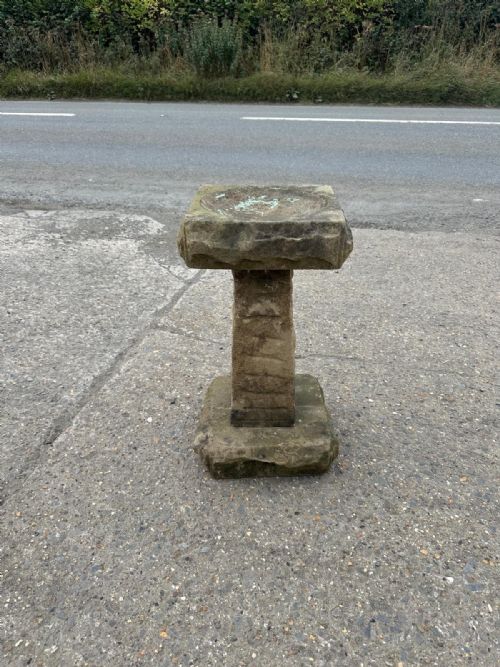
The selections span multiple eras, including examples from the seventeenth, eighteenth, and nineteenth centuries alongside later twentieth-century iterations. Forms range from square planting vessels to presses, mortars, and bird baths.
Origin details vary between natural materials like sandstone, granite, and limestone and manufactured alternatives such as cast or reconstituted stone. Most items display a rustic vernacular or country aesthetic shaped by decades of weathering.
Materials and construction
Makers shaped these objects from natural media including sandstone, granite, limestone, and purbeck stone using traditional masonry techniques. Natural stone pieces display the chisel marks and hand-hewn surfaces typical of earlier centuries.
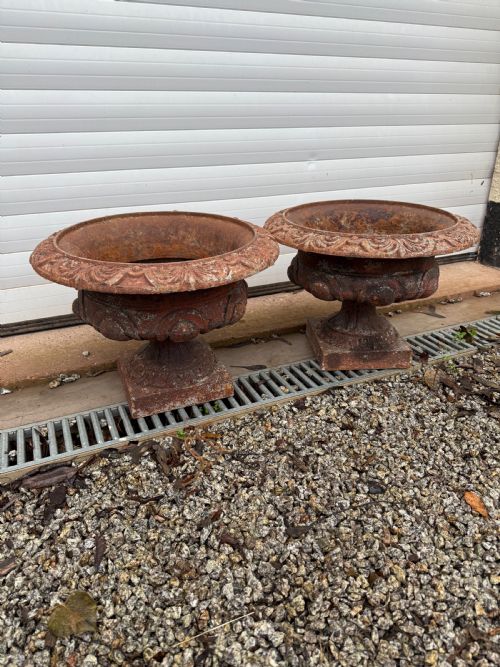
Later examples utilise cast stone, concrete, and reconstituted stone poured into moulds to replicate the heavy texture of older granite and sandstone vessels. These constructed pieces offer uniform durability while maintaining a weathered exterior appearance.
One extraordinary planter incorporates stone salvaged directly from the Houses of Parliament following bomb damage sustained during the Blitz.
Assessing quality and character
Quality rests in the depth of natural weathering, the integrity of the material, and the crispness of hand-carved edges. Older pieces carved from solid granite or sandstone display a distinct patina acquired through prolonged exposure to the elements.
Proportion and form dictate desirability, with symmetrical square troughs and well-weathered surfaces commanding attention. The distinction between hand-carved natural material and cast alternatives defines the upper tiers of the selection.
The Vintage Stone Trough Glossary
- Sandstone
- A sedimentary rock composed mainly of sand-sized minerals or rock grains, frequently utilised for durable garden vessels and troughs.
- Granite
- An igneous rock prized by masons for its extreme hardness and resistance to weathering, often seen in press bases and heavy troughs.
- Architectural salvage
- Building materials and utilitarian stone objects rescued from older structures for reuse in modern landscapes and gardens.
- Mortar
- A heavy bowl-shaped vessel traditionally used for grinding materials, now repurposed as a compact garden planter or decorative feature.
- Reconstituted stone
- A manufactured material made from crushed stone mixed with a binder to imitate the appearance of natural carved rock.
Vintage Stone Trough: Frequently Asked Questions
How do I care for a vintage stone trough?
Natural stone requires minimal maintenance beyond occasional clearing of debris to prevent water retention and frost damage during freezing months.
Positioning the trough on small feet or bricks prevents direct contact with damp soil, protecting the base from moisture ingress.
Can these troughs stay outside in winter?
Most natural stone and granite vessels withstand freezing temperatures without issue due to their dense material composition.
Ensure drainage holes remain clear so expanding ice does not crack the stone structure during severe cold spells.
Are these troughs heavy to move?
Solid stone, granite, and cast concrete vessels possess considerable weight that necessitates mechanical assistance or professional handling during placement.
Planning the final garden location prior to delivery prevents the need for subsequent repositioning of heavy pieces.
How do I identify the age of a stone trough?
Tool marks, mineral composition, and the extent of natural lichen growth offer clues regarding the period of manufacture and primary use.
Hand-hewn surfaces and irregular dimensions typically point towards earlier centuries, while uniform cast examples suggest twentieth-century production.