
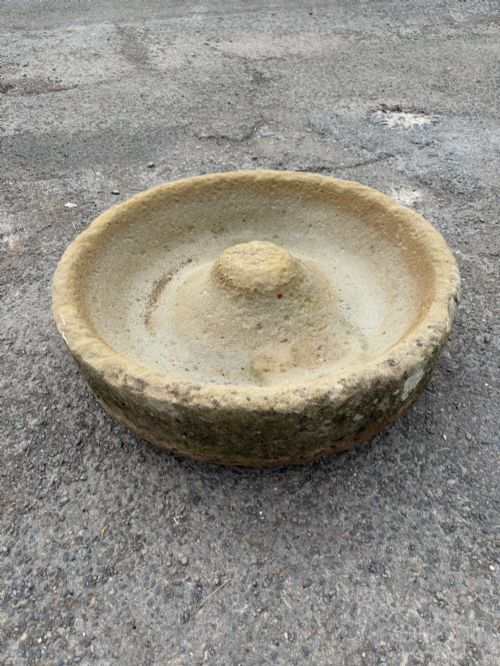
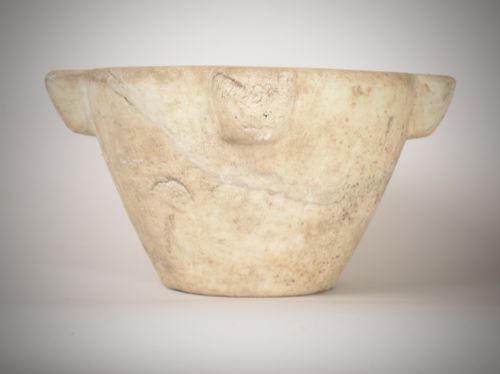
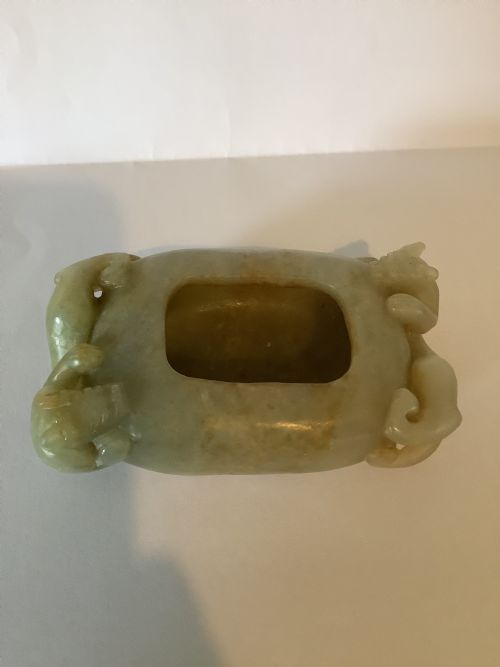


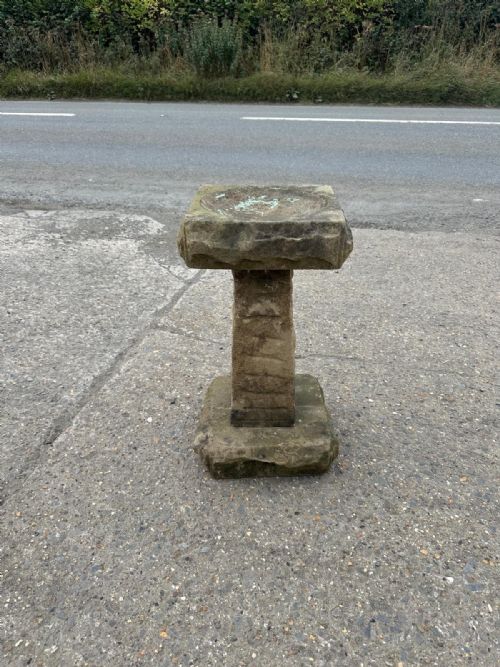


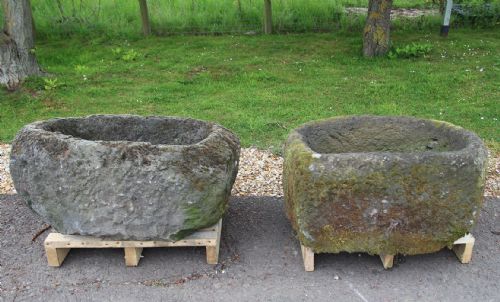
Hand Carved Stone Basin
These hand carved stone basin examples offer enduring utility and rustic character, shaped from resilient materials across several centuries.
Hand Carved Stone Basin
A hand carved stone basin serves practical garden and domestic roles, ranging from bird baths and garden planters to kitchenware, troughs, and mortars. Buyers searching this phrase encounter robust utilitarian vessels that transition easily from historic yards to contemporary settings.
The selections span distinct periods, including pieces from the seventeenth, eighteenth, and nineteenth centuries, alongside pre-sixteenth century fragments and nineteen hundred examples. Forms encompass rustic farmhouse items, gothic revival styles, and Chinese works of art like jade brush washers.
The most common versions met on this page are nineteenth-century garden troughs, planters, and heavy stone mortars. These durable objects reflect centuries of functional use in domestic kitchens and outdoor gardens.
How they were made
Makers shaped these vessels using natural stone, sandstone, gritstone, and Purbeck limestone through manual chiselling and carving techniques. The physical effort required to hollow dense rock determined the thick walls and sturdy profiles characteristic of these pieces.
Marble and pale green and russet jade appear in finer decorative items, demanding specialised abrasive tools and careful polishing. Reclaimed stone from historic structures also provides material for utilitarian garden planters with weathered surfaces.
One listed planter incorporates stone salvaged from the Houses of Parliament after wartime bomb damage.
What varies in quality
Quality rests in the harmony of proportion and the deliberate skill evident in the carving. Well-defined rims, balanced cavities, and harmonious wall thickness distinguish superior vessels from hastily shaped blocks.
The character of the raw material also dictates distinction, whether through the fossiliferous inclusions in Purbeck limestone or the fine translucency of carved jade. Patina accumulated through centuries of exposure elevates the visual depth of outdoor stone items.
The Hand Carved Stone Basin Glossary
- Brush washer
- A small vessel used in East Asian literati culture to clean scholar's brushes. These objects are often carved from fine materials like jade.
- Purbeck limestone
- A fossil-rich limestone quarried in Dorset, prized for hardiness and distinct shell inclusions. It appears frequently in nineteenth-century bird baths.
- Mortar
- A heavy bowl-shaped vessel used with a pestle for grinding food or substances. Historic examples often show deep interior wear from active kitchen use.
- Trough
- A long, narrow open container historically utilised for feeding livestock or holding water. In garden settings, these serve as substantial planters.
Hand Carved Stone Basin: Frequently Asked Questions
How do I clean an old stone basin?
Wash the surface gently with warm water and a soft brush to remove accumulated dirt. Avoid harsh chemical cleaners that can damage ancient stone or strip away historic patina.
Allow the piece to dry naturally after cleaning. Regular gentle maintenance preserves both the mineral structure and the weathered surface character.
Can I leave a stone bird bath outside in winter?
Most natural stone vessels withstand outdoor conditions due to their dense composition. However, freezing water trapped inside deep cavities can expand and cause cracking.
Drain standing water during freezing periods or cover the basin securely. This simple precaution protects historic stone from frost damage.
What is the difference between a trough and a planter?
Troughs are typically elongated, rectangular vessels originally cast or carved for agricultural or domestic utility. Planters encompass a broader range of shapes designed specifically for holding soil and plants.
Both forms share robust stone construction and heavy walls. Gardeners often use old stone troughs interchangeably as deep planters.
How do I date a stone mortar?
Dating relies on tool marks, the specific type of stone, and overall form evolution. Earlier pieces often display irregular hand-chiseled surfaces and heavier proportions.
Comparative analysis with documented examples helps narrow down the century of manufacture. The absence of modern machinery marks also indicates older craftsmanship.